Someone said while Woong disguised himself to enter Yumi's gate, and Babi forced his way in by throwing rocks, Soonrok asked for permission and even waited for it to open 😭
#YumisCells3
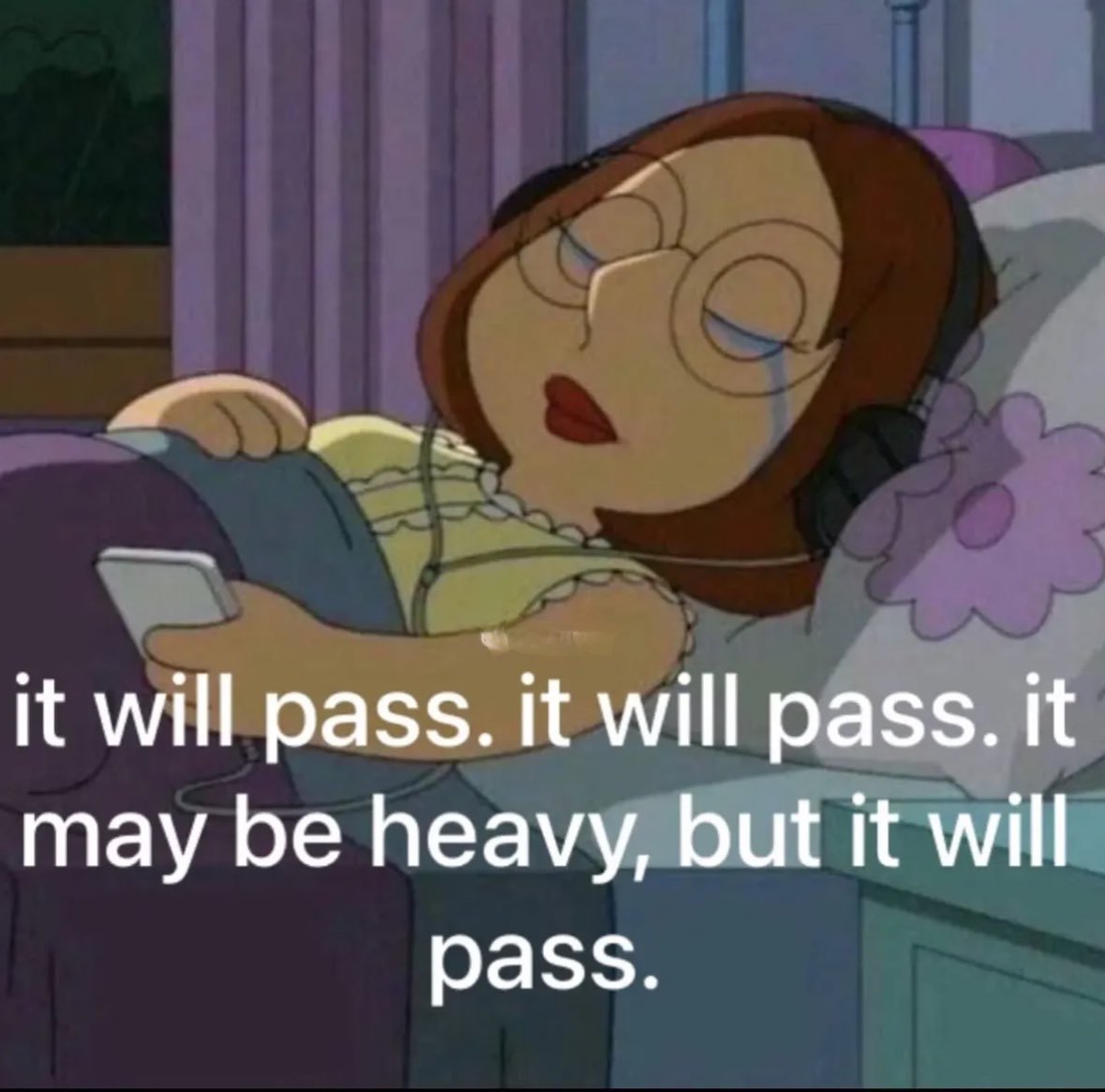
My grandmad died at Friday, but i just cry at sunday night. Needs 2 days for me to releasing my emotions.
So this is how it feels...
I lost my grandma and i feel so sad and broken heart
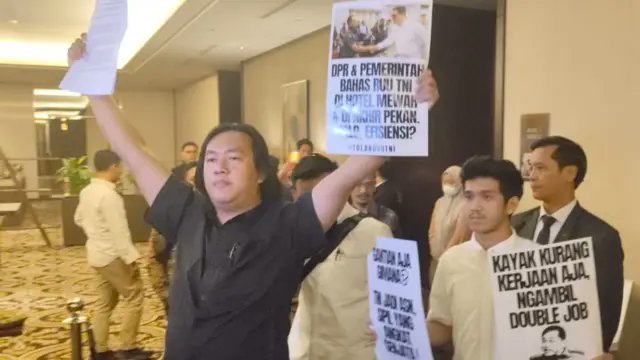
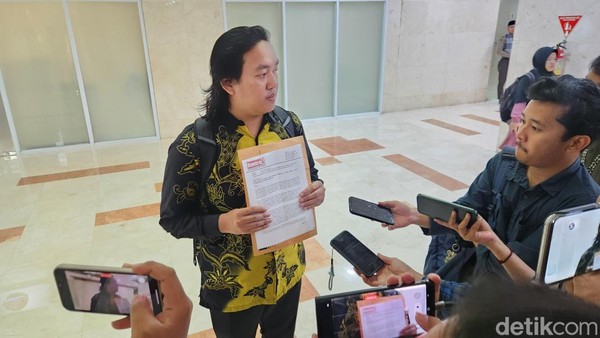
Dini hari ini, temanku Andrie Yunus disiram air keras ketika sedang mengendarai motor. Dia mengalami luka yang cukup parah.
Andrie adalah pemberani yang terus melawan kejahatan HAM, militerisme dan ketidakadilan. Dia tidak pernah bisa dibungkam.
Mengerikan sekali negara ini.
Don’t resign when your boss is upset with you. Resign when everything seems fine.
Most people quit at the worst possible moment. Emotions are hot, pride is bruised, and anger feels like clarity. A harsh conversation, a public correction, or a misunderstood decision suddenly becomes the final straw. In that moment, resignation feels like strength. In reality, it is often a reaction, not a plan.
When your boss is upset with you, the power dynamic is already unstable. You are thinking defensively, trying to protect your ego, not your future. Decisions made in emotional tension usually trade long-term stability for short-term relief. You may walk out feeling bold, but very quickly reality catches up. Bills don’t pause. Responsibilities don’t disappear. And the job market does not reward emotional exits.
The most dangerous resignations are the dramatic ones. They burn bridges, close doors, and rewrite your story without your consent. People rarely remember your frustration; they remember your exit. And once you leave in conflict, references become complicated, relationships sour, and your narrative shifts from professional to problematic, whether fair or not.
The smartest resignations happen when everything looks normal. Salary is steady. Your boss is calm. Work is predictable. Nothing is pushing you out. That is when you quietly prepare. You save aggressively. You build skills. You test ideas. You explore options. You create leverage. When you finally resign in this state, it is not escape, it is transition.
Resigning when things are well means you leave with dignity and control. You choose timing, not emotions. You can negotiate notice periods, secure recommendations, and preserve relationships. You are not running from pressure; you are walking toward a plan.
There is also a deeper truth. A healthy exit is not driven by anger, but by clarity. Clarity comes from thinking beyond the current discomfort and asking harder questions. Where am I going. What am I building. What does the next phase of my life actually require. These questions cannot be answered in the heat of conflict.
If your workplace is toxic, that is even more reason to be strategic. Toxic environments drain energy, but impulsive exits drain resources. Endurance with intention is not weakness; it is wisdom. Staying a little longer to prepare properly can be the difference between struggle and stability.
So don’t resign because you are angry. Don’t resign to prove a point. Don’t resign to feel powerful for one day and anxious for six months.
That is how adults exit.
Pernah lihat orang yg rezekinya kayak ngalir terus?
Biasanya mereka bukan yg paling pintar...
Tapi:
– Jarang ngeluh
– Hatinya mudah senang
– Nggak silau lihat orang lain naik
– Tulus bantu, tanpa pamrih
– Nggak pelit juga nggak ngemis
Mereka selaras. Dan semesta suka itu.