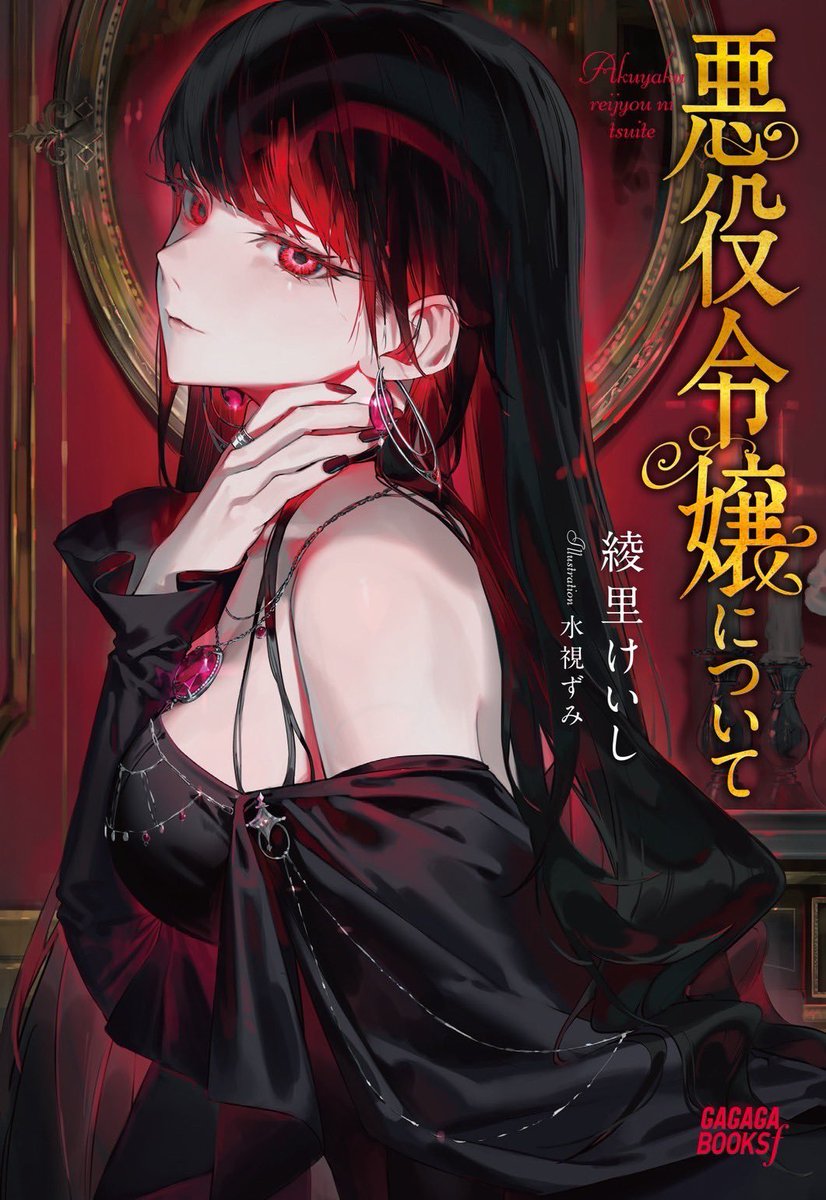
Even a Replica Can Fall in Love, The BS Situation of Tougetsu Umidori, Recommendations for Bad Children, Bofuri, Spellblades 4+, Overlord 14+, Rascal/Dream
I thought I'd make my pinned tweet a catalogue of translation tip threads I've done. This one on dealing with repetition is really universal:
https://t.co/SnpyckaIF2
English is way harsher on repetition than Japanese, so part of a light novel translator's job is tweaking the wording so it says the same shit, but without sounding redundant.
I thought I'd do a rundown of a few tricks that help with this.
Get in touch with the supernatural side of things in the newest series from THE ANCIENT MAGUS' BRIDE creator, Kore Yamazaki! GHOST & WITCH is a fantastical tale that you don't want to miss. Volume 1 out now: https://t.co/0wy1g879mB
NEW SERIES ANNOUNCEMENT: Witch and Hound
Amelia, the kingdom of dragons with a monopoly on magical power, is once again invading other lands with the ferocious Queen Amelia at its head. Her eyes are set on Campusfellow, the small land of fire and iron, which at this rate will inevitably fall… For the sake of the country’s survival, Lord Bud Grace comes up with a last-resort plan—ally with the one known only as the Witch, the subject of countless terrifying tales. With the assassin Rollo, known as “Black Dog” and versed in every method of killing, at their disposal, they set out to enter an alliance with the first witch, also known as the Mirror Witch…
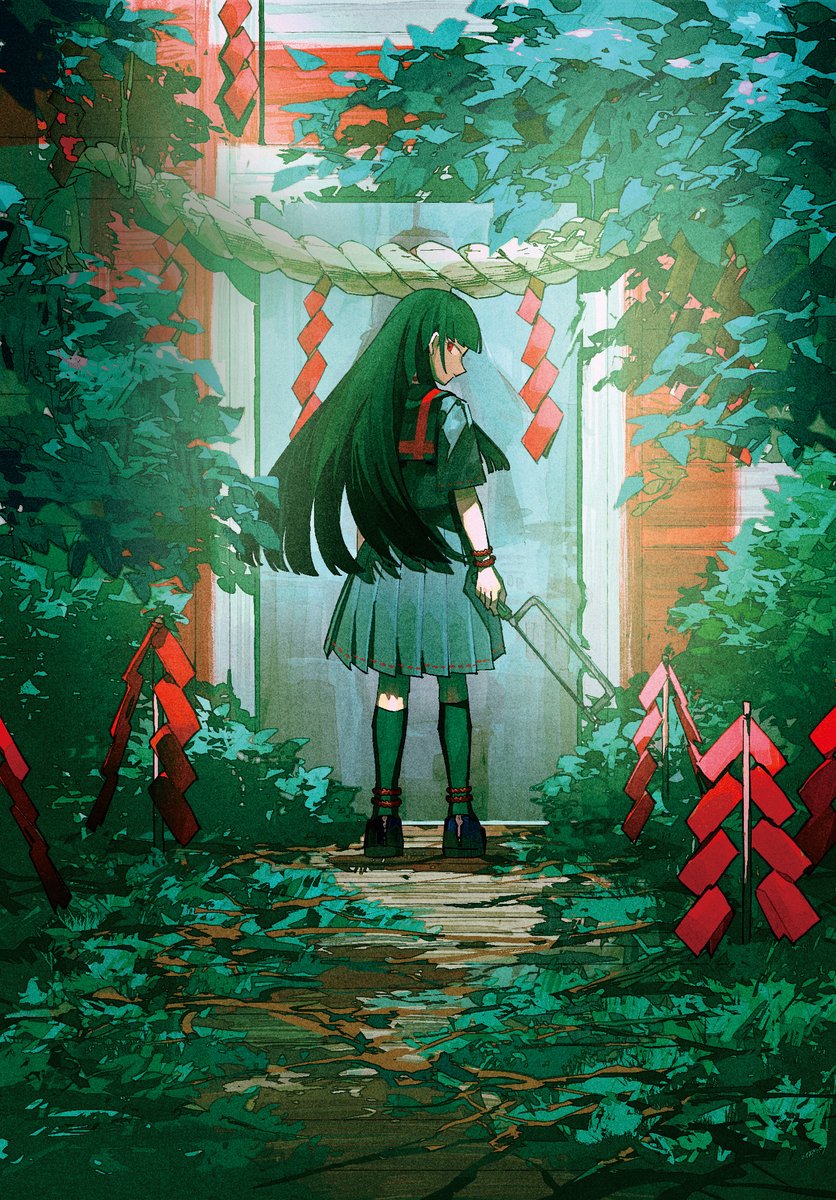
NEW SERIES ANNOUNCEMENT:
The day started out pretty normally. Kei Nimori was just going to elementary school as usual, and although he thought it was weird that his name and some other random person’s were written on the chalkboard, he didn’t pay too much attention to it—until night fell. Stuck in an alternate dimension of his school, surrounded by horrific monsters and a pile of corpses, his battle for survival has only just begun! The only question is, can he keep fighting until flight becomes an option again…?!
@DennyAndBadWifi@Tempest_Aizen@Josu_ke Bookworm and (probably) Inept Villainess are also not on this list and should be, so I think Oricon is just categorizing them as something else. Light Bungei or whatever.
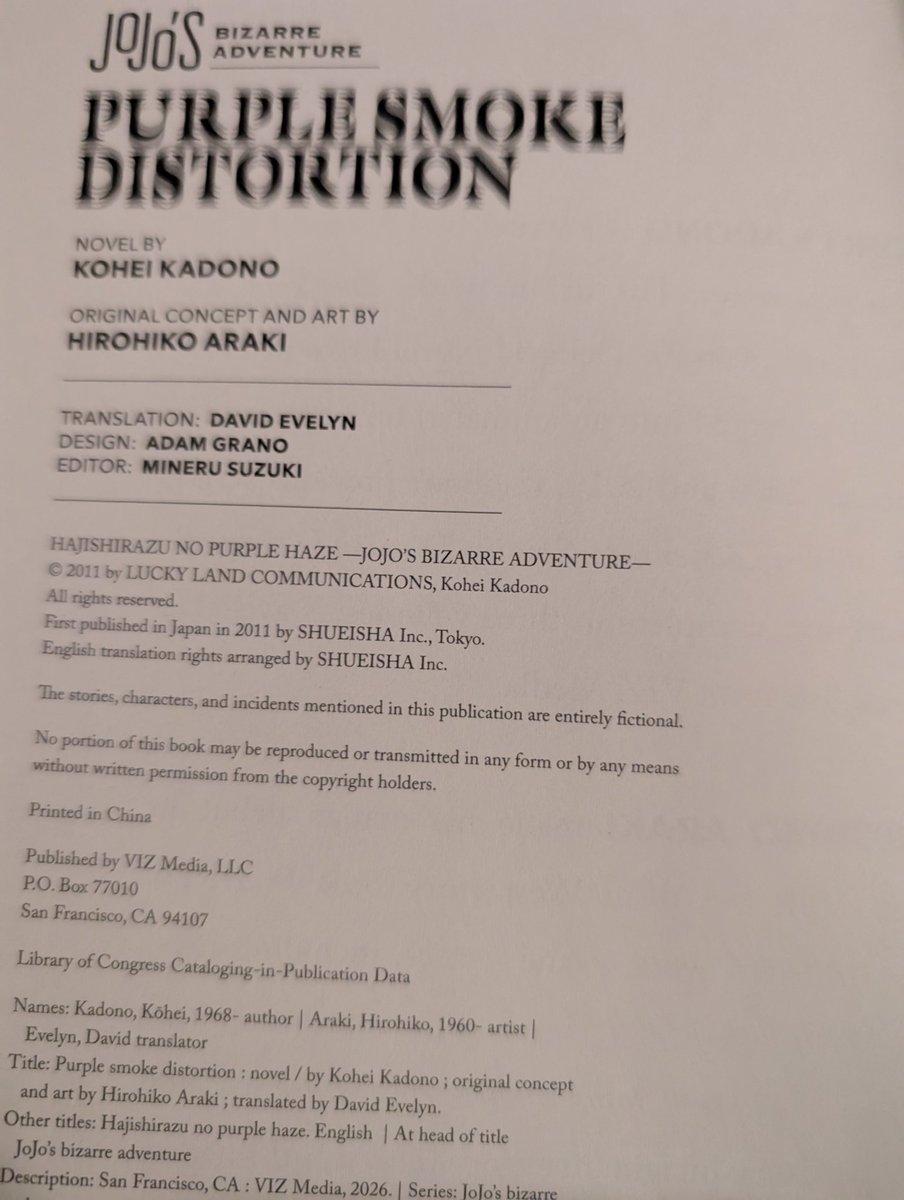
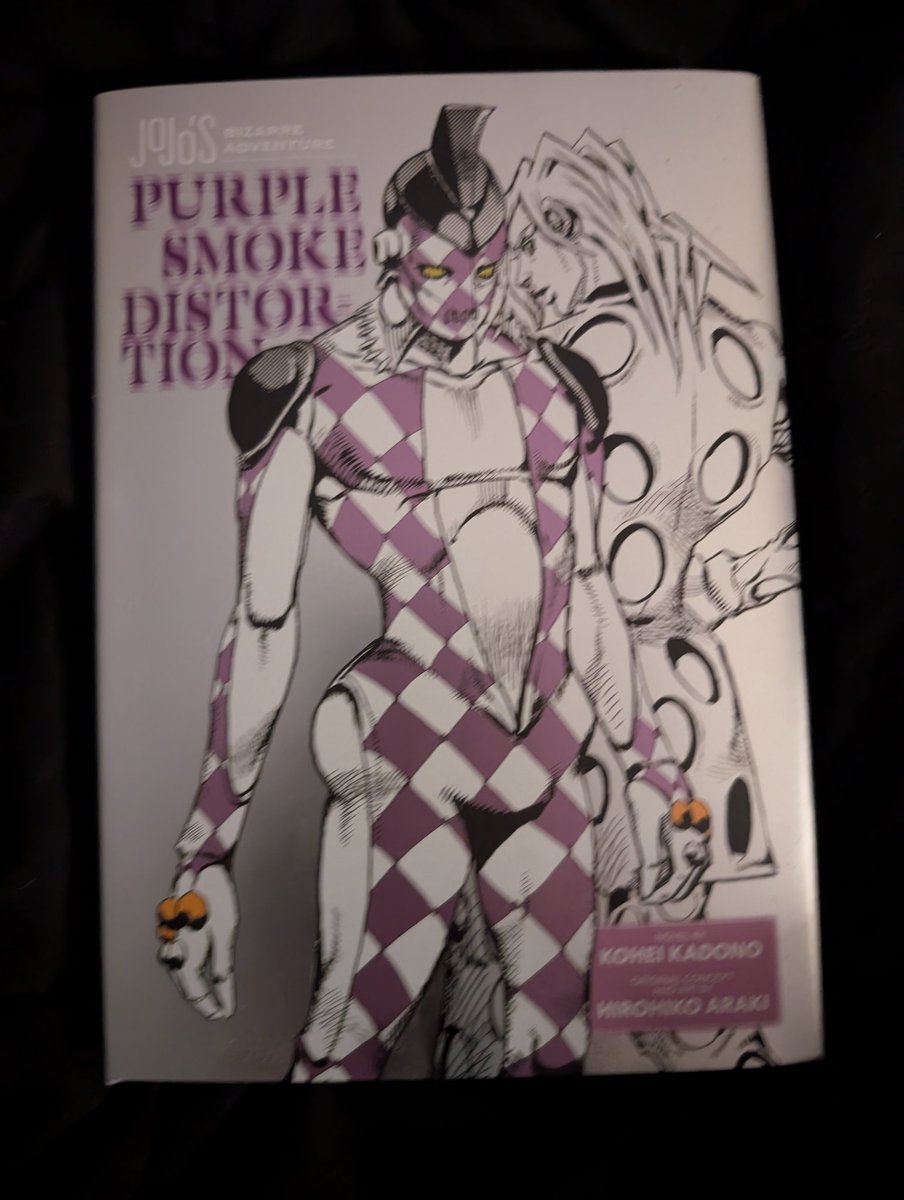
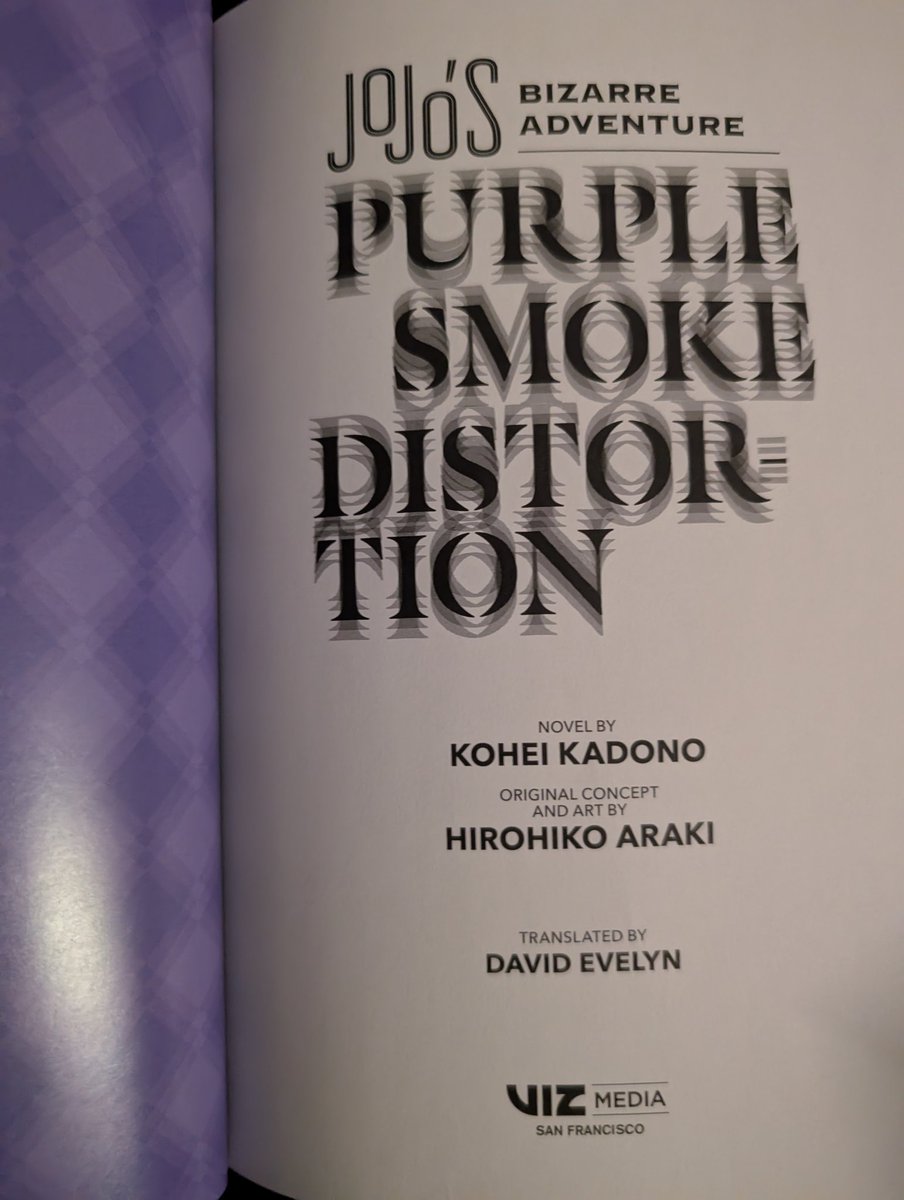
I have wanted to translate Jojo's Bizarre Adventure in an official capacity for decades. Thanks to my magnificent hardworking editor @minerusuzuki I was! I was floored to see my name on the title page the book right under Kadono-sensei and Araki-sensei! Please pick it up!!
📢 Listen up, mages ✨️
The combat league is reaching its climax, and the four teams that fought tooth and nail to get there are ready to take center stage!
Listen to Reign of the Seven Spellblades, Vol. 9 on audiobook here: https://t.co/SDq3VQCcxO
I'd like to give a rough breakdown of how money is distributed among the various stakeholders in Japan's publishing industry.
This is a broad overview, and of course the specifics will differ depending on individual contracts. I should also note that this is based on what I've personally heard and observed, and there are limits to that. There may be discrepancies with what others have seen.
As a general baseline, authors receive 10% of the final retail price as royalties. Retailers — that is, bookstores — take roughly 20%, and distributors take around 10%. This can vary by a few percentage points depending on the contract.
Whether 10% for the author is considered a lot or a little is a matter of opinion. Based on the figures above, publishers end up with the remainder — somewhere between 65% and 70% — which looks like a large share on the surface. However, it's important to keep in mind that publishers bear the costs of editing, design, illustration (if applicable), printing and binding, and inventory storage. While there are voices saying that the author's 10% is too little, given that publishers shoulder the bulk of the costs and the risk of poor sales, their share is generally considered reasonably justified.
For e-books, the royalty rate for authors is higher. It varies depending on the distribution platform and the contract, but based on the examples I'm aware of, it's around 35%. My understanding is that this larger share reflects the absence of inventory risk and printing/binding costs. Taking this into account, there is a reasonable argument to be made that royalty rates could be raised for works that go through multiple print runs — though this would only apply on the premise that the official release had sold extremely well.
Returning to physical books: if a 700-yen book is printed in a run of 10,000 copies, the author's share comes to 700,000 yen. Japan's publishing industry is currently in a significant slump. For a new IP that isn't part of an established series, an initial print run of 10,000 copies is actually considered fortunate. The vast majority of Japanese authors earn at this level or below. As a result, most authors are not full-time writers — they hold other jobs as well.
I understand that some may argue that the situation described above reflects a failure of integrity on the part of publishers, but as noted, given that publishers take on the bulk of the costs and the risks, it's not so simple to just say "raise the royalty rate."
In this environment, the idea of "using piracy to damage large publishers and thereby support the author" cannot work. This is because piracy reduces sales of the official release. Poor sales figures are taken as a direct measure of an author's market value. The author's next book will either be printed in far smaller numbers, or may not be published at all. Unfortunately, the theory that "piracy contributes to promoting a work and boosts sales" does not apply to the vast majority of authors working in Japan.
This is the background behind why the Japanese side strongly maintains that "piracy fundamentally does not benefit the author." The Japanese side understands this situation — consciously or unconsciously — and that is why they appeal to people to support authors by purchasing their work.
I've heard that Japan once had fierce debate between those who defended piracy and those who opposed it — though I didn't witness this directly. However, the pro-piracy position gradually lost ground and is no longer argued loudly, at least not publicly. I see this as correlated with the publishing industry having been hit by a major slump from which it has yet to recover. My understanding is that when books were selling extremely well, there was some margin for tolerance — but that is no longer the case. There is a fear that if book sales decline any further, the very environment in which beloved works can be brought into the world will be lost. I'd like people to understand that Japan's publishing industry is in a critical state.
As a side note, there are cases where publishers purchase the rights from an author outright rather than paying royalties. In such cases, the author's compensation is fixed at the point of purchase, and no royalties follow. However, I believe this arrangement is rare for works that go on to be released internationally.
Addendum: In Japan, authors generally hold extremely strong, full-scope copyright. Publishers cannot change so much as a single character of the text without the author's consent.
This means that authors are able to withdraw their work from a publisher and have it published elsewhere. There are in fact a number of real-world examples of this.
In practice, contracts often stipulate that "the publisher holds exclusive publishing rights for approximately two to three years," and in most cases these rights renew automatically unless the author formally notifies the publisher in writing that they wish to terminate. So if an author becomes dissatisfied with their publisher, they can wait at most two to three years and then reclaim the publishing rights. In terms of rights, authors hold an extremely strong position relative to publishers, and in most cases a conflict with an author results in damage to the publisher. Declining sales are one consequence, but the public nature of a rights withdrawal — and the reputational damage that comes with it — is not something to be taken lightly either.
Regarding Shueisha's Shonen Jump specifically, I have heard that authors sign contracts prohibiting them from publishing work with other companies — though this is second-hand information and may not be accurate. That said, it's worth bearing in mind that being published in Shonen Jump very often brings enormous financial benefit to an author. Creators of Jump manga occupy, with very high probability, the top tier of the publishing world. Furthermore, based on reasonable inference, such contracts are presumably time-limited and should be terminable once an appropriate period has elapsed.
One more addendum. It's important to understand the structure by which publishers are able to take on the challenge of releasing works that may or may not sell, precisely because they have megahits that serve as their cash cows. The reason a publisher can release a work with a small initial print run may well be that they have other works generating money like a printing press. Inflicting deliberate damage on a megahit could narrow the survival environment for works that "most people may not need, but which are desperately important to me." The Japanese side is, half-consciously, operating with this background in mind.