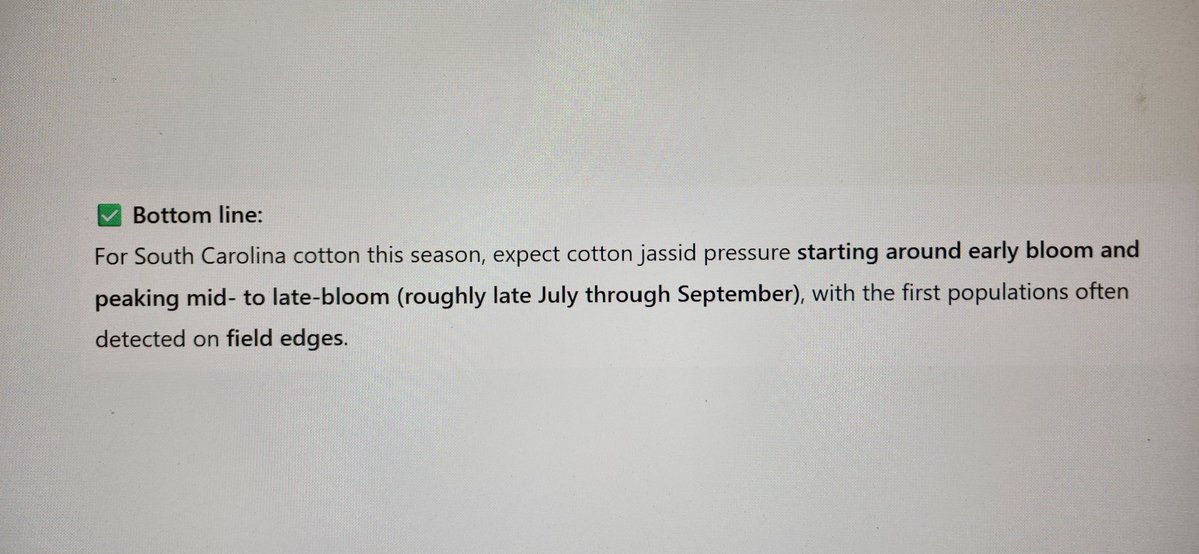
Here is what AI (ChatGPT) is predicting for the invasive two-spot cotton leafhopper (cotton jassis) in South Carolina this season. It is basically predicting a repeat of 2025, with jassid populations building in blooming cotton and not being an issue prebloom. We will see.
So, we have a new insect pest in cotton in the southeastern USA called the two-spot cotton leafhopper, Amrasca biguttula. Found in US Virgin Islands and Pierto Rico in 2023, in FL during 2024, and GA and SC this year. We do not know if it will be yield-limiting yet. We are on it.
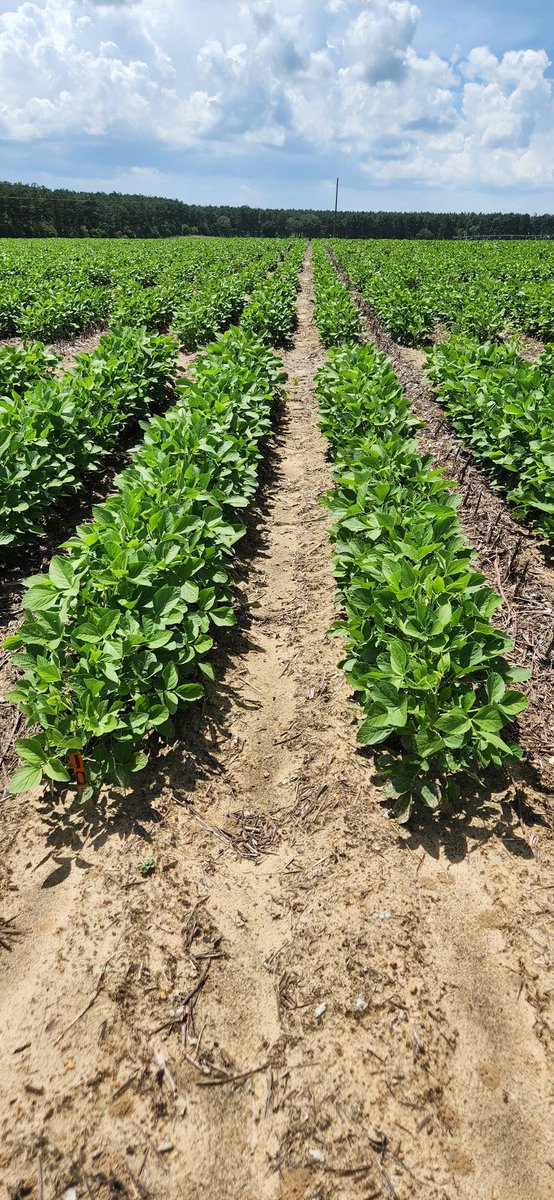
Year 3 of a portion of graduate student Adam Whitfield's PhD research simulating defoliation injury to soybeans and refining treatment thresholds. No injury versus 100% defoliation at late vegetative stage. Yield loss on this early stage extreme defoliation?
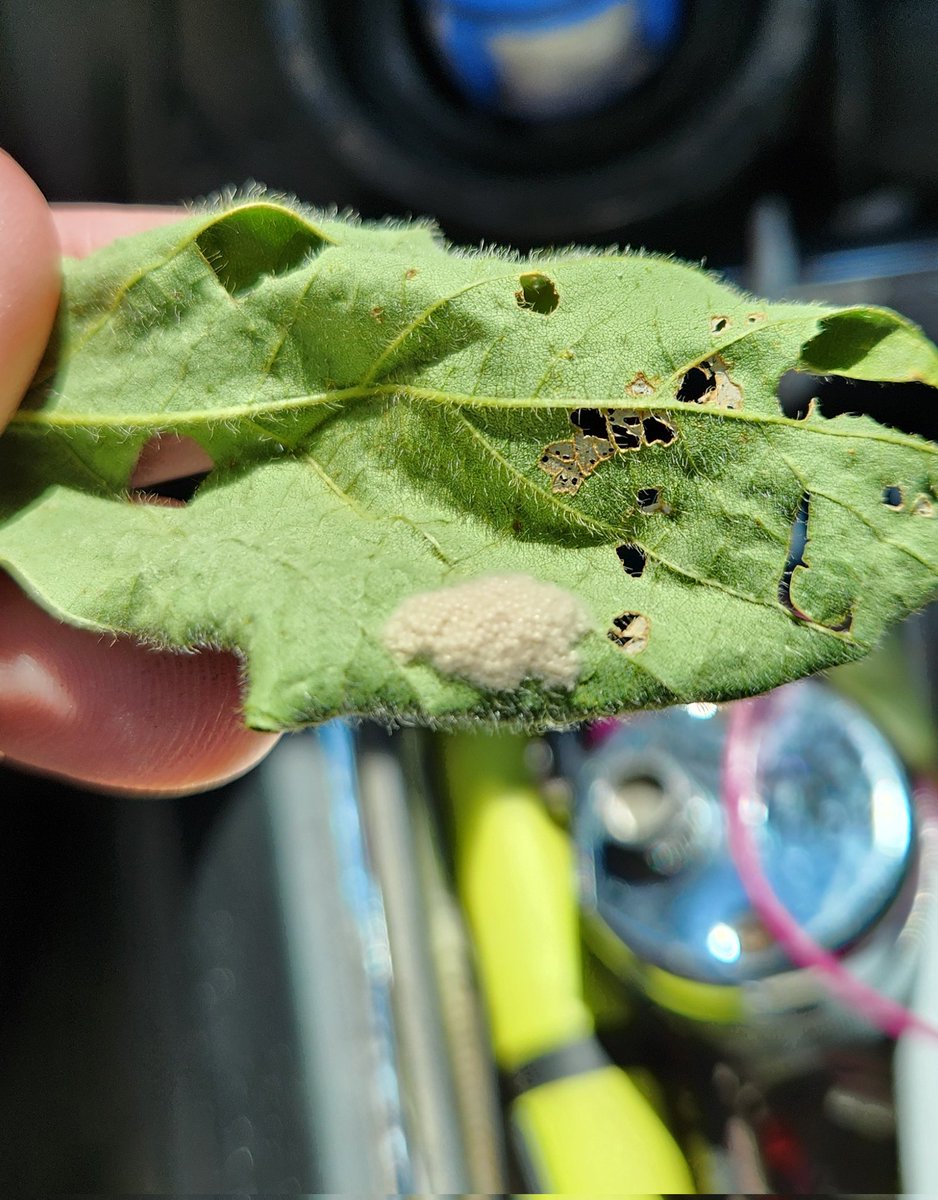
That's a good guess, but we have been seeing BAW in other local soybean fields, with FAW an issue mostly in grass. I didn't keep the mass to rear out, so it's a mystery! Just wondering if anyone could tell the difference. Thanks for guessing.
Can anyone guess the species that deposited this mass of eggs on a soybean leaf near Blackville, SC? BAW or FAW? We've had both species in our area lately.
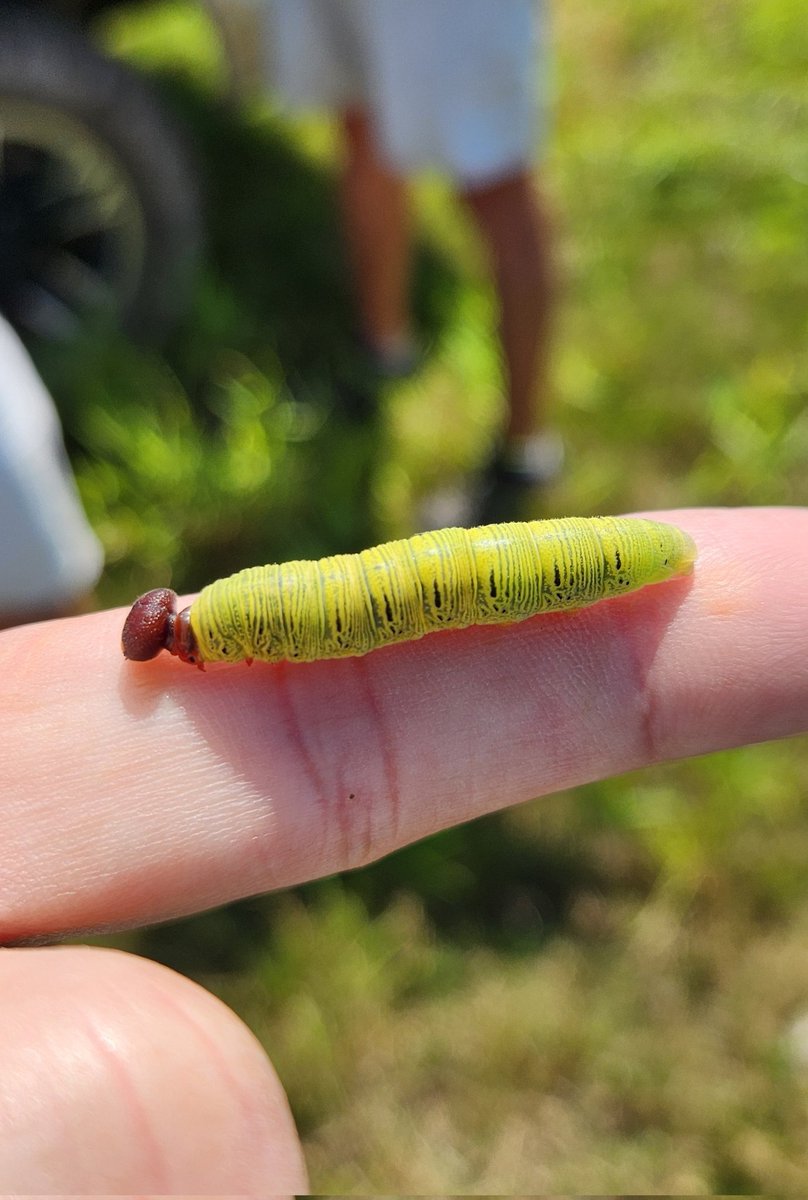
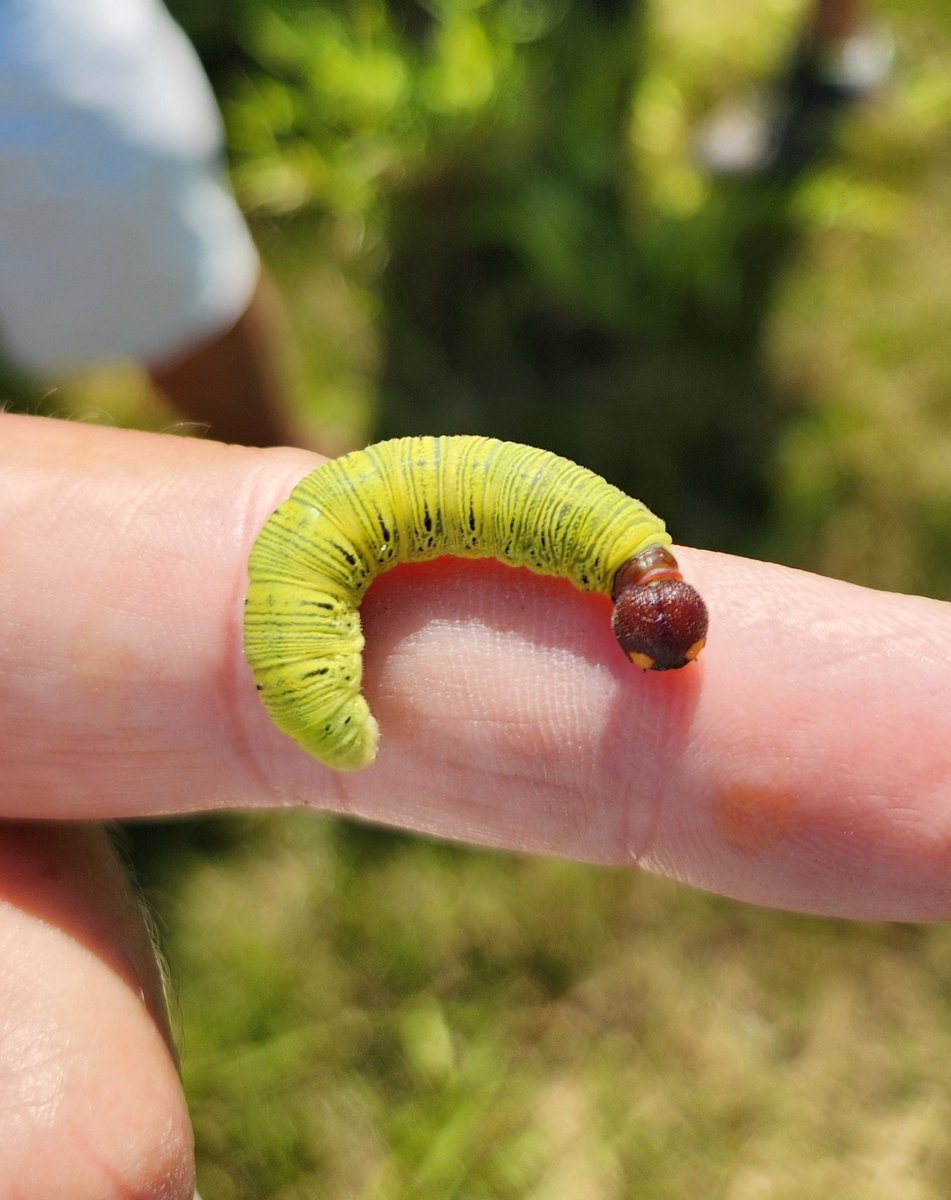
Larva of the silverspotted skipper is a favorite of the "Bug Crew" every year. We never see large numbers of this defoliator, so the rare specimen gets a photoshoot.
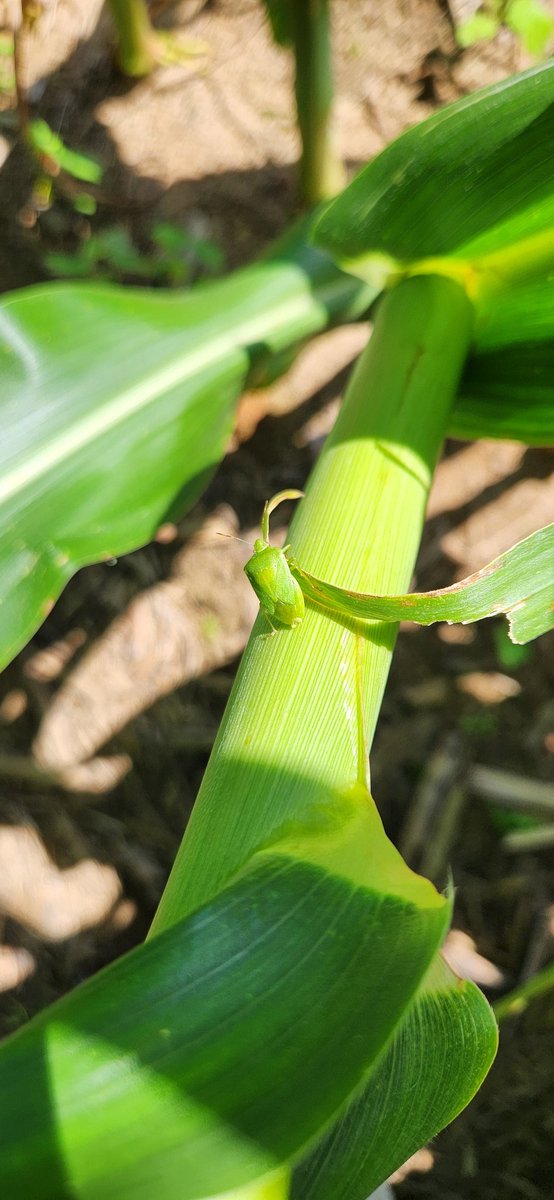
In honor of "stink bug" month (August) and break dancing at the Olympics, we (the bug crew) proudly present stink bug break dancing (aka a southern green stink bug trying to get back on its feet). No stink bugs were harmed in making this video (it was released). 😅
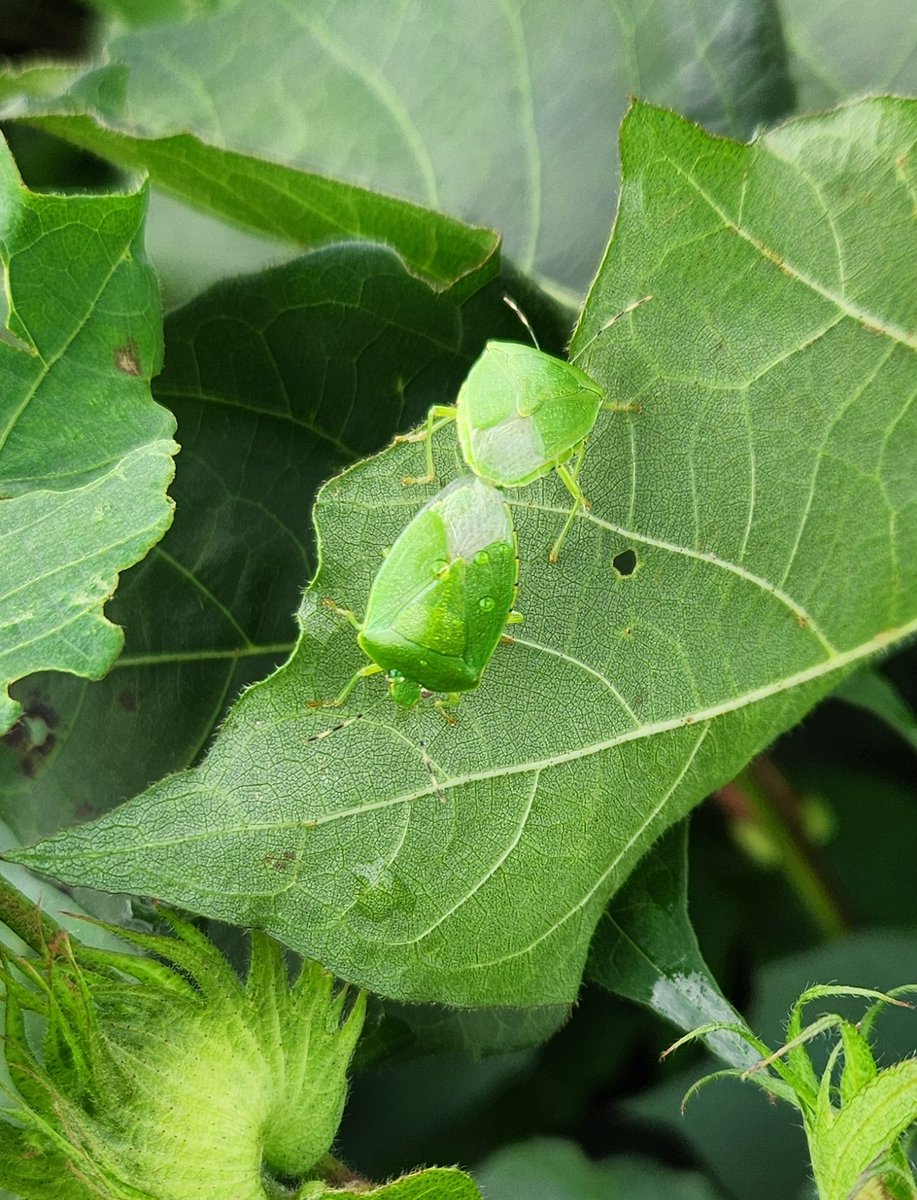
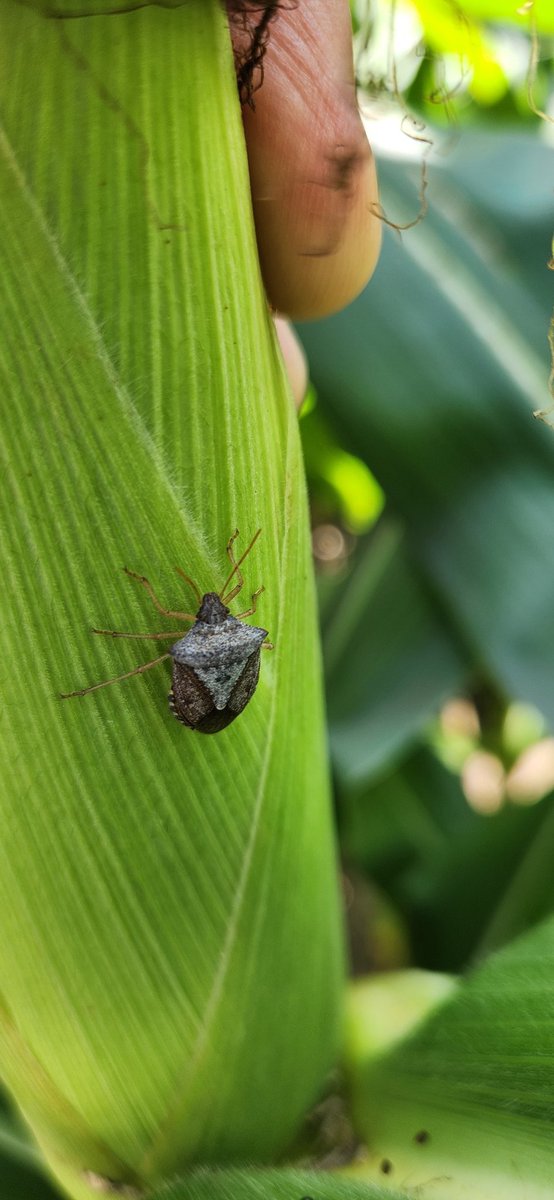
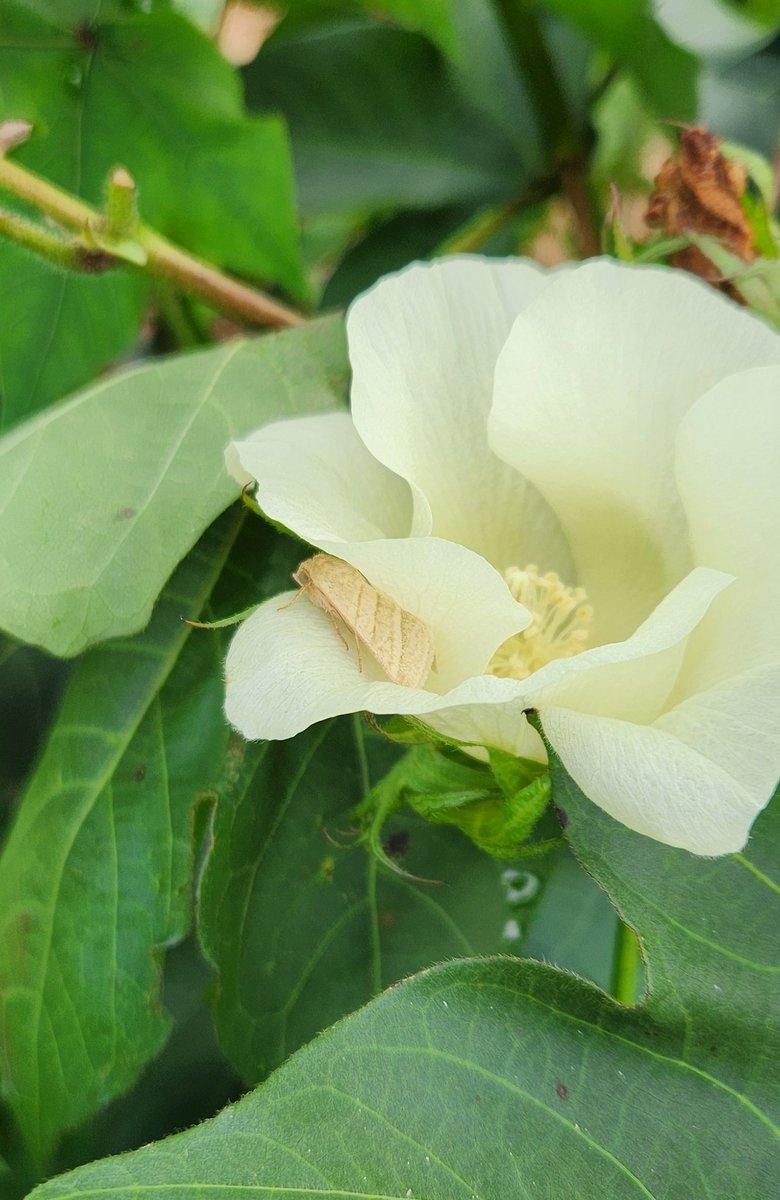
Easily observed mating green stink bugs and tobacco budworm (TBW) moths this morning in cotton. This was a patch of non-Bt cotton of mine, so TBW eggs and hatching larvae have a chance here. Any TBW in Bt cotton are doomed. Capture of TBW moths in traps increased this past week.