I’m very good at finding insects, in fact I’m a professional. Books on shieldbugs, wasps, ants, dung, limericks. Shout ‘weird bug!’ to get my attention.
Chrysolina oricalcia, nationally scarce but actually quite widespread, throughout England at least. Spreading I think. Always tricky to photograph a domed shiny dark blue beetle.
Fave fly of the day, Tachina fera, internal parasitoid of various moth caterpillars. Has a distinctive direct darting flight from one flower to another, unlike the slightly lazy looking side-to-side sizing up of many flies, bees and wasps.
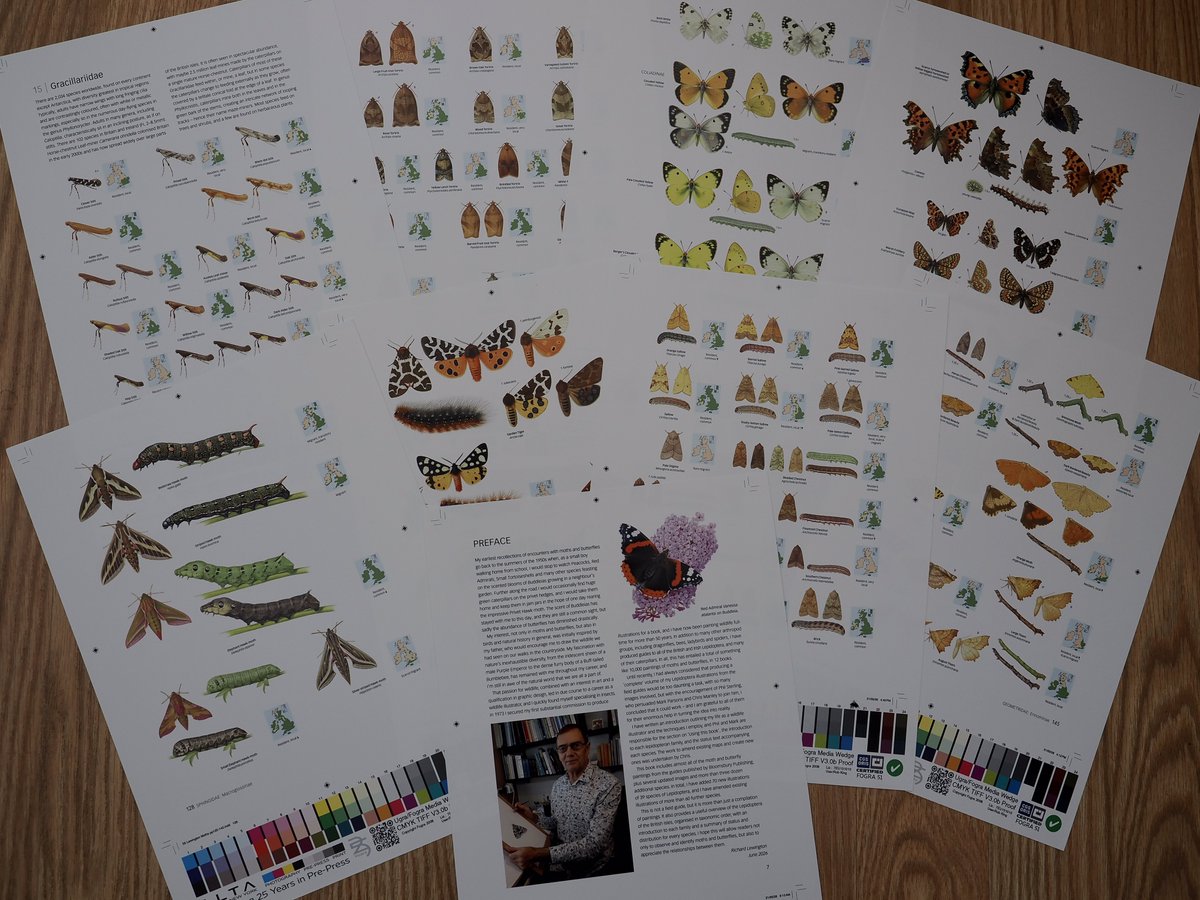
Proof prints have just arrived for what will probably be my swan song. 4,000+ illustrations of 2,000 species, edited with the greatest expertise by Phil Sterling & Mark Parsons. Proofs look fantastic, published 26 November 2026. https://t.co/97RFT03FF8
Just been sent photo of this lovely beast from Majorca. Timarcha balearica? Endemic to Balearics. Shinier and greener than T. tenebricosa large and T. goettingensis small we get in British Isles. Large was a childhood favourite of mine on the South Downs 55 years ago.
Gothic beast, mating pair Sicus ferrugineus, bee-grabber flies, internal parasitoids of bumblebees. Ovipositor is a tin-opener, used to pry open abdominal segments of the host to lay an egg inside. Grub eats bee alive from inside. Not all nature is cute and cuddly, folks.
I wasn’t able to catch the large male stag beetle Lucanus cervus which went flying past the end of the garden 15 minutes ago. But I was able to catch this lesser stag, Dorcus parallelipipedus flying over a few minutes later.
Finding a dead bee on a white flower is a sure sign that Misumena vatia, the pale crab spider is hiding underneath. You can just see her, one leg poking out.
@GrahamDenny9 Very local. Fens mostly apparently but this one in a brownfield site. Axinotarsus marginalis the usual little melyrid but I found extremely similar A. pulicarius a couple of years back so I now look very closely at everything.