Update: the 2025 Advancing Mass Spectrometry for Biophysics and Structural Biology conference will be held at Georgia Tech. The most current information will always be available on our website: https://t.co/Hvb7MveClU
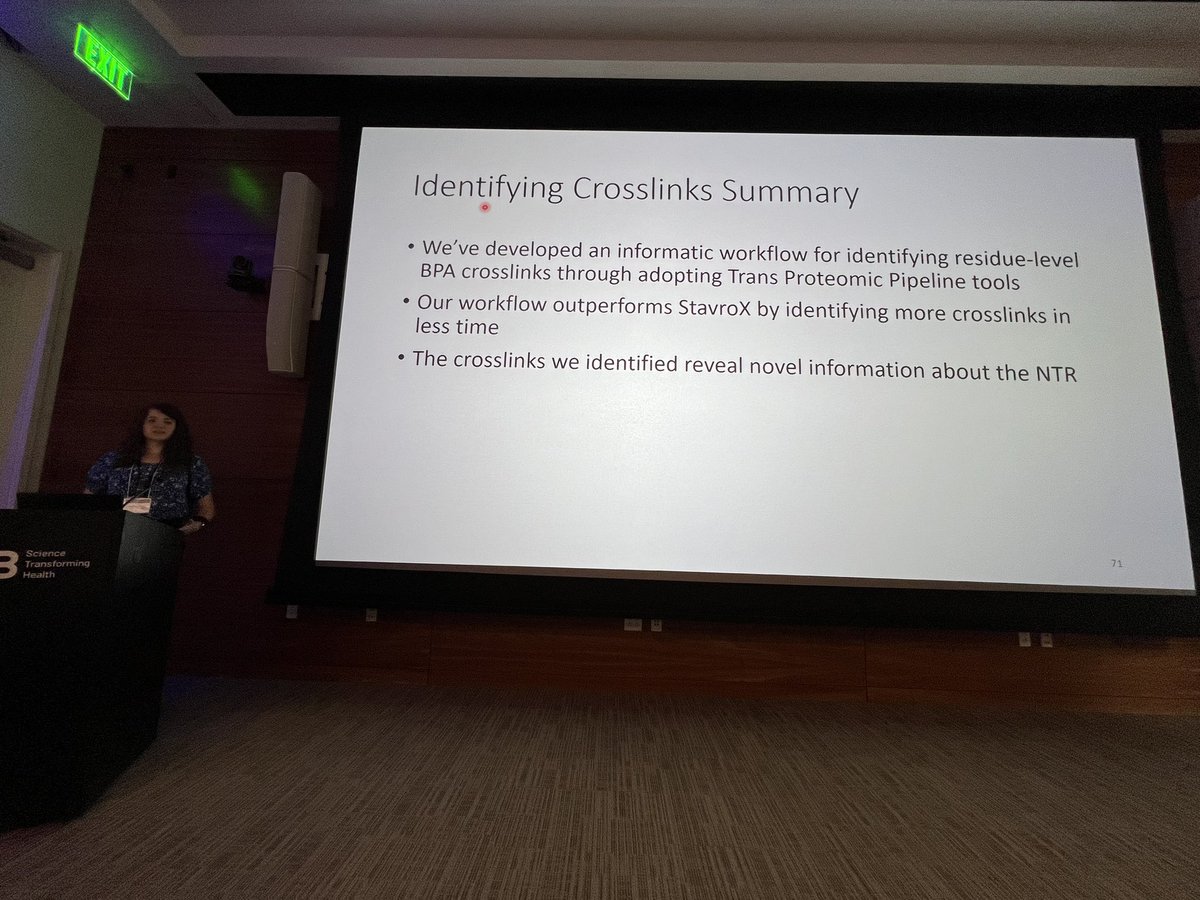
Day 2. Interesting talk by Lindsay Ulmer of the @bushresearch lab at UW given her take on increasing crosslinked PSMs using targeted DDA without inclusion lists increases the PSM count 8 fold #cascadiaproteomics
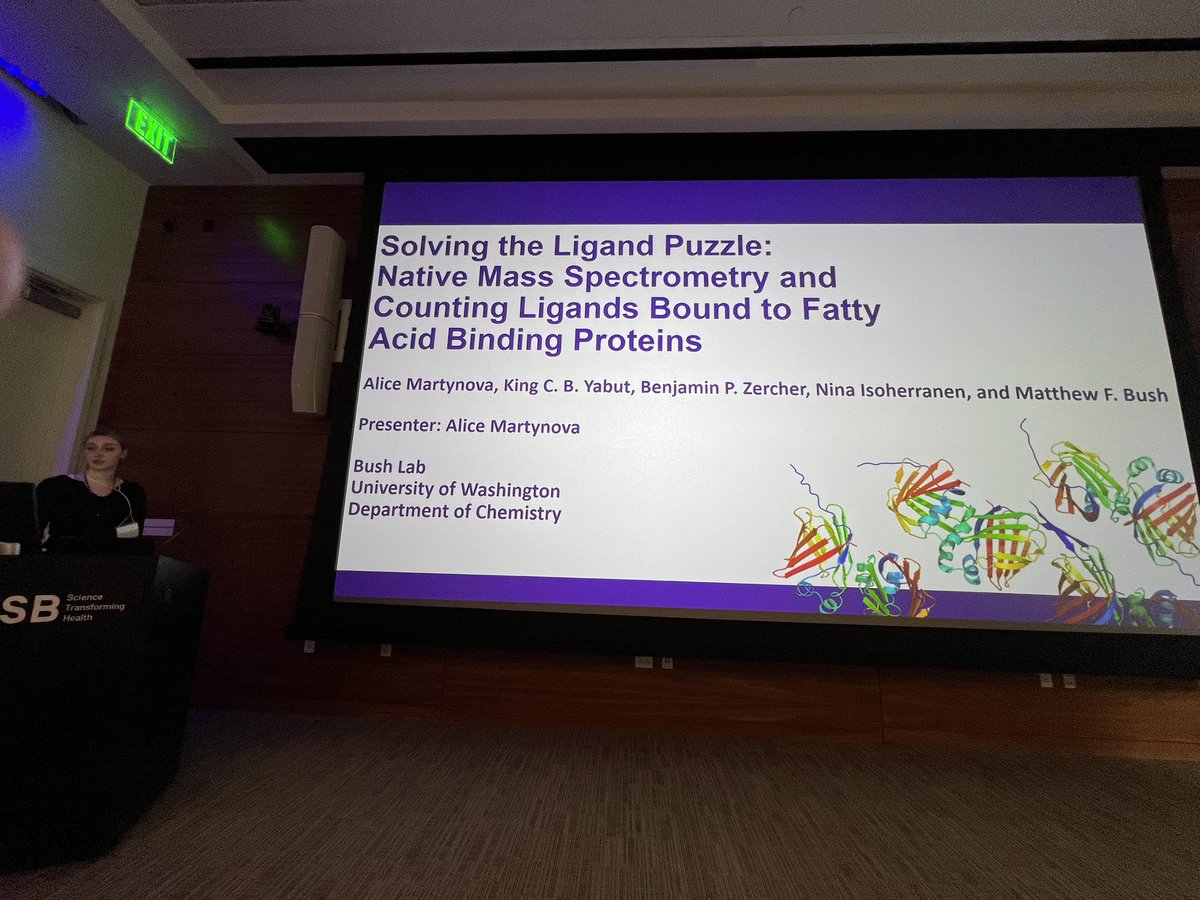
Great lightening talk by PhD candidate Alice Martynova @bushresearch on
Unraveling Polarity-Specific ESI Mechanisms for Native Mass Spectrometry and the contribution of salt to neg ion ESI of proteins
@JimPfaendtner I think a lot about tiers of data. E.g., I'm guessing that a lot of the 100 TB are results from simulations. I think that many of those results can be rm:ed, but I would try to retain the files that would be needed to regenerate those simulations.
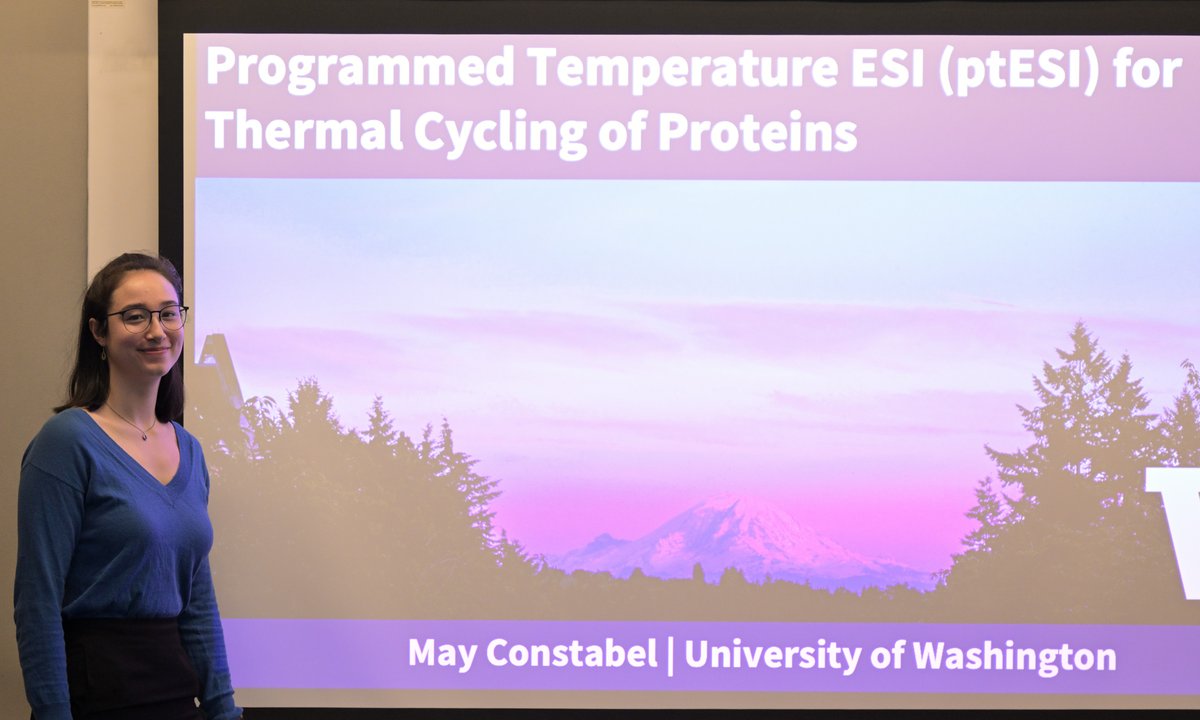
Congratulations to May Constabel, who successfully defended her master's thesis! We all wish May great success with the #MSLaserLab @anoukrijs https://t.co/W4JZSGaHzk
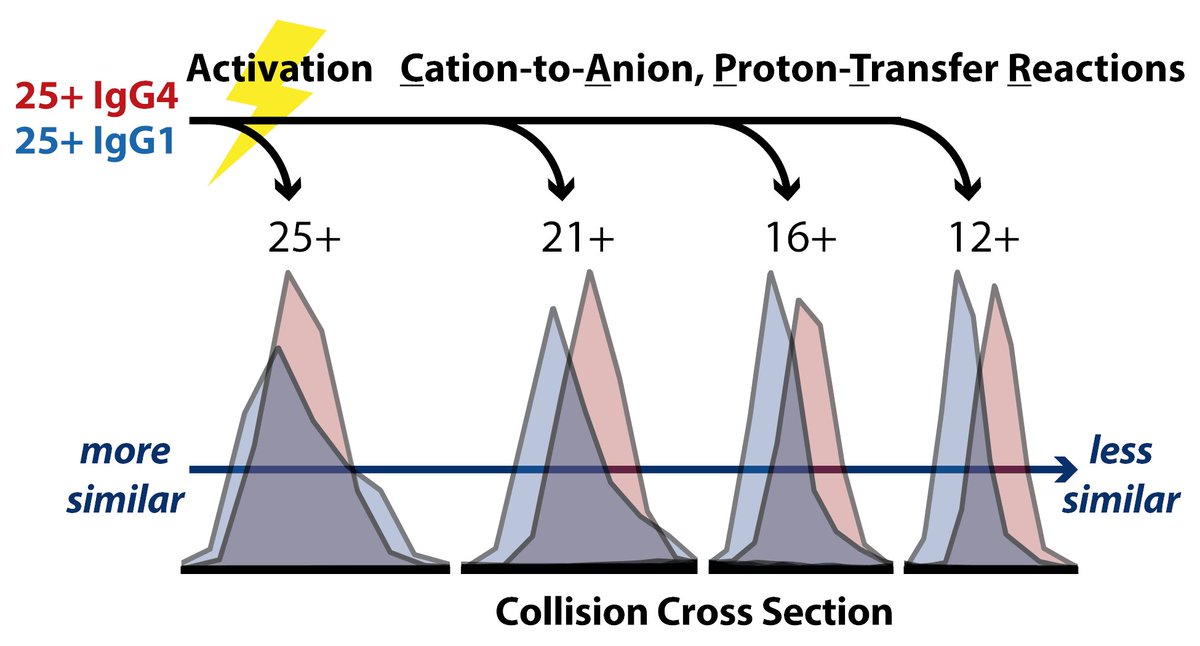
New Publication: Quantitatively Differentiating Antibodies Using Charge-State Manipulation, Collisional Activation, and Ion Mobility – Mass Spectrometry. https://t.co/Dk8PV9rixO
@byu_sam Data that addresses the suitability of the facilities for the approach, like measurements of temperature stability or vibrations, might be appropriate? I don't feel that it is appropriate to consider data in that section in the context of the hypotheses of the project.
@realvictoryin_ @hecklab @ChemicalScience Small heat shock proteins are another interesting example of how heterogeneity can result in peculiar looking native mass spectra. Here is an example from @BeneschResearch and coworkers, which includes a simulation-based approach for data interpretation. https://t.co/ofLedOegzz
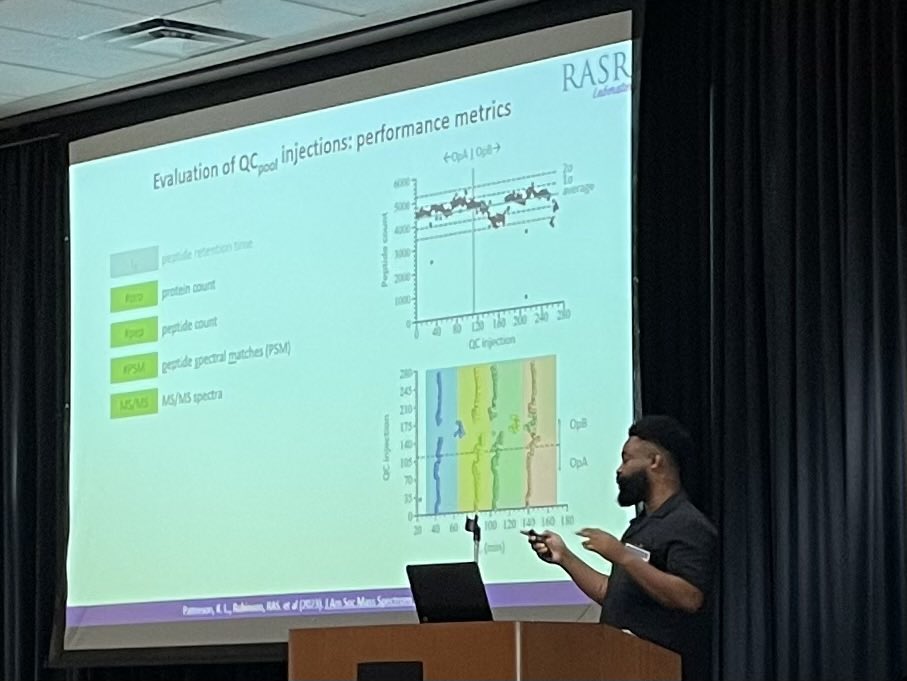
Despite the face melting heat in Austin, kudos to @BrodSquadUT for organizing a successful @AdvancingMass conference. Talks later today by @GarciaLabMS @NLKProteomics and others. Neat proteomics talk now by Khiry Patterson from @RenASRobinson1 group.
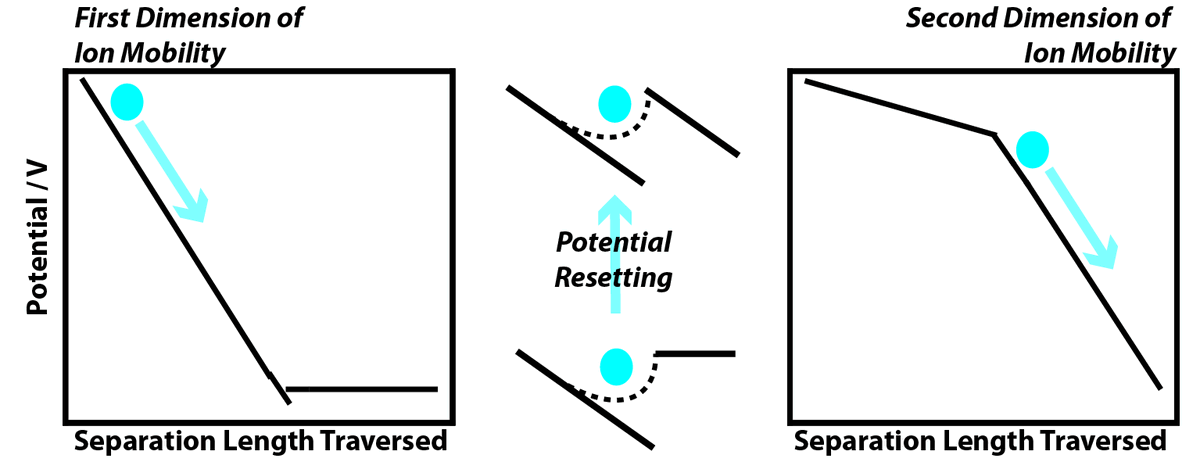
@GozzoTheresa from @bushresearch (BTW Bush research has a familiar Aussie ring about it doesn’t it @chrashwood?) tells #cascadiaproteomics how to make IgG1 and IgG4 to fly in ion mobility for biophysical characterization better than native MS.
PS sorry for the slight detour 😂
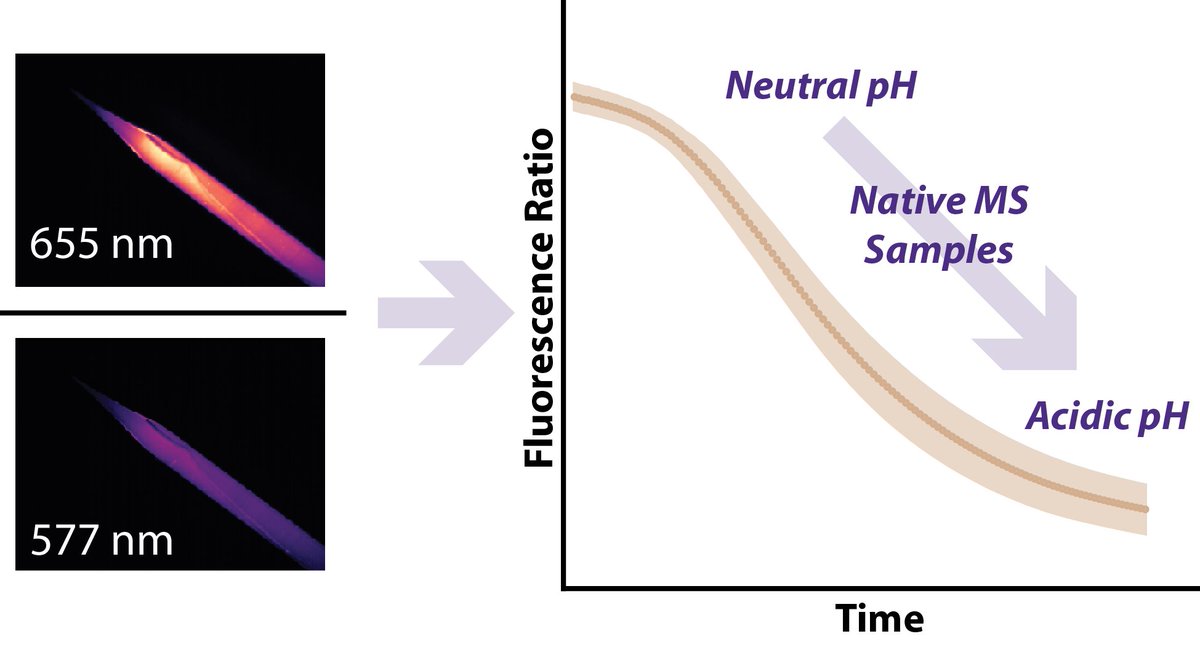
Native mass spectrometry studies often report initial pH, but is that the pH of samples during experiments? Using ratiometric fluorescence imaging, we find that sample pH can drift during experiments. #nativeMS https://t.co/8aVLeCabik