you won't cos it’s one of the most insane engineering feats on earth, an oil rig is basically a floating city + factory + fortress, built in stages...
what even makes it more mind-bending is that it’s built to survive hurricanes and decades of saltwater
a single mistake can cost billions or lives
it’s not just construction... it’s controlled chaos turned into structure 😂 totally normal to not get it , even we engineers still stand there like: yeah… humans really did this?
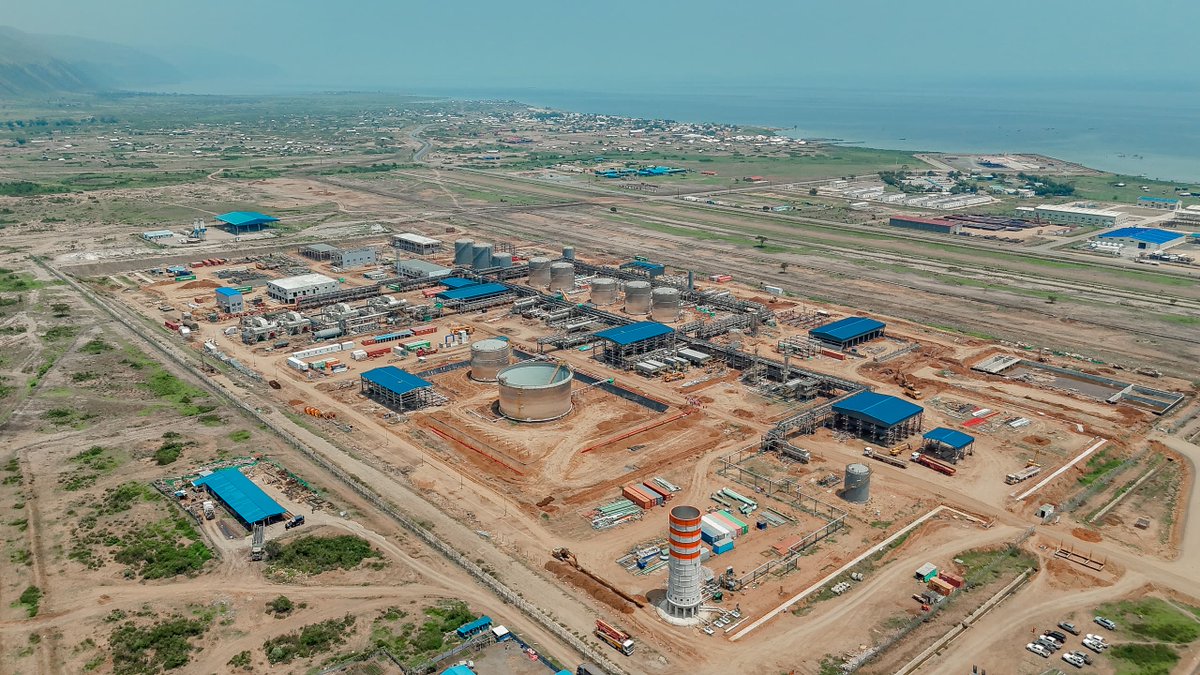
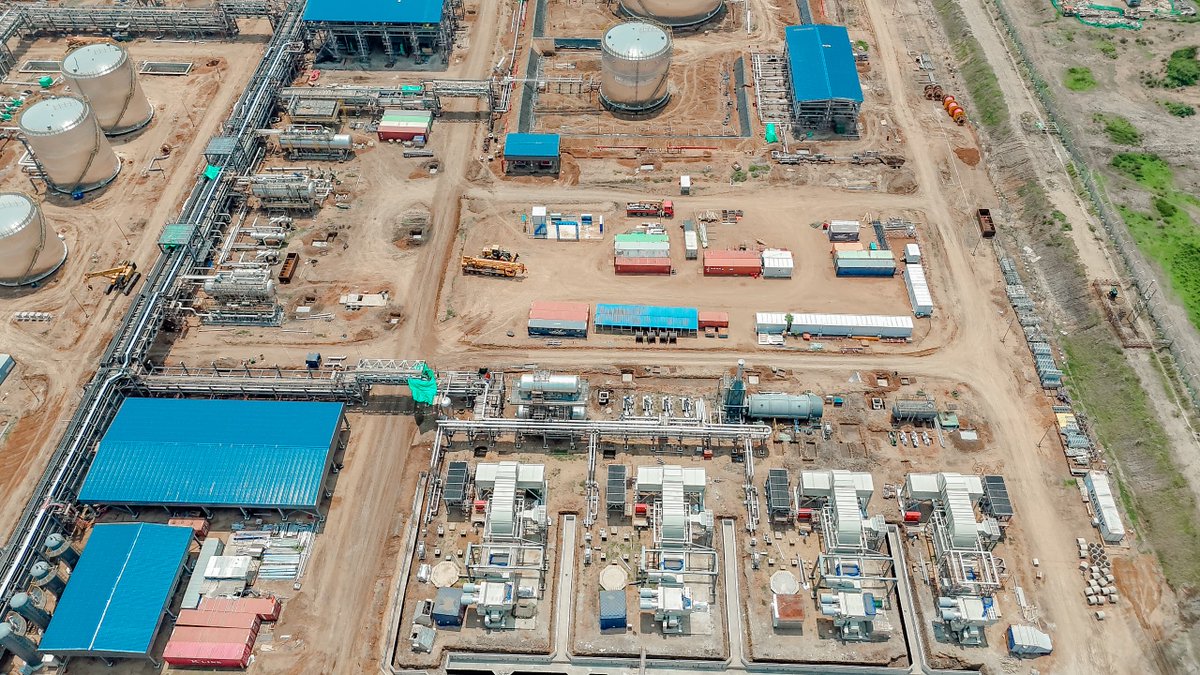
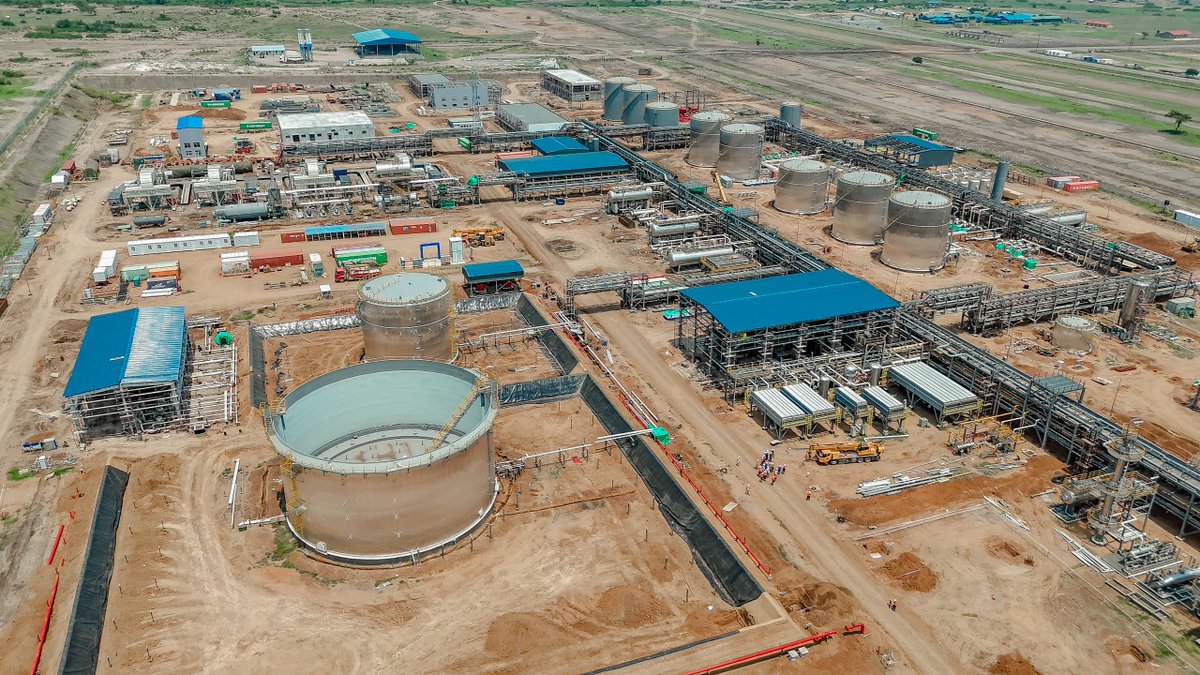
Ongoing works at a section of the Kingfisher Project central processing facility (CPF) in Buhuka, Kikuube District.
A CPF removes impurities from crude oil before it is exported or refined.
*Courtesy photos
#OurBiodiversityActions
Nature is not just beautiful, it’s essential. From the tiniest ants to the vast forests that breathe life into our planet, biodiversity supports everything we do. That’s why we’re stepping up to share how we’re actively protecting and conserving it in collaboration with the Authorities, conservationists and partners!
🌍 Here’s what to expect:
✅ In-depth insights into our conservation efforts
✅ Behind-the-scenes looks at our biodiversity initiatives
✅ Expert perspectives on biodiversity protection
✅ Opportunities for you to share your voice
💬 We want to hear from YOU!
👉 What do you know about our biodiversity initiatives, and what more would you like to learn?
📢 Join the conversation and engage with us using #ActingForSustainability.
💚 Ready to explore? Like, repost, or leave us a comment if you're with us!
Why Do Engineers Recommend Clay Bricks for Foundations? (Short Answer: We Don’t)
======
"Why do you engineers ask for clay bricks to be used in the foundation?" This was a good question by @JMukalazi following my note on why the debate on bricks and blocks is a distraction. https://t.co/ElrO1sBEjo
Most of us don’t. And if one does, he’s not offering structural advice. He’s channelling the spirits of superstition and short-cuts.
Here’s the thing. Both clay bricks and concrete blocks are vulnerable to rising damp — that part is true. The culprit is usually poor waterproofing or careless detailing by the contractor. But with clay bricks, rising damp is just the opening act. The real show begins inside the brick itself.
Ugandan clay bricks are made from swamp clay mixed with anything the swamp can offer — dead leaves, fibrous roots, worms, and generous helpings of excess water. When fired, the organic matter and moisture volatilize, leaving behind voids. And in these moist, mineral-rich cavities, acid-producing bacteria take up residence — comfortably housed in what I can only describe as metakaolin-lined micro-apartments.
These bacteria don’t just squat. They slowly release acids that eat away at plaster, causing it to flake, peel, and disintegrate. So, while both materials may suffer from moisture issues, only clay bricks turn that moisture into an ecosystem of decay. If your wall starts shedding plaster like it’s allergic to cement, chances are you're looking at a clay brick problem, not a weather forecast.
And we haven’t even talked about structure yet. Foundations demand materials that are dimensionally consistent, dense, and chemically inert. Swamp bricks are the opposite: they shrink unpredictably, absorb water like gossip, and compromise structural longevity. Recommending them for foundations is not engineering, it is a ritual.
Yet, the myth persists. Clay bricks are “cheaper”, they say. But are they? They consume more cement, more mortar, more labour, and in time, more money in repairs and resale losses. Their rough finishes and structural inconsistency quietly erode the long-term value of your home.
So, no. Engineers worth their salt aren’t behind this. It’s usually a contractor’s shortcut, a fundi’s gospel, or a client’s nostalgic obsession. But buildings aren’t shrines to tradition. They’re systems of logic, performance, and adaptability.
Especially that we don't live in bricks. Bricks make walls, and for Uganda, most walls are 40-50% the same material that makes the concrete blocks, cement and sand. So, the brick argument works if we are a bacterium that is looking for a metakaolin lined warm nest to stay in for as long as King Nebuchadnezzar has been dead, not a house made of many other materials that will be expired in the next 50 years.
If your engineer recommends swamp bricks in your foundation, don’t ask for a structural report. Ask for his horoscope.
We invite you to watch our latest EACOP update video! This comprehensive overview covers key aspects of the #EACOP project, including the signing of the Host Government Agreements (HGA), its impact on communities, and the latest construction progress, among many other things!
#EACOPUpdates
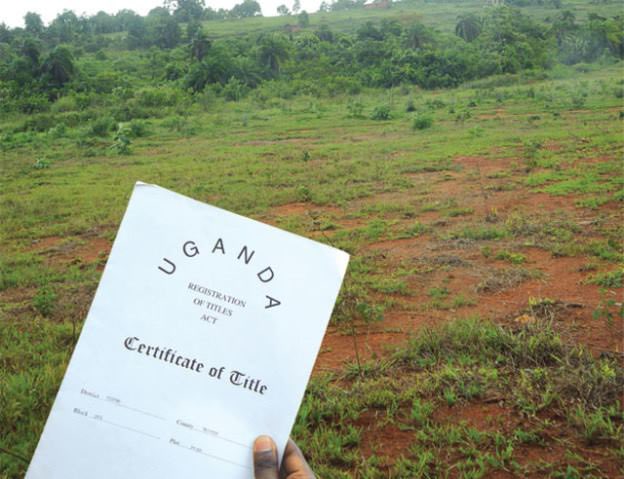
🚨 The recent court ruling allowing foreigners to own land in Uganda is correctly raising eyebrows! This shift from leasehold to outright ownership could have far-reaching implications for local communities and sovereignty.
The Constitution is clear: land belongs to citizens, and non-citizens can only acquire leases on land. This is a settled part of our land tenure system and is standard across many countries!
Is this decision in the best interest of Ugandans, or does it pave the way for potential exploitation? If this holds, watch multinational companies come and take up massive chunks of Uganda's land, making land ownership more expensive and out of reach for the youth who are reaching that age of starting a family.
Supreme Court should intervene and ensure our land remains a resource for future generations.
@Nabimara_paul A damp proof membrane at floor level combats this. Ideally the floor should also be at least 150mm above outside ground level to reduce splash back effect from rain.
Stung by accusations from his home nation’s government that he’s seeking a monopoly for his $20 billion oil refinery, Aliko Dangote said he’s dropped plans to build a huge steel mill in the country for fear of similar allegations 1/2
https://t.co/bCTgdp2DDd
Uganda should learn from Rwanda.
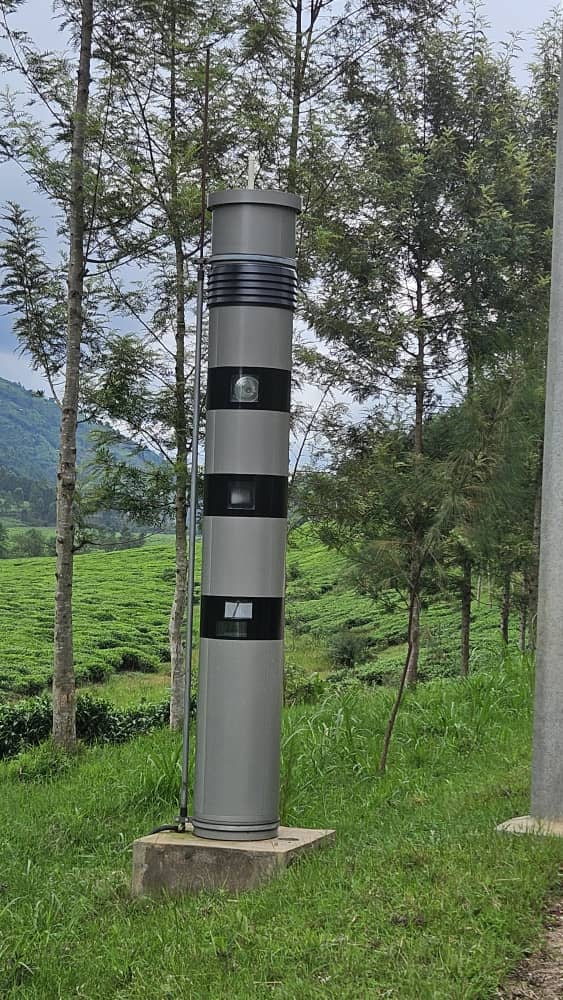
I drove from Kigali to Katuna & it took me 2hrs for a journey of 80KM. The speed limit on this high way is 60KM & every road user complys. There are cameras to monitor abuse of the traffic rules & thus no traffic officers on the roads 1/5