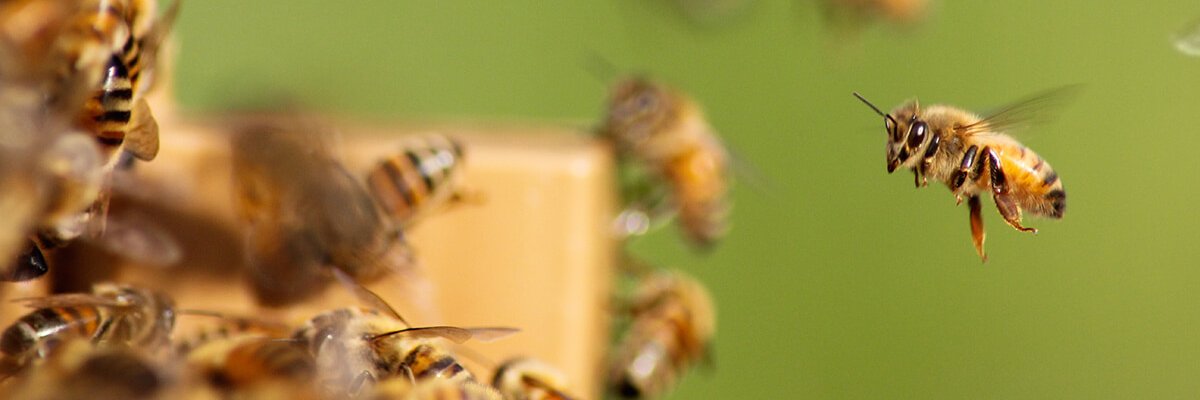
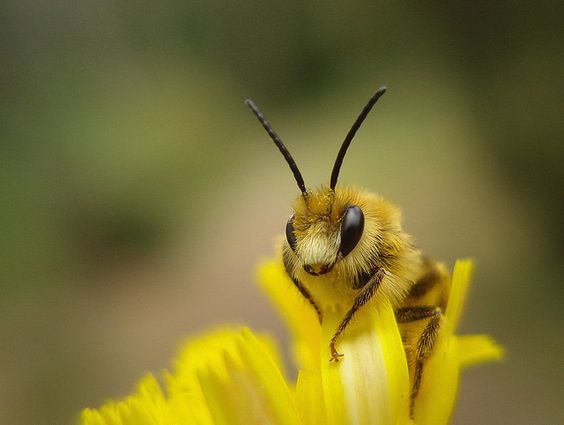
buzz buzz! Welcome to our page Buzz for the Bees! Thank you all for following us 😄🐝 We can't wait to begin advocating and educating with you all. So stick around and "bee" ready for some buzz from us!
#beethechange#buzzforthebees#bees
Photo Creds: https://t.co/pCsKB1kdsB
Want to reduce your use of pesticides? Visit the website linked below to learn how you can help improve the health of bees within your own yard. #buzzforthebees#neonicotinoids
https://t.co/2AlKXTVu91
Research from Yale Scientific has found that 75% of honey is contaminated with pesticides, including neonicotinoids. Honeybees can't control their exposure to neonicotinoids, so we must take action to reduce neonicotinoids to protect bees and ourselves. 🌎
#neonicotinoids#bees
The environment has a huge impact on bee production! It’s so important that the plant bees collect pollen from can change the taste and even color of the pollen. Many unique kinds of honey include blueberry honey, tupelo honey, and sage honey. 🍯🌾
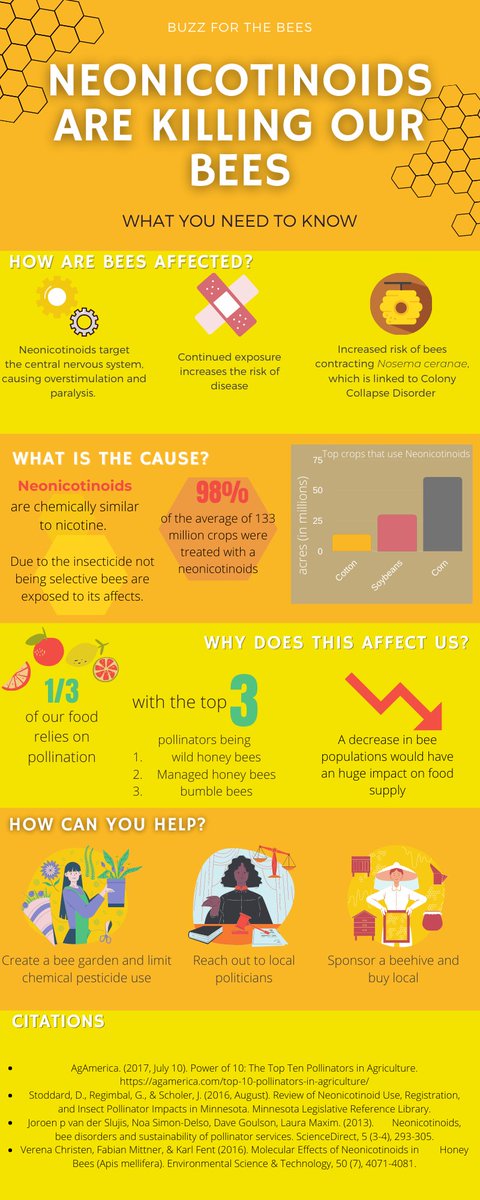
Colony Collapse Disorder is a serious issue that impacts bee colonies everywhere. Neonicotinoids have one of the biggest impacts leading to CCD🐝
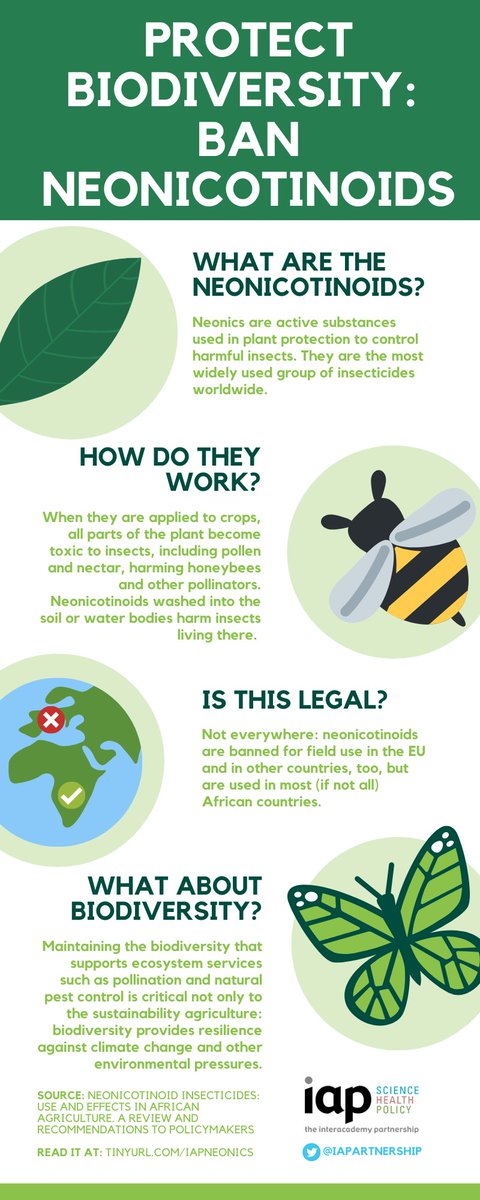
View this infographic and follow the link to learn about this troubling issue:
https://t.co/T3OeSCcpxV
Honey Bees are one of the most sensitive insects to insecticides. #Bees are exposed to at least 50 parts per million (ppm) of #neonicotinoids every 21 days. We need safer alternatives used on crops to save the bees!
Sign the petition to let the USDA know!
https://t.co/qVLIKlYEZL
Have you had your cup of #coffee this morning?
Without bees, the cup of coffee you drink every day would not be possible. So sip on your cup of joe and plan to thank a bee by doing your part! ☕️🌼
#buzzforthebees#bees
https://t.co/KGMb1f2U8y
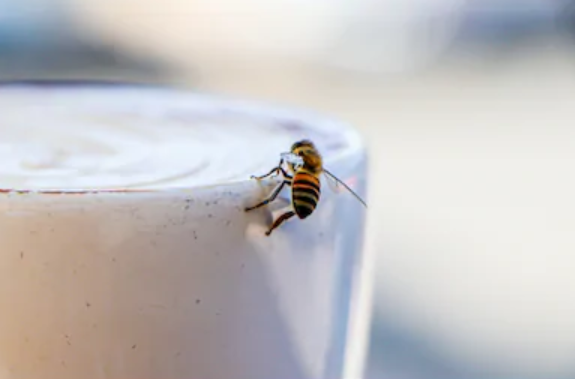
Creating bee-friendly gardens, bee baths (yes that's a thing!), and supporting local beekeepers are among the various ways you can help honey bees in your environment!
Find more ways you can do your part at https://t.co/KGMb1f2U8y
#local#beekeepers#buzzforthebees
Did you know? #Neonicotinoids are insecticides that combat crop pests. The chemical similarity the insecticides have to nicotine can cause paralysis in pests. Due to it being non-selective, this means even bees are impacted by the effects of neonicotinoids.
#savethebees