Much of the West’s religious heritage was shaped, directly or indirectly, by Indian thought transmitted through ancient trade networks.
From the 10th century BC, ships sailing from the Red Sea to India under the Hiram–Solomon maritime venture facilitated commercial exchange and intellectual and theological transmission. The Bhagavad Gita idea of the unity of the divine influenced the rise of Yahweh from minor deity to the main and eventually only Hebrew god.
Furthermore, Jain rejection of animal sacrifice influenced the decline of sacrificial practices across the Levant and eastern Mediterranean. Later, Buddhist ideas also traveled west. Under Chandragupta Maurya (c. 321–297 BC) and Ashoka (c. 268–233 BC), thousands of missionaries travelled the same trade routes. The doctrines they carried, asceticism, vegetarianism, the soul’s transmigration, reincarnation and pacifism, influenced far further.
These ideas resonated among Gnostics, Essenes, Manichaeans, Orphics, Pythagoreans, Druze and Neo-Platonists. The non-canonical Gospel of the Ebionites presents John the Baptist as a vegetarian, while parts in Genesis endorse plant-based sustenance.
Traditions surrounding Krishna and Indra include motifs later associated with Jesus: miraculous birth, celestial signs and wise men bearing gifts. Both Buddha and Jesus undergo wilderness fasts marked by temptation. Both advocate celibacy and renunciation of worldly wealth. In a Jataka, a Buddhist disciple walks on water. In another Buddha feeds 500 people with a piece of bread. Another resembles the prodigal son story.
Trinities within Vedic and later Hindu thought, Varuna–Mitra–Agni or Vaishnava–Shaiva–Krishna invite comparison with Christianity. Brahmanical substitution of rice cakes for human sacrifice parallels the Eucharist, where bread becomes Christ’s flesh. Brahmanical prohibitions against contact with raw flesh echoes in ritual restrictions imposed on Roman priests or flamens, probably derived from Brahmin. Krishna, Buddha and Christ were the result of virgin births. The word Christ is from Krishna or Krista. Indian ablution rituals spawned the idea of baptism, the idea of reincarnation became resurrection.
The Vedic “Om” became ‘Amen’. Devotion to Mary, mother of god, the Madonna is from Mata Nah, Our Mother, or the mother goddess. In Buddhist monasteries material gifts were linked to spiritual merit, copied by Christians. The idea of many divine manifestations emanating from a single ultimate reality resembles the hierarchical Christian God, Christ, the Holy Spirit, Mary, angels, saints, and martyrs. John1.1’s ‘In the beginning was the Word and the Word was with God and the Word was God’ was a Vedic mantra.
Accelerating Indian maritime trade unintentionally brought Indian ideas, albeit re-moulded in transmission, which in Christian form eventually replaced European pagan religions, which themselves were originally Indian-influenced from thousands of years earlier.
OMG! Indian philosophy contains radically different ideas about God, from materialist atheism to absolute monism.
Here are 15 different views from Indian philosophical traditions.
Working on these infographics was a great learning experience.
#IndianPhilosophyPosters
“If computer can do everything better than you - compose a poem, diagnose better than any doctor - then one asks what is man, what are you?”
J Krishnamurti asks a very important question that is super relevant in the context of #GPT 4. This is from 1981.
I was in the grocery store today and the man in front of me… his card kept declining. He had two kids with him and they were slowly putting their items back one by one. He kept whispering, “Daddy’s trying. I’m sorry.” Then the lady behind me tapped him and said, “Put everything back in the cart. All of it. Kids shouldn’t feel their parent’s stress.” She paid the whole bill and walked off like it was nothing—no bragging, no camera, no attention. Just pure humanity. People like that still exist and they deserve every blessing coming their way.
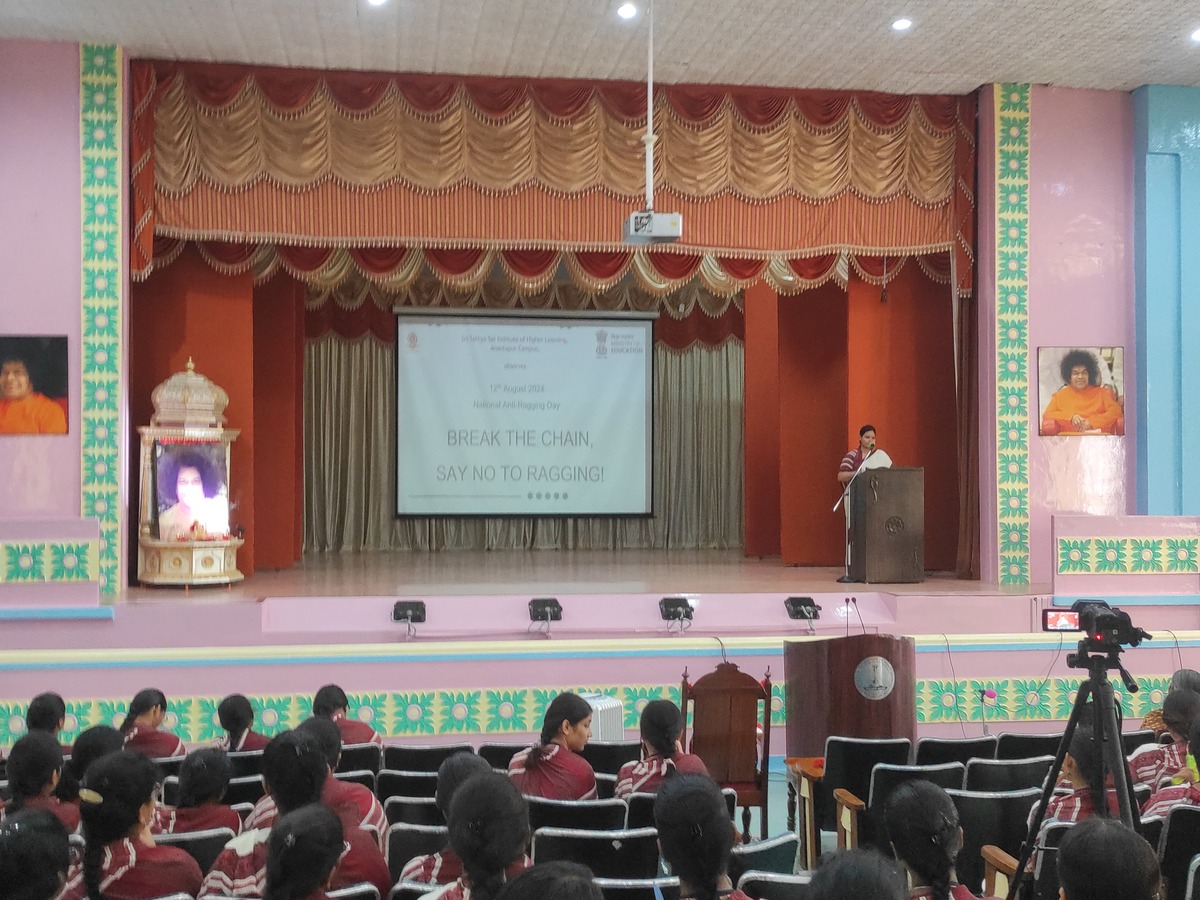
This is a bit funny to me because my college l had not even heard the word 'ragging.' When i joined my hostel, on my first day, my seniors carried our luggage to our rooms and explained things. It was and is a true brotherly bonding.
During #AntiRaggingWeek (12-18 Aug 2024), our campuses buzzed with activities that included logo making, digital poster design, sketching, slogan writing, inspiring talks, and a music program promoting brotherhood, love and unity.
#YaARIYouthAgainstRagging
@loulou_root@wynn_atwork@aditishekar Not really. Most Indians have never tasted the flavors of bland meat. And the ones who tried are appalled by it's flavors. At least i can confidently say so for myself.
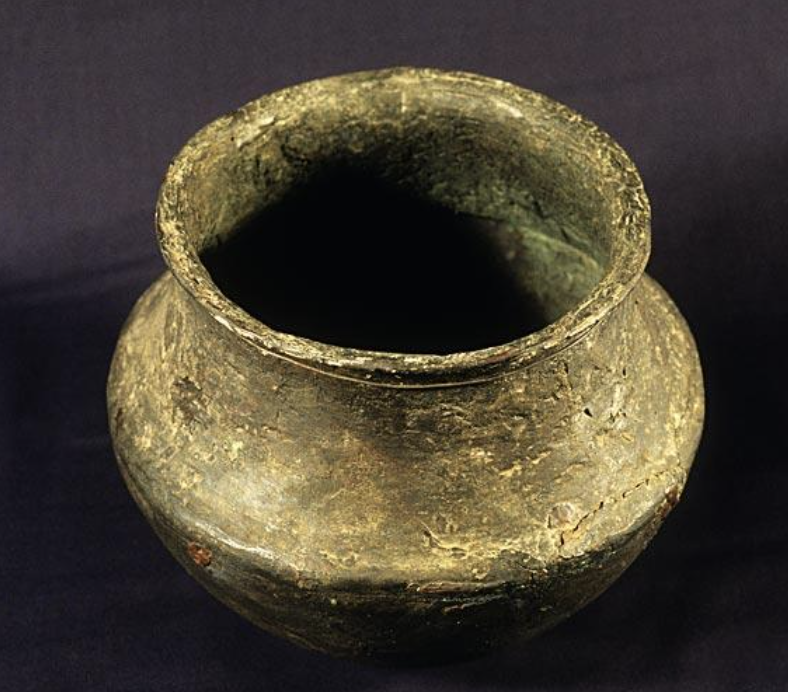
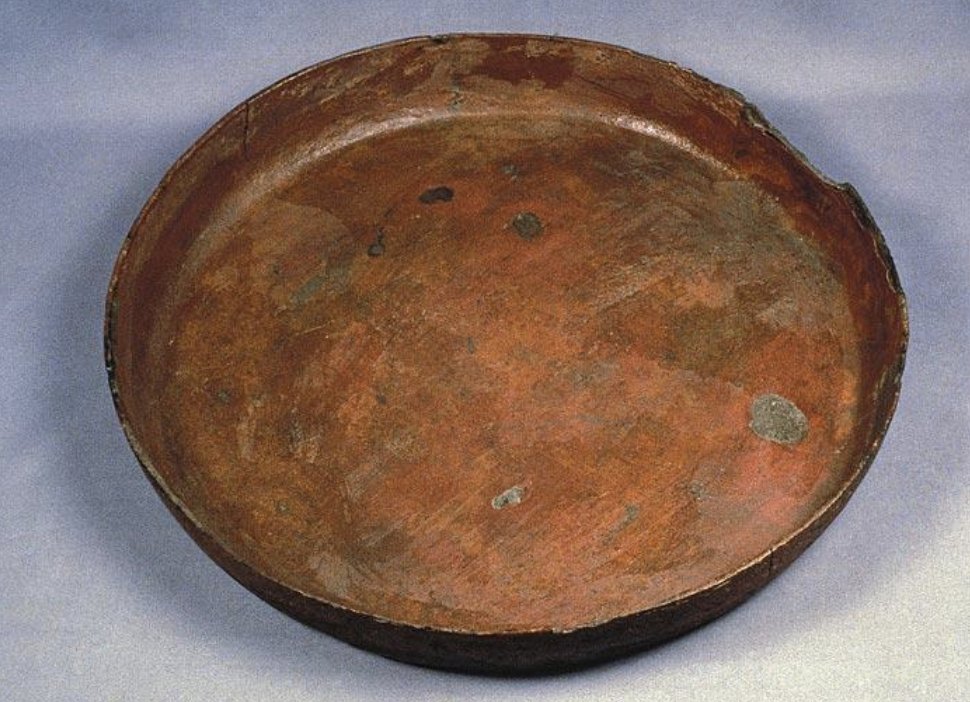
These vessels look like they could be from your grandmother's house but are actually from Indus valley. A cultural continuum uninterrupted for 5000+ yrs
@AkasaAir@AkasaAir
In a flight of 189 seats, you provide 32 free seats in webcheck in.
You are defeating the purpose of web check in and should provide an option to to skip seat selection. This is just to make money and is unacceptable
@JM_Scindia@Officejmscindia@MoCA_GoI
NS Ramnath bags Mumbai Press Club–NR Prakash Fellowship for Science & Technology-2022 for his proposal ‘The Elephant in India’s Fintech Room”. Ramnath is a senior writer with Founding Fuel. @rmnth will produce a long-form article on the subject as part of his 6-month fellowship.
Stange perspective. "My wealth is 500 times more than i need. But I am not greedy. Instead the world is full of envy."
We are driven by six things (as per hindu philosophy). #desire, #anger, #greed, #attachment, #pride, #envy.
So both greed and envy are right