Quick update on delivery timelines and fees, as some of our partners will be on break for the holidays.
We’re here to help out with whatever you need during this period & normal timelines will resume on Friday 💙
#FamasiCares
One high reading tells you very little. But a pattern of high readings over several days? That tells you something.
A 2019 study found that about 1 in 4 people who monitor their blood pressure at home feel some anxiety about it, so you're not alone, and it's completely normal.
You just need a simple routine to take the fear out of it.
It can spike to 160/100 in that moment, then drop back to normal once you calm down.
And while that spike is real, it's the worry causing it, not your heart. Here's how you break out of it:
The moment you focus on that monitor, your body releases stress hormones. Your heart speeds up, your blood vessels tighten, and the act of measuring itself spikes the reading.
Studies have found that the first reading can be 10 to 20 points higher than the readings that follow.
It's not that your blood pressure changed, you're just catching it in a nervous moment.
You check your blood pressure. The number looks high. You check again, and it's even higher. Stress kicks in, so you check a third time. Now it looks like something's wrong.
What you're feeling is the anxiety-blood pressure cycle. Here's how to break the pattern. But first, some context:
#KnowYourNumbers
Yesterday we launched Know Your Numbers with pharmacists in our network.
Blood pressure numbers feel like nothing, and that's exactly what makes them dangerous. A quick check at your local pharmacy is all it takes to know where you stand.
Learn how to Know Your Numbers at https://t.co/9criIPE3M9
At University College Hospital, Ibadan, a review of medical ward admissions found that 3.9% of patients were there because of a bad reaction to medication. And nearly two-thirds of those cases were preventable.
Here's how a medication turns into a hospital visit:
- buying antibiotics without a prescription and taking them for the wrong infection.
- doubling a BP dose because you missed one earlier.
- using painkillers daily until they tear through your stomach lining.
Every shortcut or guess introduces risks for your body to react to.
If the PCOS/PMOS conversation has validated how connected your symptoms are, the next step is to ensure you're asking the right questions.
Luckily, the Centre for Research Excellence in PCOS published an official question prompt list, built by doctors and patients together.
Here's the link to it: https://t.co/b4CIVPG0ly
For years, a woman could walk into a clinic with acne, hair thinning, irregular periods, weight gain, exhaustion, mood changes & fertility worries, then leave with separate explanations for EACH ONE.
She may be told:
- the acne is a skin problem
- the weight is a diet problem
- the exhaustion is stress
- the mood changes are hormones
- and the irregular periods are something to manage when she is ready to get pregnant
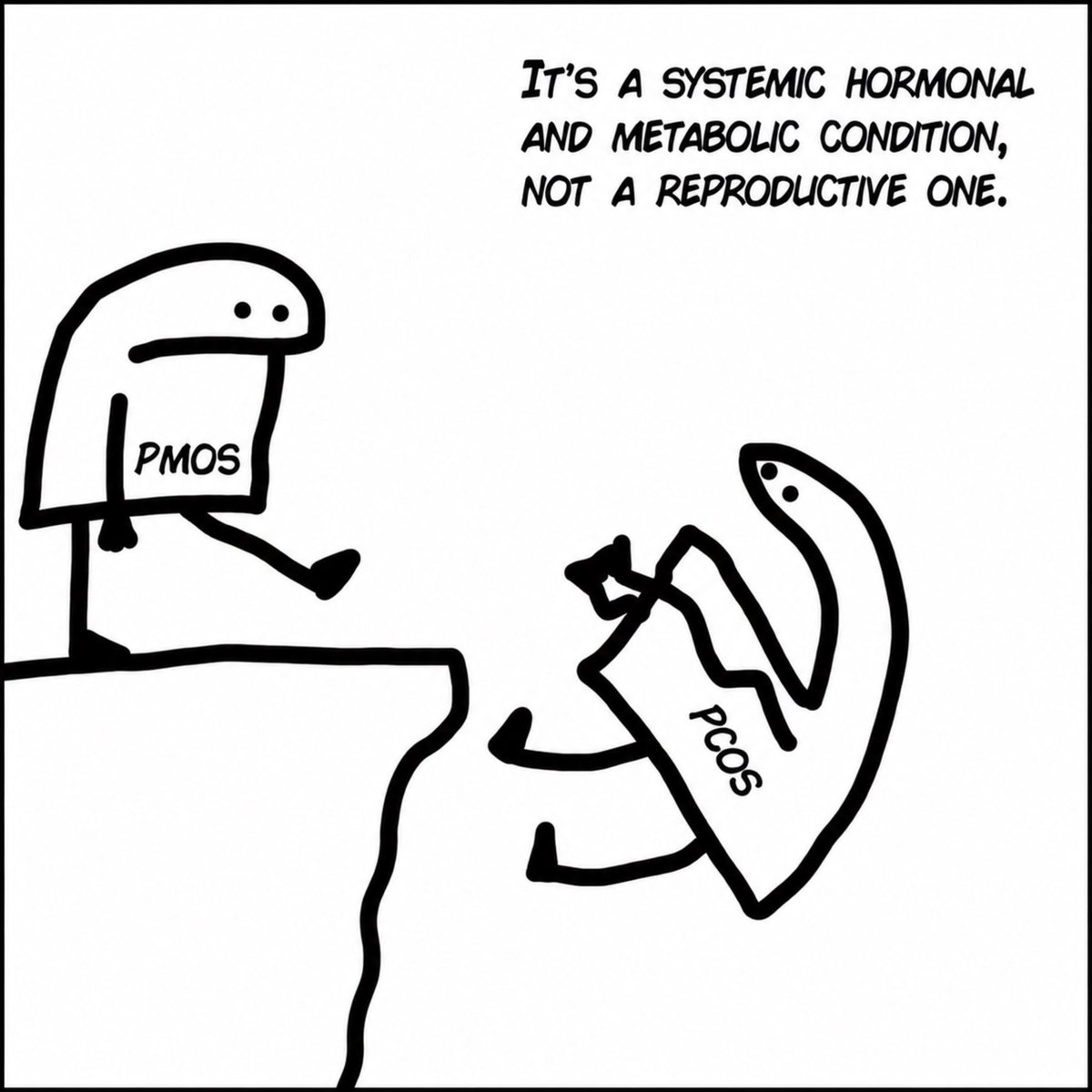
PCOS made many people look first at the ovaries, but the new Polyendocrine Metabolic Ovarian Syndrome (PMOS) reframe forces the conversation to include the hormone & metabolic systems that shape what’s happening across the body.
Polyendocrine means more than one hormone system is involved, and metabolic means blood sugar, insulin resistance, weight changes, cholesterol, and long-term diabetes risk belong in the conversation.
Finally, the ovaries are now just a part of the condition rather than wrongly being the whole story.
When a woman says her cycle, skin, weight, mood, energy, and hair are all changing, the answer should be a proper review of hormones, metabolism, blood sugar risk, mental health, reproductive health, and long-term monitoring.
May is World Hypertension month & we're building a directory of Cardiologists who would love to partner with us to serve customers at different hypertensive phases.
Please fill the form here with your details or help tag/share with a cardiologist.
https://t.co/eZX7LqlPKh
We’re building a smarter way for pharmacies to run procurement.
Dispensary already knows what’s low, expiring soon & what moves fast. Now, it can generate procurement lists, with smart suggestions from Fey & send to suppliers. Pharmacies spend up to 15 hours weekly on procurement, we’re giving them their time back while helping them grow.
https://t.co/JBh8rldPNe
There are actually existing researches that prove why this can happen. A few of them:
TL;DR: Sometimes the “breakthrough” isn’t the place itself, but the environment: more people talking to the child, playing with them, responding to them, and giving them more chances to communicate.
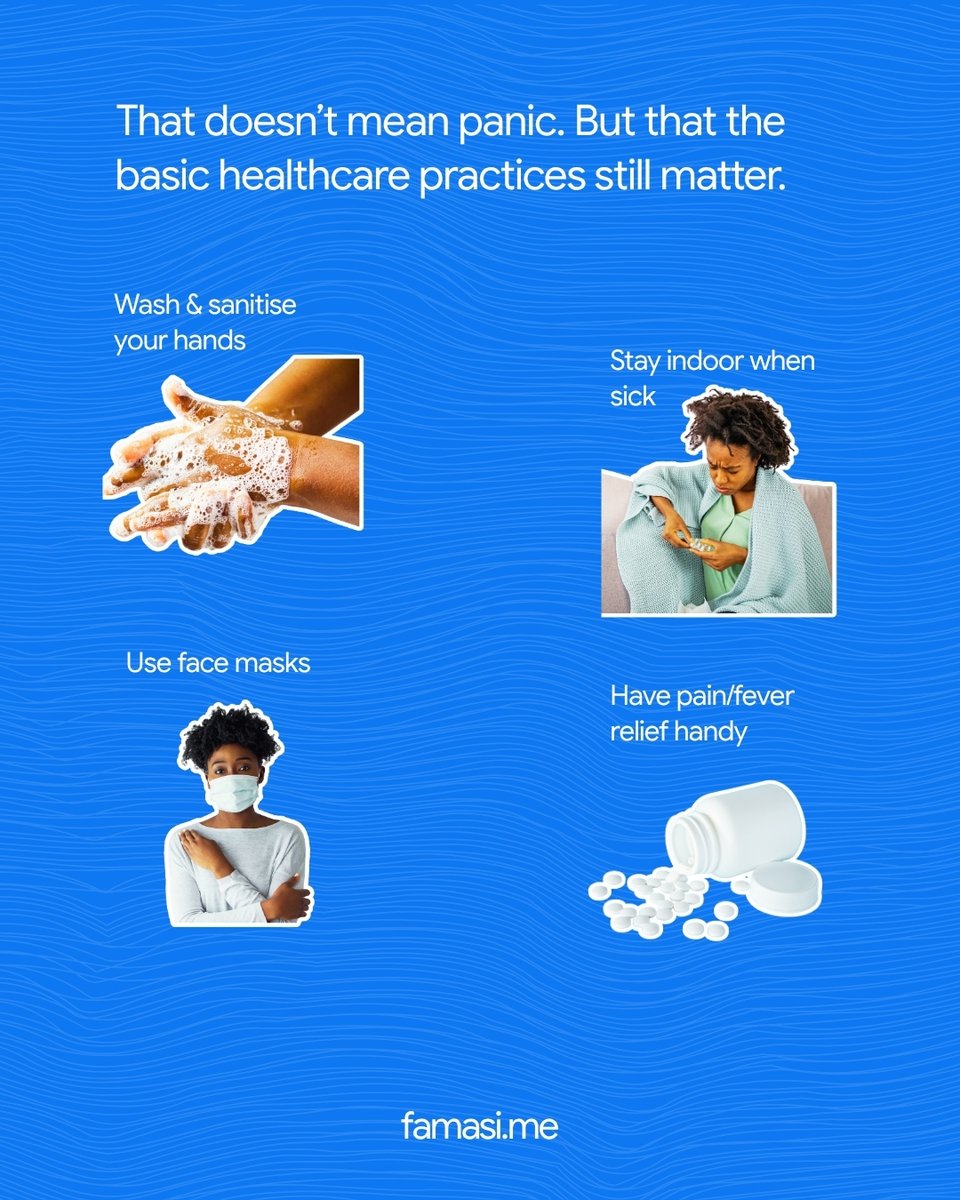
You don’t need to panic-buy anything. But you should check if your home has the basics: masks, hand sanitiser, a thermometer, ORS, fever relief, and any regular medication you use.
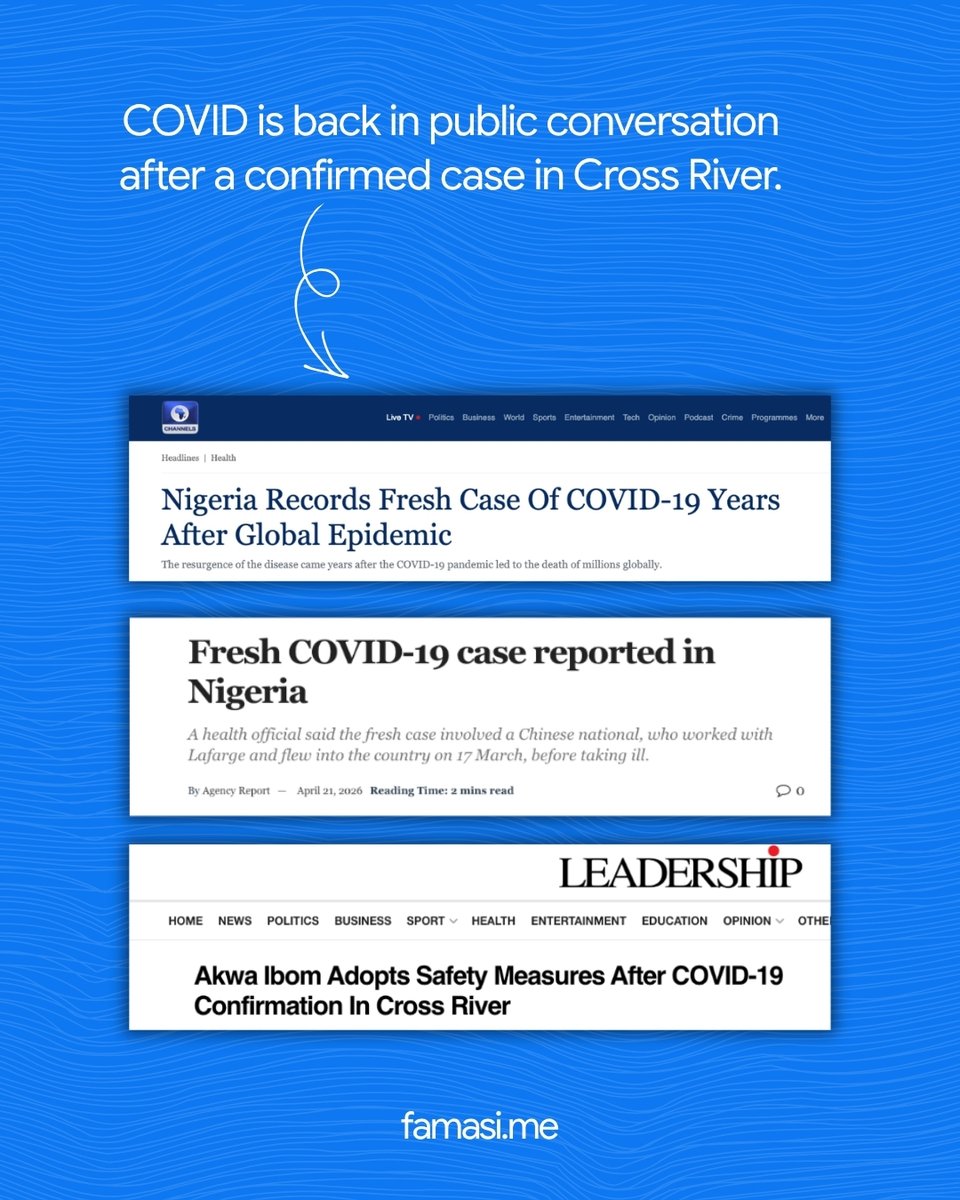
Recent reports have put COVID back in the conversation after a confirmed case in Cross River.
While widespread transmission has not been confirmed, it’s still a useful reminder to take simple precautions seriously.
Wash your hands, stay indoor when sick, use a mask when needed, and protect people who are more vulnerable.