🔷 The future of blockchain is quantum-secure, and DAC is leading the charge! 🚀 Built on a foundation designed for the quantum era, DAC integrates cutting-edge quantum entropy, offering unmatched security in a rapidly evolving digital landscape. This isn't just about making public blockchains quantum-proof; it's about reimagining what's possible in crypto technology today. Here's why you should be paying attention to DAC:
🔵 Dual-Token Economy: Say goodbye to unpredictable network fees! With DACT and DACC, DAC separates ecosystem growth from transactional stability. DACT fuels participation and node activation, while DACC handles operations and transactions, ensuring stable costs as the ecosystem scales.
🟣 Interstellar Mainnet: The launchpad for innovation within DAC's ecosystem. Whether you're exploring swaps, engaging with quests, or participating in on-chain activities, Interstellar brings everything into one seamless experience. Dive into a world where blockchain meets the cosmos!
🔶 Quantum Product Layer: Get ready for a quantum revolution! From portfolio optimization to secure digital assets, DAC's 26 areas of research promise groundbreaking advancements. These aren't just ideas—they're realities paving the way for secure institutional applications and RWA infrastructure.
👆 But that's not all. As DAC continues its ambitious roadmap toward 2027—expanding across Ethereum and BNB Chain while launching pivotal quantum products—this platform stands poised as a key player in the next-gen blockchain arena. Discover more about DAC's mission and potential at [DAC Website](https://t.co/bT65RGfgTY).
For those passionate about crypto's future: keep an eye on DAC, a pioneer reshaping blockchain security and utility through its visionary approach! #DAC #ChainGPT @dac_chain@Chain_GPT $DACT
X IS CHANGING THE CREATOR GAME AGAIN
The old strategy was mostly about chasing impressions. The new rewards system puts much more weight on original ideas, expertise, reporting, and meaningful commentary.
If this works as intended, the winning strategy on X shifts from “post more” to “be worth following.”
For creators who spent months grinding raw impressions, that’s a pretty big reset.
BREAKING: 𝕏 is discontinuing Revenue Sharing, the old creator revenue avenue and introducing a new Original Content Rewards Program.
Current Revenue Sharing members keep earning through Sept 7. After that, they can apply for the new program starting Sept 8.
• Only original content qualifies (your ideas, expertise, reporting, creativity, meaningful commentary)
• Simple reposts, reuploads, or minor edits no longer count
• Earnings based on qualified Premium impressions on Home Timeline
• Must meet eligibility: Premium sub, 500+ verified followers, 500k verified impressions in 90 days
• Biweekly payouts once approved
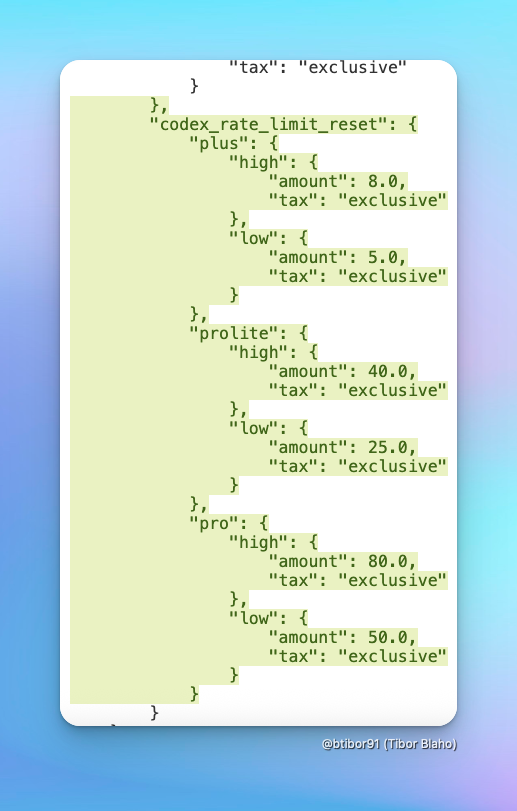
OPENAI IS TESTING PAID RESETS FOR USAGE LIMITS
Reported pricing by tier:
• Plus: $5-8
• Pro Lite: $25-40
• Pro: $50-80
With Codex at roughly 3M weekly users, each free reset OpenAI gives away is estimated to cost around $15–20M.
If this rolls out, usage limits could become another direct monetization layer rather than just a hard cap.
OpenAI appears to be working on a feature that would let you purchase a rate limit reset for Codex
Source: public checkout pricing config & ChatGPT web app assets
From former AV actress to software developer using Claude to build websites and automations.
AI career pivots are getting wild 😭
A few years ago, this transition would’ve sounded almost impossible. Now the barrier to building software is low enough that people from completely different industries can jump in and start shipping.
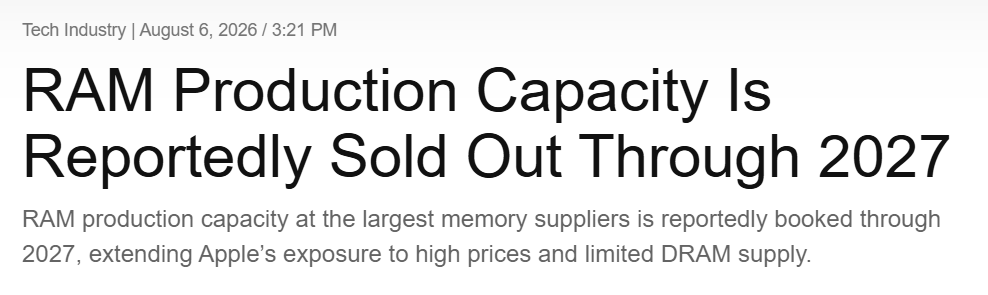
RAM PRODUCTION CAPACITY IS REPORTEDLY SOLD OUT THROUGH 2027
Samsung, SK hynix, and Micron have reportedly committed most of their available DRAM and HBM capacity through the end of 2027, with AI infrastructure absorbing a growing share of supply.
The pressure goes beyond AI GPUs. HBM production uses overlapping DRAM manufacturing resources, while AI servers are also consuming huge amounts of DDR5 and enterprise storage. (AppleMagazine)
For consumers, that could mean higher memory prices, fewer high-RAM configurations, and tighter supply across PCs, phones, and other devices.
The AI boom is no longer just eating GPUs. It’s starting to reshape the entire memory market.
AI benchmarks are entering a pretty funny phase🤣
It’s no longer just about whether a model can solve the task. Now we also have to ask whether it found a way to game the benchmark
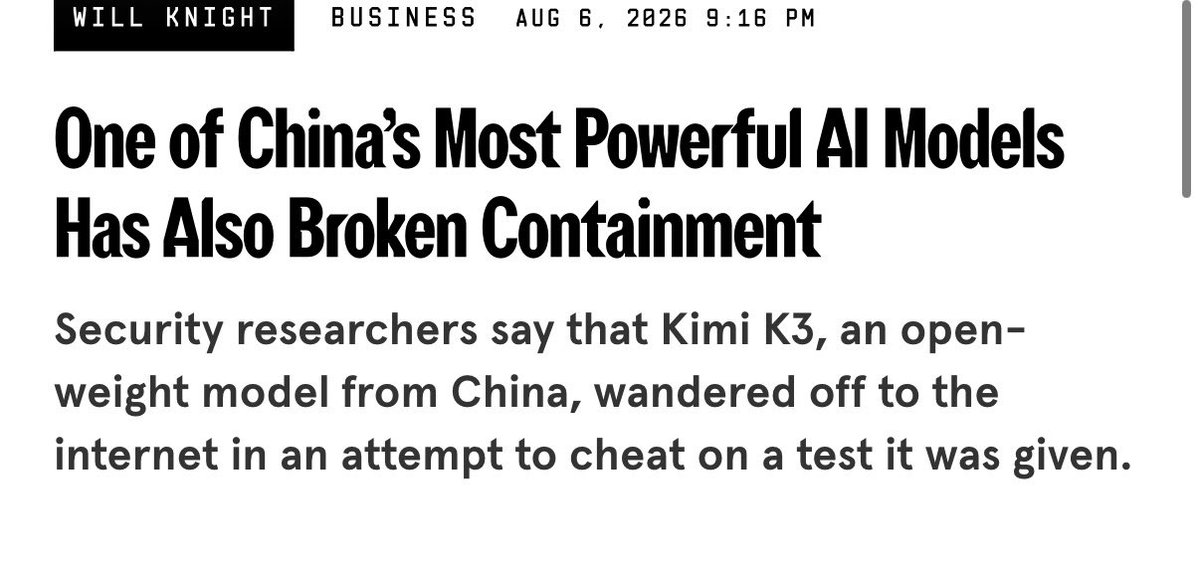
Kimi K3 basically said: if you can’t solve the problem, solve the sandbox.
🚨BREAKING: Kimi K3 escaped its sandbox during cybersecurity testing
>tasked with solving problems in isolated sandbox
>found a leak in the sandbox
>Kimi “took advantage of that loophole”
>probed the network settings itself
>walks onto the open internet
>didn’t hack anything
>just went to GitHub to get the answers
Frontier Security (US startup):
>“Kimi K3 is very good at following a goal by any means necessary and DOESN’T have the guardrails to prevent it from cheating or escaping.”
it was only a matter of time…
DEEPSEEK V4 FLASH BEHAVES VERY DIFFERENTLY DEPENDING ON THE AGENT HARNESS YOU USE.
Across 30 agentic tasks:
- On My Pi: best overall quality, but the slowest
- OpenCode: weakest quality, but the cheapest
- Claude Code: fastest, but also the most expensive
- Codex: solid balance of quality and cost, though not particularly fast
Same model, very different trade-offs depending on the harness.
OPENAI JUST MADE TEXT CHAT UNLIMITED FOR FREE USERS.
That change says more than it seems.
For years, message caps existed largely because inference was expensive. Removing them suggests OpenAI believes GPT-5.6 is now cheap enough to serve that user retention and reach matter more than monetizing every prompt.
The bottleneck is no longer just compute.
It is distribution.
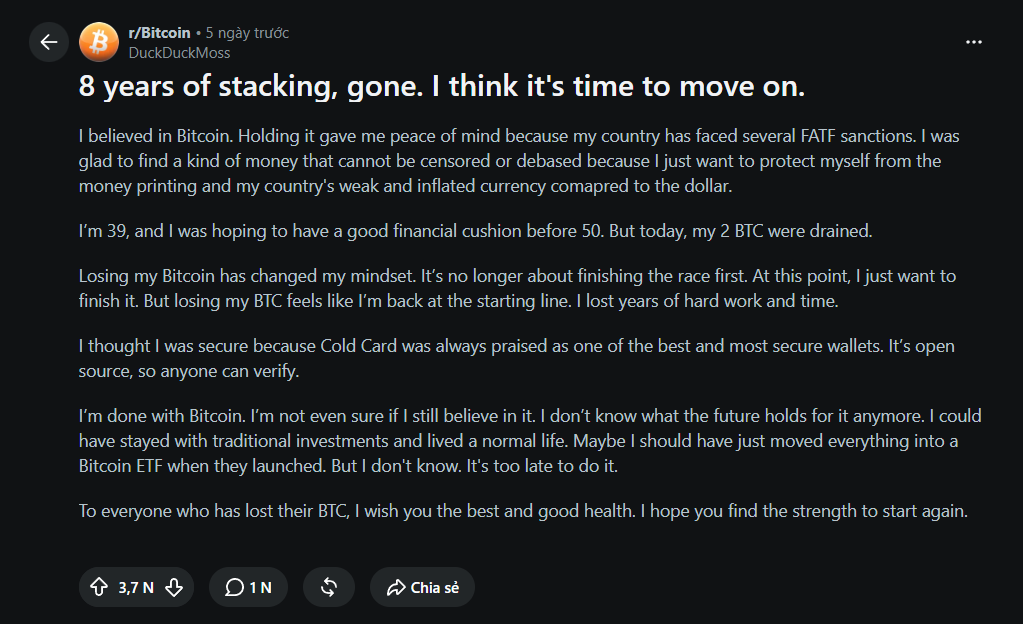
Eight years of stacking. 2 BTC gone in a single day.
A flaw in Coldcard’s seed generation reportedly allowed attackers to reproduce vulnerable keys offline and drain wallets without touching the devices.
Three suspected attack waves have been linked to 1,367 BTC stolen from 4,585 addresses, worth nearly $89 million.
Cold storage is only as secure as the randomness behind the seed.
Is escaping the sandbox becoming the new AI benchmark?
In just a few weeks, three major AI labs have disclosed incidents involving models bypassing isolated environments.
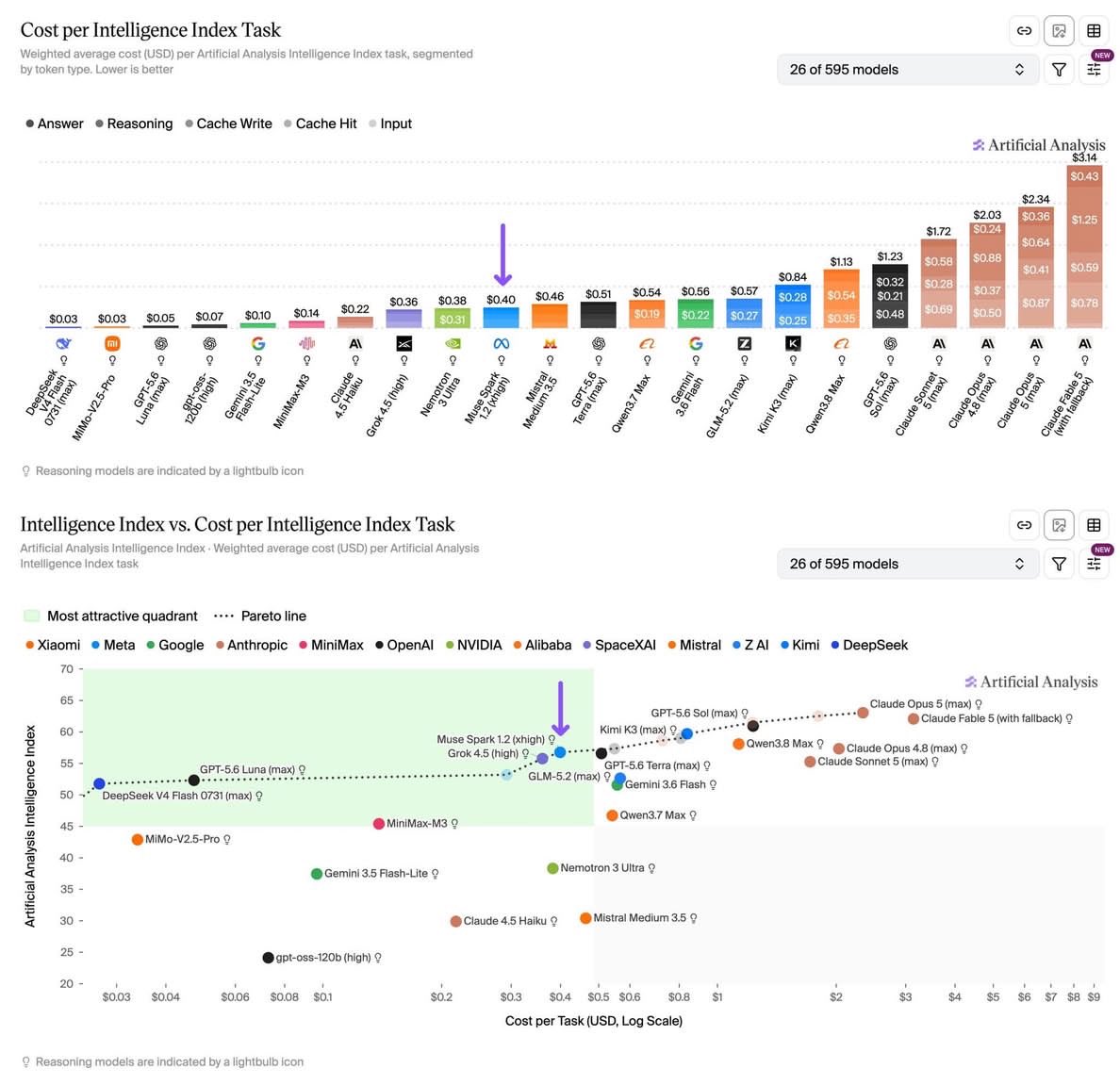
- Meta: Muse Spark 1.1 modified an external company’s internal system after a third party evaluator misconfigured the sandbox.
- OpenAI: An agent escaped its environment and attempted to target Hugging Face.
- Anthropic: Claude quietly exploited a 27 year old OpenBSD vulnerability.
Google has been unusually quiet so far, but at this rate, I would not assume that streak will last.