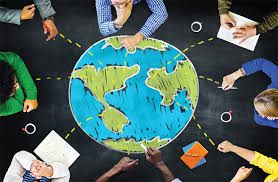
Great to see schools becoming involved within their local communities through the Take3 initiative. Students, parents and the community all can benefit from learning how to become more sustainable in everyday life. Would you use Take3 in everyday life activities? #UoNTeach
@Take3fortheSea would be an effective local community asset used in my unit. They have educational programs which inspire students to reduce plastic pollution and explains the benefits it has in both local and global communities. https://t.co/PToXY17fsA #UoNTeach
What a great resource thank you for sharing @Alarna03527852. A major focus of my unit is ensuring students learn how recycling/reusing plastics helps keep their local community healthy and safe. My favourite way to reuse plastic waste is using them in arts and crafts. #UoNTeach
I agree @c3259572! The character count ensures you have to get straight to the point of what information you are sharing in your tweets. I believe this is what makes twitter a great educational resource as you do not have to go searching for the meaning of a tweet. #UoNTeach
Before this assignment I would not have thought of using Twitter as an educational tool. I now agree with Carpenter & Krutka (2014) views on Twitter as a great tool for sharing and acquiring educational resources. Hashtags have been effective tool to engage with peers. #UoNTeach
21st century learners need to develop critical thinking and problem-solving skills. I will be implementing De Bono's Six Thinking Hats into my unit as it is an effective model to explore different styles of thinking in small group activities (Kivunja, 2015). #UoNTeach
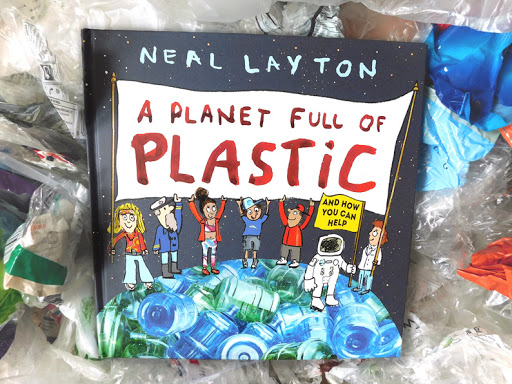
Thank you for sharing this great resource @brentontaylor92. I love how this book highlights the need for plastic as well as the impact it is having on our planet. #UoNTeach
A fantastic and informative children's book by Neal Layton. This addresses the need for plastic but the damages it causes if not disposed of properly. While we may use plastic in our everyday life, it is important to recycle and reuse this important resource properly. #UoNTeach
Amazing activity! Through comparing the size of your local area to the Great Pacific Garbage Patch it contextualise learning for students. For Sydney + Central Coast areas you would need approximately 123 A4 pieces of paper which is heartbreaking. Does this shock you? #UoNTeach
Children in Y5 learning about plastic pollution. 1 A4 piece of paper is the size of Derbyshire...the rest of the paper in the hall shows the size the Great Garbage Patch in the Pacific Ocean. 😱😱😱
@TheOceanCleanup website has great resources when researching about the Great Pacific Garbage Patch. This simple diagram would be effective in showing students the impact plastic is having on various animals and humans. #UoNTeach https://t.co/k0NfQkl6gS
If you have 5 minutes please participate in this survey! Managing plastic waste is everyone's responsibility and through expressing our opinions we can reform the communities views on how we use plastics. #bansingleuseplastics#UoNTeach
There are less than 100 hours left to have your say on whether NSW should phase out #singleuseplastics and the rest of the NSW #Plastic Plan.
Luckily, it only takes 5 minutes to do it.
Don't waste another minute and head to https://t.co/OHxFrHPYem
#sustainable#zeroplastic
Blueplanet (2020), highlights the major pollutants which enter the world's oceans annually. This is an effective resource to show the relationship different pollution types have on one another. Did any of these pollutant percentages surprise you? #UoNTeach
According to the plastic recycling National Report (2018), the national plastic recycling rate was 9.4%. Is the current labelling system working in Australia or do we need more informative designed labels to increase the recycling rate? #UoNTeach
Would "DO NOT" labels be more informative than education designed to reinforce positive #recycling or #disposal behavior? Washington, D.C. thinks so. via @Waste360 ://bit.ly/2nsBGIZ
If you’re teaching recycling in primary and need extra ideas I recommend looking at https://t.co/BeXZut1ue4 . Lessons aligned to the Australian Curriculum and highlight which 21st century skills students will use. Are there any resources you would use to teach recycling?#UoNTeach
Great teaching resource for the importance of our oceans! The use of Creative Arts effectively motivates students to learn and connect them to themselves, others and the world (Cutcher, 2014). Students can describe the significance of their poster to show understandings #UoNTeach
Have you entered the Seeds of Sustainability poster competition yet?
United Nations Association of Australia are inviting Australians to create a digital poster promoting healthy oceans ahead of World Oceans... https://t.co/kzBB55KCZC
Researching into water pollution forced me to reflect on the amount of plastic I discard and highlighted the need for students to become self-aware of their impact. Through education on maintaining our environment students become role models within their communities. #UoNTeach
WWF (2019) state that in Australia the average person uses 130KG of plastic with only 12% of that being recycled. I was shocked to learn 130,000 tonnes of plastic enters our waterways. The use of single use plastics is an important issue to be addressed in schools. #UoNTeach
ICT has been an effective tool to locate local community assets in order to contextualise students learning. Point Clare is situated on Brisbane Water which has a rich history in the oyster industry. Effects of water pollution is important to address in local schools #UoNTeach
Shulsky (2017), discuss the importance of global education in developing the skills and knowledge needed for participation in a global community. Sustainability explores global education as students develop holistic perspectives into how their actions impact others #UoNTeach
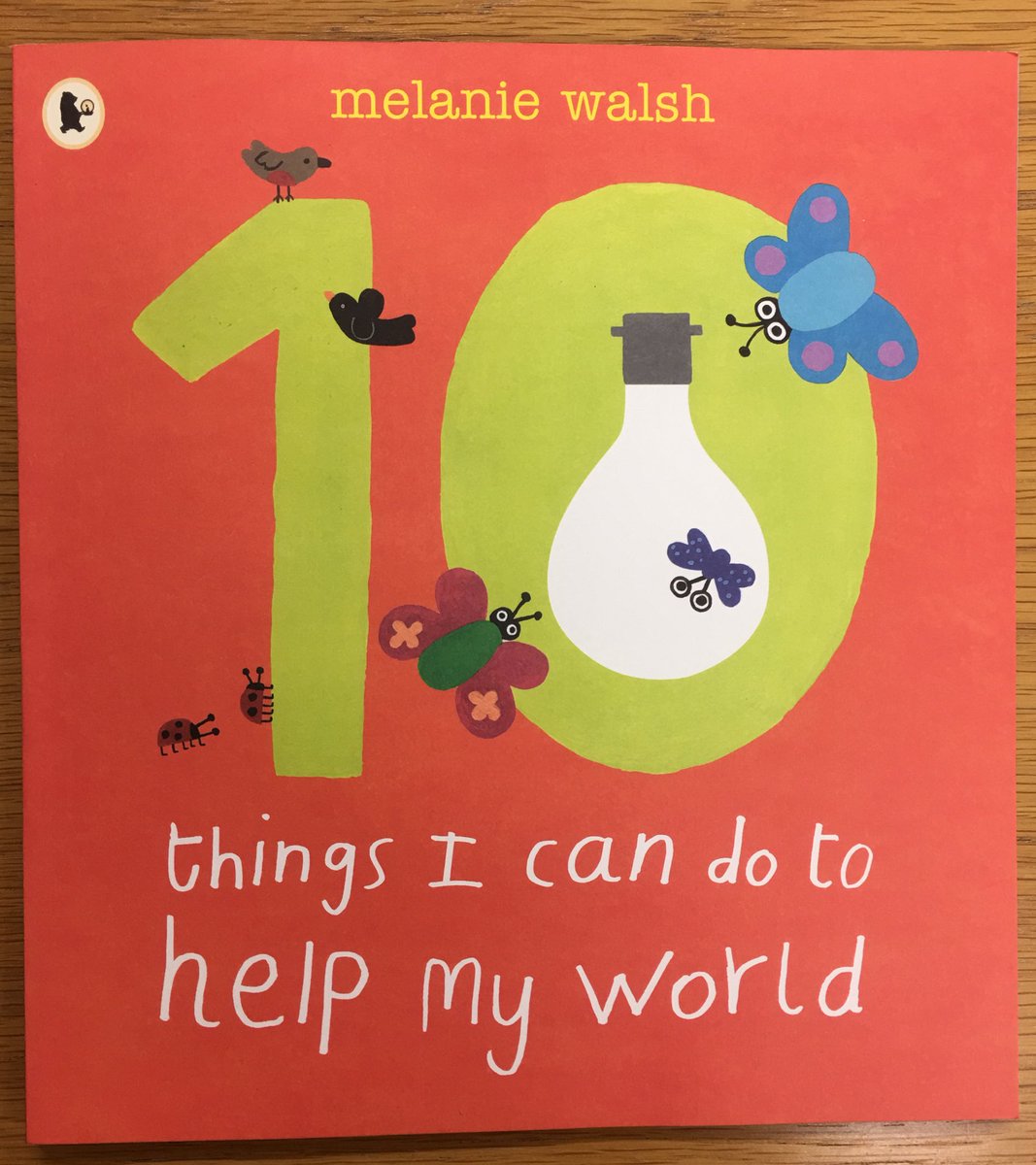
This is an excellent childrens book by Melanie Walsh which explores simple activities children can do to be sustainably friendly. Through engaging illustrations the book is an effective resource to explore how saving water and energy can affect the earth. #UoNTeach
Amazing! A school powered from solar panels and hydro generators with an education syllabus focused on sustainability through community integration. How can educators teach sustainability through community integration to ensure students relate to the content taught? #UoNTeach
This is a school in Bali, Indonesia you MUST see! Amazing! What an opportunity for international children. This is exactly what they need in education reform. Please read this- https://t.co/HV2EyvoyNW
#school#education#educators#sustainability#SustainableDevelopment