Next up is a much wanted upgrade...
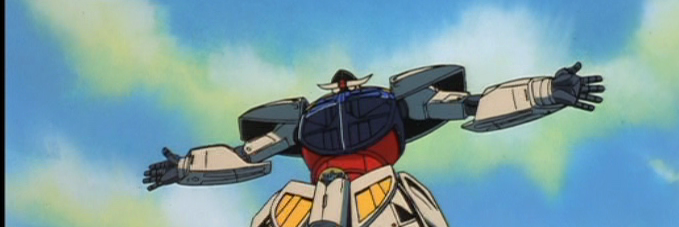
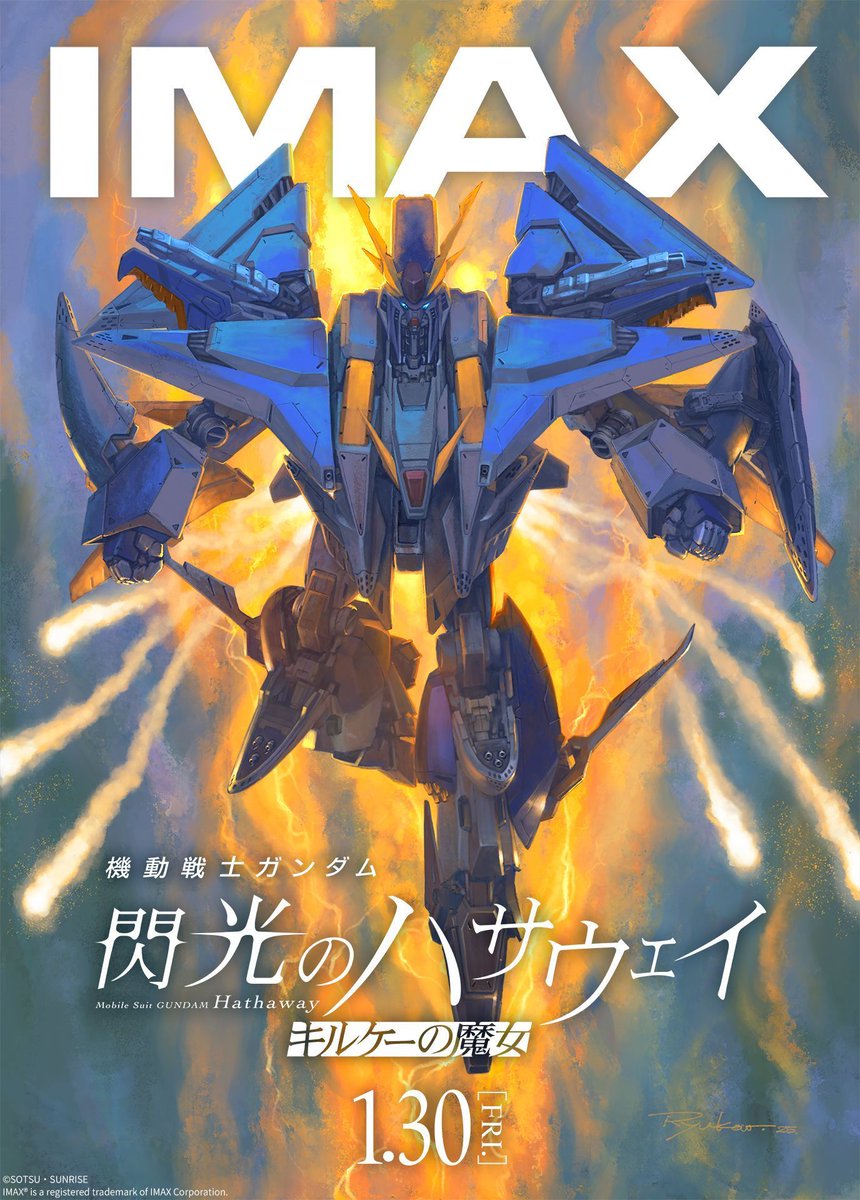
Voltes V!
The classic & beloved mecha series has a great HD remaster, touched up subtitles, & some nice extras!
Peter Cushing invites a 1956 film crew into his home (in Kensington, London) to show off his hobby. Painting miniature toy soldiers, and playing with them in the rules set down by a fellow hobbyist... science fiction writer H.G. Wells.
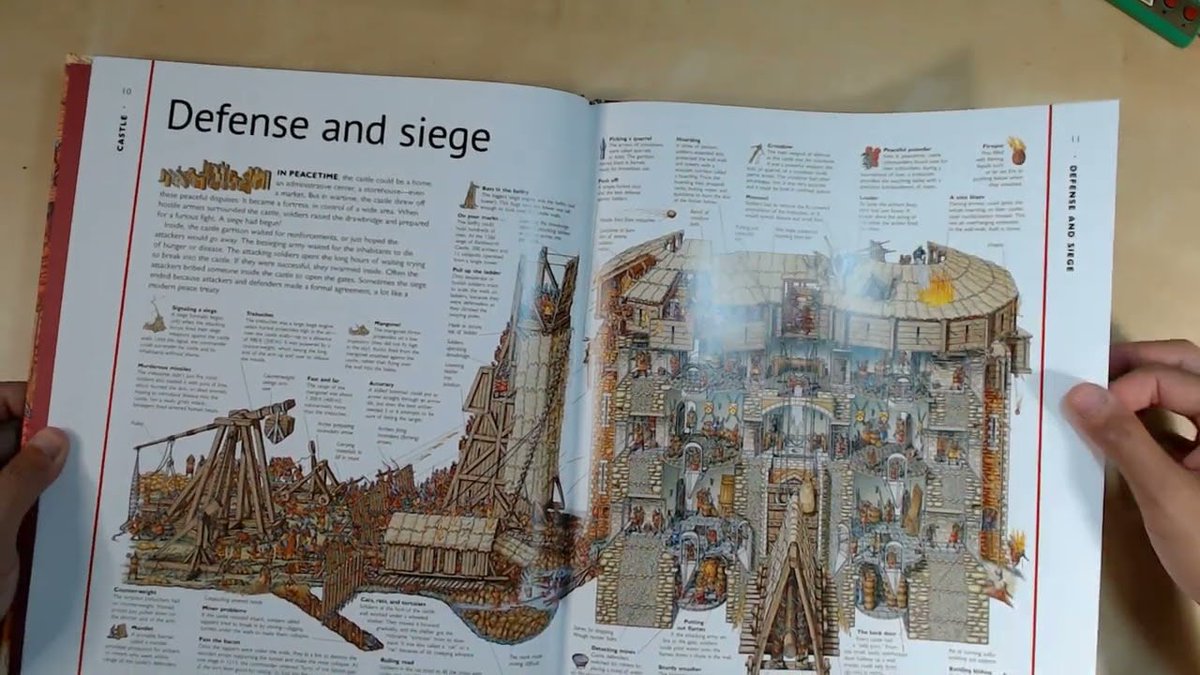
I would have done so well as a medieval general because I learned so much from playing Medieval Total War.
You just march your whole army to the corner of the map and line up your spearmen there and they can't outflank you.
More medieval generals should have done this.
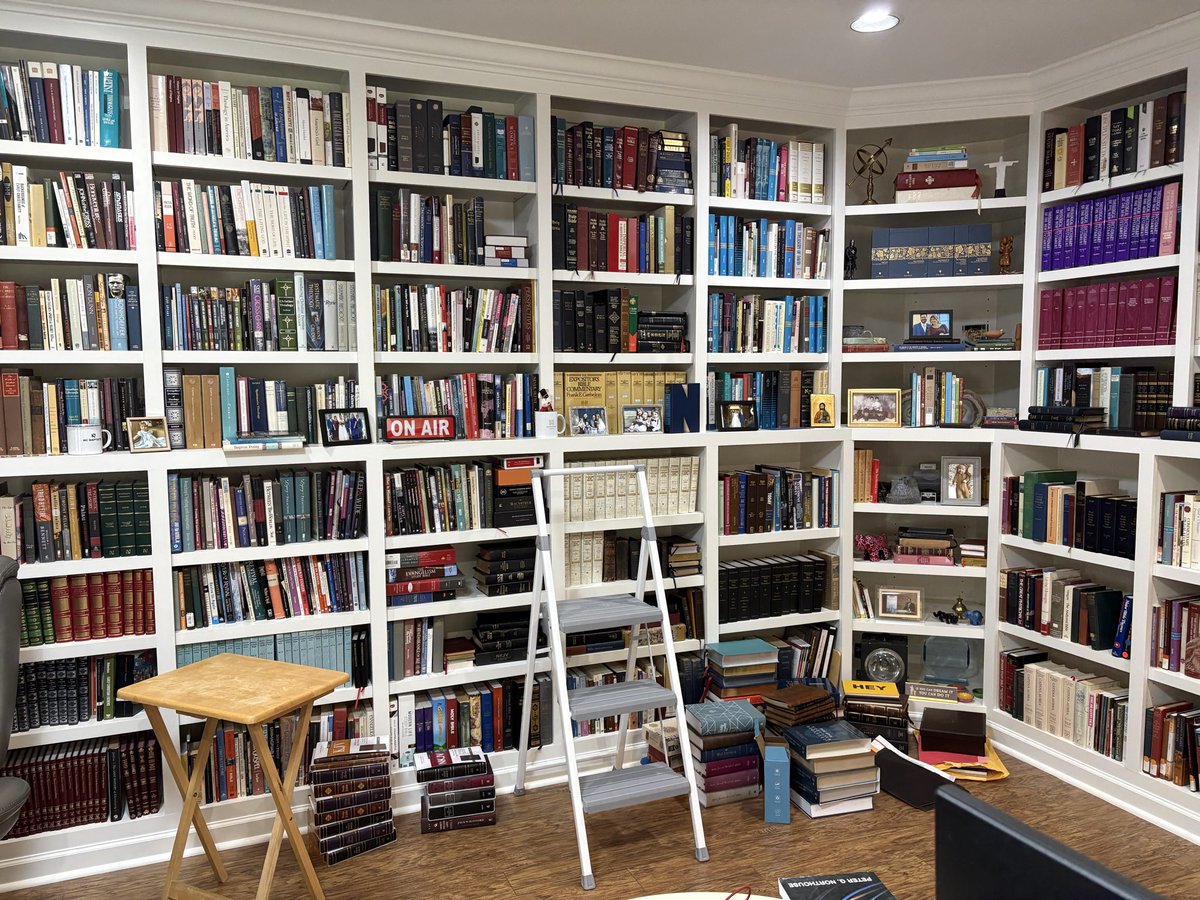
Due to the uniformity, design, and color of the titles on the bookshelves in Goodnight Moon I am forced to assume that the bunny is getting a Greek & Latin education through the Loeb Classical Library.
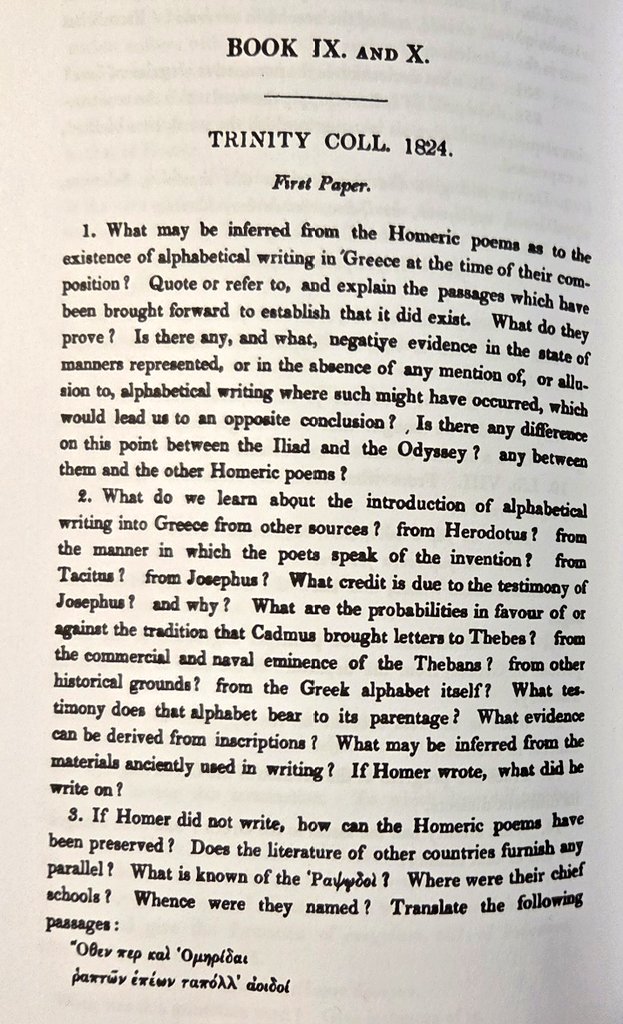
POV: you're 17 or 18, you've carefully read Homer's Odyssey, and you're ready to show how complete your knowledge of Homer is. The bad news is that the exam also tests Greek and Latin literature, culture and history, is closed book, and needs sitting this very morning, in 1824.
After working through the opening to Aristotle's Poetics, we will read Hesiod’s epics and then turn to the elegiac poetry of Mimnermus, Solon, and Theognis, followed by the quarrelsome iambics of Hipponax, the lyric verse of Anacreon and Sappho, and even a late Hellenistic experiment: Nonnus of Panopolis’ hexameter paraphrase of the Gospel of John.
The second part of the course turns to drama. Students will read Aristotle’s discussion of tragedy in the Poetics, alongside excerpts from Plutarch’s How a Young Man Should Study Poetry.
With these guides in mind, we then turn to the stage itself, discussing some passages from Aeschylus’ Agamemnon, Sophocles’ Oedipus the King, and Euripides’ Medea, and conclude the course on a lighter note through Aristophanes’ Frogs.
Along the way, students will be introduced to Ancient Greek prosody, practice reading a variety of meters, and try their hand at composing in hexameter, iambic trimeters and Sapphic stanzas themselves!
The course will also highlight the main features of some other Ancient Greek dialects (Ionic, West Aeolic, and Doric), while all discussion of the texts will be conducted in Attic Greek.