Guillain-Barré syndrome: An overview for student nurses
GBS is a rapidly progressing autoimmune condition in which the body’s immune system mistakenly attacks the peripheral nervous system.
Pathophysiology:
1. Triggering event
GBS is often triggered by an infection or immune response. Common triggers include campylobacter jejuni or Epstein-barr virus
2. Immune dysregulation
The body produces autoantibodies which mistakenly target the myelin sheath or the axons of peripheral nerves
3. Demyelination
In most cases, the immune system attacks schwann cells which produce myelin, leading to segmental demyelination. This disrupts nerve signal transmission.
In some forms of GBS, the immune response targets the axon directly, causing axonal degeneration
4. Nerve dysfunction
The loss of myelin reduces the speed and efficiency of electrical nerve signals, resulting in weakness, numbness, and loss of reflexes
5. Recovery
Overtime, the immune attack subsides, and remyelination or nerve repair begins. However, the degree of recovery depends on the extent of nerve damage
Congratulations to our most recent batch of AAIFS graduates 🎓 A wonderfully inspiring morning hearing about the tireless work to improve the quality, safety and efficiency of our health and social care services.
I have been asked for advice about improving organisational culture. My view? DON'T start by setting up a "culture change" programme or a direct "culture" intervention. Culture gets changed when people start doing real work differently. Culture change is a byproduct of wider improvements. See for instance: https://t.co/rwNoixl4GJ. Via @HBSWK
@thestravaigayr what a fabulous night you gave us for my husbands birthday! From start to finish you, your staff, the surroundings, atmosphere and food was amazing!! Can’t thank you enough. We will be back soon! 💕
In partnership with @NHS_Education we've launched a new eLearning module about the AWI Act.
Useful for people:
- working in health, social work & social care
- looking to develop knowledge of rights-based practice
Access the eLearning module on Turas: https://t.co/eCAMoVYdFN
Thanks for visiting my fundraising page. I’m going to be completing 100 skips every day in March to help raise money for Cancer Research UK. Please show your support and help fund life-saving research by donating to my page. Every little bit helps. Thanks https://t.co/3zrZuszEsK
Thanks for visiting my fundraising page. I’m going to be completing 100 skips every day in March to help raise money for Cancer Research UK. Please show your support and help fund life-saving research by donating to my page. https://t.co/3zrZuszEsK
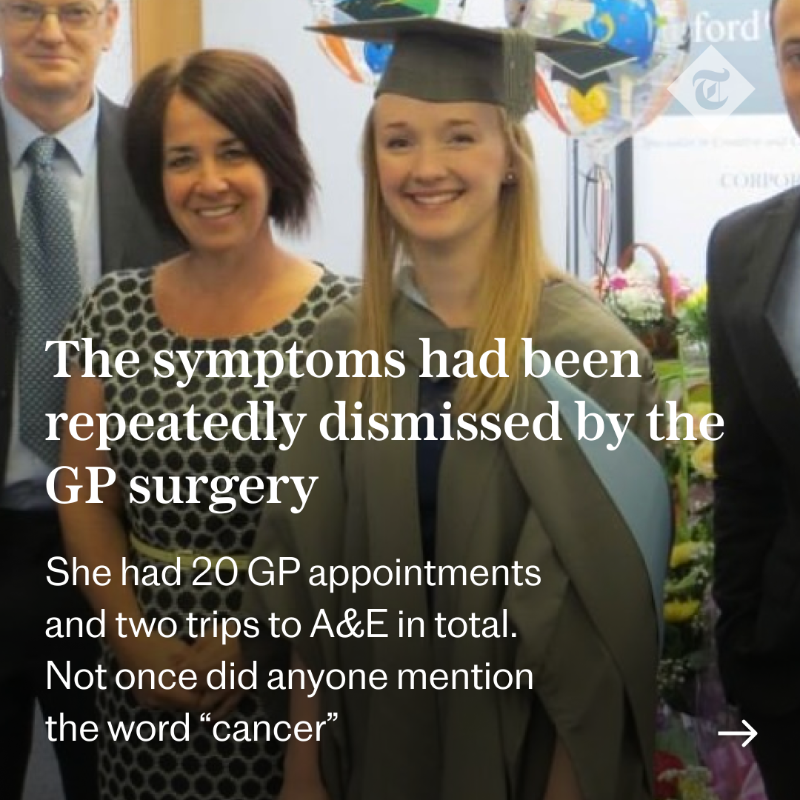
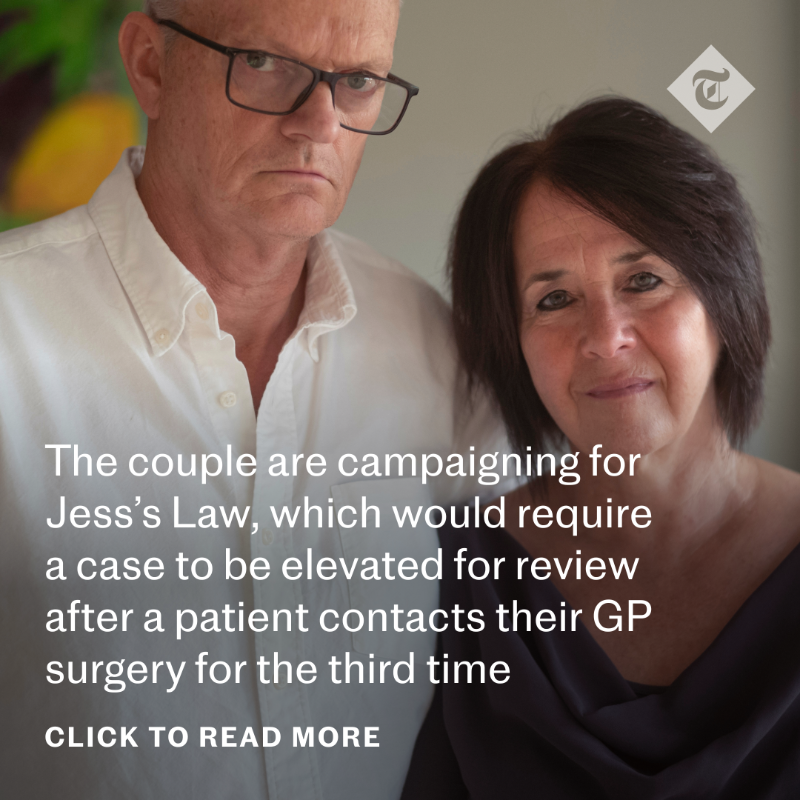
Read why Jessica’s tragic case is a wake-up call for the primary care systemRead why Jessica’s tragic case is a wake-up call for the primary care systemRead why Jessica’s tragic case is a wake-up call for the primary care systemRead why Jessica’s tragic case is a wake-up call for the primary care systemRead why Jessica’s tragic case is a wake-up call for the primary care system.
I'm an A&E consultant and I'm tired after a weekend of nights.
But this am, I've handed over what I described as a "good department". This was said genuinely and with no hint of irony.
We provided great care and have very short waits to see an A&E doctor, but I'd forgotten how unacceptable it was to have 18 patients in the corridor, and elderly patients waiting over 2 days for a ward bed.
My lens of what is good and acceptable has been slowly warped by the slow & damaging effect of the working conditions of A&E departments up and down the country.
My biggest worry is that I'm starting to accept the unacceptable.
This is not about a lack of gp appointments, patients "abusing" the system or poor management - in fact we had excellent hospital management support, with patients boarding on each ward waiting there instead of A&E for a bed.
This is a simple case of patient demand being greater than what the overall health economy can cope with.
We have to either change the way we work, change demand via expectation management or increase resources.
If not, then the unacceptable becomes the norm and that's unacceptable.
Our patients and staff deserve better.
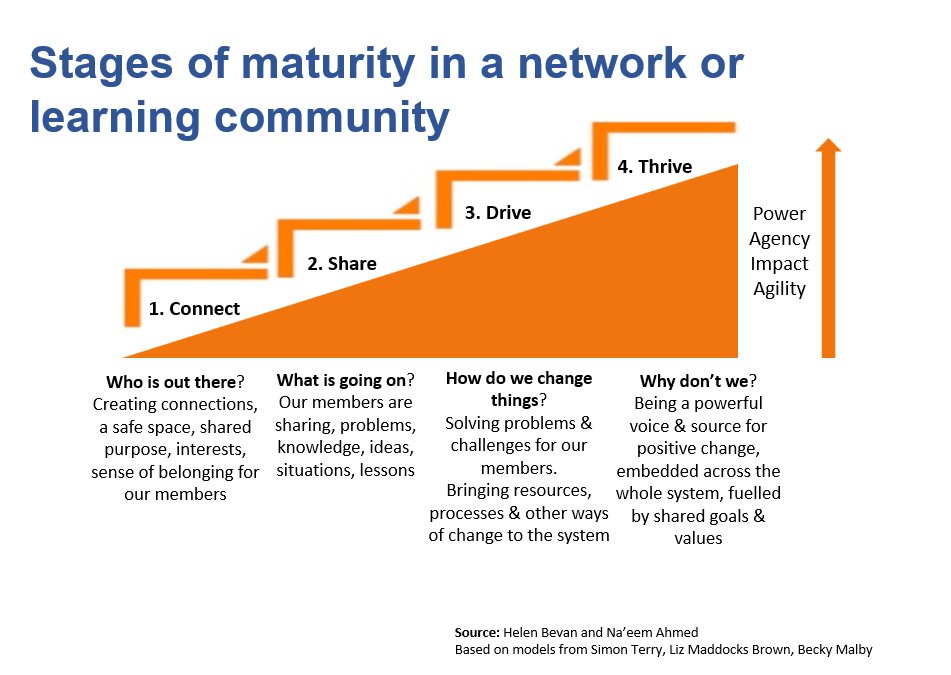
I've been talking networks & learning communities today. They can have a significant impact in an organisation or system. They enable people to connect & share across boundaries. They shorten lines of communication. They help people to do what they know how to do & learn how to do it even better. But networks & communities don't just happen. They need to be nurtured & supported to mature & grow. They are typically worth the investment.