Laparoscopic Cholecystectomy
Laparoscopic cholecystectomy is a minimally invasive operation to remove the gallbladder, most commonly for symptomatic gallstones or acute/chronic cholecystitis.
The abdomen is first inflated with carbon dioxide (pneumoperitoneum) to create working space. Usually 3–4 small ports are inserted, including a camera port.
The gallbladder is retracted to expose Calot’s triangle. The surgeon carefully identifies the cystic duct and cystic artery and confirms the Critical View of Safety before dividing anything.
The cystic duct and artery are then clipped and divided. The gallbladder is dissected away from the liver bed using electrocautery, placed in a retrieval bag, and removed through one of the ports.
The operative field is checked for bleeding or bile leakage, the instruments are withdrawn, the carbon dioxide is released, and the small incisions are closed.
⚠️ Important complications include bile duct injury, bleeding, bile leak, infection, retained stones, and injury to surrounding structures.
Small incisions—but the most important part of the operation is knowing exactly what you are clipping before you cut.
🩺‼️ | Comer con el celular en la mano no solo distrae, sino que desconecta al cerebro del proceso digestivo, deteriorando el registro de la saciedad y empujándote a comer de forma automática y excesiva. Una revisión sistemática y metaanálisis publicada en American Journal of Clinical Nutrition respalda que comer distraído aumenta el consumo en ingestas posteriores, mientras que expertos de la Sociedad Argentina de Nutrición (SAN) advierten que este hábito altera la regulación del hambre.
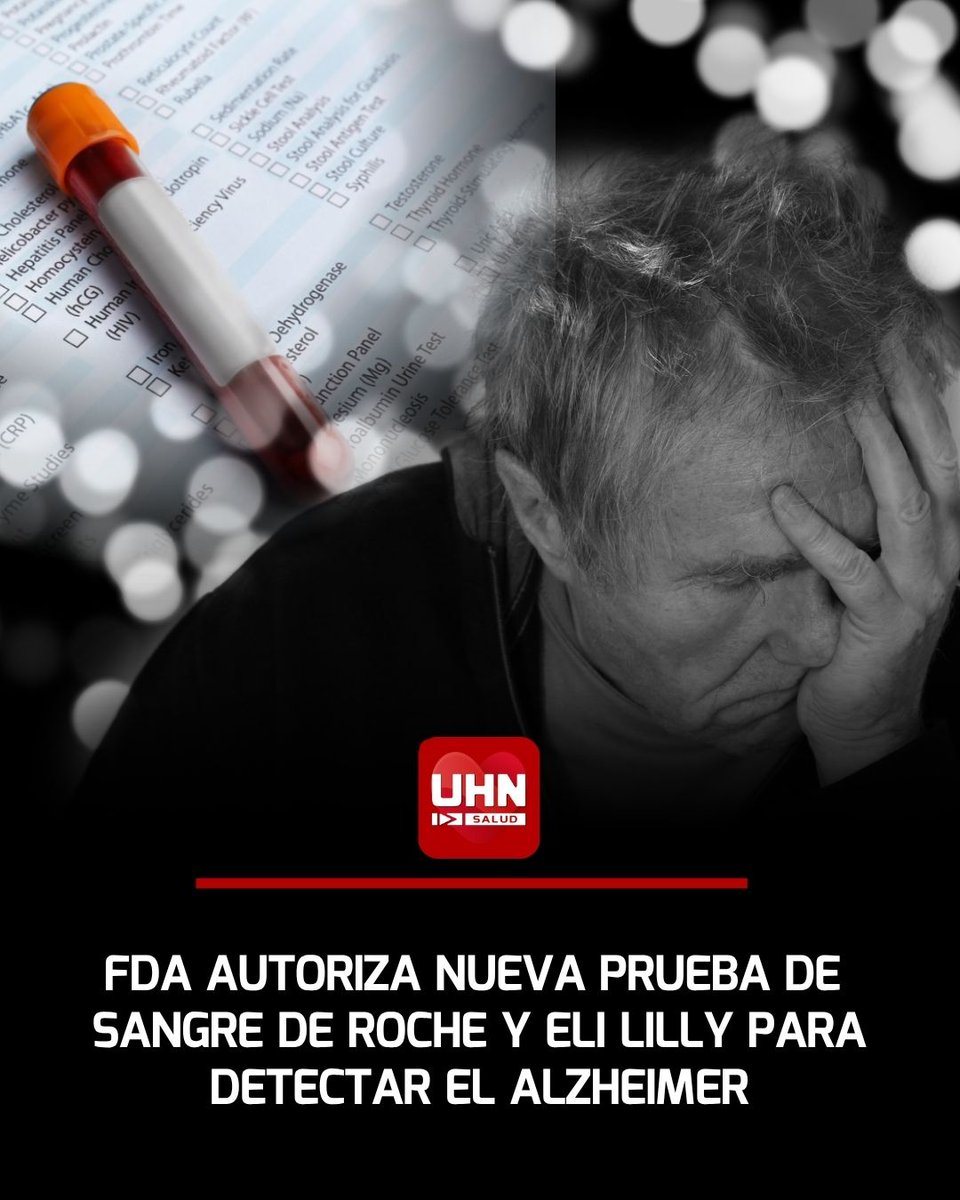
🇺🇸‼️ | La Administración de Alimentos y Medicamentos de EE. UU. (FDA) autorizó el análisis de sangre Elecsys pTau217, diseñado para identificar signos de la enfermedad de Alzheimer en personas de 55 años o más con deterioro cognitivo. Esta prueba de biomarcadores busca ofrecer una alternativa menos costosa y no invasiva a las tradicionales tomografías PET y análisis de líquido cefalorraquídeo, facilitando un diagnóstico más temprano y accesible a través de miles de laboratorios en el país.
FECAMYPE no solo brinda financiamiento, también ofrece asesoría personalizada junto a CONAMYPE para fortalecer cada negocio y acompañar su crecimiento.
Más información: WhatsApp 7074-7000
🇺🇸‼️ | Según informó el CDC de EE. UU., el 40 % de las garrapatas recolectadas en Biltmore Forest, dieron positivo a la bacteria de la enfermedad de Lyme, hallándose también patógenos como Borrelia miyamotoi y Anaplasma phagocytophilum. El organismo encendió las alarmas sanitarias e instó a reforzar la vigilancia epidemiológica en zonas del sureste donde históricamente no se detectaba esta amenaza.
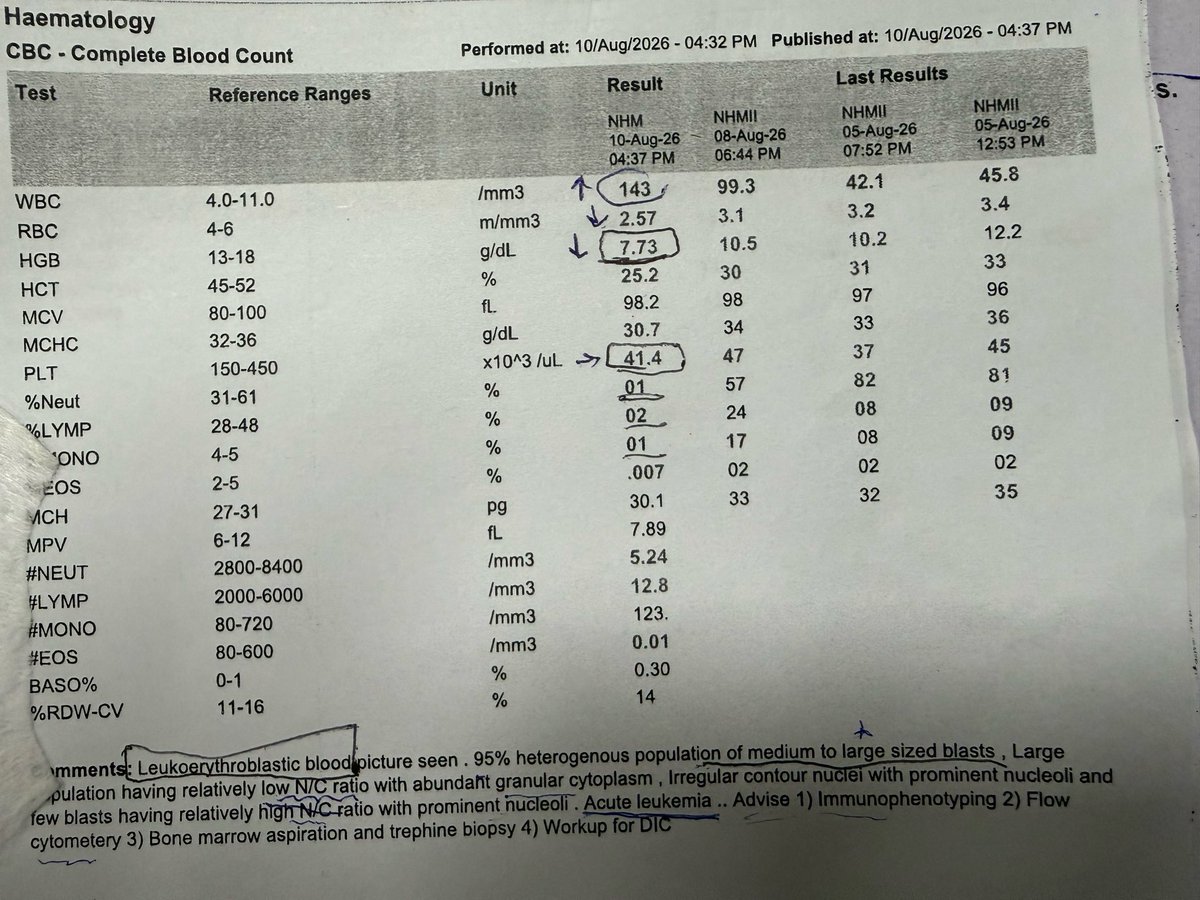
BLOOD CANCER shows absolutely no mercy. I swear.
A patient walked in with just 7 days of fever. 24 hours later, he was gone.
1. Here is What actually happened.