@vicko_twitt@idextratime Cc dok @tirta_cipeng termasuk pajak yg hampir 2 M an yg dibayarkan dok tirta tiap thn dan pajak kita semua utk bayar hal yg unfaedah gini
Kami mendengar kabar ada lebih dari 2000+ jemaat gereja St Thomas Morus di desa Robek yang kedinginan dan kelaparan.
Juga masih banyak warga pesisir yang kekurangan air bersih. Tenaga kami terbatas, sumber daya kami terbatas, kami malu.
Tolong ke arahkan pandangan ke NTT semuanya..
Shalihin-shalihat yang ingi titip hadiah, silakan transfer ke rekening BSI 733-7152-869 an. Infaq Manfaat Mengalir
Artikel ini viral hingga ~150jt views, tapi gak cocok buat warga TokTik karena artikel ini sangat puanjang.
Saya coba buatkan versi podcast-nya yang lebih pendek dan berbahasa Indonesia, tinggal didengarkan.
i've been hacked
and traced the malware's wallet to see how much money they actually made from this new exploit
(if you use Next.js/React, READ THIS!)
I woke up to a terrifying email from Hetzner: "Netscan Detected."
my server was blocked and a botnet was using my IP to attack others
i dug into the logs and what I found the anatomy of the attack:
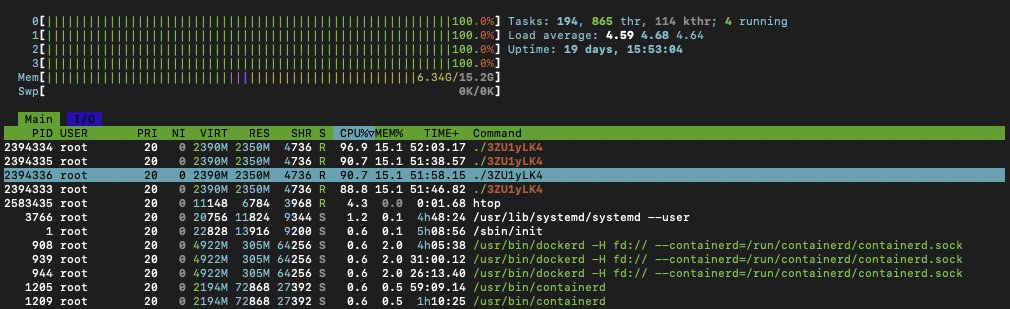
1) The Symptoms: I logged into htop and saw the mess:
- CPU usage: 361%
- A process named ./3ZU1yLK4 running wild
- Random connections to an IP in the Netherlands
my server wasn't serving my app anymore; it was mining crypto for someone else!
2) The Culprit: It wasn't a random SSH brute force. It was inside my Next.js container
the malware was sophisticated
it renamed itself nginxs and apaches to look like web servers
it even had a "killer" script that hunted down other hackers' miners to kill the competition
3) The "Root" Cause (literally): Probably the recent React/Next.js CVE-2025-66478 exploit was the entry point
(my project was running on "next": "15.5.4", behind cloudflare dns, but their recent fix didn't work apparently)
but the fatal error was mine: my Docker container was running as ROOT
Coolify deploys like this automatically when using Nixpacks, and I never changed it...
so because of USER root, the malware could install cron, systemd, and persistence scripts to survive reboots
meaning, it was able to infect my whole server, from a single Next.js docker!
4) The Forensics: I ran docker diff on the container - the hacker didn't just run a script, they installed a whole toolset..
- /tmp/apaches.sh (The installer)
- /var/spool/cron/root (The persistence)
- /c.json (The wallet config)
5) The Fix: I killed the container, scrubbed the host, and extracted the malware for analysis.
but the real fix is in the Dockerfile. if you are deploying Node/Next.js, DO NOT use the default (root), you must:
- RUN adduser --system nextjs
- USER nextjs
if you have Docker on ROOT and didn't update the exploited react version, you'll be hacked soon
check your containers NOW. Run: docker exec <container_id> id
(or get the full list first: docker stats --no-stream)
If it says uid=0(root), you are one vulnerability away from being a crypto-miner host.
(it's easy to notice when hacked, it will be a command running on the top CPU%, using all your hardware resources)
6) The Money: I dug deeper and recovered the config file (c.json)
- Wallet: A Monero (XMR) address: 831abXJn8dBdVe5nZ***
- Pool: auto.c3pool . org
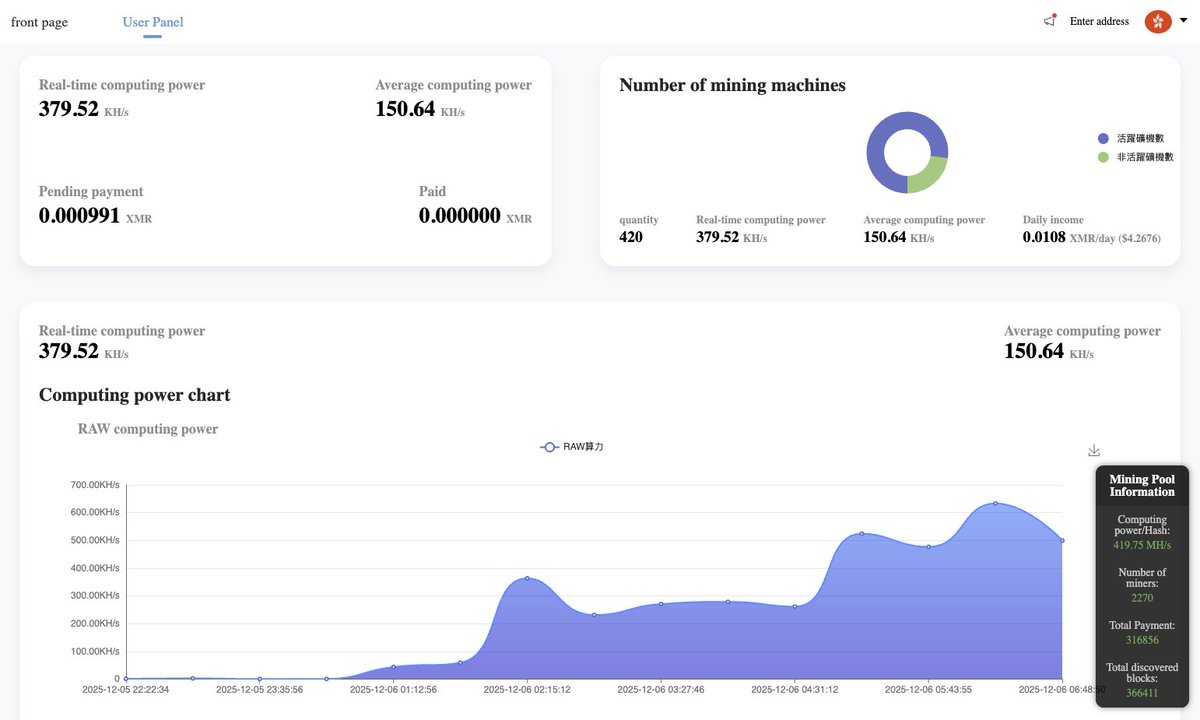
and ofc i tracked the hacker’s wallet on the mining pool
7) The Scale: My server wasn't alone. It was just 1 of 415 active zombies in this botnet
they are burning the CPU of 400+ cloud servers... to earn...
guess how many millions?
$4.26/day
on the image attached you can see: "Total Paid: 0.00", meaning this campaign just started. I caught them on Day 1.
i also tracked back the server where they hosted the malware, and by inspecting the code, I found several comments in Chinese, so I guess that's their origin
im rebuilding from scratch on a fresh VPS. the lesson was expensive, but at least I caught it before the hosting nuked my account permanently...
PS: I have the IP for all the other machines mining with that malware, not sure how I can help them, but feel free to contact me if ur doing infosec
stay safe