cold messaged a bunch of founders in SF on linkedin and insta. almost everyone at this table was a cold DM
talked robotics, social media and getting started. also got a massive sunburn
building too? reply and let's connect
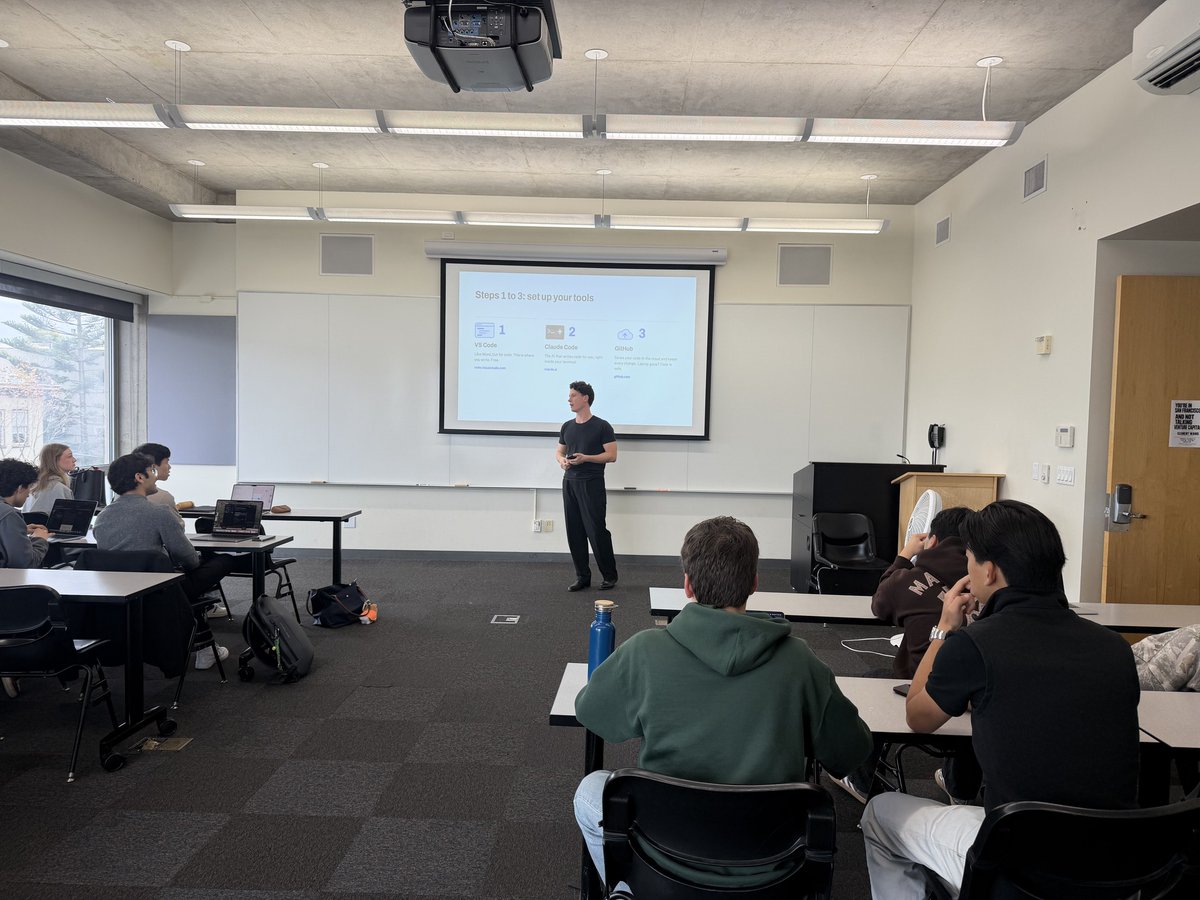
gave a talk at the USF entrepreneurship club on building apps as a non-technical person
room was mostly finance students. still everyone wanted to build
everyone will be a builder. my app starter repo gets you into the app store in ~2 hours:
https://t.co/gXuDyVyKnt
How to be productive and focused for 14 hours per day, without feeling stressed or tired:
1. Love yourself, love your people, love your life.
2. Sleep well.
3. Eat clean.
4. Move.
5. Eliminate: Social Media, Podcasts, Youtube, Radio. → Be present.
A university paper let me build an AI prototype in 30 minutes.
First live computer vision product at a hackathon in SF. I already knew the datasets (COCO) and feature detection from uni. AI did the rest.
University gave me the basics. AI gave me the speed.
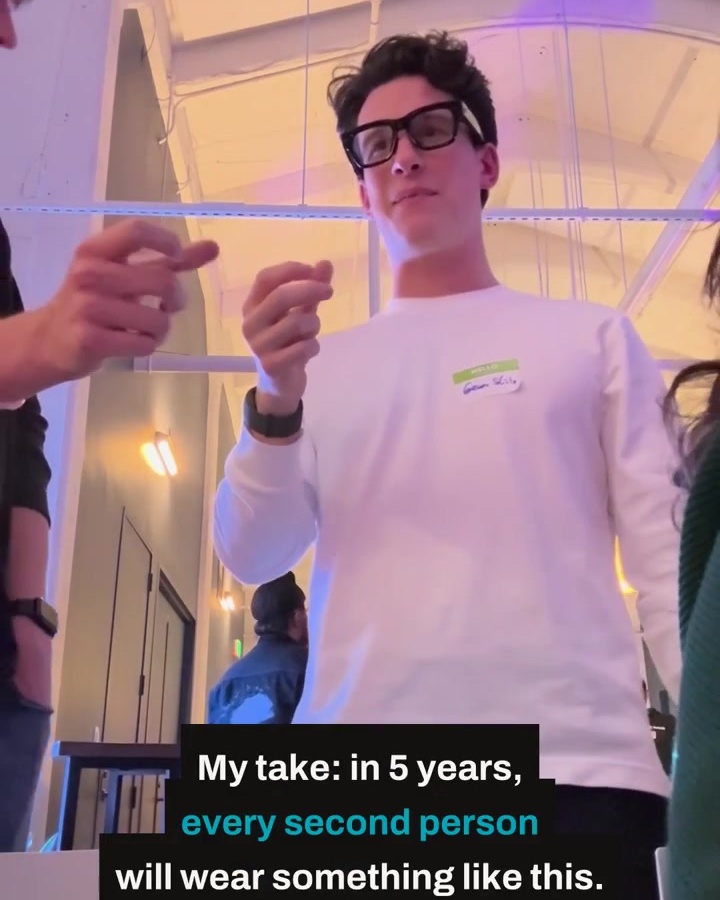
I'm convinced: in 5 years, every second person will wear smart glasses.
Tried a language learning app for them at a hackathon in SF, built by Quinn. Phones pull your eyes down to a screen. Glasses bring the information into the world in front of you.
Would you wear them?
building in public: new idea
an AI family office in your iMessage. it watches your money, finds better insurance, moves your old 401(k), files your taxes. free
not built yet. if 500 people want it, I build it
https://t.co/wPPQW20ly8
The college dropout founder is a myth.
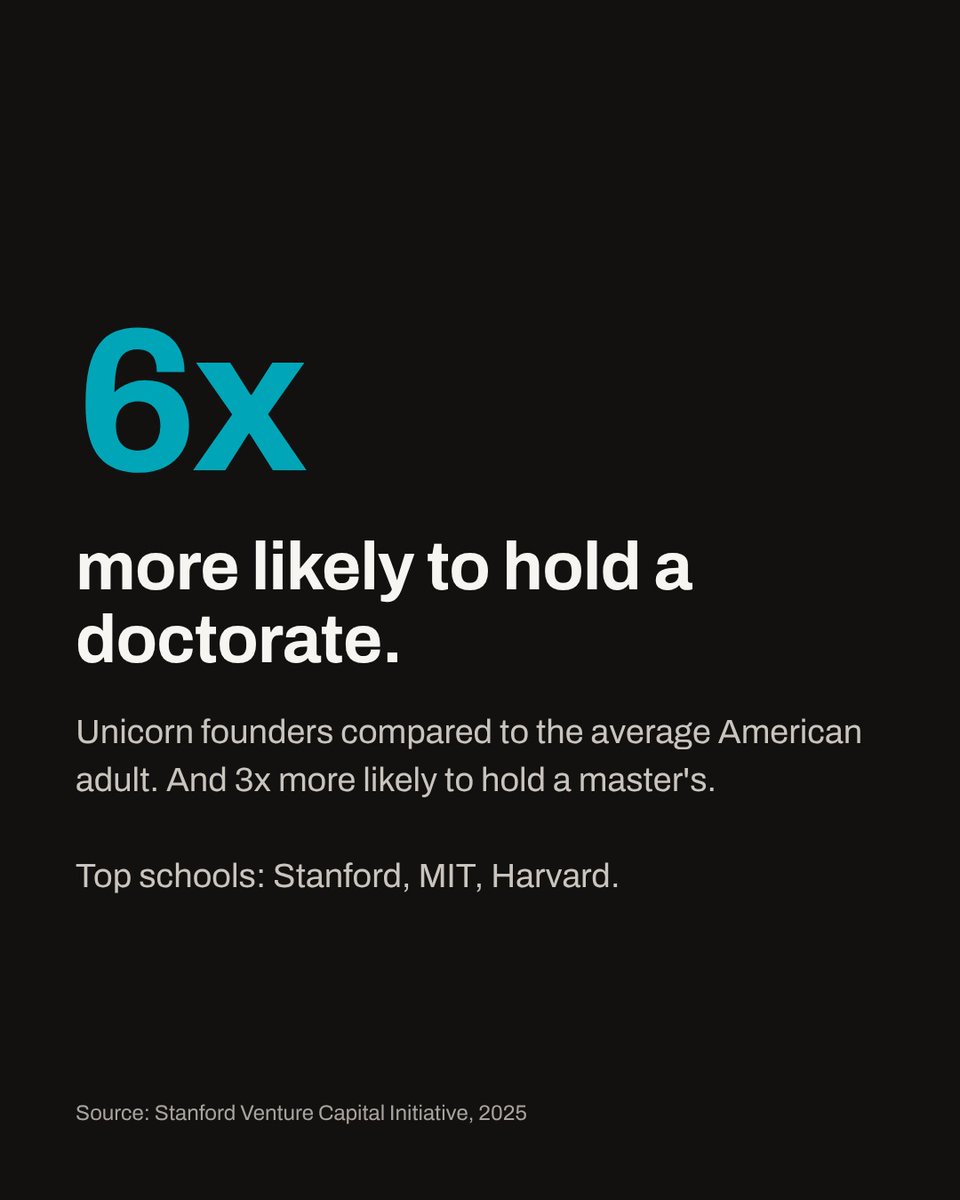
Stanford data on US unicorn founders:
Fewer than 5% dropped out
22.6% hold a doctorate
6x more likely to hold a doctorate than the average American adult
Gates and Zuckerberg are the exception, not the rule.
I co-founded my first company at 17. 5,000 lead referrals in 2 years, no exponential growth.
What I'd tell myself today, and now my criteria for every new project:
1. Pick a big market
2. Online marketing is a superpower (€100k+ ad budget at 18)
3. Get a system for your time
Today it brings clients to my advisory practice in Munich.
My app has 230 paying users. I'm still moving on.
Every calorie app has AI now. Time is better spent on things that can get huge.
Next project, picked like a scientist: prototype, test, validate, then all in.
Deep tech is the new B2B SaaS.
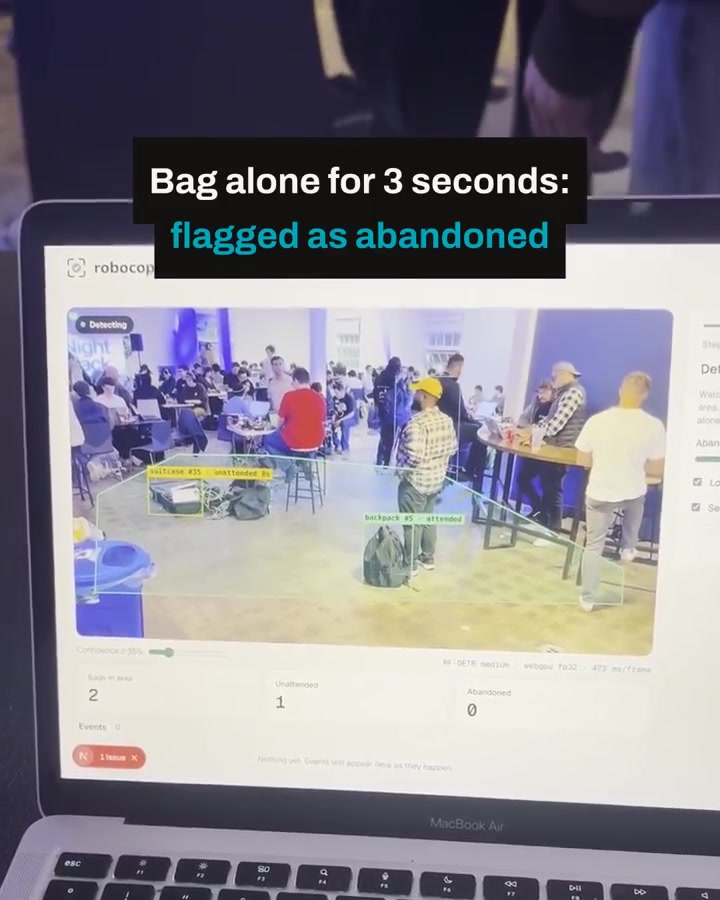
Built Robocop AI in one night at Night Hack in SF with Christian and Ope: computer vision that flags an unattended bag after 3 seconds and alerts the guard's phone.
Upload broke 30 min before the deadline. Still made the top 7 live demos.
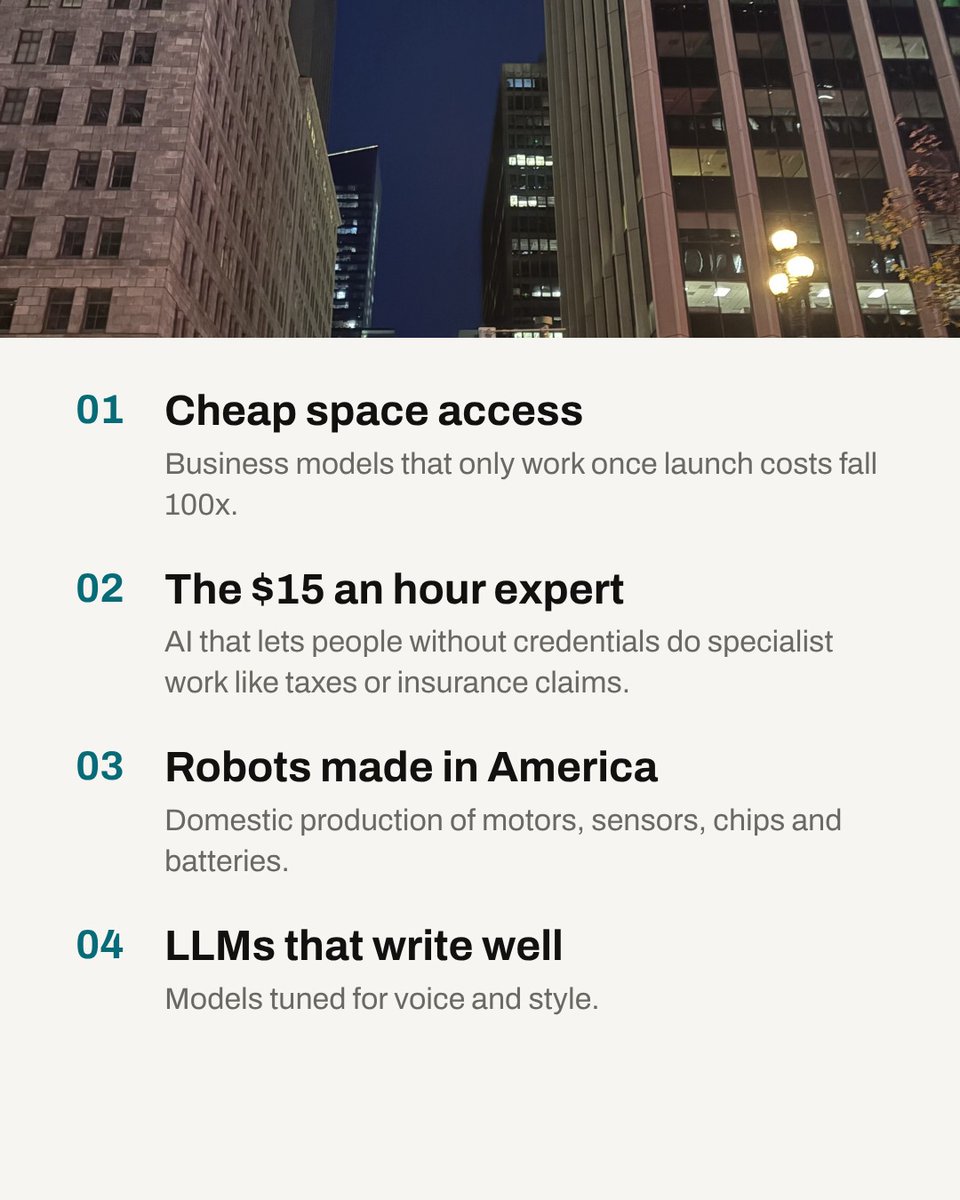
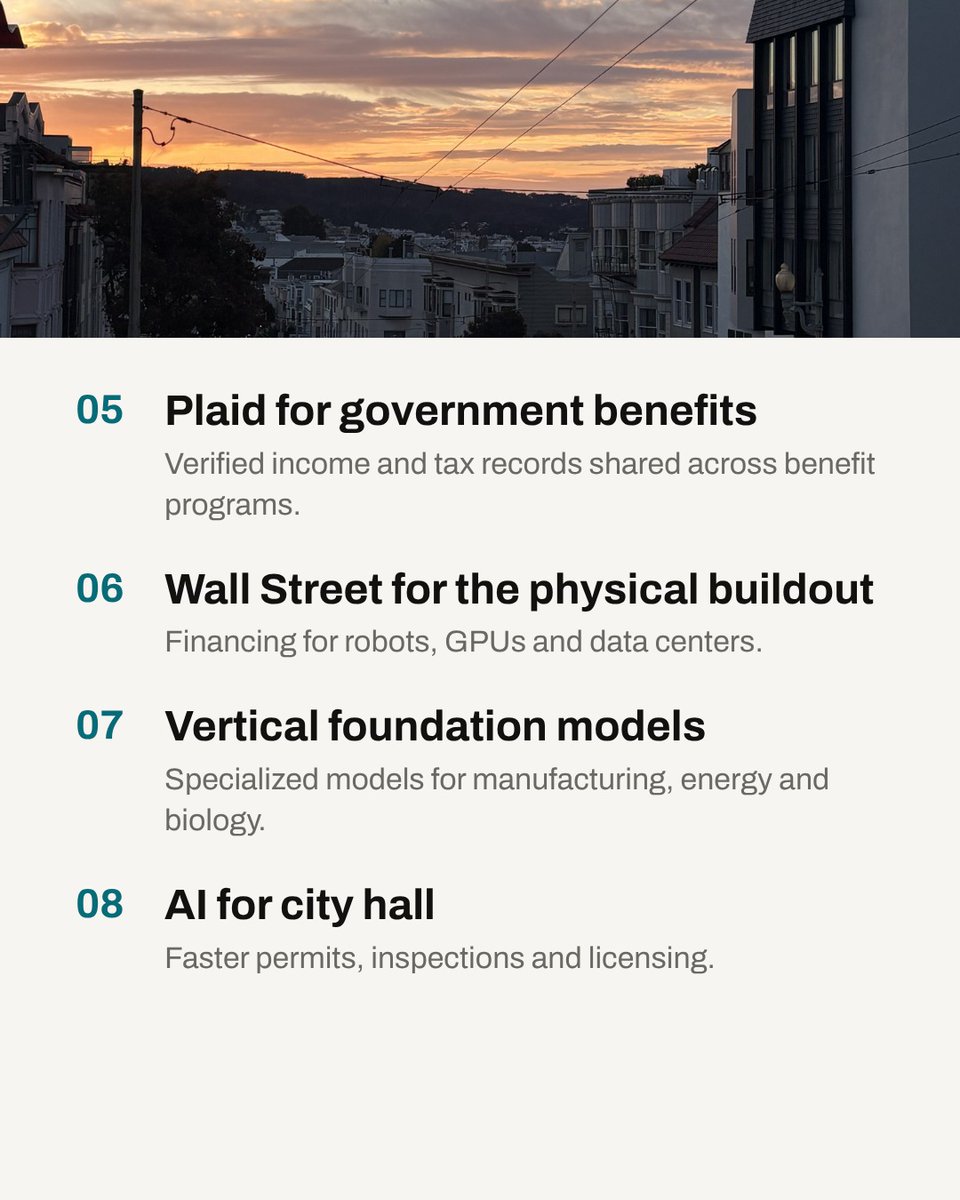
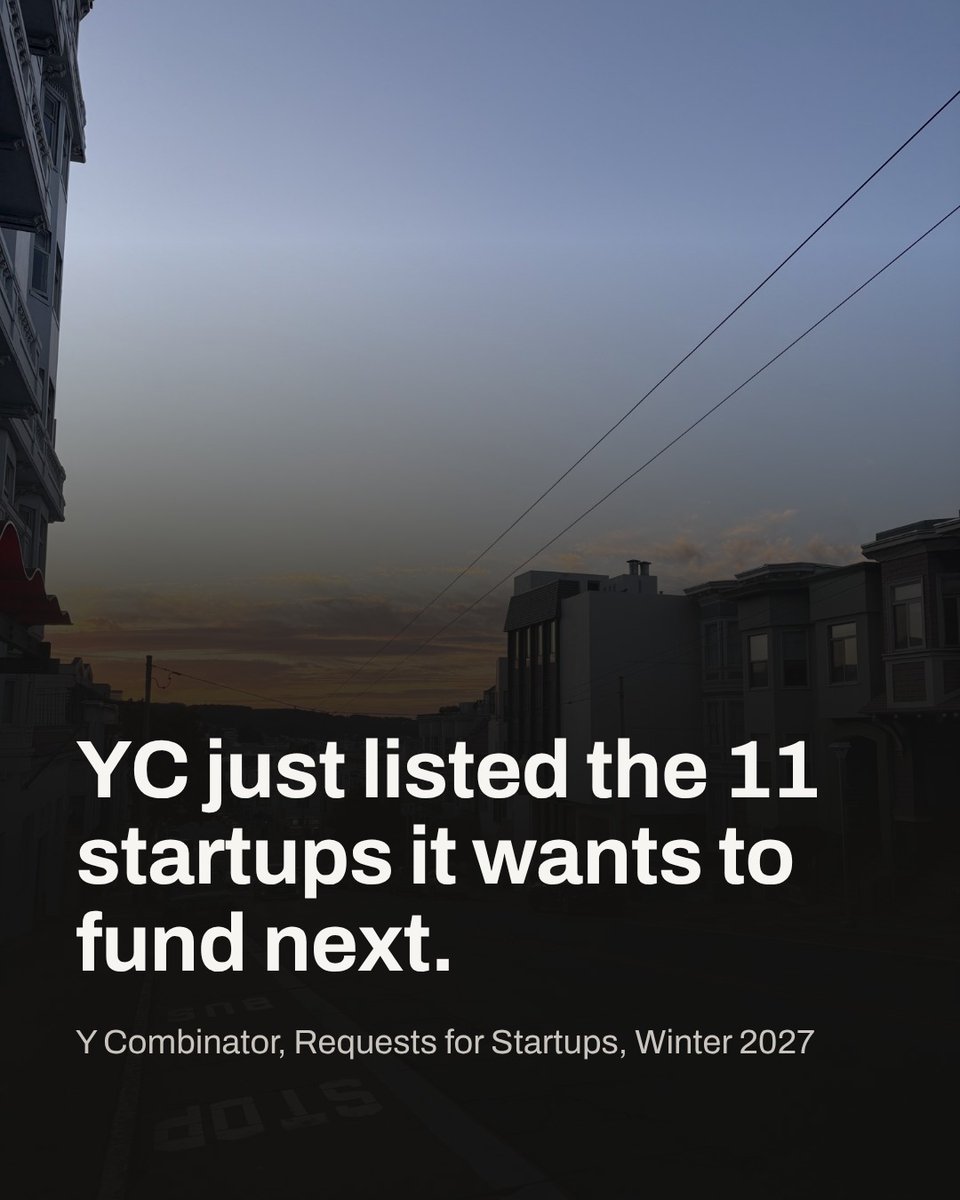
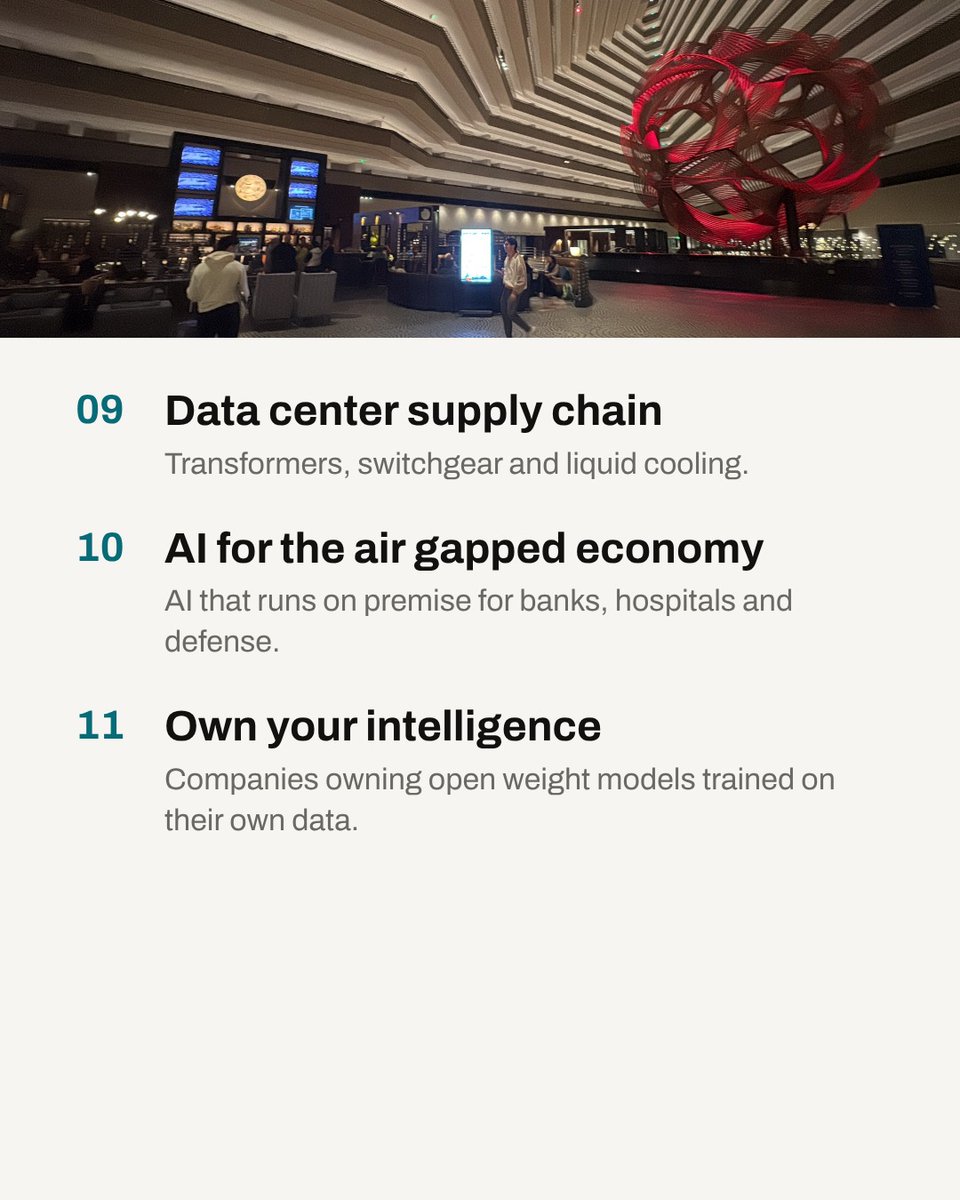
YC just listed the 11 startups it wants to fund next.
The pattern: 4 of 11 are about atoms, not apps. Space, robots, data center hardware and money for the physical buildout.
All 11 in the slides. Which one would you build?
https://t.co/hO8C3AmqVR
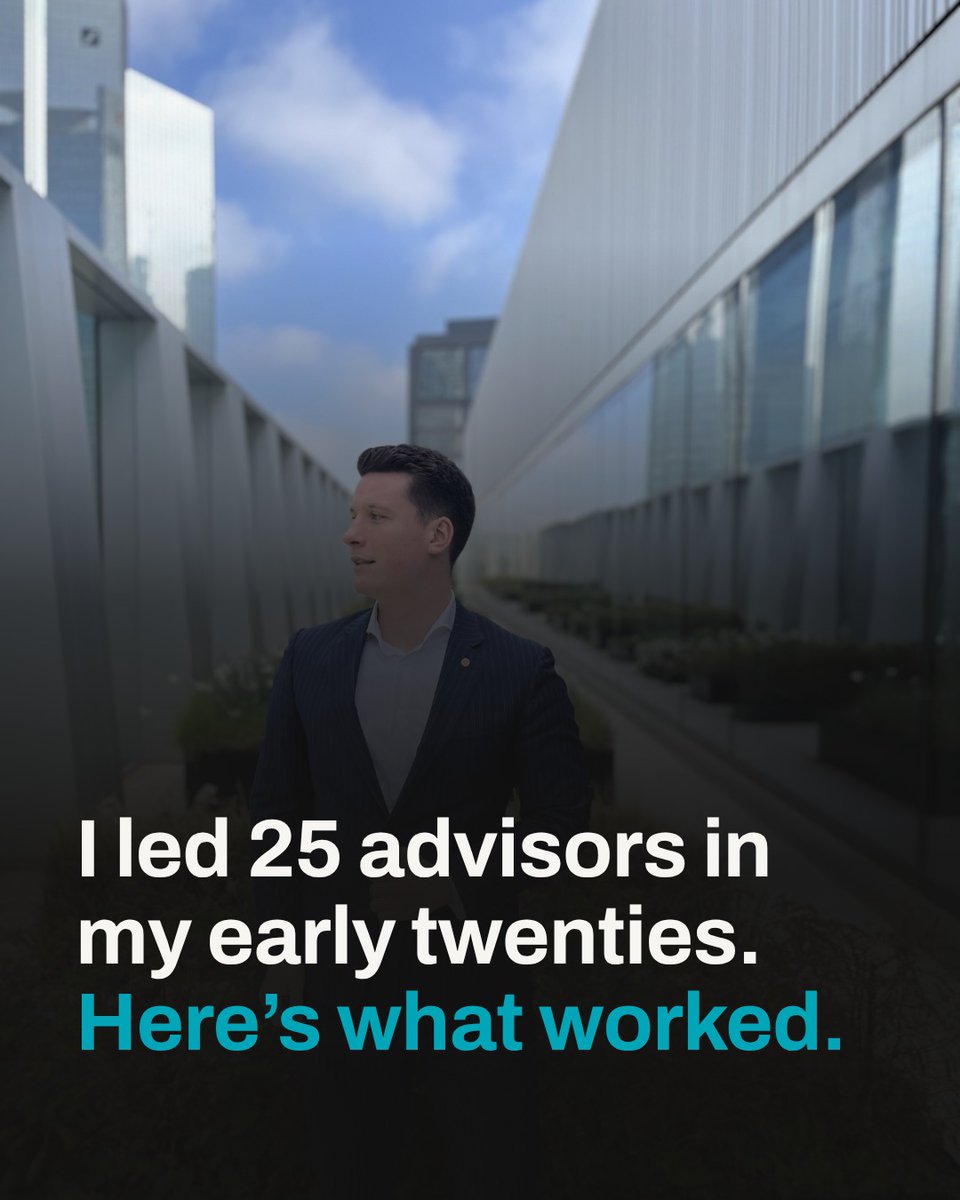
Led 25 advisors in my early twenties. What worked:
1. Do it yourself first
2. Keep your word
3. Tough love, same standard for everyone incl. me
Simple. Not easy.
What do you need to be a founder?
Money, idea, team, skills, degree, experience?
Andy Goldstein (LMU Entrepreneurship Center): a decision. Everything else comes after.
Your tech is not your moat.
@productboard cofounder Dan Hejl at the European Startup Embassy in SF: features get copied. Distribution, integrations and teams running their work inside your product don't.
"It's just a SQL table" is the Dropbox mistake.
Five notes from the Paraform founders at Founders Inc in SF:
1. Enjoy the ride.
2. Be 1000% transparent, especially with bad news.
3. Pick a market worth hundreds of millions.
4. "What's next?" The Jordan question.
5. Never optimize for fundraising.
Number 1 comes back to Munich with me. Which one would you push back on?