Ever notice that despite being a vanishing global minority at 8% of the population, white majority countries are the only places where “diversity” is pushed?
-India is 100% Indians
-China is 91% Han Chinese
-90% of Saudi Arabia is Arab
-85% of Africa is black
No one ever talks about the need to “diversify” any of these places.
Why is it only forced in the U.S. and European countries?
There is a cultural crisis happening in Japan. In just 5 months, 9 major Japanese temples and shrines have been burned to the ground. Many of these temples have stood for hundreds of years.
Why is this happening now? You know why.
There has been a 500% increase in the Muslim population of Japan in the past 20 years. Muslim vandals have now been caught on camera destroying these sacred sites.
This didn't happen when the Islamic population was virtually zero. They don’t see a 573 year old temple, they just see another building. These invaders don’t care about your culture, in fact they hate it. These are the consequences of importing an ideology that only destroys. It’s suicidal.
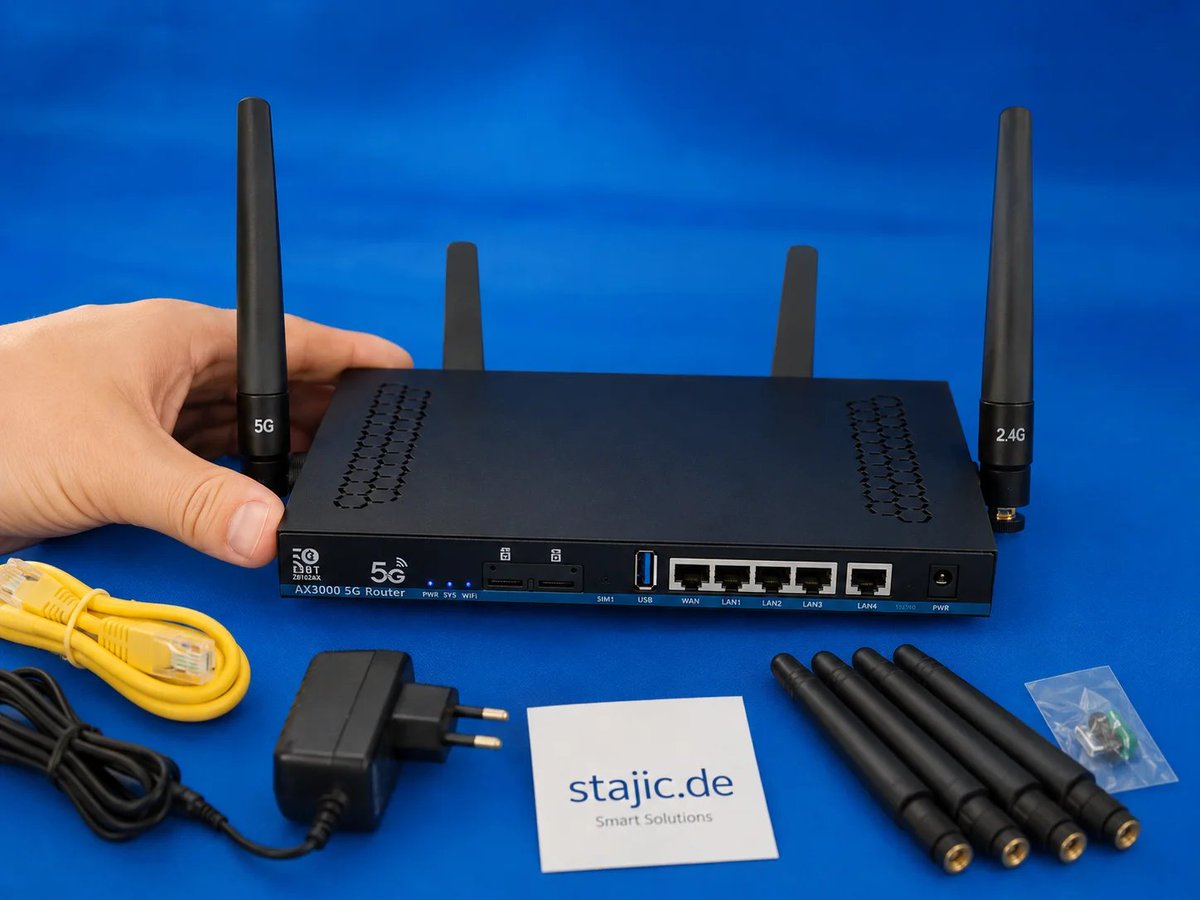
Cybersecurity firm VulnCheck just revealed that over 100,000 Chinese-made Zbtlink routers contain factory-installed backdoors capable of secretly hijacking network traffic. Named Darklantern and Speakingstone, these covert implants give remote operators unauthenticated root control over devices deployed worldwide.
Jacob Baines, chief technology officer at VulnCheck, discovered the hidden code while analyzing firmware on a white-labeled router purchased right here in the United States.
The compromised hardware, manufactured by Shenzhen Zhibotong Electronics, is rebranded and sold under dozens of common commercial labels across Amazon, Shopify, and Alibaba.
One of the implants was caught silently harvesting credentials, executing remote commands, and redirecting web traffic. When Baines registered an unused server domain tied to the code, nearly 400 unique routers immediately checked in from across the globe.
Zbtlink spokesperson Michael Xia claims these features are merely legitimate tools intended for authorized customer maintenance. However, security experts warn that shipping unencrypted, hardcoded surveillance capabilities into consumer hardware leaves every connected network completely vulnerable.