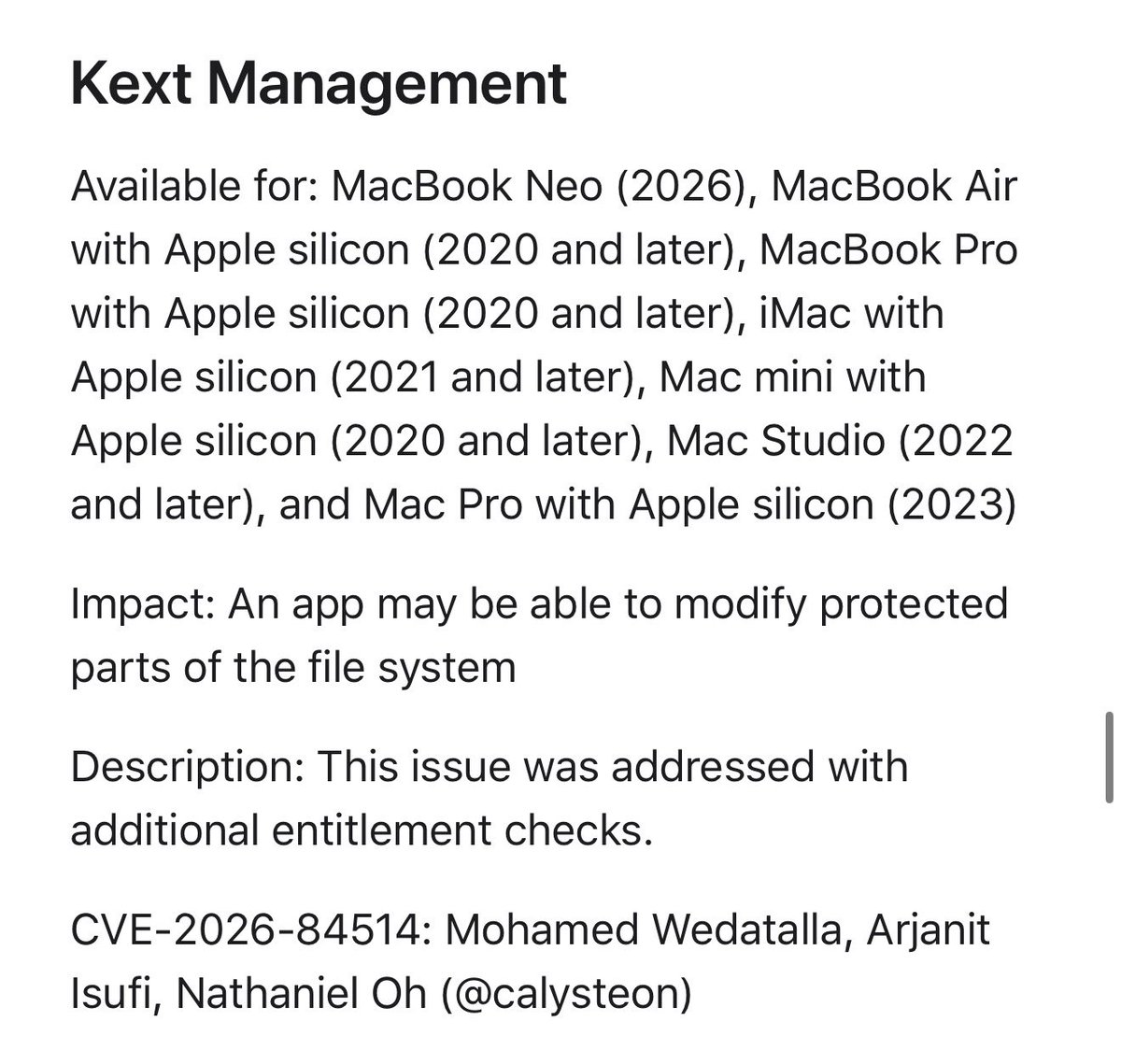
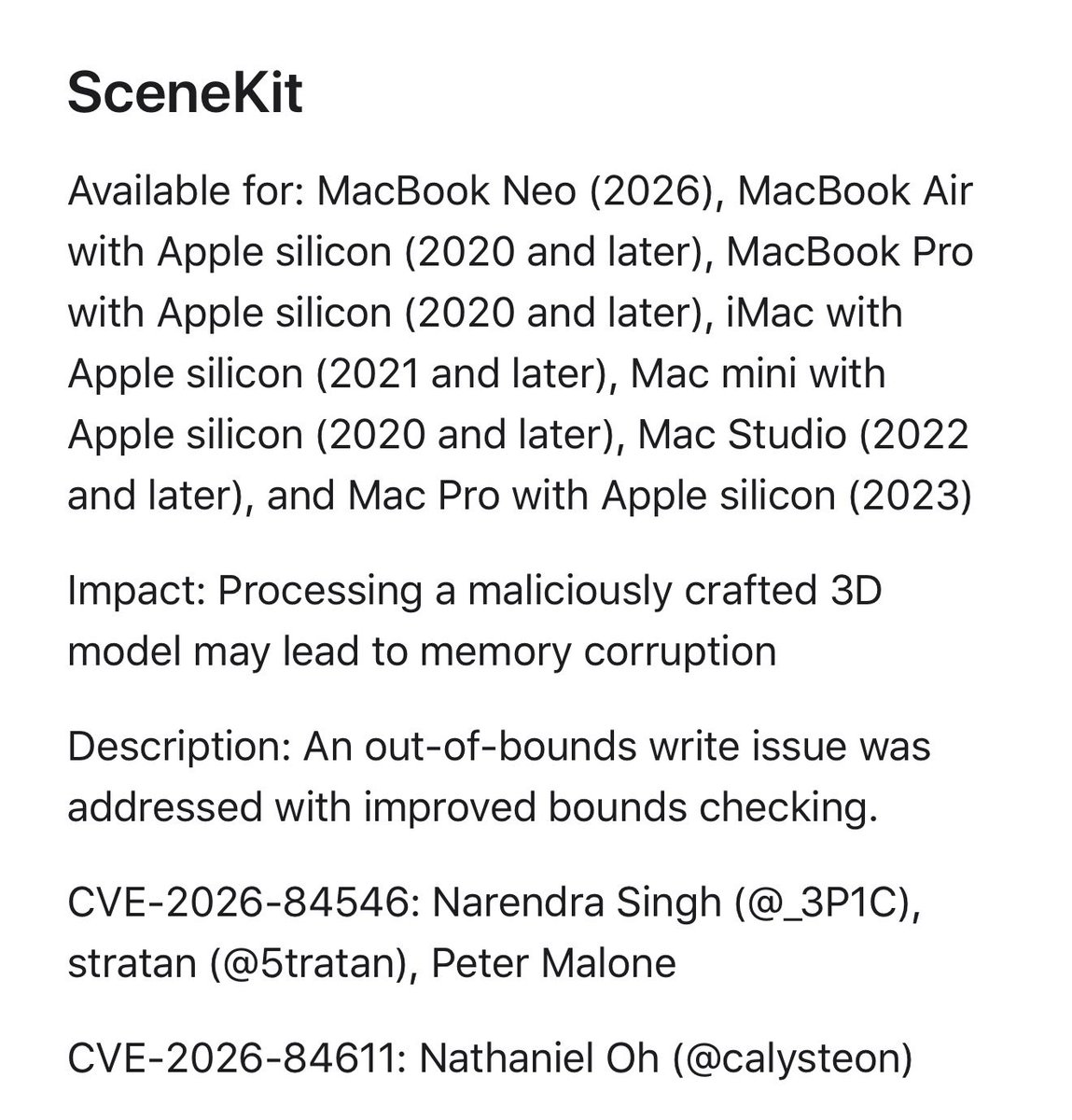
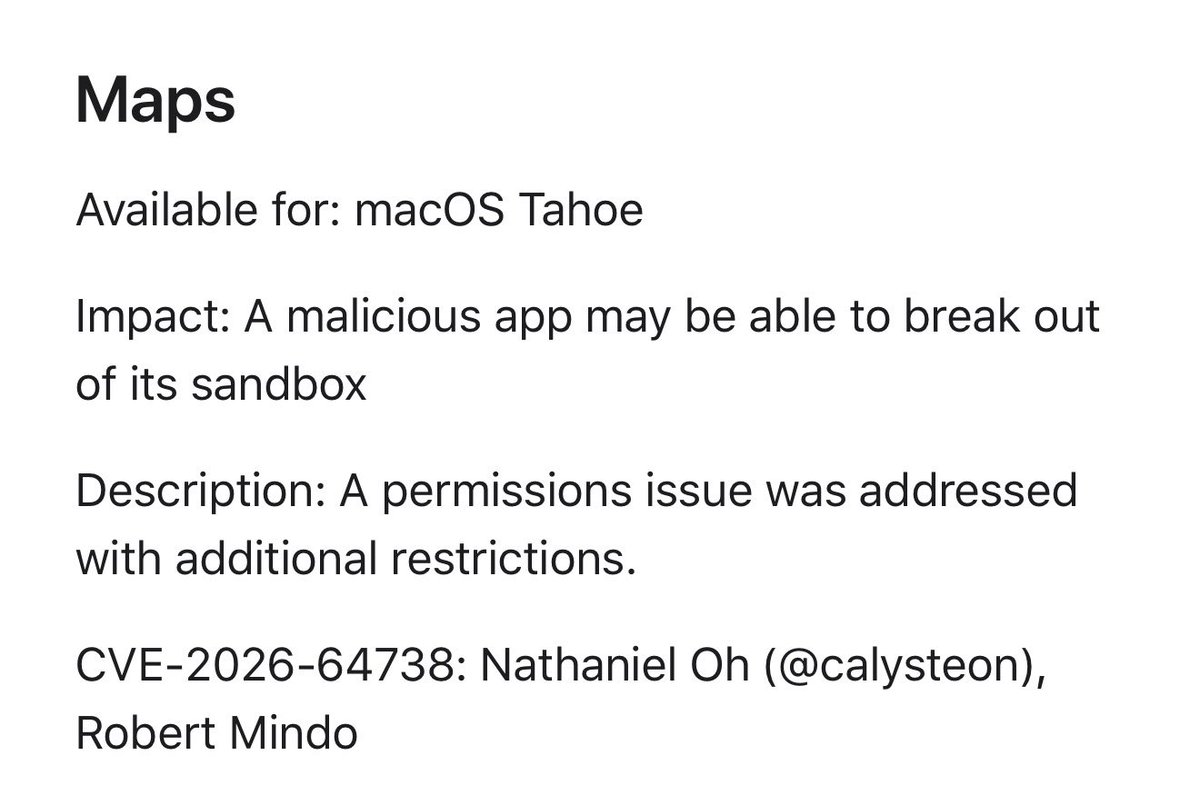
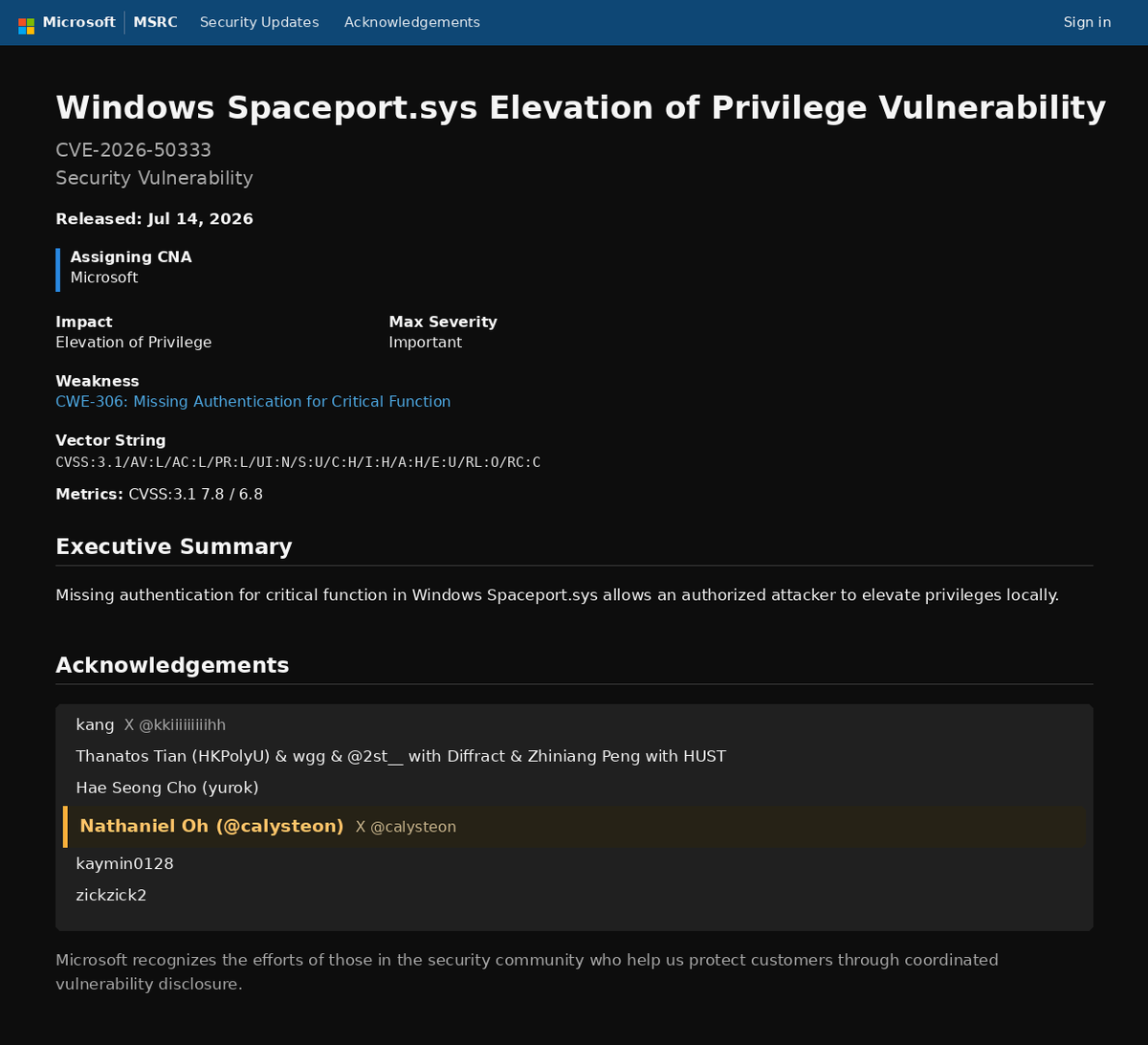
These CVEs grew out of a breakthrough in how I use local language models: making them more capable without making them bigger.
The research that made this possible is now public, with the paper, code and experimental results:
https://t.co/mJB69NTMuC
A model can know the relevant concepts yet fail to connect them when examining complex code. Dynamic shaping changes how its existing computational components interact, helping it make those connections without retraining or increasing model size.
In vulnerability research, those connections matter: individually ordinary operations can combine into unsafe behavior. That’s how the underlying research connects to these findings - improving the model’s ability to recognize those relationships.
These CVEs grew out of a breakthrough in how I use local language models: making them more capable without making them bigger.
The research that made this possible is now public, with the paper, code and experimental results:
https://t.co/mJB69NTMuC
@gergely_kalman@rosyna Mid-mount mutation is a good idea and I suspect the buffer cache is what keeps blocking it. I ended up finding a header that I was able to modify that then leaked back some kernel heap into the filename.
I've been looking alot at length-field-vs-buffer mismatches, and cd9660 came back as both vulnerable and reachable from a standard user on the latest version of macOS, which honestly surpised me.
People write off these kexts as inactive, but inactive is not unreachable. An unprivileged app writes an ISO, attaches it, and the kernel apparently parses a 1990s extension format with no optical drive necessary, all that's needed is an ISO that calls into it.
@Butuoyv1Eyer Not with this bug alone - since this one is effectively an unprivileged out-of-bounds read with no direct access to kernel-level primitives