Taxing 'luxury' second homes doesn't fix anything. It ignores the real problem: broken money that forces everyone into a desperate scramble for scarce assets just to preserve purchasing power.
Our money is broken. CPI is an obvious scam - inflation is not, has never been, and will never be anything near 2%. Real inflation has run closer to 8-12% per year *IF* you're fortunate enough to enjoy the survivorship bias of being from a country that has won every war it's been involved with for the last two centuries. What this means is that those who make the mistake of saving in dollars (or even worse, another fiat currency) will lose ~half of their purchasing power every 7-10 years.
So rational people flee to scarce stores of value: real estate, gold, art, equities etc. Until Bitcoin arrived 17 years ago, these were the best approximations of scarcity we had - especially land, since we're not discovering new surface area on Earth.
Of the ~$393 trillion in global real estate today, a huge chunk (likely half or more) isn't about shelter, memories, or utility. It's "land banking"—people protecting their wealth from monetary debasement.
That creates two big problems:
1. "Savers" get forced into real estate's long list of headaches and risks just to try breaking even in real terms: natural disasters, endless maintenance, property taxes, inability to easily sub-divide into smaller or more affordable units, visibility to threats/opponents, government confiscation (exactly what this policy does), illiquidity (hard to sell fast without slippage), and zero portability (try moving billions in property across borders) to name a few.
2. It sparks a massive bidding war, inflating prices far beyond normal housing demand. Result? In 1971, median US home was ~$25,000 with median household income around $9,000–10,000 (roughly 2.5–3x income). Today, median home price is ~$410k–$420k while median income is ~$83k–$106k - now 4–5x income or more. Housing has become dramatically less affordable for normal people. (https://t.co/0zp4B6Kfru for more)
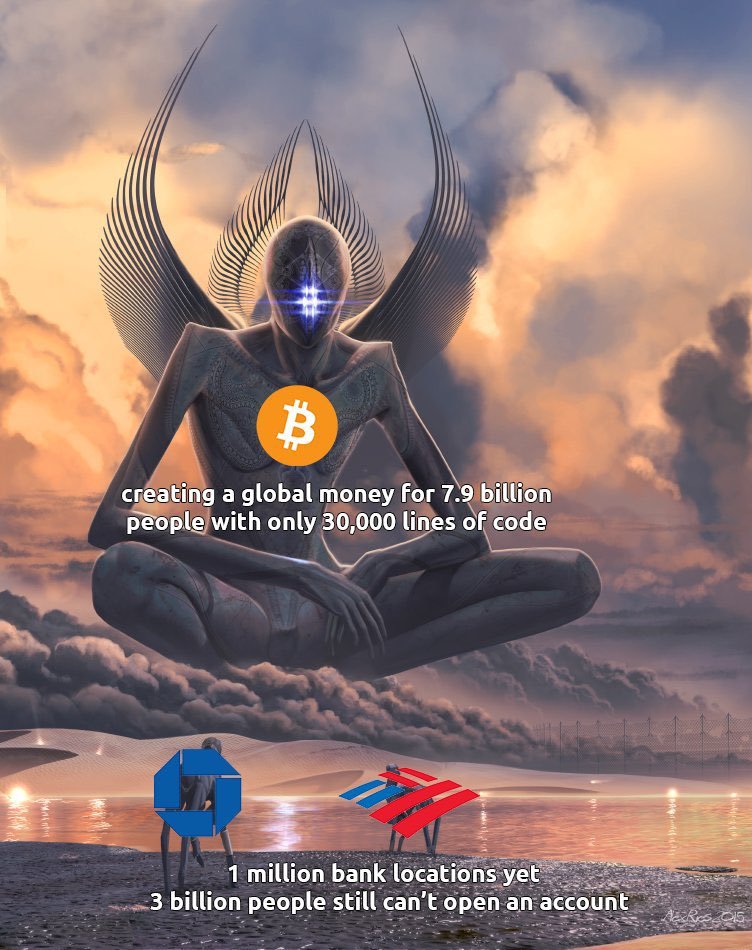
Bitcoin solves both issues. It's perfected, immutable, portable, unconfiscatable, divisible, and verifiably scarce capital. No maintenance, no taxes on holding, instant global settlement, and it cannot be stolen or damaged like physically instantiated property.
If you're following along, you already get that CPI understates reality and why people chase hard assets. Once you dig into Bitcoin, you'll see an inevitable multi-hundred trillion-dollar shift from broken stores of value (like over-financialized real estate) into the network over the coming decades.
The beautiful part? As that capital rotation happens, it actually helps make real-world goods and housing more affordable for everyone else. It will just be even more affordable if you start to understand today 🧡
I don't think it was the point of this video, but it happens to be a better Bitcoin advertisement than anything we could've made with a billion dollar budget.
if only it wasn't a pyramid scheme, didn't use too much electricity, had intrinsic value, couldn't be hacked by quantum computers, and wasn't banned by governments.
😁
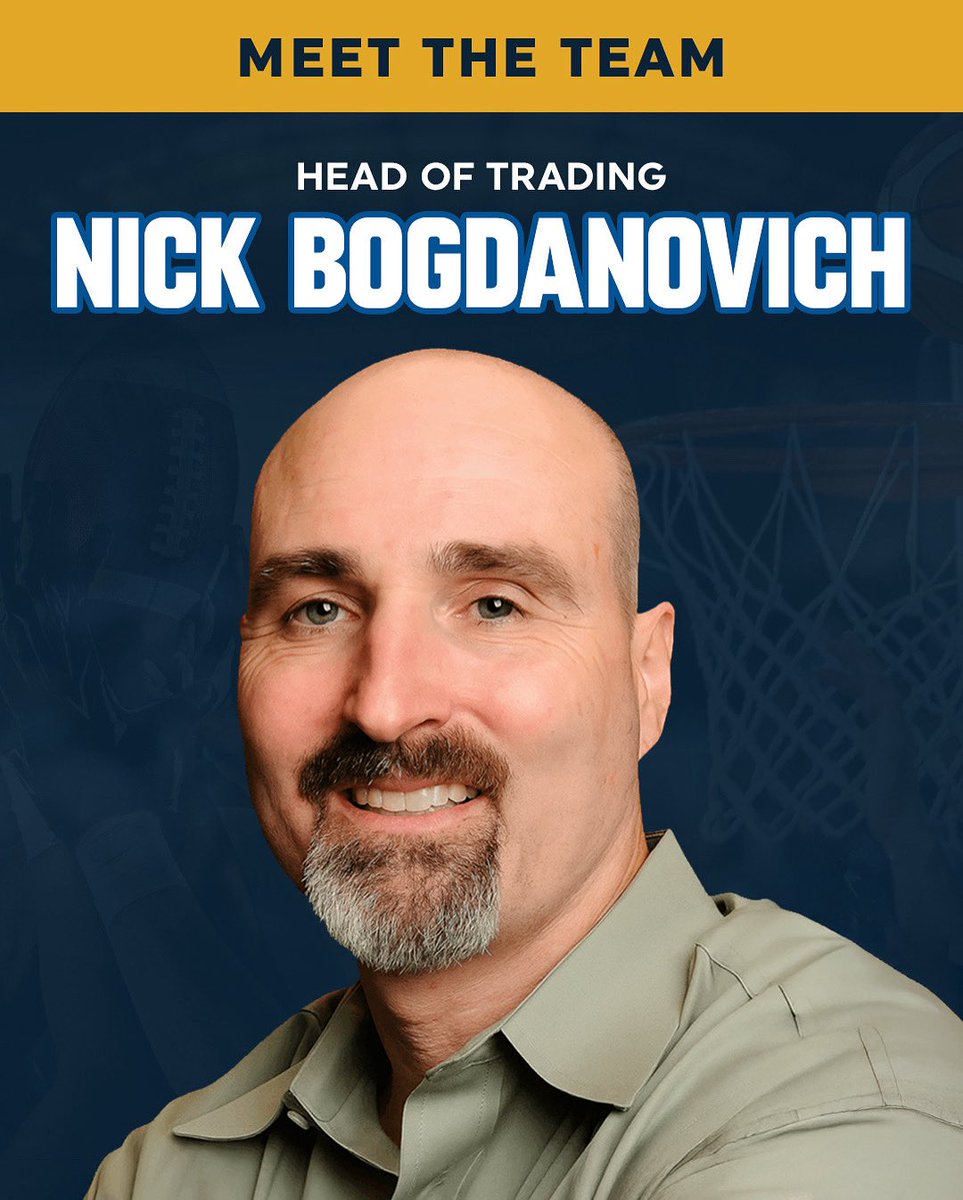
Meet Nick Bogdanovich, our Head of Trading at Boomer’s Sportsbook.
A Las Vegas native with over 30 years of industry experience, Nick oversees everything from odds creation and market pricing to risk management across all sports.
This is the result of fiat money being terrible for saving, driving everyone to buy real estate as a saving account, driving the price of real estate up. 28 year old home buyers aren't just competing with other 28 year olds, they're competing with trillions of dollars of savings looking for a home. Only Bitcoin can fix this. First it lets you save in something that appreciates faster than homes, so you can buy a home. And more importantly, in the long run as more people realize this and save in bitcoin, it will eat away investment demand for homes and return homes to being a regular consumption good which declines in price constantly. We really gotta get you on the Bitcoin train, Mel. Read The Bitcoin Standard, I'll gladly send you a copy.