We are advertising permanent Research Scientist positions to work on developing our ocean, sea-ice, and regional climate models:
https://t.co/AHkO8M7h5W
Love coding and climate? We have great permanent jobs engineering the future code & infrastructure for global and regionally modelling in Canada: https://t.co/jTzMYIp8Pd
CCCma is looking for a full time computer scientist. Another great opportunity to join our modelling team. Applications close 31 Jan 2022:
https://t.co/i9N0NfDVc6
If you know how to code (F90, mpi, python), and want to work on climate / Earth System Modelling we have a great (permanent!) job for you building CanESM:
https://t.co/7TdRwyIIMy
Please spread the word!
Over the past year (1 April 2019 - 31 March 2020) my local CCCma ESGF hub had:
- a 20x increase in traffic over 2018-2019
- 4m file downloads from 7,000 unique IPs
- 550TB of data downloaded.
Just the beginning of CMIP6 downloads.
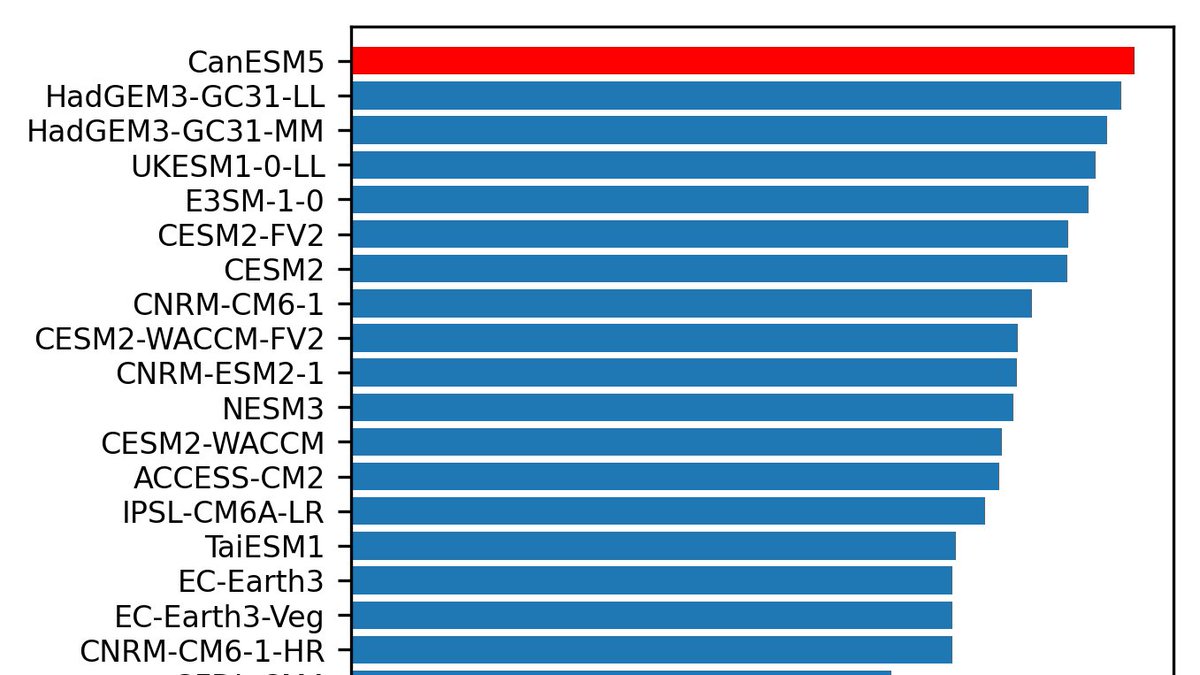
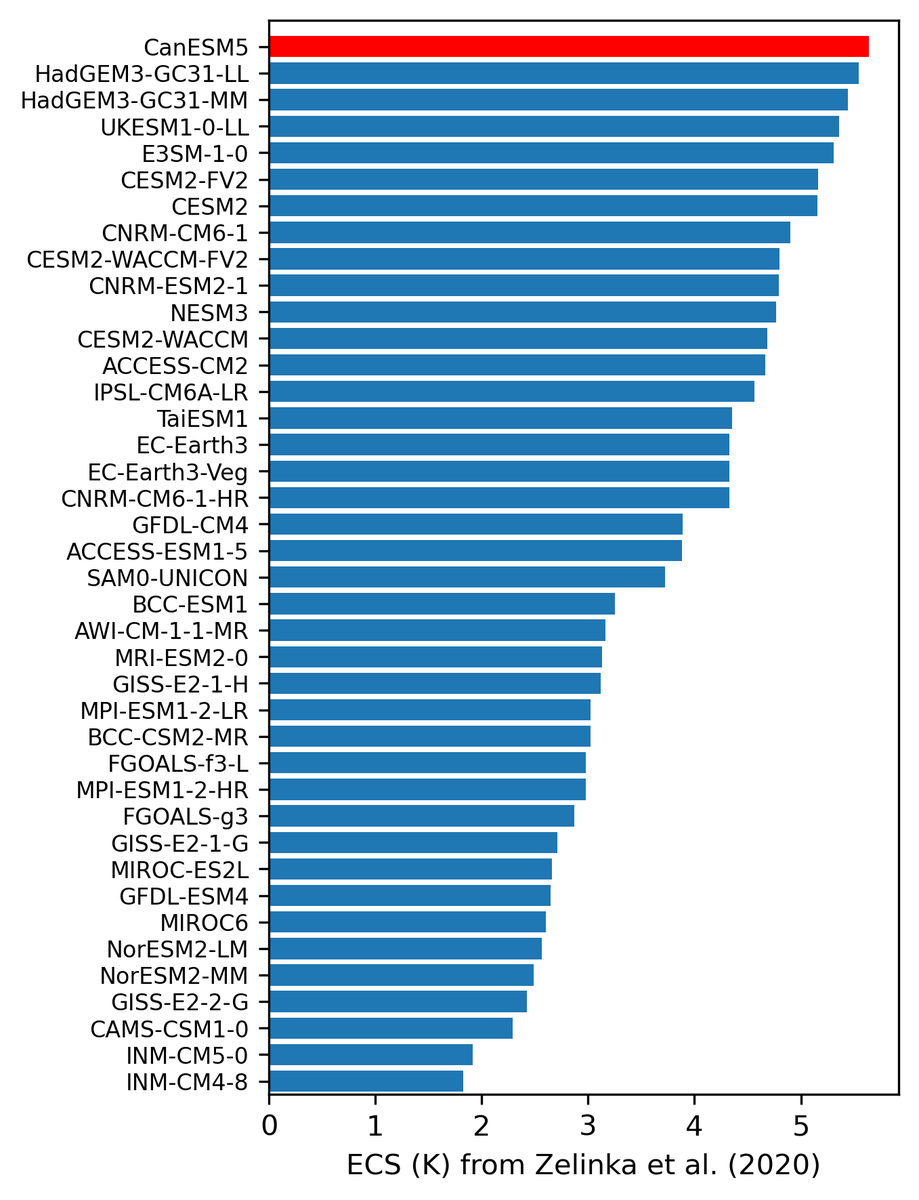
@fallingfrog80 The radioactive forcing did not change, but climate feedbacks became stronger in CanESM5. This is mostly attributable to changes in cloud feedbacks (improvements in cloud micro physics), with surface albedo, especially from sea-ice also playing a role....
@fallingfrog80 The basics are described in https://t.co/izCvevEmcF and futher papers are forth coming on the influence of changes and parameter selection in the cloud microphysics.
@sean_ridge LoL, "updating cloud physics" is how I got here (and ocean/ice/land models)! Understanding if it is the improved physics, or just parameter choices in the physics is what I'm exploring, but there was an explicit choice not to tune my ECS for v5/CMIP6.
My CMIP6 statistics so far:
- 200,000 years of simulation
- 105 experiments across 15 MIPs/Activities
- 100 million+ core-hours of computation
- 30 PB of data on tape
- 5 PB of data on disk
- 0.5 PB of data on ESGF
...and counting...💪💪💪
I've just completed 5000 years of climate simulation, testing 15 different scenarios for the climate impacts of COVID-19 related emissions reductions over the next few decades. Phew. #COVID19#ClimateChange
Global temperature rise in the latest models (CMIP6) matches historical observations well...and show future warming largely depends on the our emissions choices today.
Possible due to @pangeo_data , reproducible from https://t.co/jXegswoam0
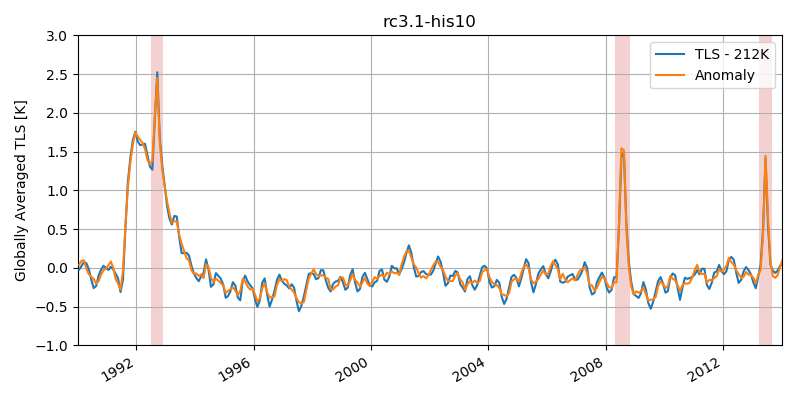
Several CanESM5 historical simulations feature periodic sudden warming events in the lower stratosphere. We are currently working to understand these, as seen below in `r10i1p1f1`. Stay tuned for updates.