It’s 11:00pm on a Friday night in San Francisco and Corgi Café is packed.
I don’t mean “a few people working late.” I mean the room actually has energy. Laptops open, conversations happening, people building, pitching, debugging, recruiting, thinking.
It almost feels like an airport terminal for builders.
Airports are one of the few places that operate 24/7. People are always arriving, leaving, waiting, working, moving. Everyone has somewhere to go.
Corgi Café, also operating 24/7, has that same feeling, but for startups. People coming in and out at strange hours, everyone on their own mission, nobody fully switched off.
I came to SF for three months to understand if the energy was real. I had heard all the usual things from founders and investors. “You need to move to SF.” “AI is happening here.” “You need to be in the room.” These things can sound very generic from the outside.
Then you walk into a café at 11pm on a Friday night and it is full of builders.
That is when it starts to make sense.
In most cities, Friday night is when people switch off. In SF, there are still places where people are meeting, building and pushing.
That is what makes the city different. It is not just capital. It is not just talent. It is the density of ambition. The fact that you can randomly end up in a room where everyone is working on something.
Corgi Café feels like one of those rooms.
What @nico_laqua, @emily_yuan_ and the @UseCorgi team built here feels very SF: part café, part community space, part signal that builders still want to be around other builders in person.
This is the kind of room that explains why people still come to SF.
Smart glasses are not just a new screen. They are a new interface for physical work.
When I operated 60+ short-term rentals, our cleaners would mark a job complete but the property was never guest-ready only to later find it from guests that would check-in. Other times, they would call asking where linen, supplies or replacement items were stored.
Smart glasses could give cleaners property-specific guidance while their hands are busy. Agents could verify the work as it happens. Guests could look at a lock, thermostat or appliance and get immediate help.
At Cendra, we believe an agent shouldn’t stop after answering a message. It should carry the context into the physical operation and follow the task until the outcome is real.
Today, that interface is WhatsApp and Voice. Tomorrow, it may be glasses.
The agent should come to the work, not force every worker into another dashboard.
Today, we’re launching the @link wallet for agents. It lets you securely empower agents to spend on your behalf. Your payment credentials are never exposed and you approve every purchase.
https://t.co/TcvEiVNth9
Claude told me at 6am: “Are you sure you want to keep going?”
That’s when it hit me.
Building has completely changed.
Founders are closer to execution than ever.
Speed up. Ownership up. The bar is higher now.
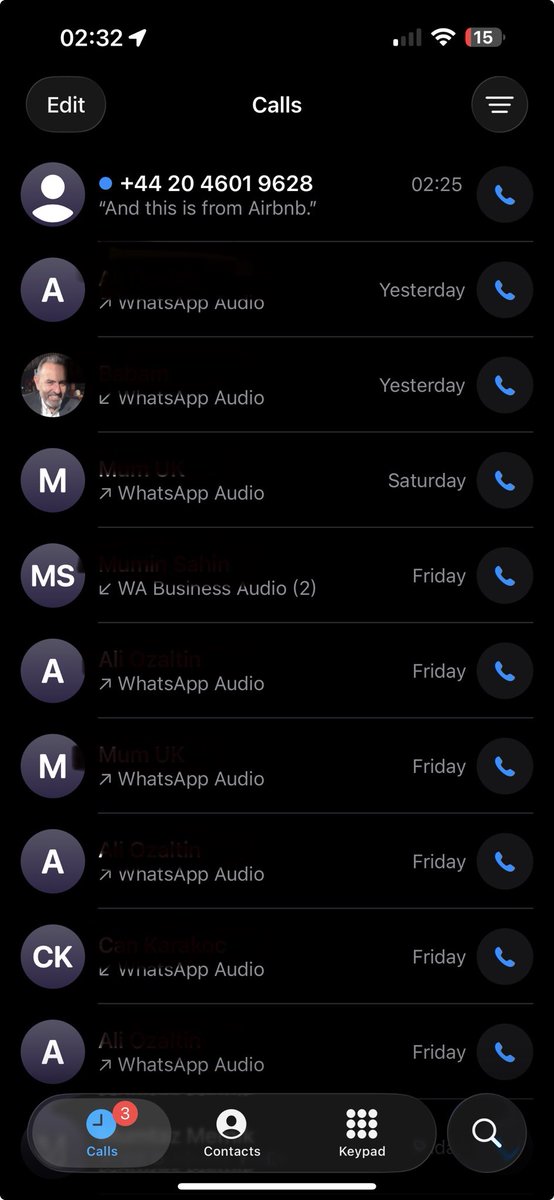
Got a 2:30am call today about a case I had already decided.
This is the kind of operational noise hospitality managers should not handle.
The future is agents that answer, hold context, filter follow-up, and escalate only real exceptions.
Humans decide. Agents absorb the chaos
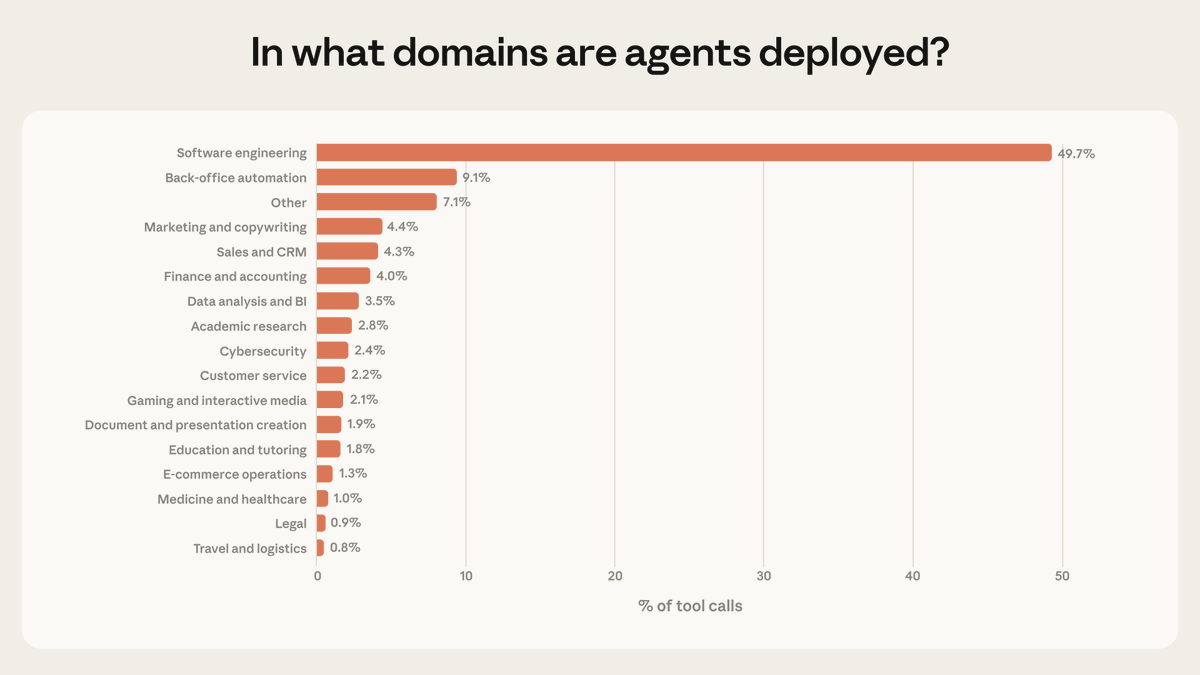
Software engineering makes up ~50% of agentic tool calls on our API, but we see emerging use in other industries.
As the frontier of risk and autonomy expands, post-deployment monitoring becomes essential. We encourage other model developers to extend this research.
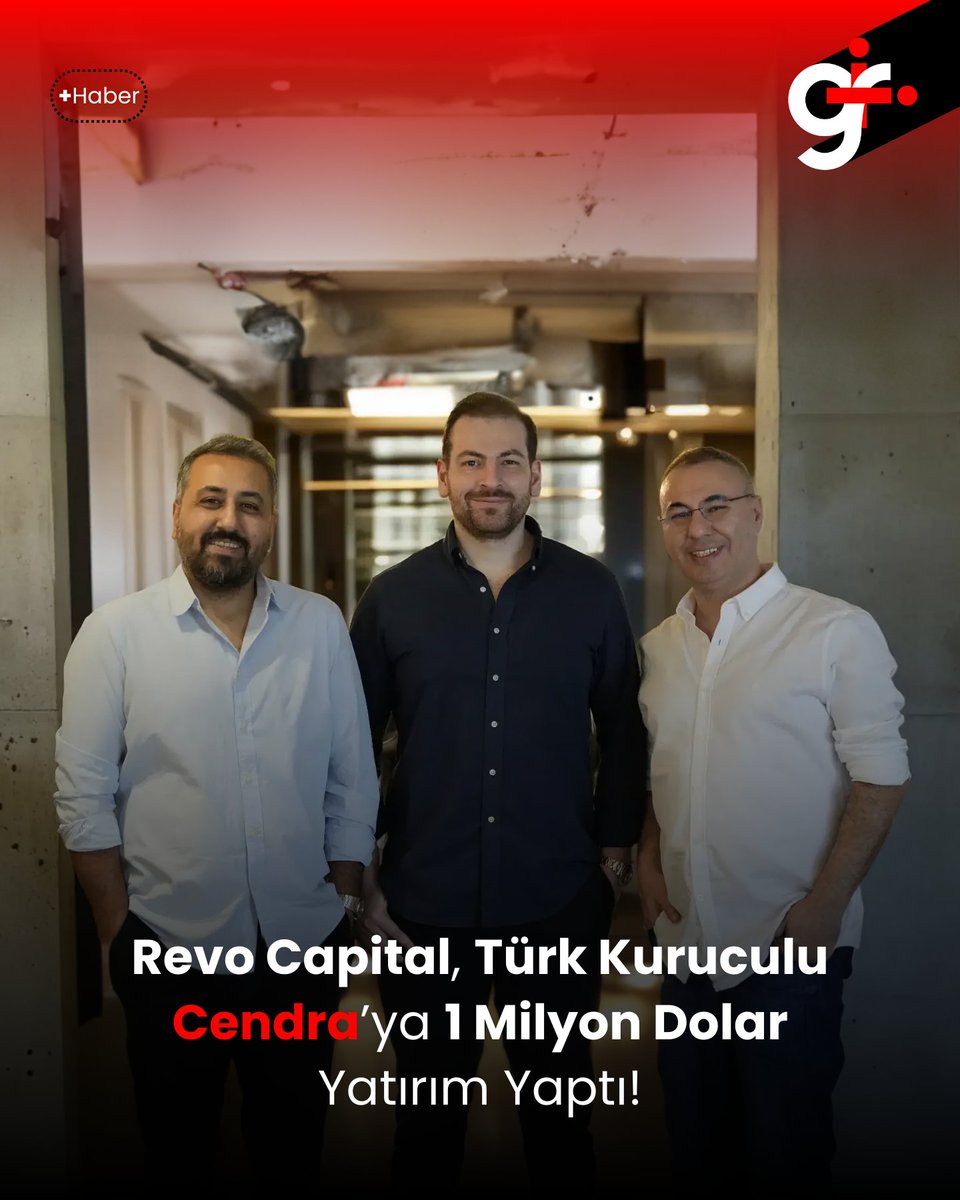
Türk kuruculara sahip ABD merkezli Cendra, Revo Capital liderliğindeki tohum turunda 1 milyon dolar yatırım aldı. Konaklama operasyonları yöneten girişimin yatırım turuna APY Ventures, Türkiye Kalkınma Fonu ve Heartfelt VC gibi isimler de katıldı. https://t.co/geof6LGSGK
Yapay zekâ destekli konaklama operasyon platformu Cendra, Revo Capital liderliğinde gerçekleşen tohum yatırım turunda 1 milyon dolar yatırım aldı. Yatırım turuna ayrıca Heartfelt VC, Türkiye Kalkınma Fonu ve APY Ventures de katıldı.
We almost broke Google indexing because of our AI prerender setup.
Sitemap was valid. URLs were fine. Googlebot still failed.
The issue? Our AI prerender was hijacking /sitemap.xml. 🧵👇
#SEO#AI#WebDev#Startups#loveable#prerender
🚨 @Revolut launches “Street Mode”, one of the smartest security upgrades we’ve seen in fintech this year.
Phone thefts are exploding.
And the threat has evolved:
Criminals now force victims to complete the selfie check before running, a trend known as “transfer mugging.”
Revolut’s answer? Context-aware security.
What Street Mode does:
You set “Trusted Locations” — home, office, hotel, wherever you feel safe.
Inside those zones → transfers work normally.
Outside → any transfer above your limit triggers:
✅ Extra selfie verification
👉 Mandatory 1-hour delay before funds can move
That one hour is the kill switch.
A critical window for you (or Revolut’s fraud team) to freeze everything before money disappears.
Why this matters:
Traditional bank security is static.
Same rules whether you’re on your couch or walking through a crime hotspot at 2 AM.
Revolut is building adaptive financial security:
Rules and protections that respond to your environment, not just your device.
Over 1 million users already enabled Revolut’s Wealth Protection feature.
Street Mode extends that logic to real-world threats.
@varunram Not zero - still equity on paper with 100m ARR and access to 1m developers. But when Google takes the brains, not the shares, it sure feels like zero. 😵💫