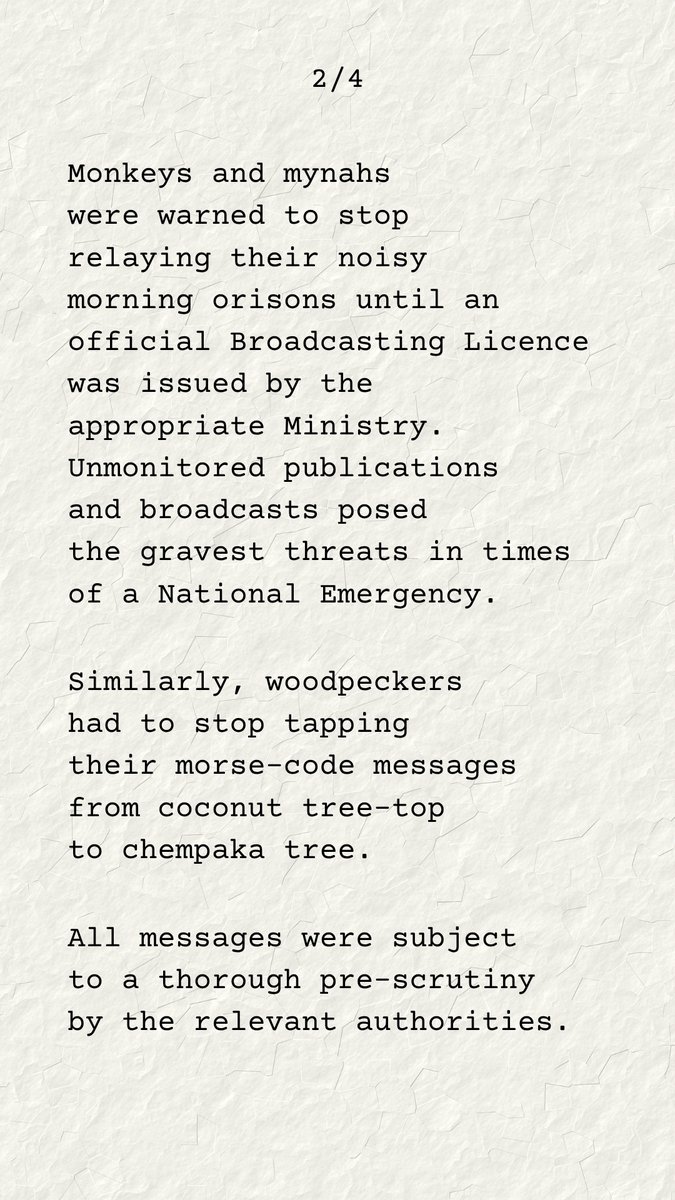
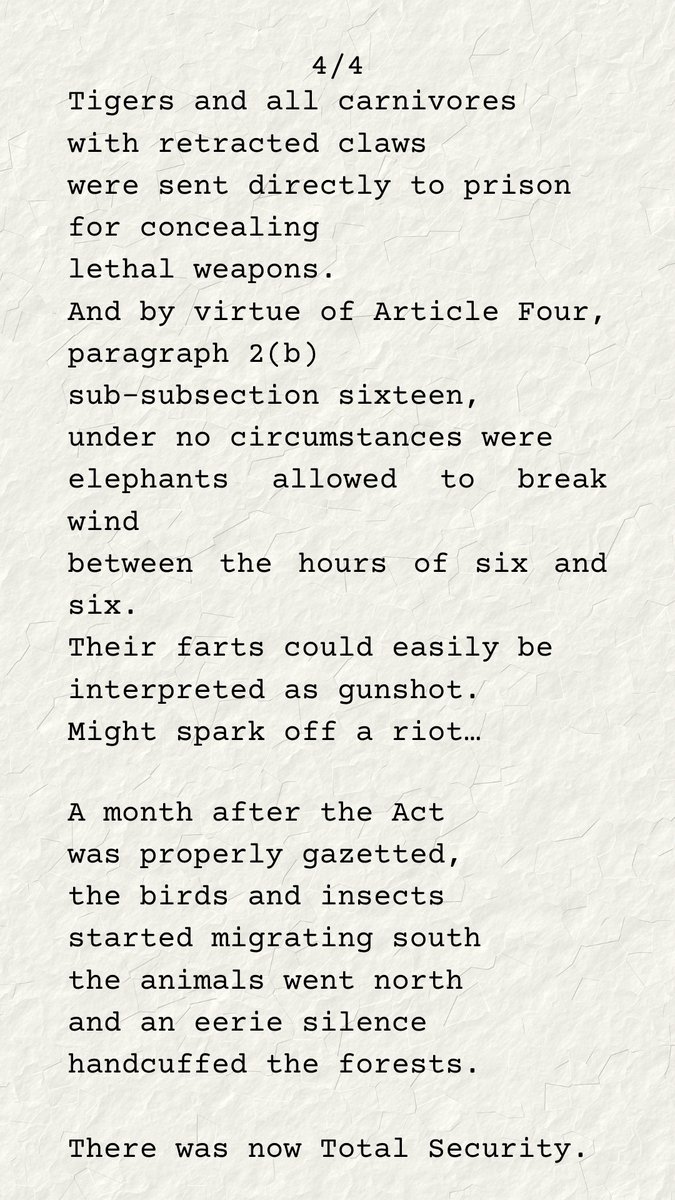
Even by the standards of a country ranking 157 of 180 nations in the World Press Freedom Index, the reaction of the authorities to the ‘Cockroach Janata Party’ is beyond extraordinary. The public response to that imaginative prank should have signalled to them a deep discontent, even distress, among young people. Instead, as The Indian Express reported, it was framed as jeopardising the country’s ‘national security’ and ‘posing a threat to the sovereignty of India.’ Decades ago, the Malaysian lawyer and poet Cecil Rajendra wrote this brilliant poem that captures the idiocy of it better than any pompous editorialising could (not that our ‘mainstream’ media would dare do even that much).
आज की रात बहुत गर्म हवा चलती है,
आज की रात न फुटपाथ पे नींद आएगी,
सब उठो, मैं भी उठूं, तुम भी उठो, तुम भी उठो,
कोई खिड़की इसी दीवार में खुल जाएगी
--Kaifi Azmi
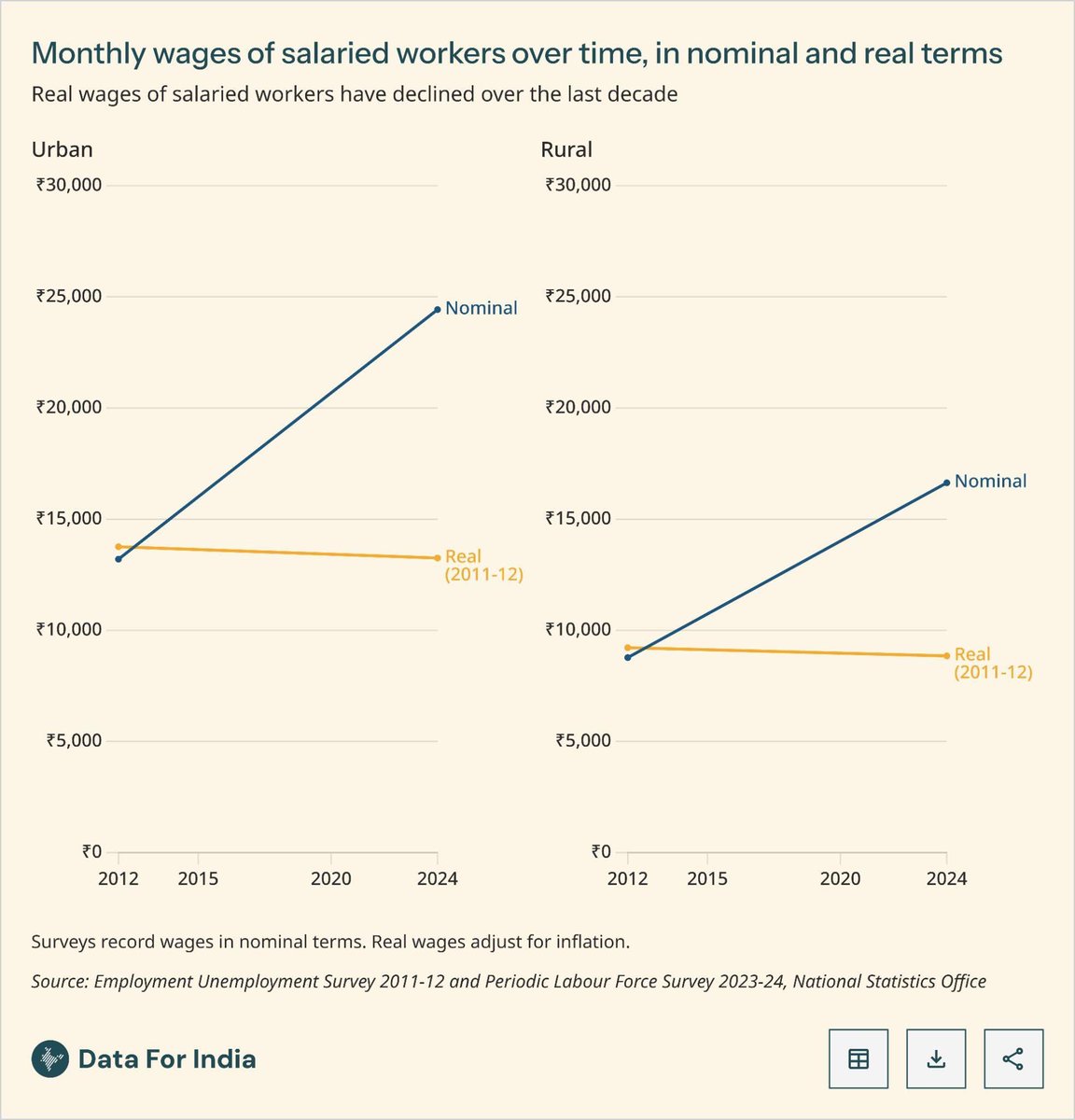
.@Rukmini: The monthly average salary in India increased by about 90% from 2012 to 2024 in nominal terms, meaning that it nearly doubled in just over a decade. But adjusting for inflation, the average salary actually fell 4% over the period. https://t.co/Bxbrxhzwdb
"Hierarchy doesn't exist because it's a good way to run a company. It exists because, for 2,000 years, it was the only reliable way to move information through a large group of humans. Span of control, layers of management, the whole pyramid ....it's information plumbing..." - @jack
This came from the Jack Dorsey / @bhalligan episode of Long Strange Trip Podcast.
In design thinking there's a practice of surfacing orthodoxies.
Orthodoxies are invisible constraints - things we accept as fixed simply because "that's the way it's always been done."
One of the first principles of a good design workshop is to surface these orthodoxies, challenge them, and ask: if we were starting from scratch today, would we design it this way?
Dorsey is essentially asking that question about the entire architecture of the modern company.
AI is a paradigm-shifting technology... on par with fire, the wheel, the printing press. Which is why you must ask yourself this question: are you rebuilding around intelligence, or bolting AI onto what already exists? Are you using AI to fundamentally rethink how you and your team work or just as a co-pilot?
Jack's hypothesis: move away from the pyramid, create a circle. Intelligence layer at the center. Humans at the edge, constantly steering toward the right outcomes, making the final calls ... with AI surfacing the ground truth that politics and hierarchy normally obscure.
The intelligence layer, in Dorsey's framing, is an attempt to close the gap between what's actually happening and what leadership thinks is happening.
That gap, in most organizations, is enormous. I'm not convinced this is THE org model of the future. But it is A model and an interesting one.
As you think about the next half decade, it's worth asking honestly: are you rebuilding from first principles, or just retooling what already exists?
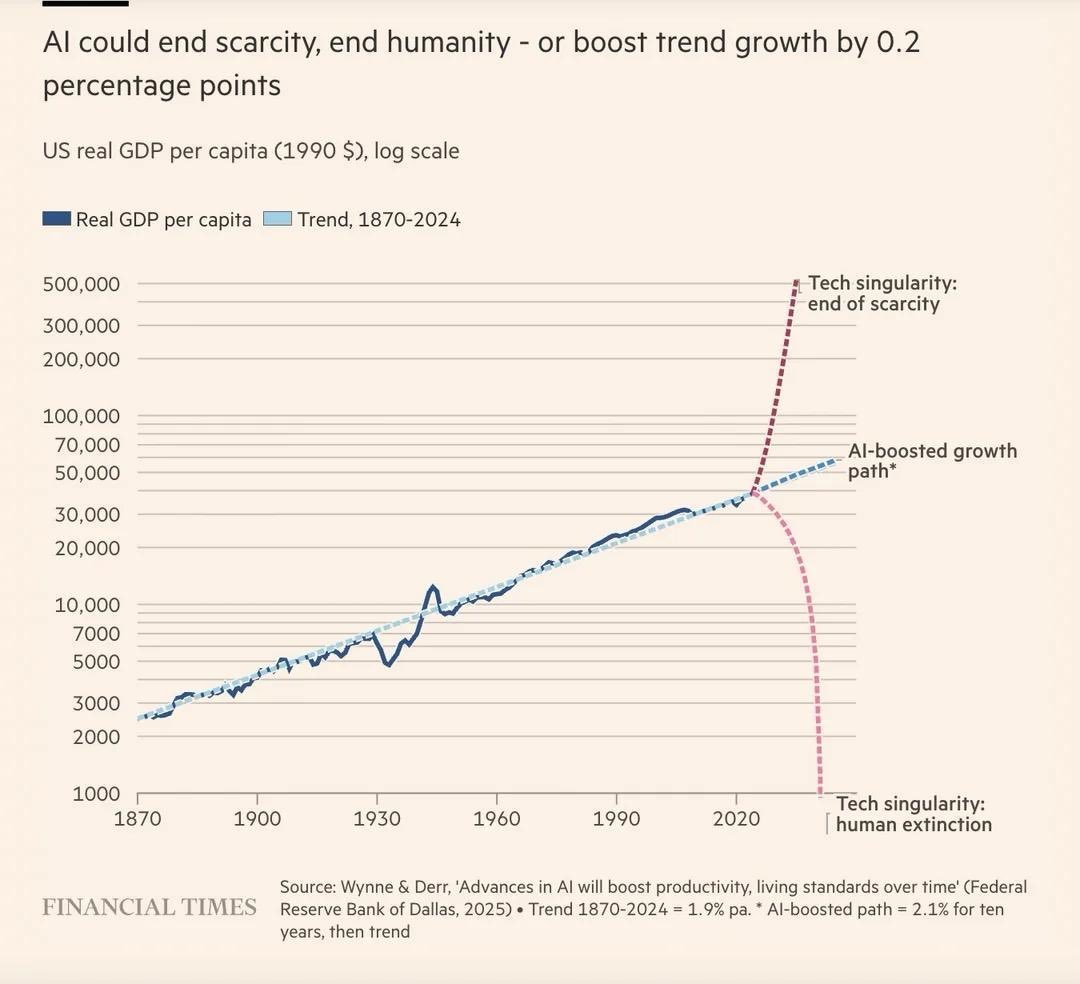
Probably the funniest graph ever published by the FT: our 3 possible futures are either 1) infinite wealth and abundance, 2) human extinction or 3) 0.2% faster GDP growth 🤣
This speech by Governor Andrew Bailey on the difference between central bank 'independence' for monetary policy versus for financial stability is just great. I suspect this difference will attract increasing attention. @bankofengland@BoE_PressOffice
https://t.co/K3wdLYUgIO
I usually avoid responding to singular tweets, but this one from the Union Minister of Parliamentary Affairs cannot be ignored. It is the right of every opposition party, in fact every citizen to question all the arms of government. Calling it an attack on democracy is against the very grain of democracy. This idea propagated by the present government that the entire opposition is a negative force is the real threat to democracy.
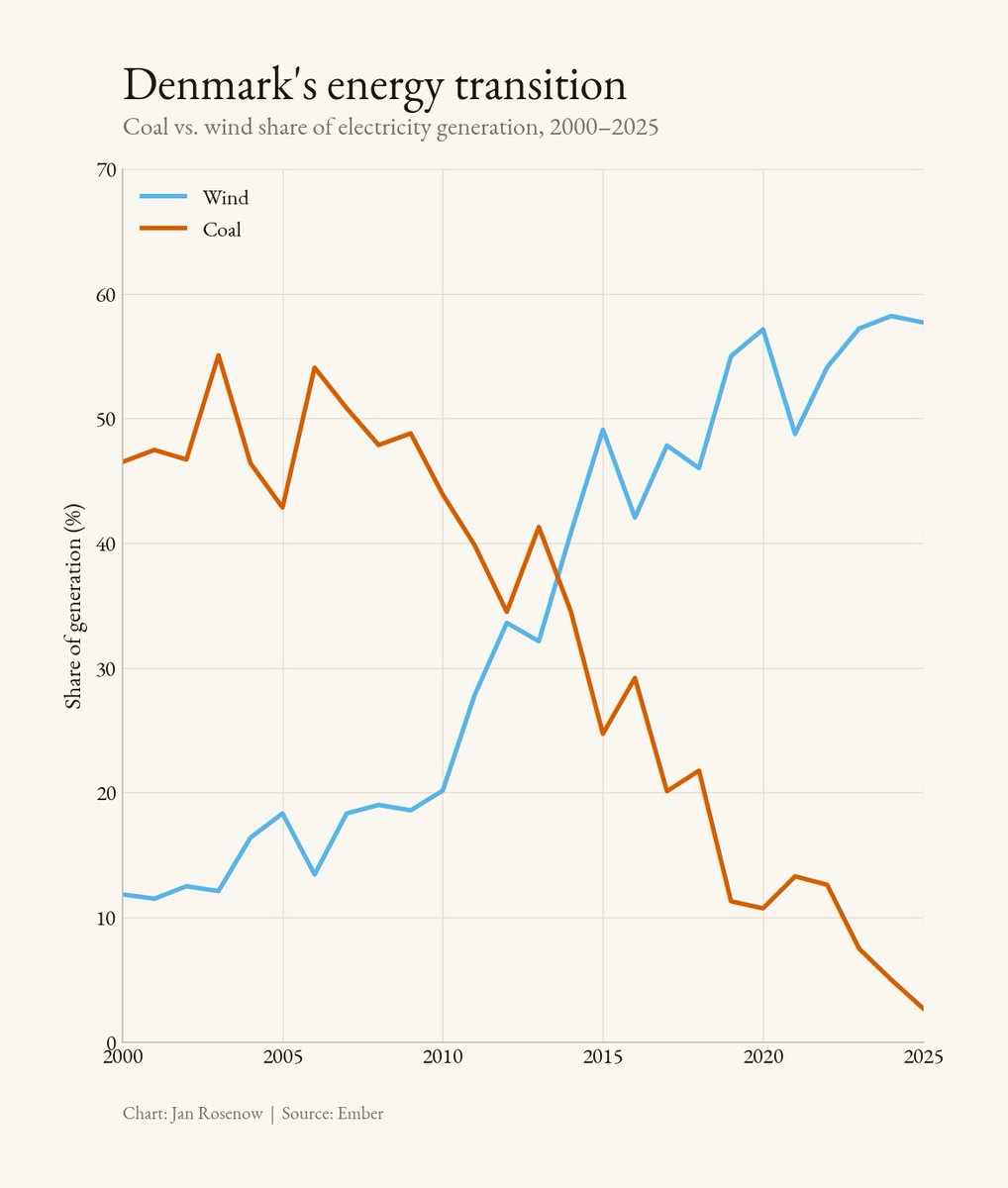
Denmark's coal-to-wind transition is one of the most dramatic energy transformations of the past three decades.
In 1990, coal provided 90% of Danish electricity. Today it is under 3%.
Wind now covers roughly 60% of electricity generation.
Beware the Power of Prediction: What do the story of Oedipus and your insurance premiums have in common? They are both driven by self-fulfilling prophecies
Brilliant on AI from @CarissaVeliz
https://t.co/LJmSkMAqZz via @YouTube
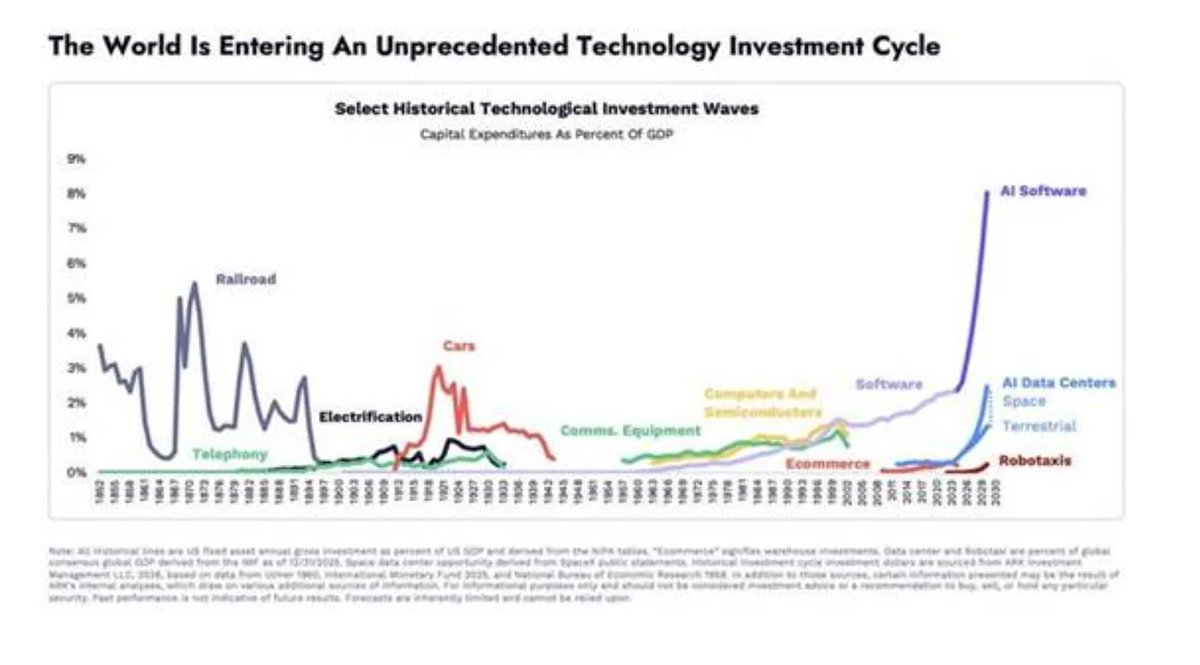
Because it combines technological waves with macroeconomic quantities, this is such an important graph (quibbles about quantification aside). More on this in the Chartbook Top Links.