We are attending the Web3 Danang @W3BDN@sqrDAO offline event 🇻🇳
Great to connect with builders, founders, and communities shaping the next wave of Web3.
If you are in Da Nang and building in the RWA ecosystem or on Base, let’s connect.
DM us, PIPO is always open to new conversations, collaborations, and ecosystem partnerships.
Native $HYPE staking gives you base rewards.
$tHYPE adds another yield layer through Treehouse’s Market Efficiency Yield, a strategy that aims to capture the spread between borrowing rates and staking rewards.
That means $HYPE holders can earn native staking rewards, plus additional yield from rate-spread arbitrage, while keeping their position liquid and composable across DeFi.
Built on Kinetiq’s kHYPE infrastructure, now expanded to Hyperliquid.
Try the vault:
https://t.co/id5pv4PvMB
Read more:
https://t.co/JuAmnY6rWH
Hyperliquid
Ethereum L1 is back at the center of RWA activity.
According to Token Terminal, both RWA market cap and monthly transactions on Ethereum L1 have reached new all-time highs.
RWA market cap now sits around 27B+, while monthly transaction count has climbed to roughly 74M+.
As tokenized assets scale, Ethereum remains one of the key settlement layers for real-world finance.
RWA is widely expected to become one of the most important sectors in crypto, but integrating real-world assets into DeFi is more complex than simply putting assets on-chain.
Most DeFi infrastructure was originally built for crypto-native assets like ETH and BTC.
These assets trade 24/7, update prices continuously, have deep on-chain liquidity, and can be liquidated almost instantly when collateral value falls.
Real-world assets work differently.
Assets such as treasuries, real estate, private equity, and gold are connected to off-chain markets, legal ownership structures, custodians, and traditional settlement processes. They may have limited trading hours, slower price updates, lower liquidity, and additional compliance requirements.
This creates a key challenge for DeFi: how can protocols safely price, settle, and liquidate assets that do not behave like crypto-native collateral?
One of the most important issues is the oracle layer.
For crypto assets, prices can often be sourced directly from liquid exchanges. For RWAs, the market must define which reference price should be used: real-time market data, institutional valuation, OTC pricing, NAV, or another off-chain benchmark.
That is why the next stage of RWA is not only about token issuance.
The real competition will be around infrastructure: reliable oracles, institutional-grade custody, compliant transfer frameworks, real-time settlement systems, and standards that allow RWAs to connect with DeFi safely.
In the end, the key question is not only whether an asset is on-chain.
It is whether that asset can integrate with DeFi in a way that is transparent, liquid, compliant, and usable.
Private markets used to be invite-only.
In this interview, PIPO CEO Igor Lipovetskyi @ceo_pipo explains how PIPO is building compliant access to pre-IPO opportunities through tokenized warrants.
Read more 👇 https://t.co/wIiEiYqZIU
Most people think pre-IPO = locked for years.
But tokenization changes the game.
With PIPO, pre-IPO exposure can trade on secondary markets before the company lists.
$0.30 → $1.50 → IPO
Trade before listing.
Hold for IPO.
Unlock liquidity earlier.
Join our waitlist: https://t.co/srGMpdV7qz
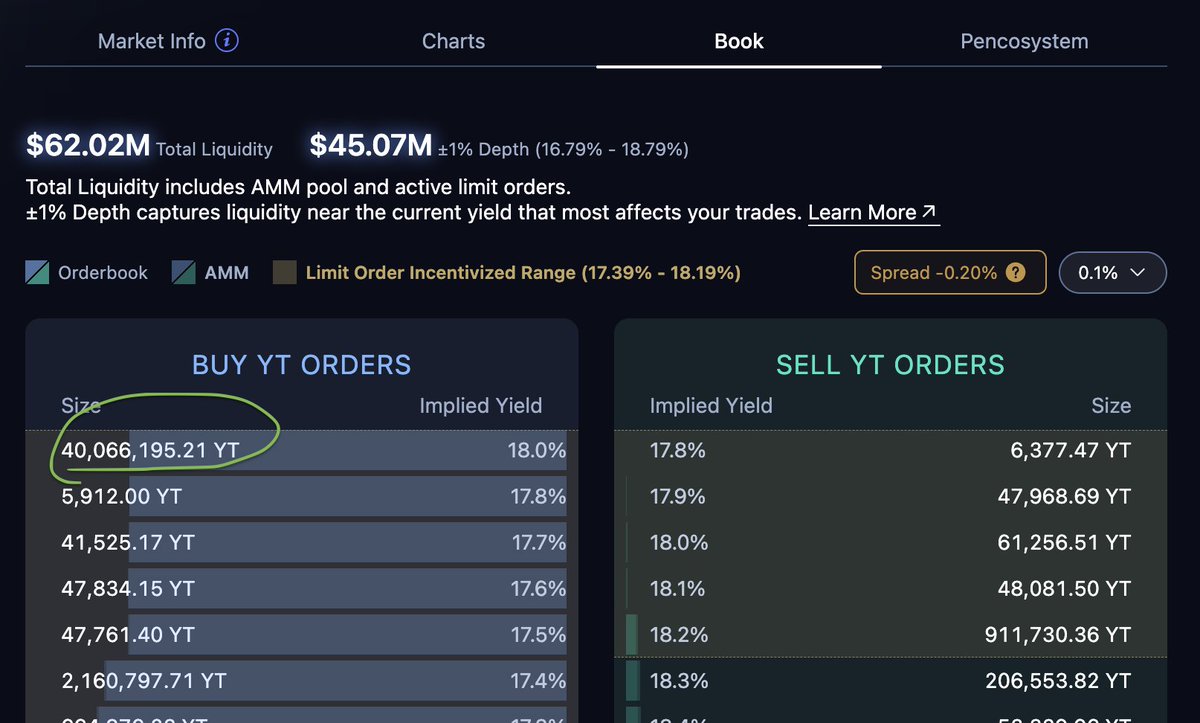
Top 1 on Pips Points Program leaderboard is still accumulating more YT ethereum:0x38eeb52f0771140d10c4e9a9a72349a329fe8a6a
He’s the same person who placed the 40M YT buy limit order
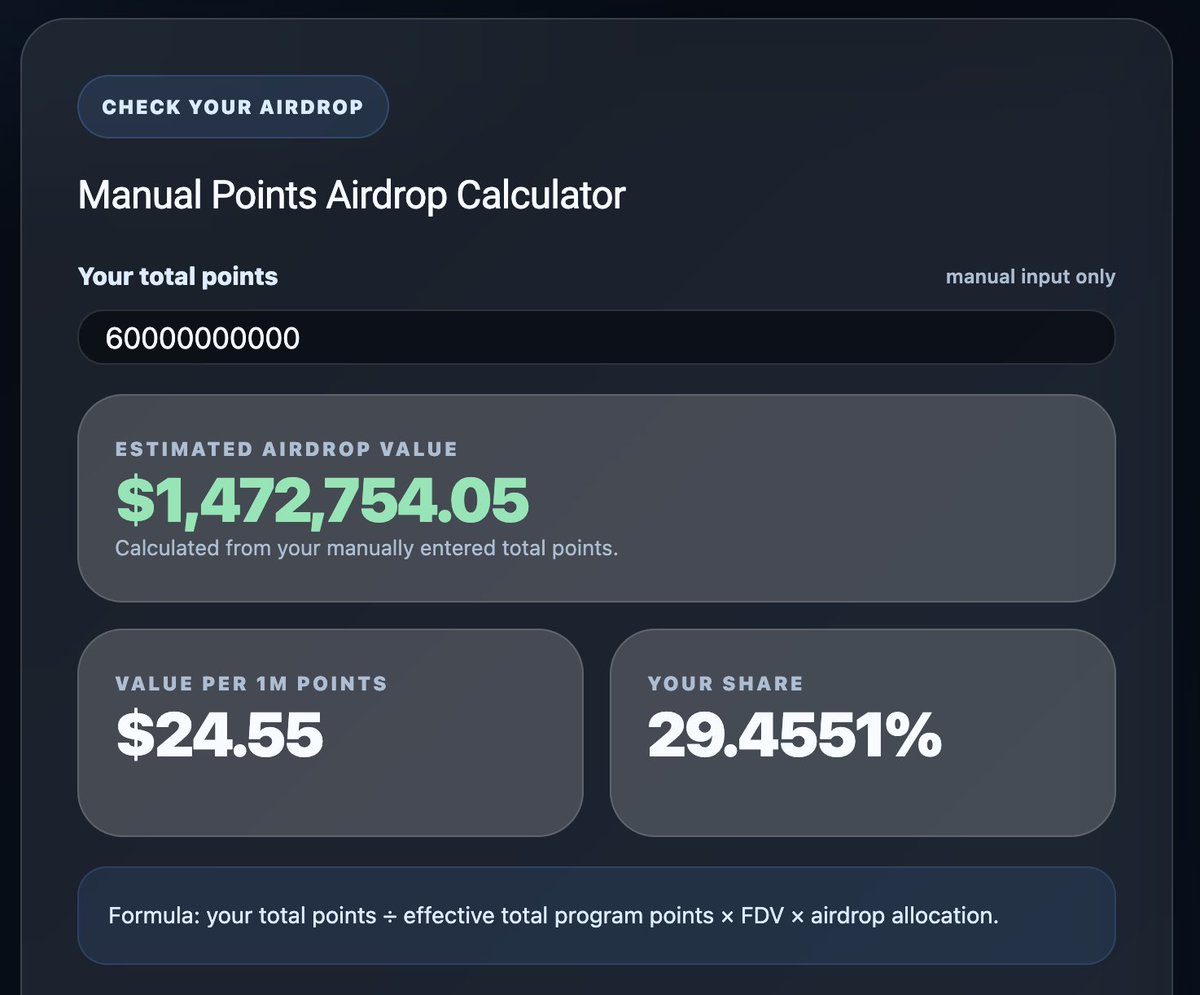
He is currently holding 60B points, almost 50% of the current total pips
Is he an insider, MM, regular whale bullish on $APYX, or @saylor?
He has already burned $500K on YT and could potentially receive $1.5M $APYX airdrop
https://t.co/OgdnaFitWI
#PIPODigest | May 11
Every week, we curate the top headlines, key insights, and important updates across global markets, macro trends, equities, tokenized RWAs, and pre-IPO opportunities.
Stay ahead 👇