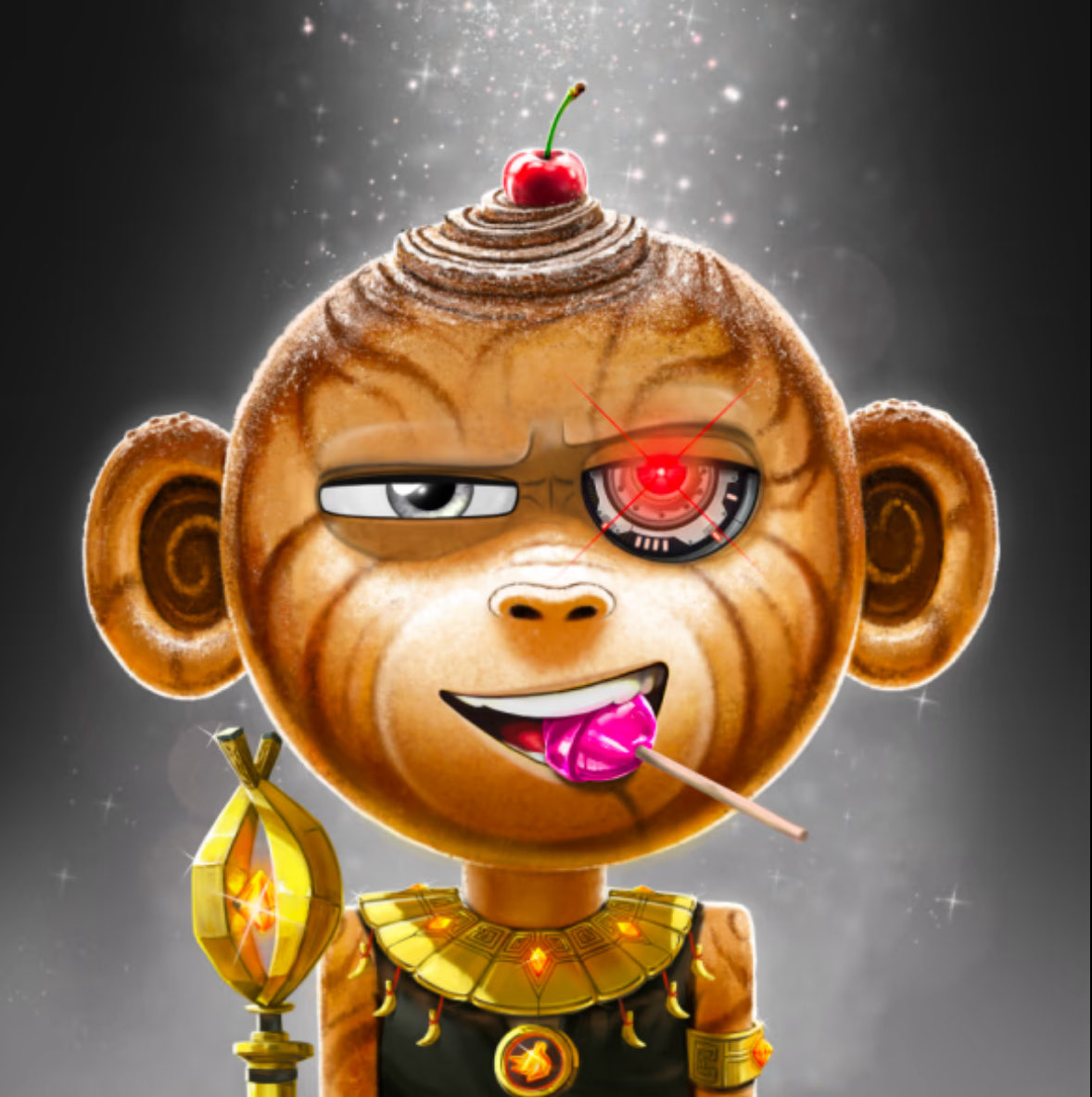
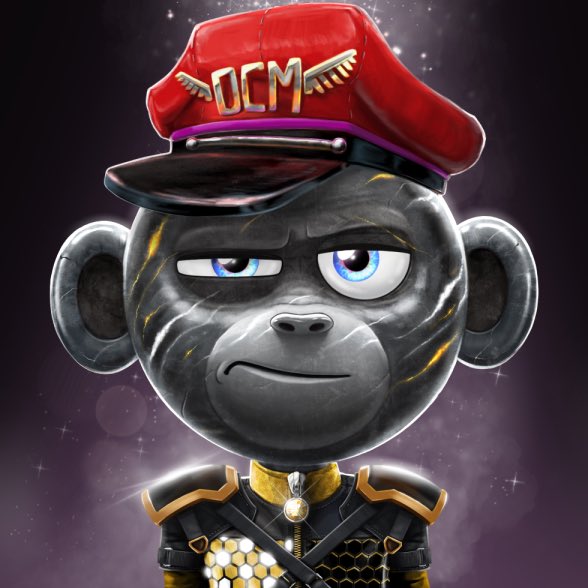
Yes. But it’s easier to understand than that. Every Parent is a collection. And their children are just a distribution piece proving ownership of a part of the collection within that Parent.
Maybe it’s easier if you don’t use the terms Parent/child. And you just say “here’s a 10k collection made up of 10k images inscribed on a single sat. I’m going to pass out 10,000 pieces that prove ownership of one of those images from my 10k collection.”
Art on Bitcoin using the Protocol standard for Collections and Provenance. Parent/Child !RISE @OnChainMonkey
• The Parent Inscription is the Collection.
Inscription 20219 is the Parent 10k collection of the OCM Genesis collection
• The child inscriptions are the individual pieces that exist within that collection.
Owning a child means you own that specific piece of the collection located in the Parent inscription.
• That’s where the provenance comes into play. The children are linked to the parent proving ownership of the piece inscribed within the parent collection.
• provenance is why most artists are using Parent/Child now. Proving their art came from their collection. Distributing their Ordinals as Children so their collectors can prove their Ordinal is from the artists collection.
Today's #CryptoGoro, Day1966 has minted!!
▶︎ GORO MANDARA KE ◀︎
Auction ends at 19 NOV 8:30 AM JST.
“A mandala is...an integrated structure organized around a unifying center.”
【34 days left】
Wall Street has figured out how to put assets on-chain. The harder part is what happens after.
Every tokenized asset still needs someone to keep the shareholder record, pay the dividend, process the split, and run the vote. In the U.S. alone, corporate action servicing is a $58B+ a year market.
At @Metagood_com, we're building that layer: transfer agent and corporate action infrastructure for the full post-issuance lifecycle, on-chain.
Issuance was chapter one. Chapter two is making the asset actually work once it's there.