One of the ironies of aging is that the people most likely to provide care are often the same people most likely to need it later.
Women frequently spend years caring for spouses, parents, children, and other family members. By the time they begin planning for their own future care needs, they may have already sacrificed income, retirement savings, and years of financial opportunity helping others.
https://t.co/tAwtVBP27u
#LongTermCare #Caregiving #AgePlanning
Imagina tener 75 años y pasar los fines de semana conduciendo pequeños trenes por tu jardín junto a tus amigos jubilados. Suena a una vida bien aprovechada.
Long-term care planning is often misunderstood as a way to pay for care.
This article is a reminder that the real goal is not simply funding care. It is preserving control over where care is received, who provides it, and how much of the burden is carried by those we love.
Its deeper purpose is to preserve choice when choices become harder to make.
🏡 Most Care Happens at Home—Is Your Family Ready?
When aging, illness, or recovery changes daily life, the first choice for most families isn’t a facility—it’s home. And for good reason.
Home care provides help with everyday activities like bathing, meals, mobility, and companionship—allowing you or a loved one to stay independent in a familiar environment.
But here’s what many families don’t realize👇
✔ Most long-term care actually begins at home
✔ Care needs often start small—but grow over time
✔ Family caregivers quickly become overwhelmed without support
✔ Medicare and health insurance offer very limited coverage
With Long-Term Care Insurance, you have guaranteed, tax-free benefits that can pay for quality care—including care at home—so your family doesn’t have to do it alone.
👉LTC News Long-Term Care Insurance Learning Center: https://t.co/0tTBgYdec1
✔ Professional caregivers come to you
✔ Your independence is preserved
✔ Your spouse and children avoid burnout
💡 The reality: Most people want to age at home—and today, that’s more possible than ever with the right plan.
👉 Learn more about your home care options: https://t.co/LSE8jHOYr8
@Voices4Seniors When someone becomes a caregiver, their own health, finances, relationships, and future plans often become part of the care plan too. We prepare extensively for illness. We spend far less time preparing for the people who will carry it.
Retirement stress tests are designed to answer a simple question: What happens if things do not go according to plan?
The uncomfortable reality is that many retirement projections assume relatively stable markets, predictable spending, and manageable healthcare costs. Real life is rarely that cooperative.
A major market decline early in retirement, persistent inflation, higher taxes, unexpected healthcare expenses, or a long-term care event—any one of these can alter the trajectory of a retirement plan. Several occurring together can fundamentally change it.
Perhaps the greatest retirement risk is not a single event, but the assumption that the future will resemble the past.
The purpose of a stress test is not to predict disaster. It is to remind us that retirement is not lived on a spreadsheet. It is lived in the real world, where uncertainty is often the only guarantee.
The question is not whether your plan works when everything goes right. The question is whether it survives when things go wrong.
#RetirementPlanning #AgePlanning #LongTermCare #RetirementIncome #LongevityEconomy
In that quiet room, with the laundry still waiting and the dishes in the sink, I realized something I keep forgetting: the love we give in caregiving doesn’t disappear. It circles back. Sometimes in a hand squeeze. Sometimes in a single sentence that feels like sunlight.
To every caregiver carrying the weight today- your presence is the gift. You’re not just helping someone live; you’re reminding them they’re still deeply loved. And that love is shaping you, too, in ways you may not see yet.
Keep showing up. The ordinary moments are where the extraordinary love lives. ❤️
Retirement has traditionally been framed as a search for a better lifestyle.
What many people discover later is that a trusted healthcare network can be every bit as important as the lifestyle they moved for.
Sometimes the best retirement destination is the one that keeps you closest to the care you may one day need.
'SoHo for seniors': Rich retirees fled to Florida for lower taxes — now they're buying 'med-à-terres' in NYC just to keep seeing their doctors
#PersonalFinance#Retirement#RealEstate
https://t.co/lxUesuy7Mw
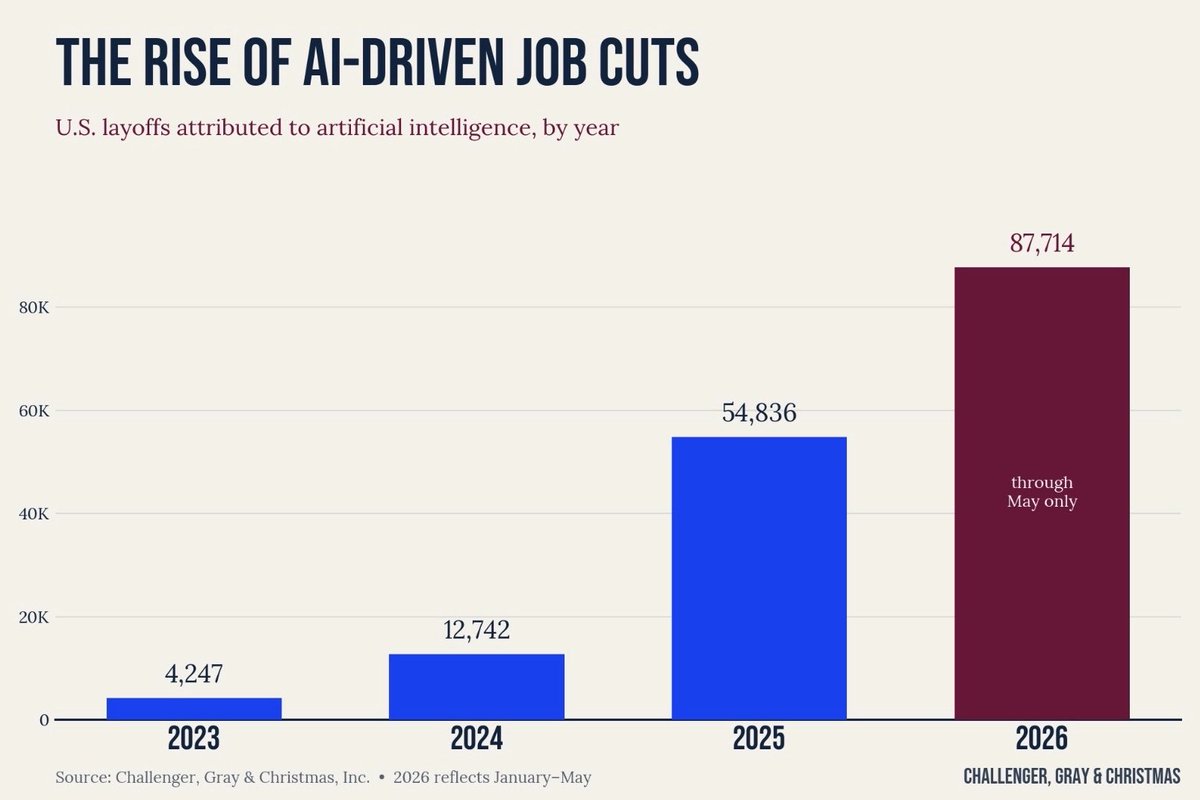
Thought-provoking insight on the AI shift in professional services, @ryanjdaniels. “Neofirms” blending elder law attorneys with AI engineers.
I see how this could change guardianship battles, will contests, and elder abuse cases by rapidly identifying financial exploitation, undue influence patterns, and medical red flags. This would expedite drafting emergency petitions more thoroughly and accurately.
It will help pro se - if courts don’t continue to throw up barriers. Regardless, probate and family courts remain wired for delay and this is a huge problem for families.
Prolongation is the profit model, and vulnerable elders and families also pay in stolen years, isolation, and dignity.
Faster tools on a system designed to benefit professional associations will still leave families drained and parents unprotected. Real reform must target the incentives, not just automate the arena.
Critical reading for everyone, especially advocates shielding aging parents from abuse and predation.
@cyrusjohnson
#Technology
#AI
#ElderAbuse
The next frontier may not be lifespan, but life quality. Adding years is a scientific achievement. Helping people thrive during those years is a societal one.
The longevity movement often focuses on extending life, but rarely asks what those extra years will actually look like.
Living longer is not the same as living better. More years can bring more wisdom and opportunity, but they can also bring more frailty, dependency, and time spent managing decline.
If medicine succeeds in adding years faster than society learns how to support them, are we extending life or simply extending the period of aging?
https://t.co/hRDNY8QLxh #Longevity #Aging #LongTermCare #RetirementPlanning