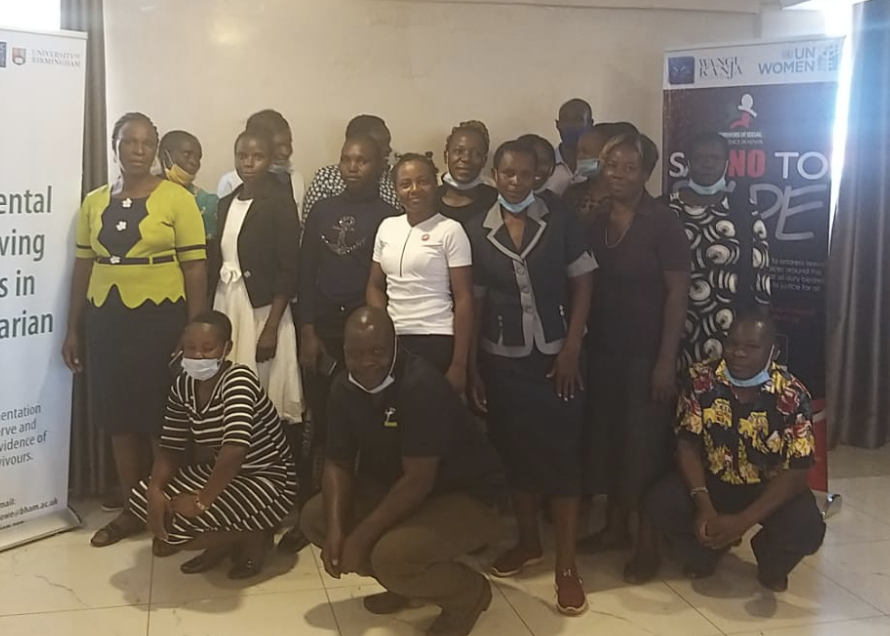
GCRF & ESRC funded project analysing sexual violence prevalence in Kenya & building capacity to collect such data. In partnership with Wangu Kanja Foundation
1/3 We have released a report on sexual violence in Kenya during COVID-19. Following interviews of both adult and child survivors we have found that emergency measures have exacerbated the issue of SV.
Access the report here: https://t.co/bODDVd57tg
Our paper out now in Societies Special Issue discussing the efficacy of an innovative mobile phone app, pioneered by @WanguKanja & @SSVKenya in preserving memory accuracy for survivors of sexual violence across time. @kanjawangu @hflowe @RockowitzSarah
https://t.co/jsl7KW196e
1/5 Eyewitness testimony research has found that immediately interviewing witnesses slows the rate of forgetting over time. But, in low-income countries & conflict settings, interviews often occur after long delays. We further explored this in our paper: https://t.co/BzFd1nhtgK
The Rights for Time Research Network calls for an end to injustice in Palestine. Our statement here (in English and in Arabic): https://t.co/0pheXVDncW #gaza#GazaUnderAttak
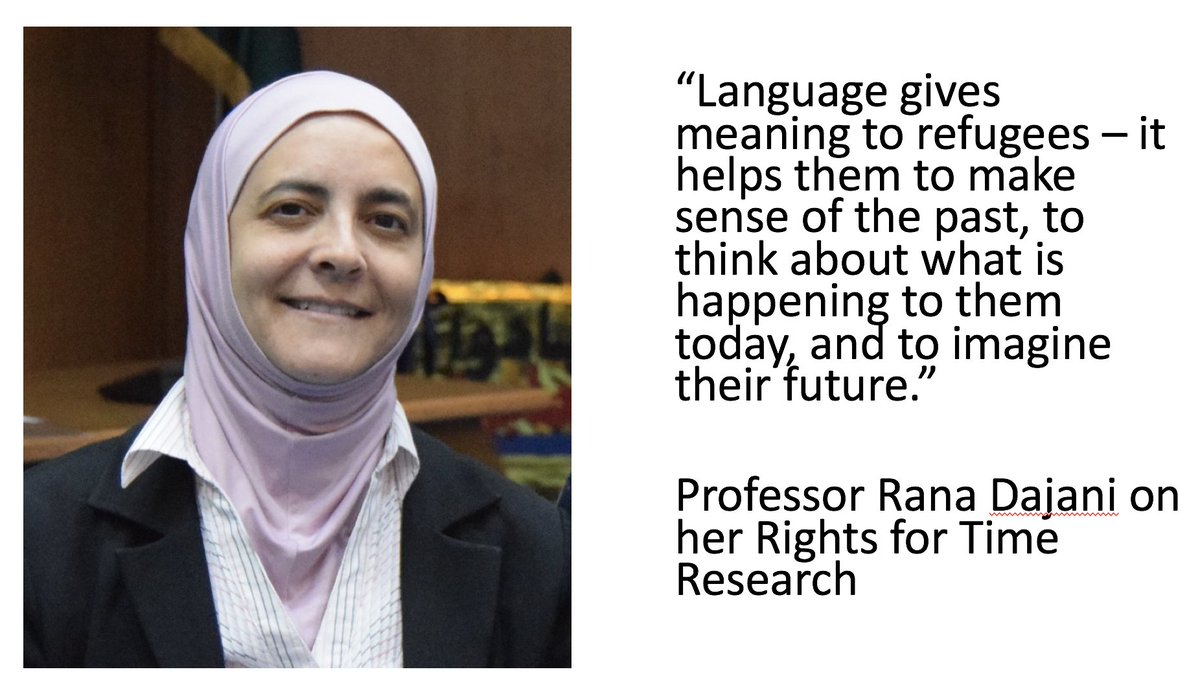
This week Rights for Time network members @Prof_RanaDajani, @hflowe & @btcwarwick had their article on the damage done by the UK Official Development Assistance cuts.
https://t.co/oGJZvxjvMa
Our work at the CARE project is entirely survivor-centered in its approach to tackling #sexualviolence. To combat sexual violence we need more data! The CARE project is building capacity of survivors to collect, analyse and report real-time data from within their communities.
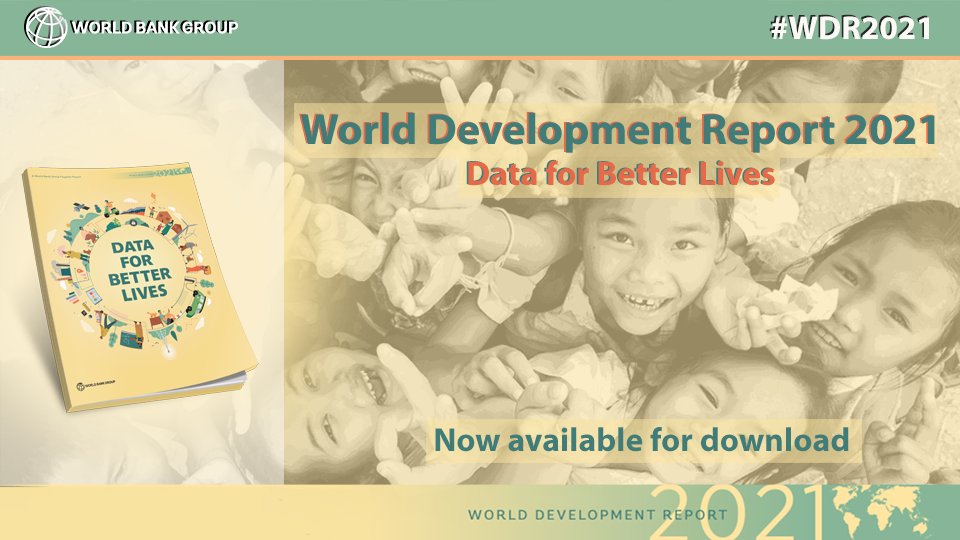
Marginalized people need better representation in #data systems and greater access to data infrastructure—requiring investments in physical and #human capital.
New #WDR2021 explores data’s potential to further development goals, and what it requires: https://t.co/InIdKBNHv3
In light of the ODA cuts, this article by Rights for Time member @LyndseyStonebri on the necessity of the humanities is more relevant than ever
https://t.co/vQVHxExJNi
@unibirmingham
“These cuts are dangerous because organizations may forgo other funding opportunities … [putting] researchers, their families, and the people served on the frontline at grave risk. ” Anonymous @rights_4_time. Researcher from a low income country.
@rights_4_time Dr Ben Warwick is a specialist in international human rights & the United Nations human rights bodies. His research is frequently used by governmental and non-governmental bodies all over the globe, & has been prominently reported in national print & news media.
“A bad faith act indeed,” read the statement of @rights_4_time partner the Palestine Trauma Center, reacting to the proposed cuts to our network project, which they have put countless hours into.
The @rights_4_time network has a research vision that is ambitious and achievable, and supports development of people, raisises the profile of communities and orgs, and extends the global footprint of grassroots-led #humanitarianprotection. Find out more:
https://t.co/Dt6we5Oq6m
Community-led research and "ground-up thinking" generates new insights and workable #humanitarianprotection policy through ambitious but achievable @rights_4_time research and impacts, such as on education by our partner @WeLoveReading.
Most research projects and grants end, and then everyone goes home. Same is true for international development aid initiatives,which often fail to deliverresults and address harm. @rights_4_time is building a global footprint that can be tapped indefinitely.








![rights_4_time's tweet photo. The announcement was a shock, as PTC staff were already “stretched thin...adapting [Mental Health] care in the context of COVID-19.” https://t.co/wHeaRNi6wx](https://pbs.twimg.com/media/ExUDTAUWUAMqZ8o.jpg)