Knowledge doesn’t equal immunity. Doctors face the same metabolic risks as the population with long work hours, stress, poor sleep and inactivity.
#Medtwitter
Great summary of current evidence related to mixing local anesthetics from Dr @ESoffin@HSSAnesthesia at #PGA79
She also shared a free app from Johns Hopkins that can help calculate safe local anesthetic dosing when mixing local anesthetics.
Tired of spending ages going through the STOP-BANG questionnaire to assess the peri-op risk of obstructive sleep apnoea?
Check out the B-APNEIC score - it has only 4 variables:
• BMI > 35 kg/m-2
• BP
• neck circumference > 40 cm
• witnessed breathing interruptions
#AnSky #MedTwitter
https://t.co/YYWBx5kL9Z
Normal blood pressure does not rule out sepsis.
Lactate ≥2 mmol/L, delayed vasopressors, fluid overload, and missed sources are where outcomes are decided.
A practical 2025 guide to sepsis recognition and early management.
#SepsisCare#MedTwitter#FOAMed @DrAkhilX @IhabFathiSulima #ICU
The latest MBRRACE-UK Saving Lives, Improving Mothers’ Care report on women who died during or up to a year after pregnancy between 2020 and 2022 released today.
Read more:https://t.co/fFx5yHMOyk
@marianfknight@npeu_oxford@oxford_ndph
FRAILTY, PERIOPERATIVE RISK & CARDIAC ARREST
Frailty in NAP7 a 🧵
Frailty (ie clinical frailty scale score >4) was a big issue in the aetiology of perioperative cardiac arrest
TL/DR
-a high proportion of cases
-frail patients’ more likely
*to be emergency surgery
*to be major surgery
-increased complications
-insufficient illogical monitoring (IMO)
-low rates of DNACPR recommendations
-insufficient risk assessment & communication
-these patients account for a substantial proportion of cardiac arrests
-risk assessment (& communication) poor
-drug dosing an issue in many
-periop cardiac arrest rate ≈8-fold higher than the young & fit
-successful ROSC rate notably lower
-overall early mortality after periop cardiac arrest 40-fold higher then in the young & fit
Frailty arguably a bigger issue than older age
It is a topic relevant t to
-all anaesthetists,
-all perioperative physicians
-orthogeriatricians
- those planning services
& many more
https://t.co/4i6VeIpVYF
https://t.co/WVm5jr1zVy
@NAPs_RCoA @jas_soar @IainMoppett @AgeAnaesthesia@RCoANews@drrichstrong@emirakur@adk300@CPOC_News
1/n
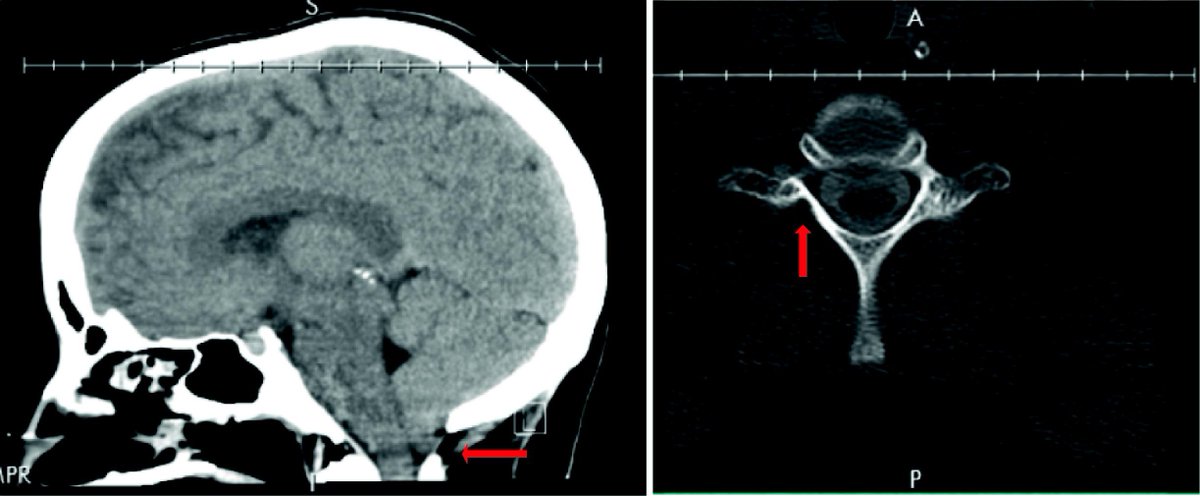
Non-targeted serial epidural blood patching for treatment of intracranial hypotension headache during late pregnancy: a case report
💉Serial blood patches may control symptoms/gain time for fetal maturity
💉Definitive treatment can be done post-delivery
https://t.co/ALivTczUke
Systematic review of pulmonary hypertension (PH) in pregnancy:
🫁PH severity is an important outcome predictor in pregnancy
🫁Mortality continues to decrease and patients with mild disease have better outcomes
🫁Most studies define PH by echocardiography
https://t.co/TOuDTUVvbT
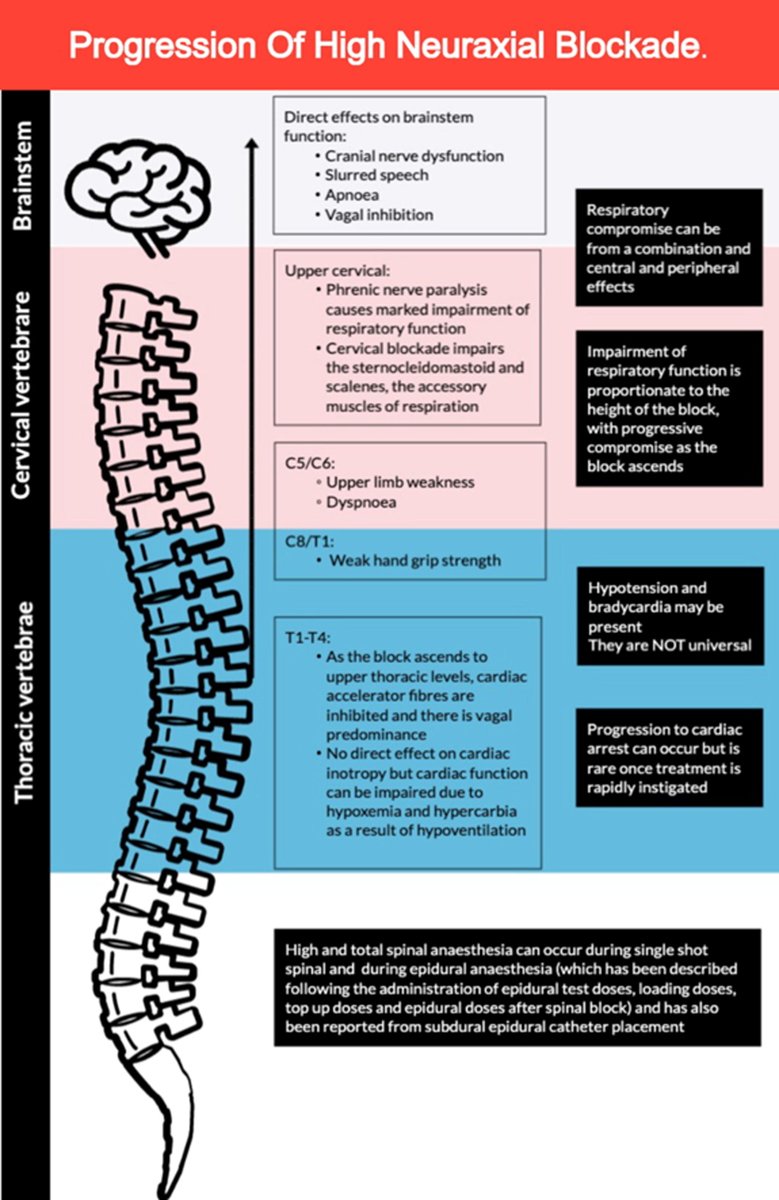
Total spinal anaesthesia in #ObAnes: a narrative review
🧠Spinal after epidural most common precipitant reported recently
🧠Good outcome when treated promptly
🧠Poor outcomes associated with delayed recognition and inadequate resuscitation
https://t.co/uawQMc0ZAu
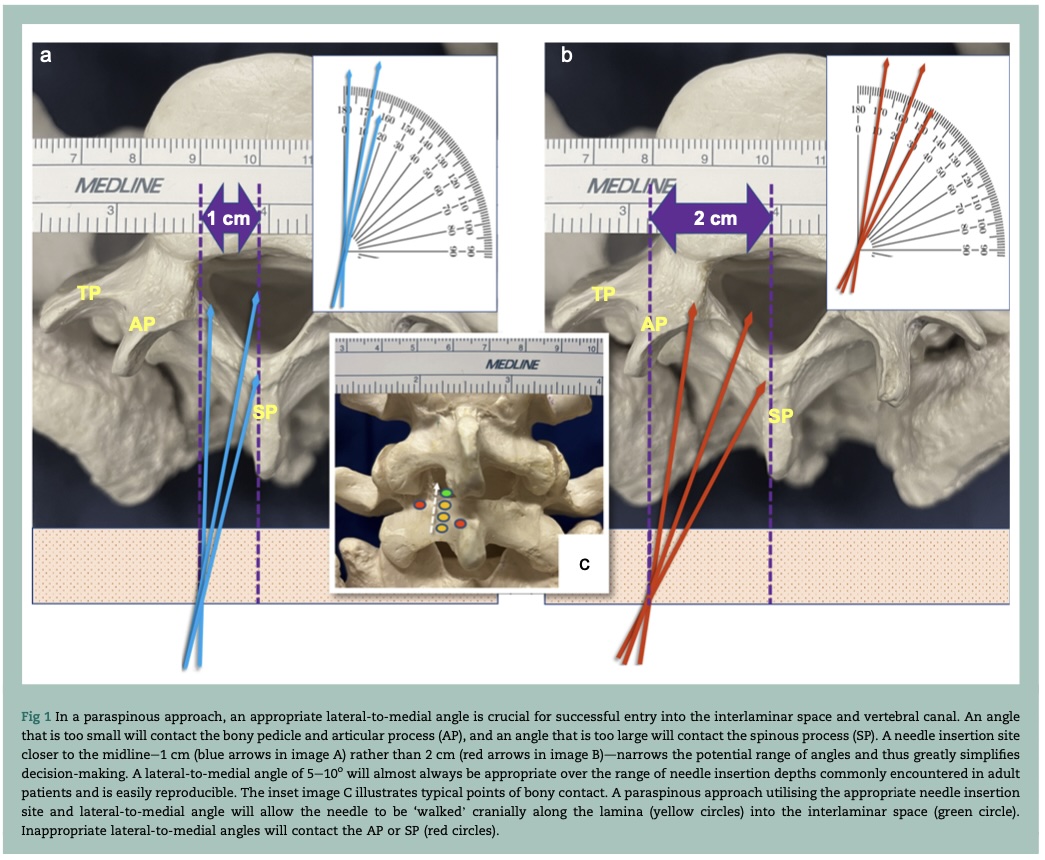
#BJAEd - The difficult #spinal anaesthetic: the key to success? Dr Poots & Prof Chin elegantly describe the #paraspinous approach, why it could work well, and how to do it. An article which could change your every day practice. Read the full article at: https://t.co/JjOI78U4gp
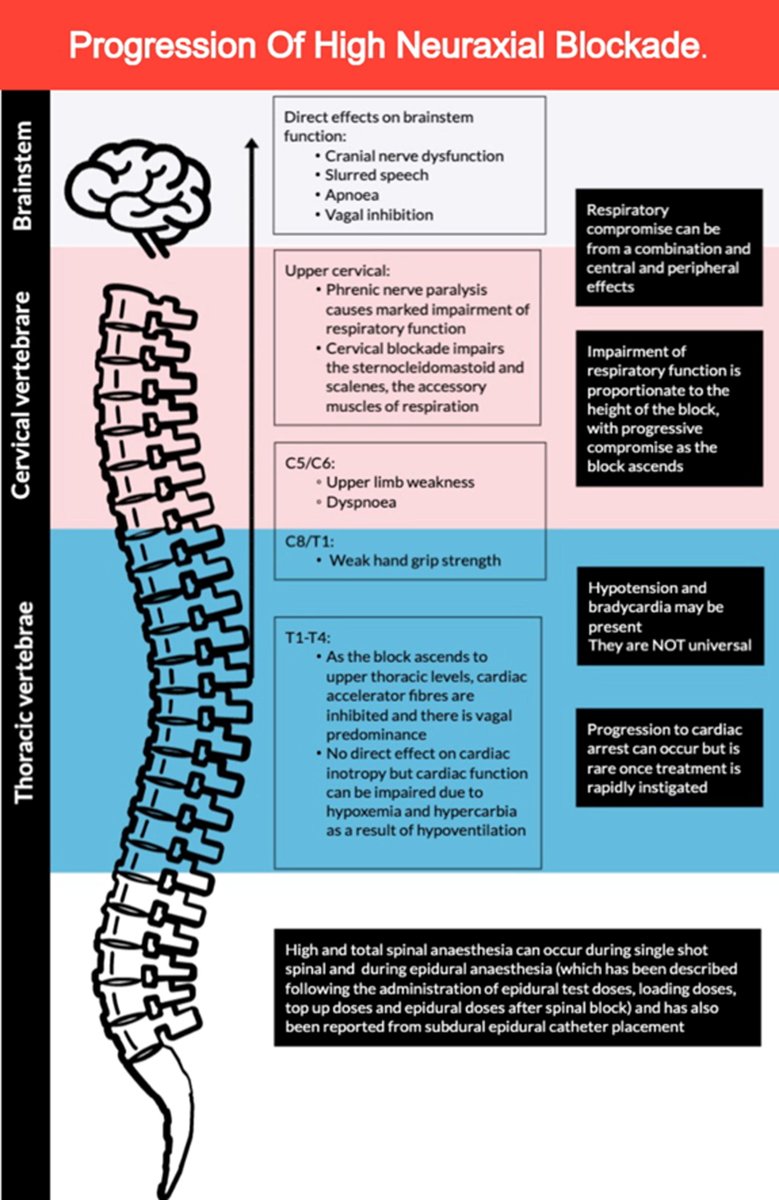
Total spinal anaesthesia in #ObAnes: a narrative review
🧠Spinal after epidural most common precipitant reported recently
🧠Good outcome when treated promptly
🧠Poor outcomes associated with delayed recognition and inadequate resuscitation
https://t.co/uawQMc0rKW
Total spinal anaesthesia in #ObAnes: a narrative review
🧠Spinal after epidural most common precipitant reported recently
🧠Good outcome when treated promptly
🧠Poor outcomes associated with delayed recognition and inadequate resuscitation
#SOAPAM2024
https://t.co/uawQMc0rKW
Medication errors are potentially avoidable & can affect maternal/neonatal outcomes & costs
NAP7 found errors caused cardiac arrest in 2 obstetric patients
Tageldin asks - can we have more details?
@doctimcook@noolslucas
🔗https://t.co/YUyDnO0lZt
https://t.co/H2hH2L0gpv
Why don't people receive epidural analgesia in labour?
Delay in:
➡️receiving information about epidural analgesia prior to hospital
➡️seeking epidural analgesia in hospital
➡️receiving epidural analgesia
@AliciaTDennis@nsheridan123
🔗https://t.co/po96sDUFoJ
Why is obstetric haemorrhage under-recognised & under-treated?
➡️relative preservation of haemodynamic vital signs during the early stages of bleeding
➡️estimate of blood loss unavailable until the end of the operation
@DavidTMonks@ArviPalanisamy
🔗https://t.co/8xDR8bI8Kt
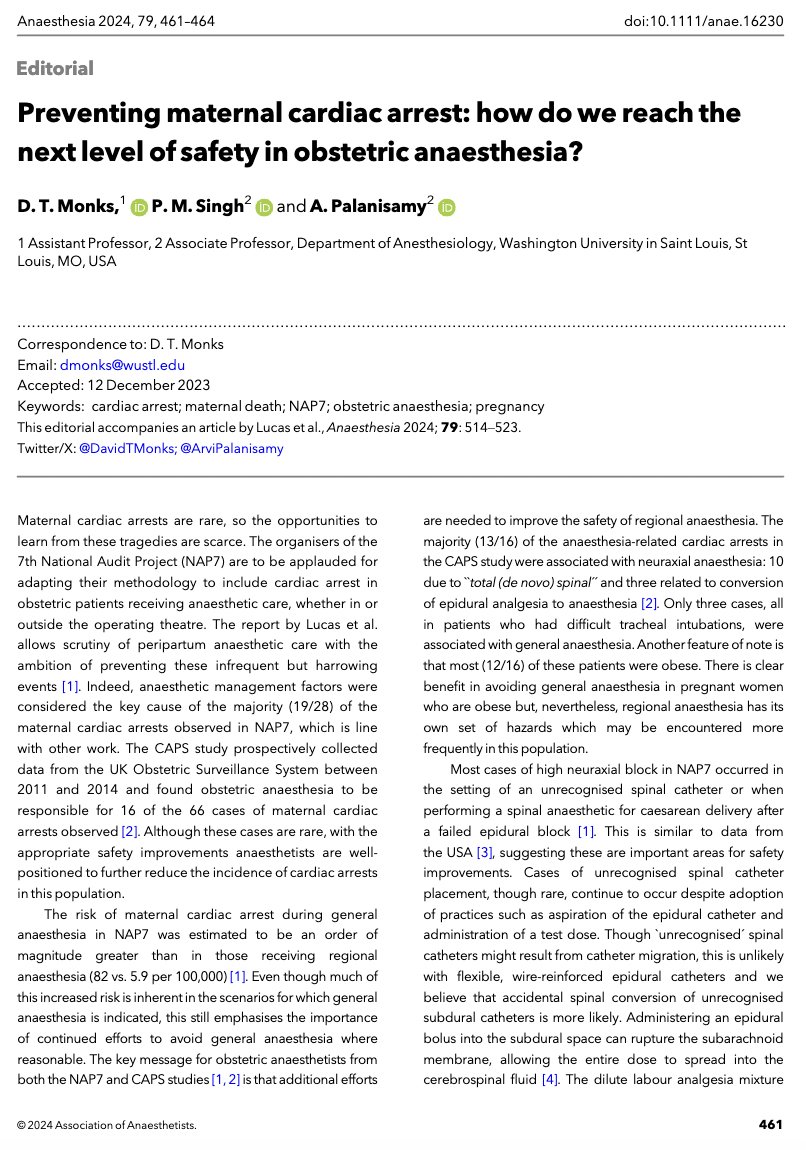
⚠️Attention obstetric anaesthetists!⚠️
Outcomes from the @RCoANews NAP7 study
➡️Haemorrhage was the single leading cause of peri-operative cardiac arrest in obstetric patients
➡️Underestimated severity & inadequate early resuscitation contributed
🔗https://t.co/Cexp2FV7aj
I think a key message is that
-at the point of intubation
-for most non theatre settings
-including in neonatology
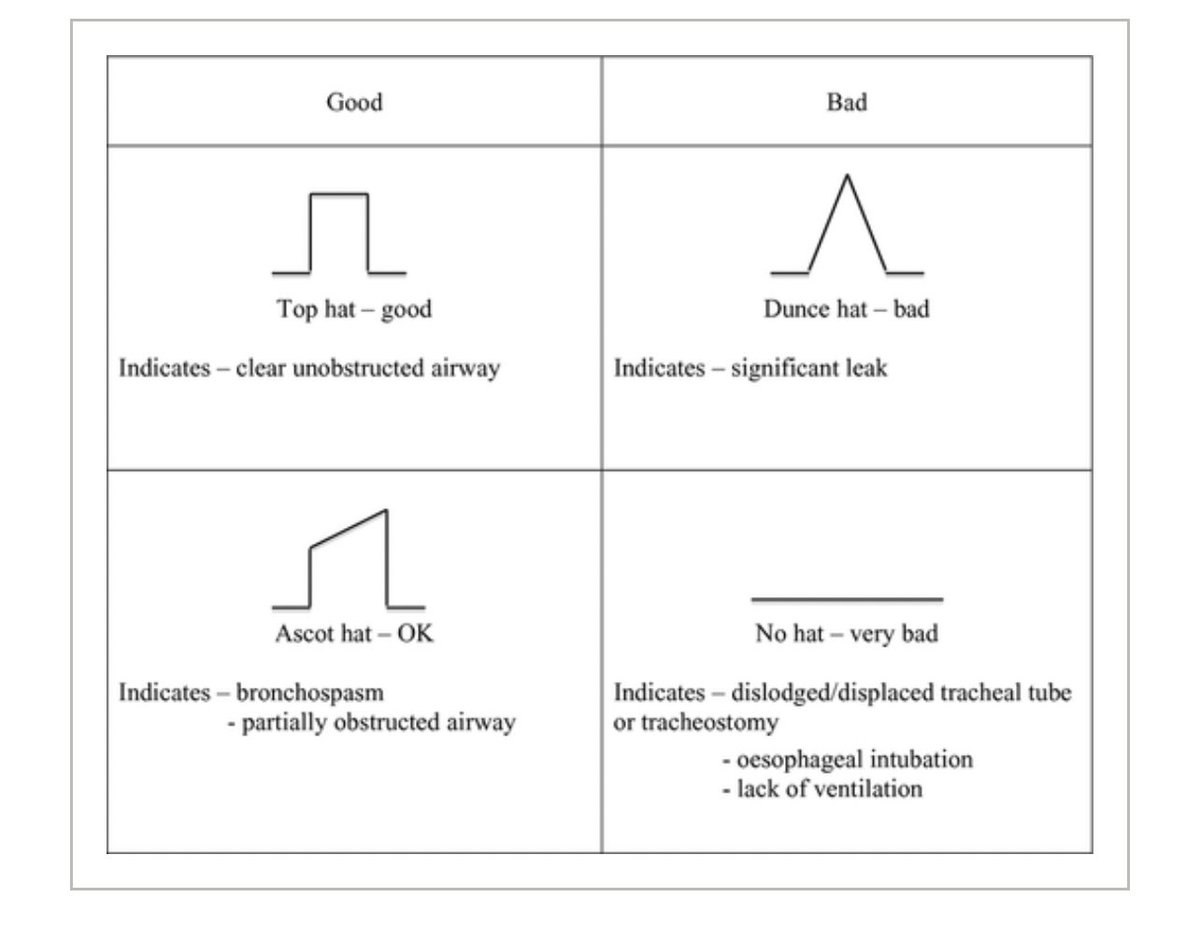
CAPNOGRAPHY is not a respiratory monitor.
CAPNOGRAPHY is an AIRWAY MONITOR
A positive upstroke on the capnograph shows we have alveolar ventilation (ie exhalation from alveoli engage in gas exchange). This requires a patent airway & gas flow.
It’s that simple.
For non anaesthetists
Don’t worry about the phases of the CO2 trace.
Do understand hats and caps
Is crystalloid co-loading necessary to prevent spinal hypotension during elective cesarean delivery?
• Crystalloid co-loading = ⬇️phenylephrine dose to maintain BP
• Cardiac output can be reduced despite normal BP
@girardDev#ObAnes
https://t.co/4mmnxhs9T8
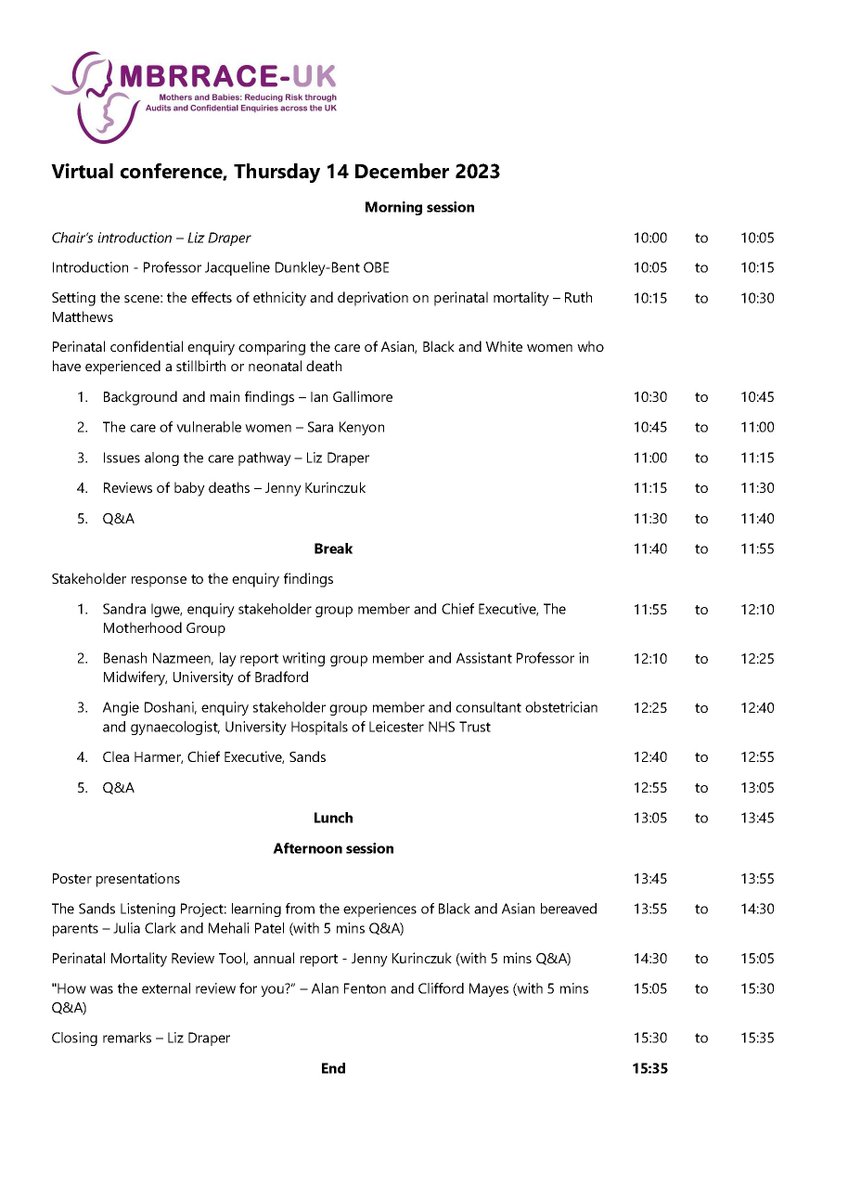
Please take a look at the programme for the virtual conference presenting the @mbrrace Perinatal Confidential Enquiry Reports 2023
Anyone with an interest in maternity care and safety is welcome to attend
Book here: https://t.co/L1tvoPE0d8