(she/her) runner, curator (@UWGeologyMuseum), mom, wife, GM’er of @eclipsephase for my pals, will discourse over best Star Trek film (it’s VI, don’t @ me)
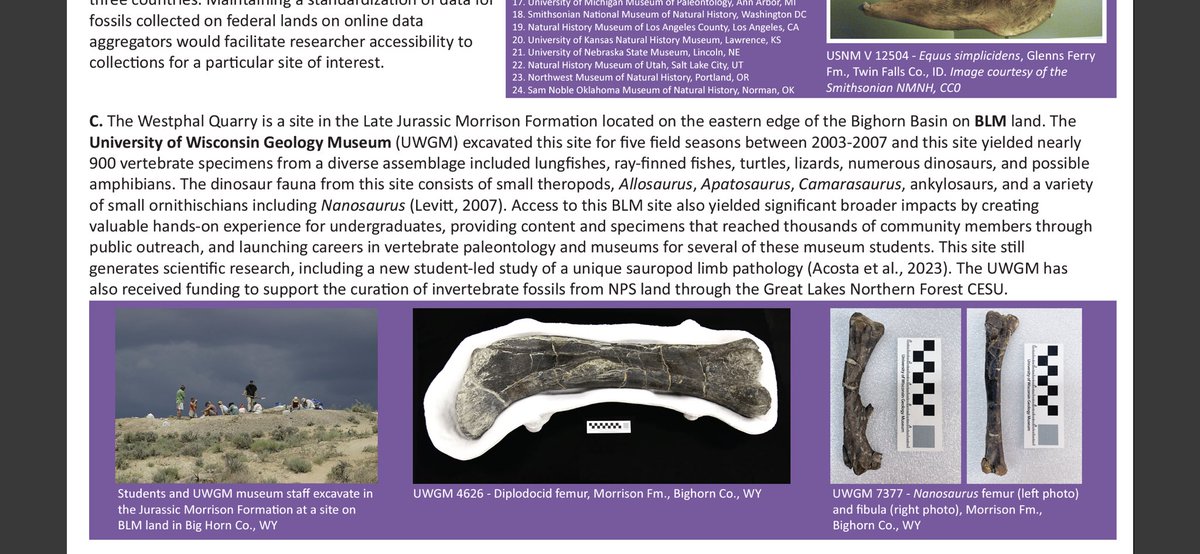
@kuchtam @boydpaleo @skeletaldrawing@UWGeologyMuseum I’m a particular fan of the impending storm and our utter lack of concern, esp given what I remember about the road conditions 😮
@kuchtam @boydpaleo Yeah, induction + no pain meds made that pain so excruciating that labor is simultaneously hard to remember and seared in my memory. 😳
Kinda hard to top watching Flash Gordon in a rural WY hospital while @boydpaleo was back at camp cooking 🐐 and 🐍 IMO. 😂
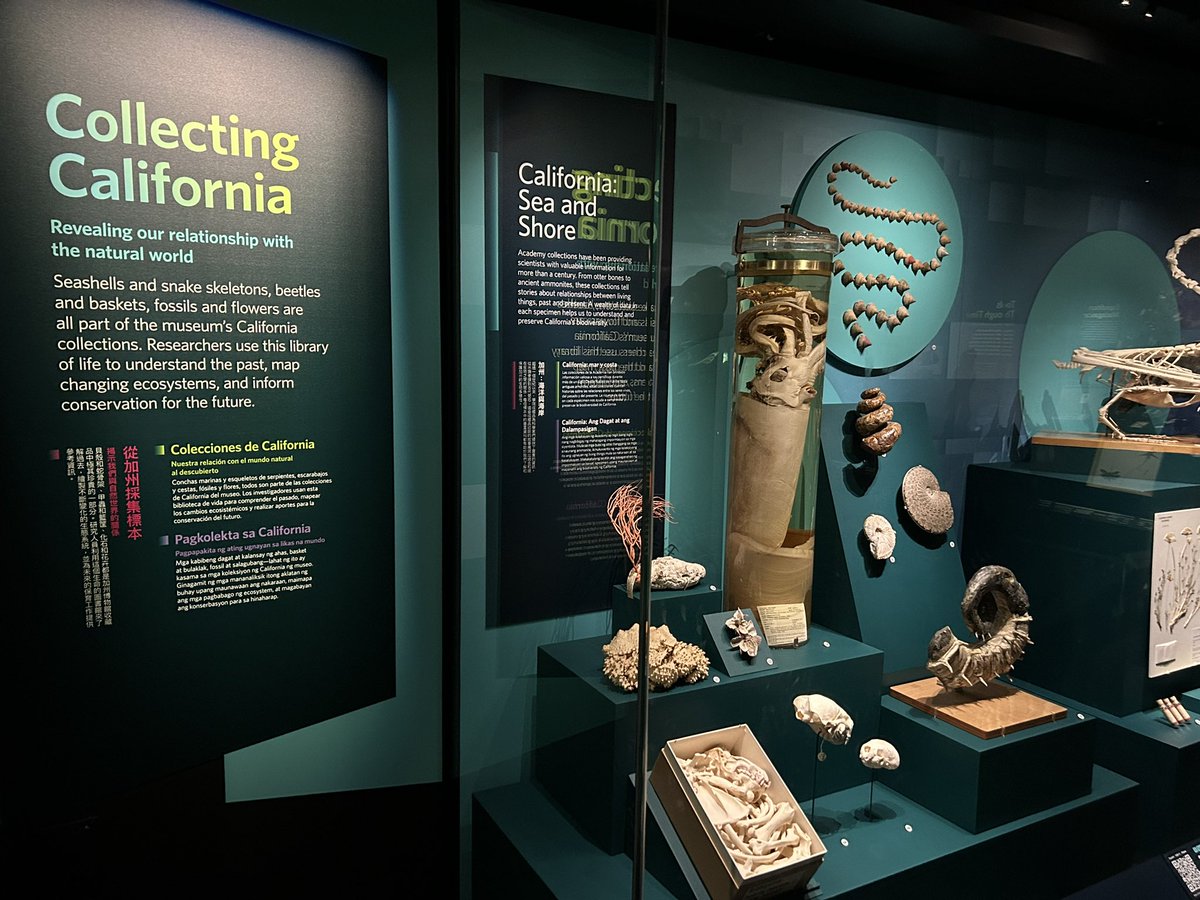
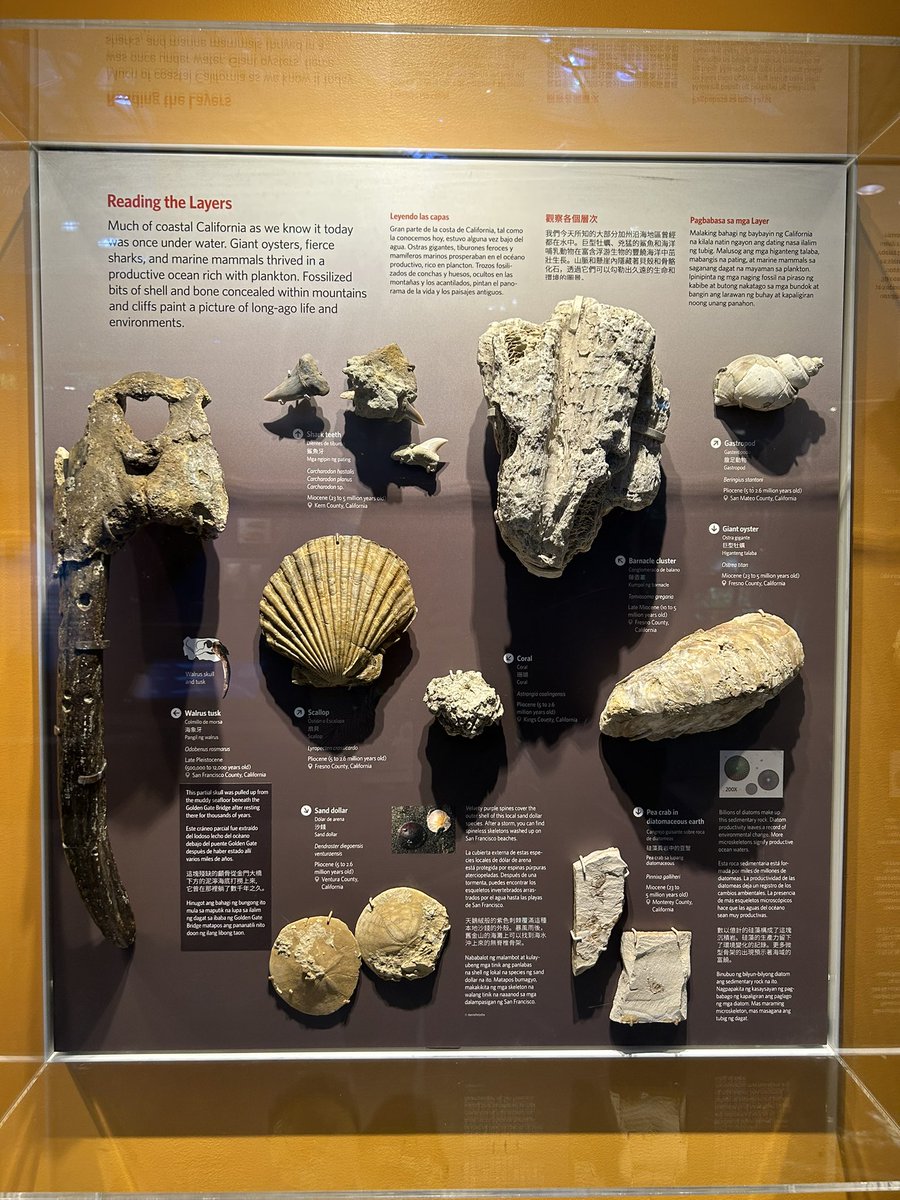
I got really excited when I saw this case at @calacademy because of the fossil at the far left. Do you spot it? Pleistocene (ice-age) walrus tusk!!! This specimen was recovered from muddy sediment beneath the Golden Gate Bridge. 🤩
#fossilfriday
During glacial periods of the ice age, walruses would have been lounging as far south as S. Carolina and…California! I love fossils like these that are so recognizable because we already know what this animal looks like.
(As a side note, we need more pinniped emoji.)
Was so looking forward to this talk. Thank you @adanianscience! It’s not just inclusion, but “intentional inclusion” that we need to work towards starting yesterday with our communities in mind.
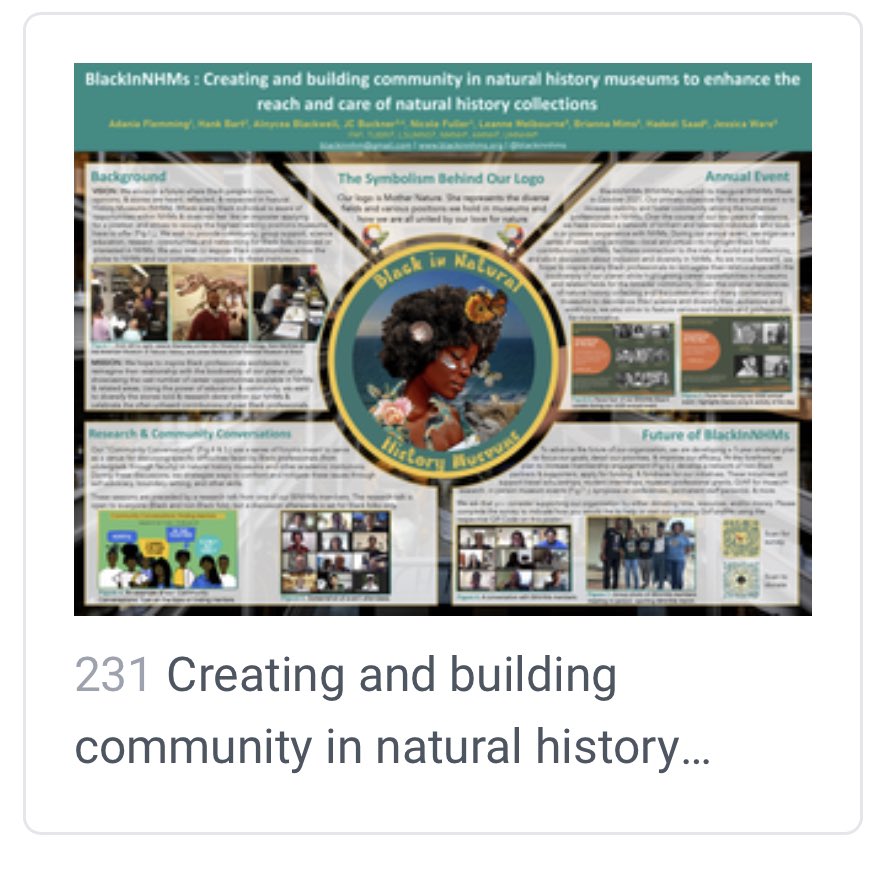
Looking forward to presenting tomorrow on one of my dissertation chapters. Come join @ 8:00am in Imperial Room B. I’ll discuss ways to create inclusive spaces in NHMs #SPNHC2023.Also don’t forget to check out our @BlackInNHMs and FAMS poster in the poster gallery!
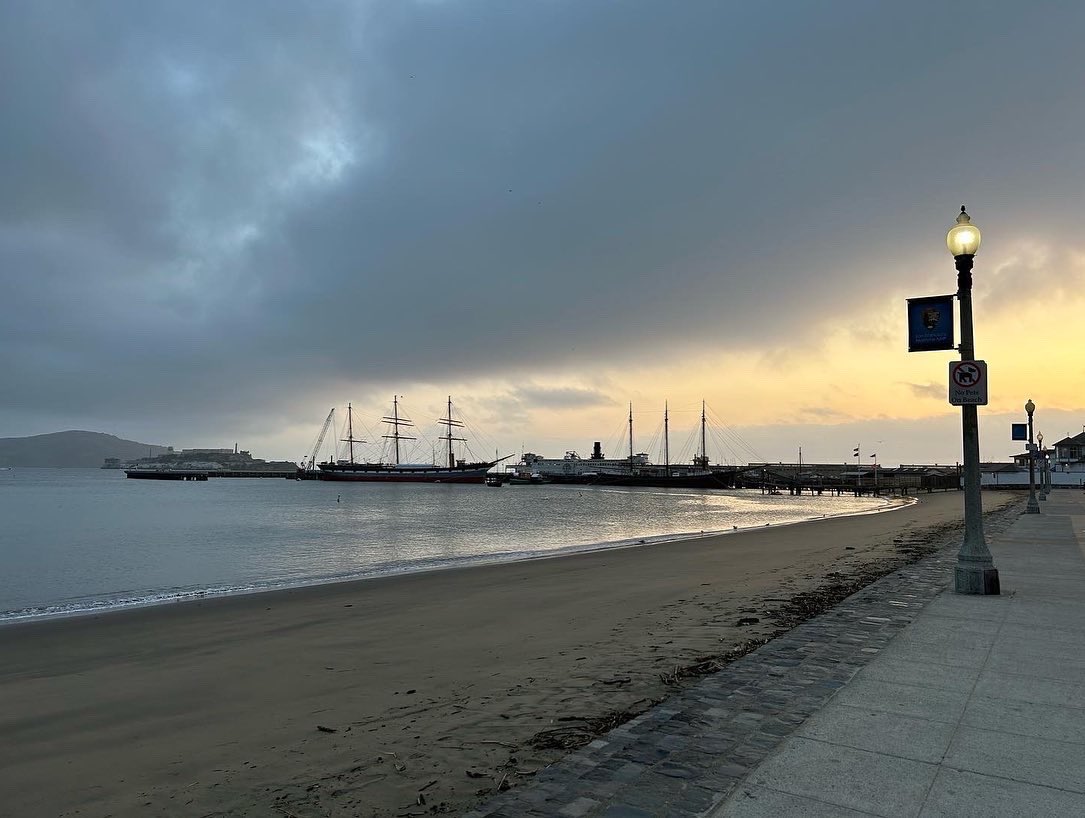
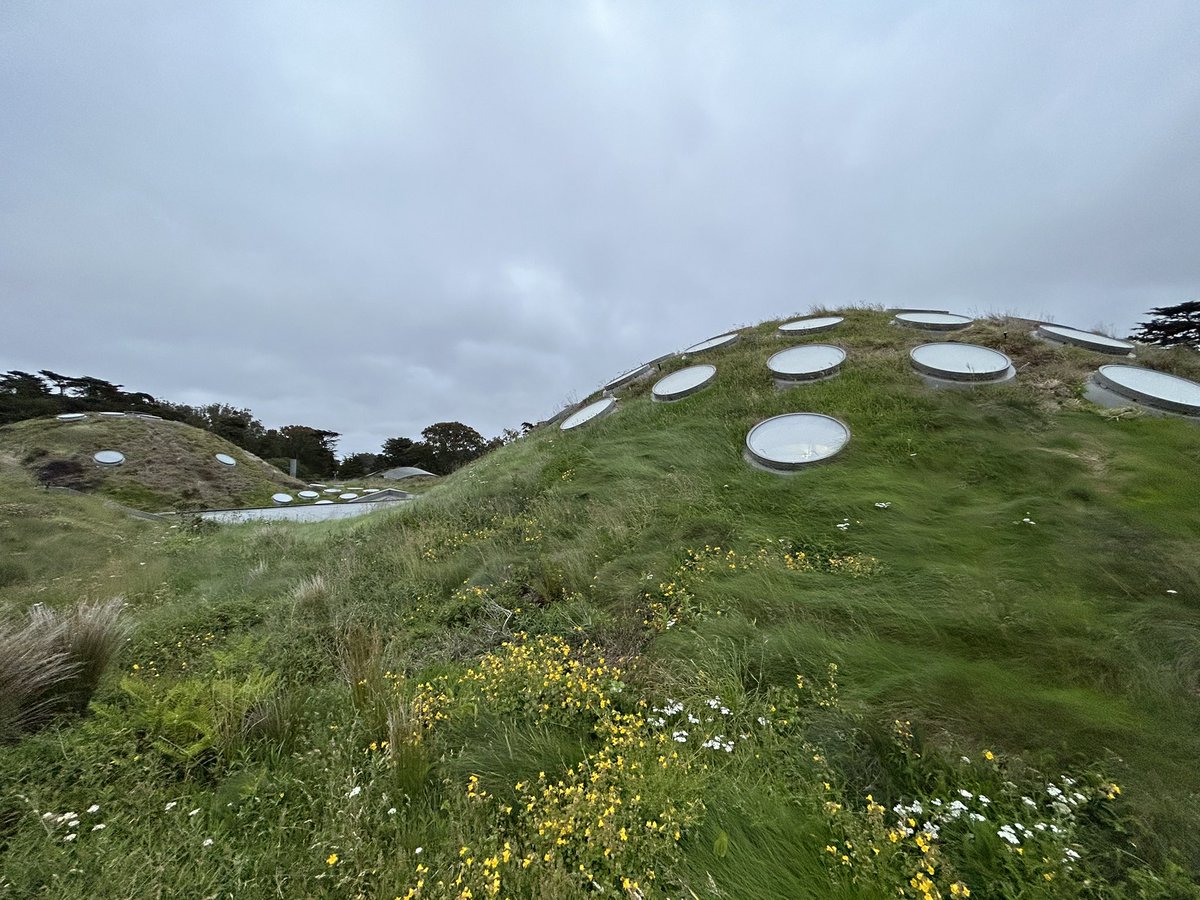
When not talking museums and paleo nerdery, I pretty much always go for runs when I’m at a conference. Scenes from the last two morning’s runs. SFO is pretty neato.
#seenonmyrun#spnhc2023
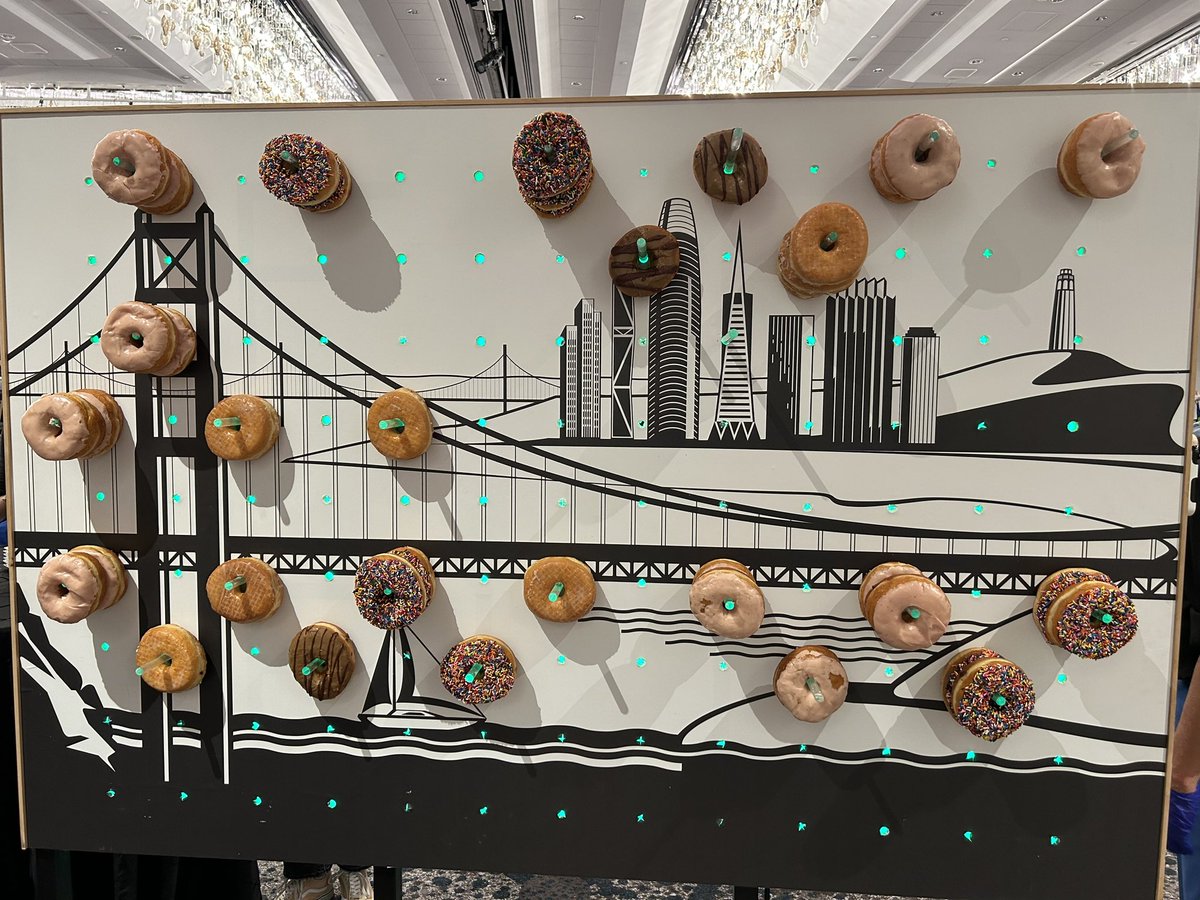
@SPNHC 2023 is happening thanks to @calacademy! Off to a good start with a fantastic opening reception at the museum and a donut wall for snacks. Museum peeps are the best. 🍩🍩🍩
#museumlife
Index fossils help geologists to determine the age of the geologic layers, or strata. But I can't help but be appreciative for the people behind fossils like these, especially the amateur paleontologists who collect them just just because they love doing it! ⛏️
Nice fossils collected by nice people are a real treat. Especially when nice people are also studying them! These trilobite bits [cephalon (head segment); pygidium (tail segment)] are from a dikelocephalid trilobite, Walcottaspis, collected from Cambrian rocks, MN. #fossilfriday
Since trilobites discard their exoskeleton through molting behavior, most of the trilobite fossils we recover are of these molted shells and segments. This molting, when combined with their diversity and quick emergence in geologic time, makes them great index fossils!
This complete individual is likely a whole body fossil and not just a molt, but read more about it in work by Wade T. Jones, Rodney M. Feldmann, Carrie E. Schweitzer, Ceratiocaris from the Silurian Waukesha Biota, Wisconsin, https://t.co/NDGhf93qA2
(fin)
Experimenting with a new (to me!) tool today in the collections to check out this phyllocarid crustacean (Ceratiocaris pusilla) from the Silurian Waukesha Biota, a lagerstätte from WI. 1/?
🦐🦞🦀 🤓
#fossilfriday#silurian#naturalhistorycollections#paleontology
These little marine crustaceans were filter feeders & their relatives first started to appear in the Cambrian. This particular genus existed from the Ordovician until its extinction in the Silurian. (But also, zooming around to "scope it out" with our new microscope is a blast!)







![carrieeaton's tweet photo. Nice fossils collected by nice people are a real treat. Especially when nice people are also studying them! These trilobite bits [cephalon (head segment); pygidium (tail segment)] are from a dikelocephalid trilobite, Walcottaspis, collected from Cambrian rocks, MN. #fossilfriday https://t.co/TS4BJY1ExM](https://pbs.twimg.com/media/FvYSHO_XsAA_xoN.jpg)






![carrieeaton's tweet photo. Nice fossils collected by nice people are a real treat. Especially when nice people are also studying them! These trilobite bits [cephalon (head segment); pygidium (tail segment)] are from a dikelocephalid trilobite, Walcottaspis, collected from Cambrian rocks, MN. #fossilfriday https://t.co/TS4BJY1ExM](https://pbs.twimg.com/media/FvYSHPdWAAU2Df1.jpg)


