Ohio University Department of Biological Sciences is hiring an Assistant Professor in Genetics (see job listing below). This position comes with a 9 month salary and an expectation of both undergraduate teaching and research.
https://t.co/BqFxNgdOEq
It’s grant submission day…trying to get everything to fit in the page limit…then suddenly you realize…your Word document has one inch margins on all sides!!!!!
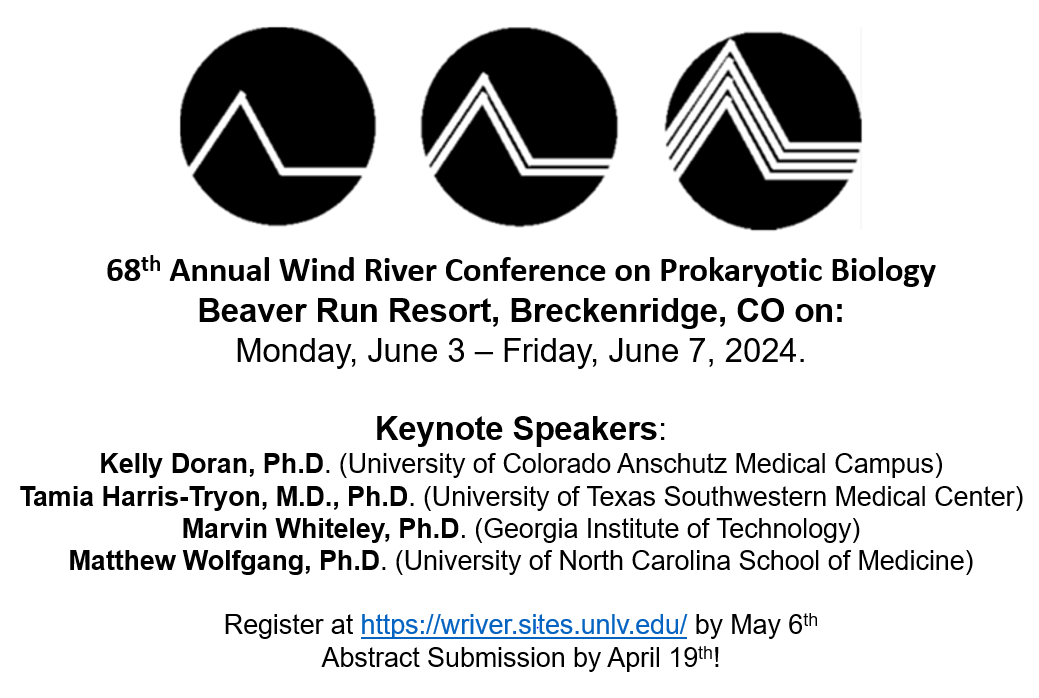
Check out the great lineup of speakers at the @WindRiverConf this year, being held in a brand new venue in Breckenridge, CO. Fantastic conference for trainees.
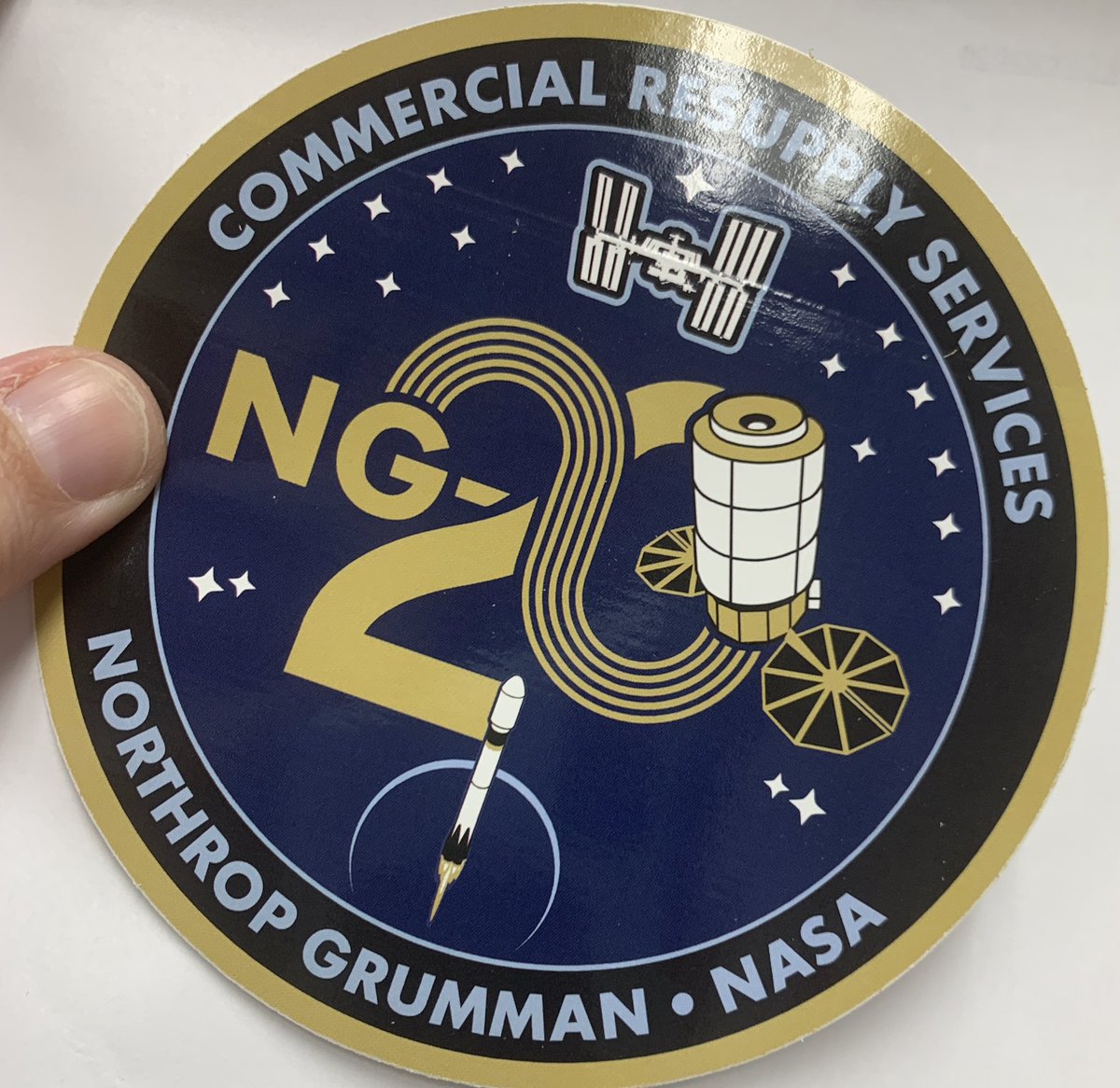
So excited, BRIC-25 has successfully launched on NG-20!!! Thank-you @CarrollMicroLab and @mjedelmann for your collaboration on this project! We have work to do when #StaphInSpace returns!! Also big thanks to @NASA for supporting this research!
So excited, BRIC-25 has successfully launched on NG-20!!! Thank-you @CarrollMicroLab and @mjedelmann for your collaboration on this project! We have work to do when #StaphInSpace returns!! Also big thanks to @NASA for supporting this research!
I’m so incredibly proud to share my work from grad school! This study characterizes a sRNA, MavR and highlights the importance of post-transcriptional regulation for virulence in Brucella. Read about it here and find out for yourself how cool sRNAs are 😎! https://t.co/HQSMezJof6
The Department of Biological Sciences at Ohio University is searching for a Professor and Department Chair. Applicants in any field of Biology are welcome, particularly those in comparative and/or integrative organismal biology. (https://t.co/SdUzxSPp9s)
Dr. Carroll's lab is the ideal environment for budding undergraduates passionate about #microbiology research to gain hands-on experience. Join him on this scientific journey as he continues to unlock the secrets of infectious diseases! #InfectiousDiseases#ScientificInnovation
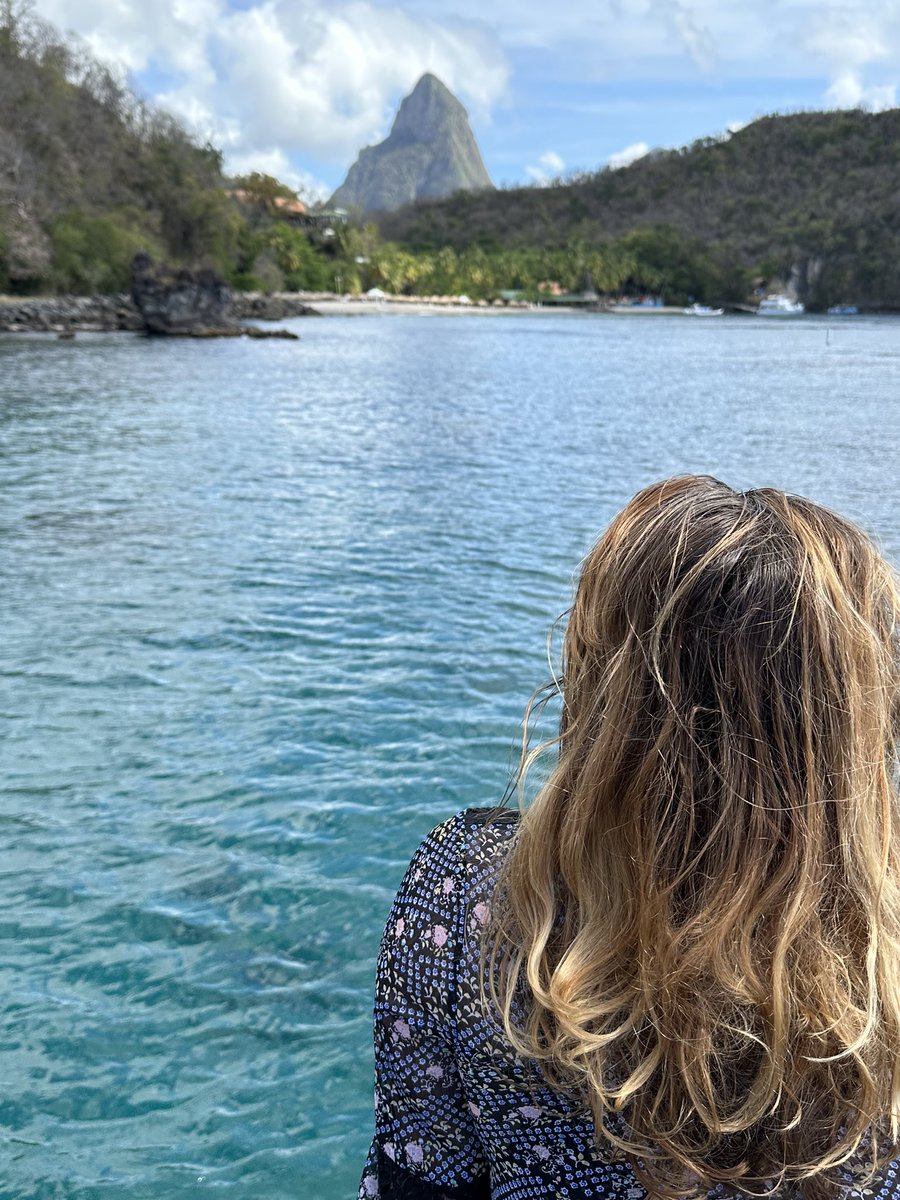
Scientists of Twitter! The world needs more reminders that we're living, breathing human beings.
Quote tweet this with a picture of you doing not-science
Scientists of Twitter! The world needs more reminders that we're living, breathing human beings.
Quote tweet this with a picture of you doing not-science
“How to identify a toxic group during interview?” - a typical question that I receive on social media.
Below I am providing key indicators that students should pay attention to during interview.
So, the lab may be toxic if:
1. You were denied a personal meeting with other PhD students during or after the interview.
2. You receive negative feedback from the lab alumni (you can privately contact them before accepting an offer).
3. Other students/postdocs do not want to discuss things they don’t like about the group.
4. The advisor is the first author on research papers while students did the work. (Remember that if a professor wrote the manuscript, it does NOT automatically entitle him/her to be the first author)
5. Students are rarely first authors on research papers and usually reside in the middle of the list while collaborators are the first authors. This may imply that keeping collaborators happy is more important to the group head than letting his/her students thrive. Or that senior colleagues are given “priority”.
6. The advisor avoids discussing topics related to “personal/professional development” such as attending conferences, doing side projects, accessing to expensive facilities, lab safety, etc, that are crucial for a successful PhD.
7. The advisor makes sarcastic or inappropriate comments about you, other students, other labs or colleagues (e.g., about their personal identity, religion, country of origin, hobbies, etc). This is absolutely unacceptable and clearly a red flag.
8. The advisor noticeably dominates the conversation during interview and doesn’t listen to you. (This means you should expect similar conversations and meetings during your entire PhD)
9. The advisor cannot explain how he/she provides successful mentorship.
10. Postdocs and senior PhDs are bossy and authoritative. (This implies the group is hierarchal and you may have some hard time there)
11. Students in the group are hardly enthusiastic and not quite interested in discussing their work.
12. The advisor doesn’t trust students and doesn’t believe in them.
13. The lab is poorly managed and looks dangerous / unsafe.
14. During interview, the advisor is not interested about your vision for a PhD. Nor does he/she care about YOUR vision for a successful PhD and what you want to gain from your PhD time.
15. If the advisor expects to receive responses during off-hours.
Two important points:
- Because toxicity can have different “flavors”, everyone should decide on the criteria for themselves.
- Even if some of these points are valid, it doesn’t mean the lab is necessarily toxic. But it means the candidate should be careful and explore this lab further before making a decision.
Safe PhD-ing and postdoc-ing!
#phdchat #AcademicTwitter #research
The Carroll Lab at Ohio University is looking for a Research Technician. Please see the link below for details and instructions on how to apply. https://t.co/4e2qoCYstF