We know this, can’t we at least keep the crap out of our schools?
Association of ultra-processed food consumption with all cause and cause specific mortality: population based cohort study https://t.co/a4PpRQYucH
Registration is now open for the 2024 Frequency Following Response (FFR) Workshop, taking place in Chicago, USA from 12-14, June 2024 @NorthwesternU.
This includes two days of posters, talks, keynotes and a networking event which includes an architectural boat tour of Chicago.
Their upcoming workshop on June 12-14 in Chicago is open for registration. The abstract submission deadline is March 31, 2024.
Learn more at the link below. https://t.co/xNQqYgxlAQ
The @NIH workshop that keeps on giving value.
"Empowering individuals and communities to use their own musical heritage to improve health is a very exciting idea that is beginning to take root."
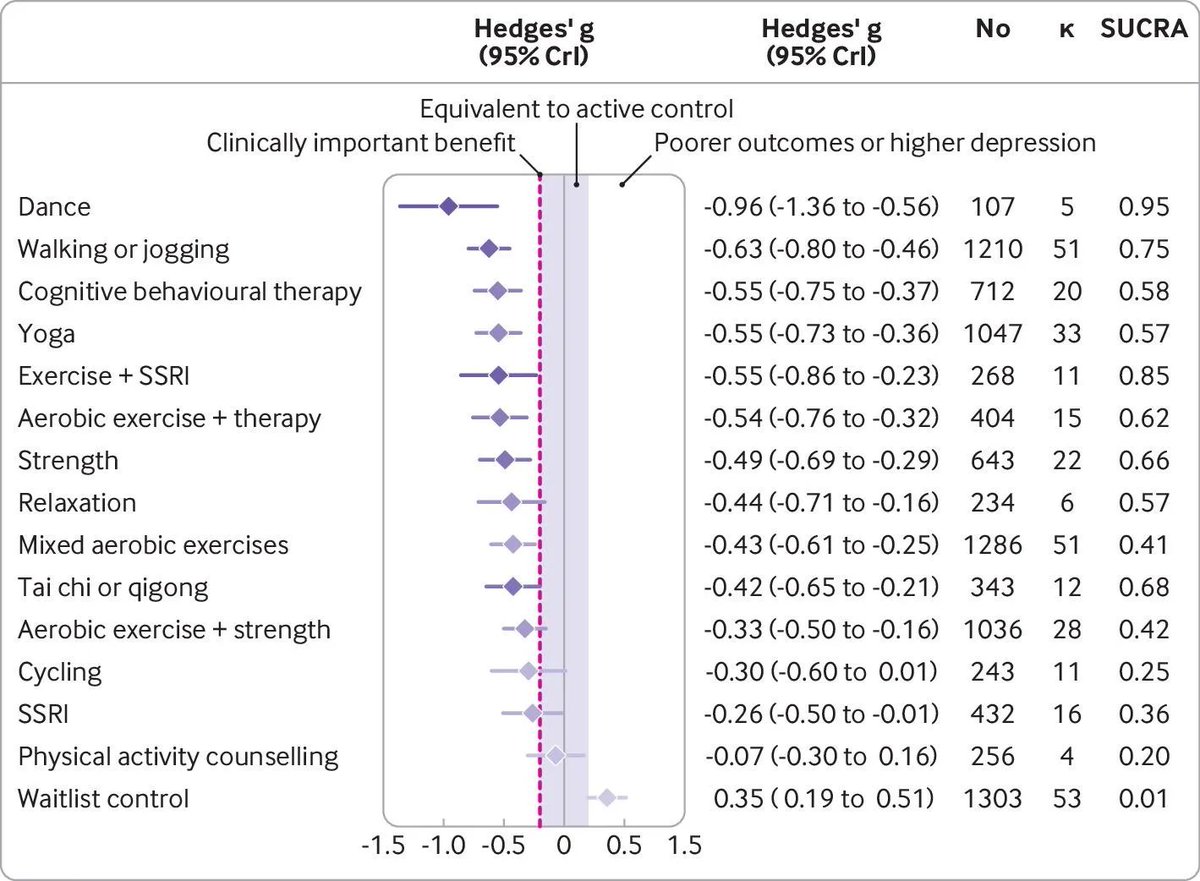
They buried the lede on this new study. It's not that exercise beats out SSRIs for depression treatment, but that *just* dancing has the largest effect of *any treatment* for depression.
That's kind of beautiful.
Pre-conference Workshops and Tutorials – call is out.
Submit your proposals for workshops and tutorials for the #Neuroergonomics 2024 community.
https://t.co/ZWsvqi21HV
In a new paper, we examined 11 different interventions to address #climatechange beliefs and behavior (M = 59,440 in 63 countries). Here are the key findings:
1) 86% of people already believe in climate change. So a key issue is how to turn this into action.
2) Beliefs were strengthened most by decreasing psychological distance (by 2.3%), policy support by writing a letter to a future generation member (2.6%), information sharing by negative emotion induction (12.1%), and no intervention increased the more effortful tree planting behavior.
3) In fact, several interventions backfired--reducing tree planting! For instance, "doom and gloom" messages about climate change (ie negative emotion messaging) was highly effective at stimulating climate information sharing on social media (a low-effort behavior), but it significantly reduced decreased tree planting!
4) The effects of each intervention differed depending on people’s initial climate beliefs.
These findings suggest that the impact of behavioral climate interventions varies across audiences and target behaviors. You can read the full paper here (https://t.co/zvhXO3Yncy) or see Madalina's detailed summary below.
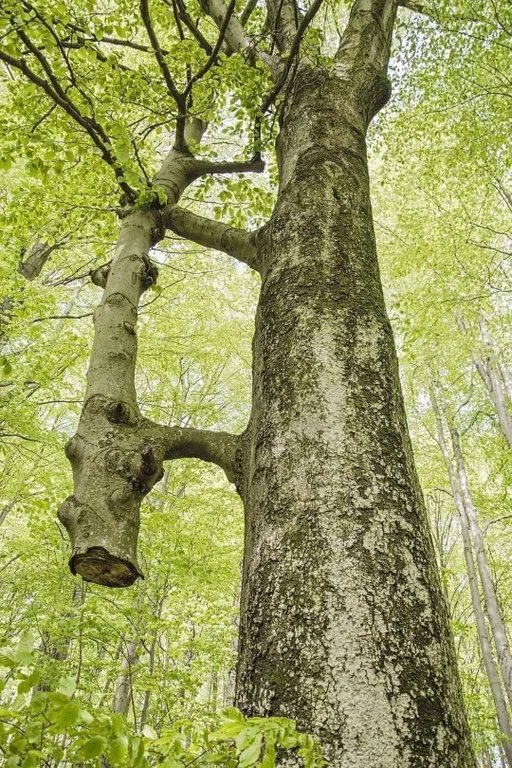
‘The thinner tree was cut years ago and the big one has been holding and feeding it since then. They "wake up" together in the spring and "go to sleep" together in the autumn’
Inosculation is a natural phenomenon in which parts of two different trees, commonly but not exclusively the same species, grow together, self grafting and sharing nutrients
The term emanates from latin- ōsculārī, to kiss