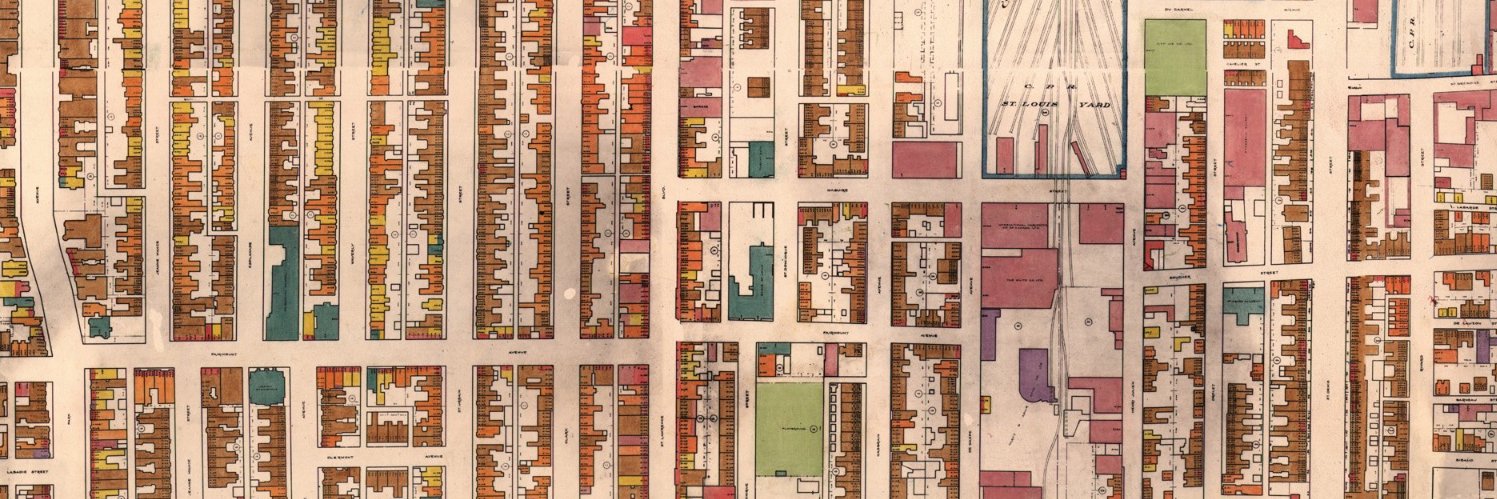
I translated the German original of my @jacobinmag_de article about Europe sliding into a big war into English, and I must say, I found an even better picture to illustrate it. Link below.
I think the left should have serious answers about what should be the macro-structure of the mid-century US economy + what tools/restructuring we need to implement in the 2030s to achieve it ...i.e the question set debates about normative politics of China shock aren't answering
its the atlantic when questions are (1) framed as entirely innocent philosophical hypotheticals but also (2) bravely iconoclastic truth-telling, yet are (3) entirely divorced from reality and (4) affirm the worst impulses while (5) coinciding with programs of true political evil
Adam Hanieh: “New renewable capacity is being drawn into new forms of accumulation around AI, cloud computing, logistics, surveillance, and platform economies… Electrification, in other words, is just another vector for the overall expansion of capitalist production”
Today for the @clereviewbooks: on Hockney, Pliny the Kitten, Pliny the Elder, and things as they seem to be as the twentieth century recedes: https://t.co/8zHp0jihOd
“Foucault’s Visit to McGill University and his meetings with Quebec separatists.
Stuart Elden and Marcelo Hoffman dive into Foucault's 1971 visit to Montreal.” https://t.co/scZy2fhSFR
“The new, greater Latin American lobby operates differently from the old CANF model, trading a single-issue ethnic lobby focused on one country for a class-based hemispheric operation united by a common enemy: reformism of even the blandest sort”
Strongly recommend @DanielaGabor’s step by step account of what’s really happening with bond markets - and how to really deal with them without wishful thinking.
(The “Bailey premium” we pay govt borrowing costs also deserves wider circulation.)
Link below.
I argued all populisms aim at a cross-class politics of a productivist alliance where the non-productive are violators of the moral economy. https://t.co/CRlxqAkGo5
Why is ICE buying so many warehouses, and what does this have to do with the warehouse's historically shifting place in the US economy? In Places Journal, I chronicle the long arc of the warehouse's carceral geography from 1846 to present. https://t.co/maBMM6uddc
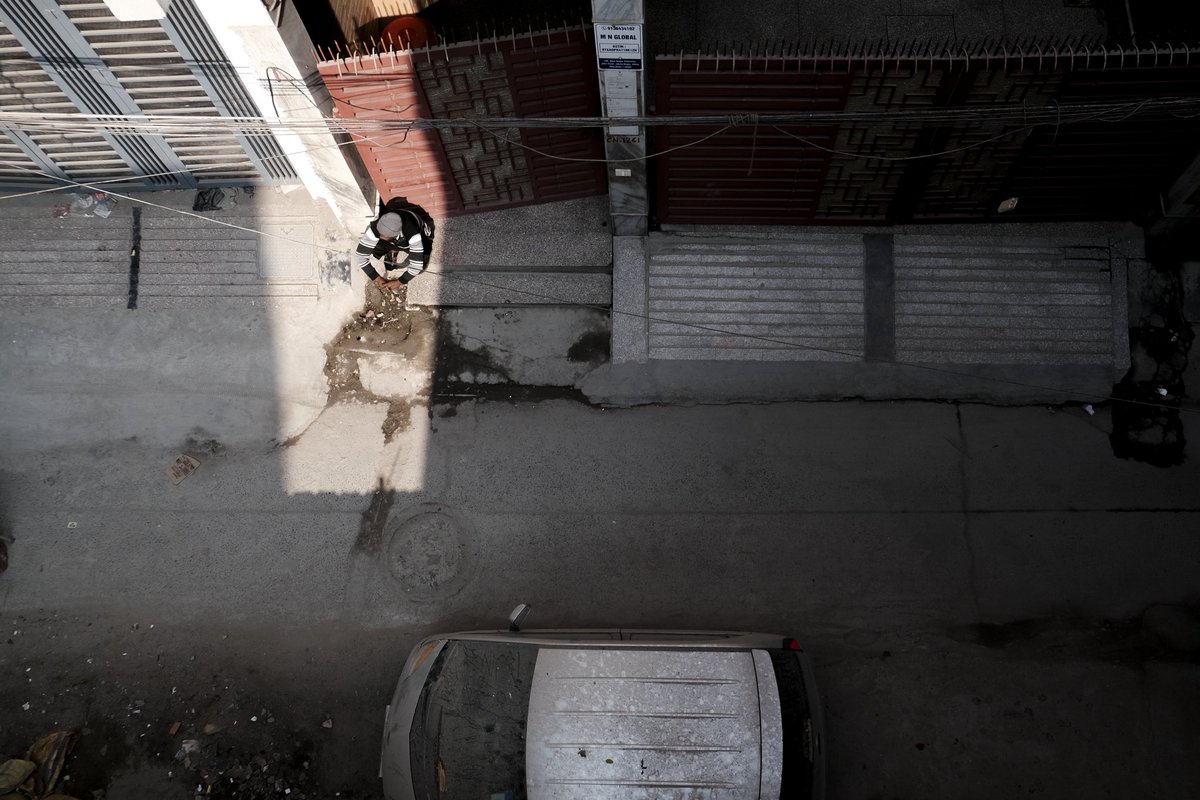
This winter, @hyderhabib and I roamed the streets of Jamia Nagar in Delhi documenting how the people of ghettoised neighbourhoods navigate scarcity of sunlight. A part of our project was carried by @TheIndiaForum as a photo essay. Link to the essay: https://t.co/ICW6Ss6BVC
aadam jacobs tapes spreading around is incredible. hopefully inspires kids to get a rig and get taping. never malachi ritscher, another wonderful chicago archivist of free jazz and out music. his collection is here https://t.co/EKN1Zc2nUH
AI data centers now require over $5 trillion in investment, yet they’ve become such high-stakes military targets that firms are considering moving them across borders into "data embassies" https://t.co/2PWw5IGLYG
Now up: Alex Colston (@enoughformethx) reviews Anton Jäger's "Hyperpolitics," (@VersoBooks) filling in gaps in the book's short argument & arguing for the importance of political formations and activities independent of official political society.
https://t.co/qG2v6vGOPX
BREAKING: The oil war just hit rice.
Not through fuel.
Through plastic bags.
A shortage of polypropylene (PP) raffia — used to pack rice — is now disrupting Asia’s rice trade.
What broke?
– Hormuz disruption → PP cargoes stuck
– India imports 50%+ of PP from Middle East
– February shipments? Still stranded
– No new vessels getting through
This is not a price spike.
This is a physical supply freeze.
Timing couldn’t be worse
– End of fiscal year
– Low inventories (just-in-time buying)
– Strong existing demand
The system had no buffer.
Prices are exploding:
PP raffia:
– Jan: $810/mt
– Feb: $915/mt
– Now: $1,380/mt
Domestic spike:
– +₹50,000/mt since Feb 28
This is not gradual inflation.
This is a shockwave.
And it’s hitting rice exports directly:
50kg rice bag cost:
– Feb: $4–4.5/mt
– Now: $6.5–7/mt
Margins get crushed → exporters pass it on → buyers hesitate
But here’s the twist:
Rice prices aren’t rising much.
India 5% broken WR: $333/mt
Thailand: $360/mt
Gap narrowed to ~$20 → buyers shifting to Thai rice
Why?
Because packaging cost is erasing India’s price advantage.
This is bigger than India
🇹🇭 Thailand
– “Pricing is dusty” (uncertain)
– Costs unstable: bags, freight, containers
– Offers now depend on bag availability
🇻🇳 Vietnam
– Still sourcing from China
– Bag costs up 25–30%
What’s really happening:
Oil → Petrochemicals → Plastic → Packaging → Food trade
One disruption at Hormuz is cascading across the entire chain.
Key insight:
The constraint is no longer rice.
It’s the bag that carries it.
When packaging becomes scarce,
food doesn’t stop existing — it stops moving.
And when food stops moving,
prices are the least of your problems.