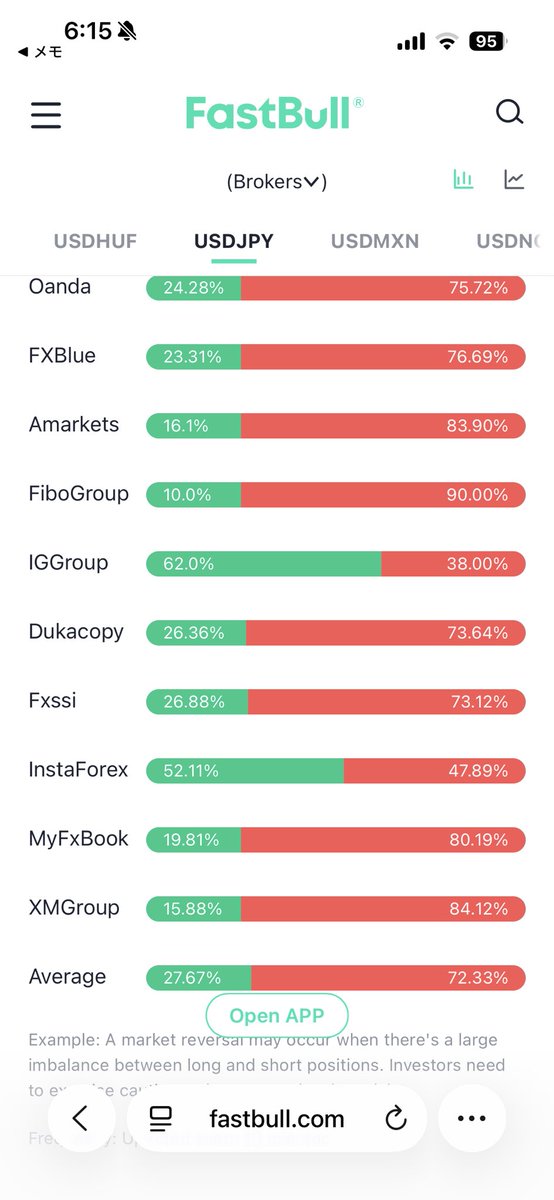
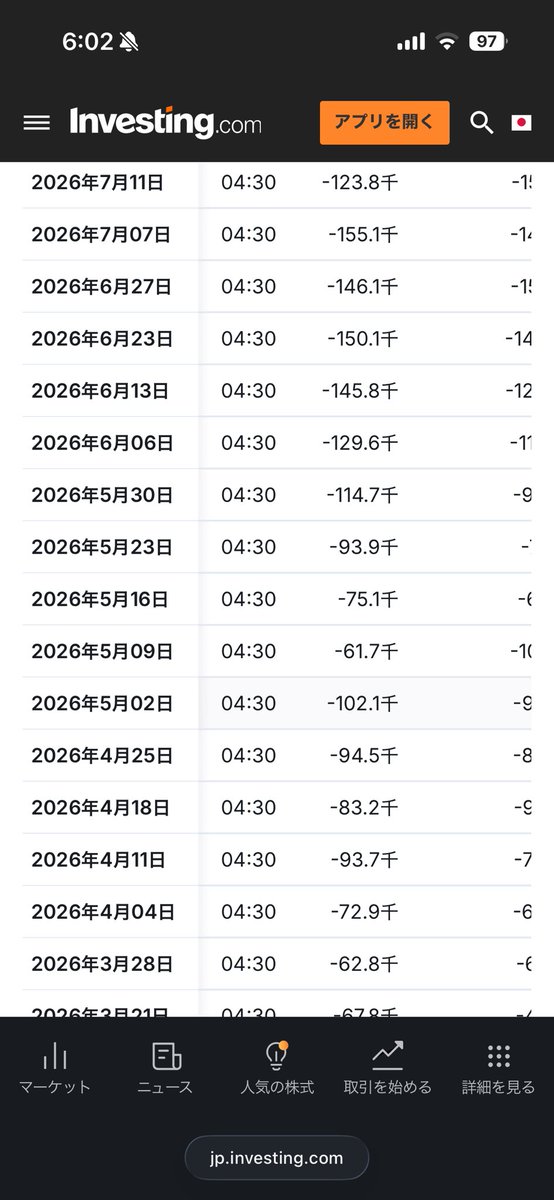
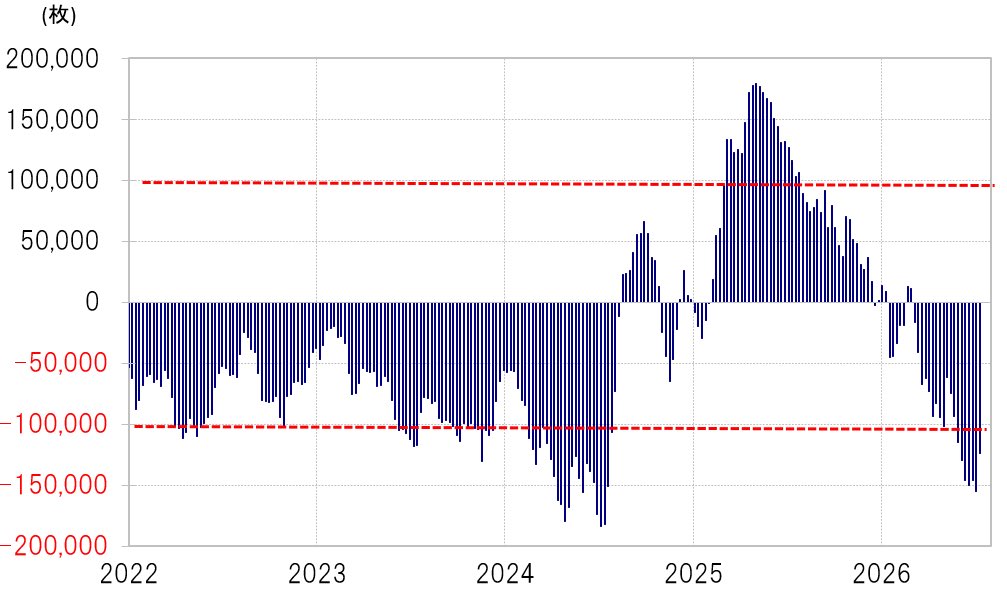
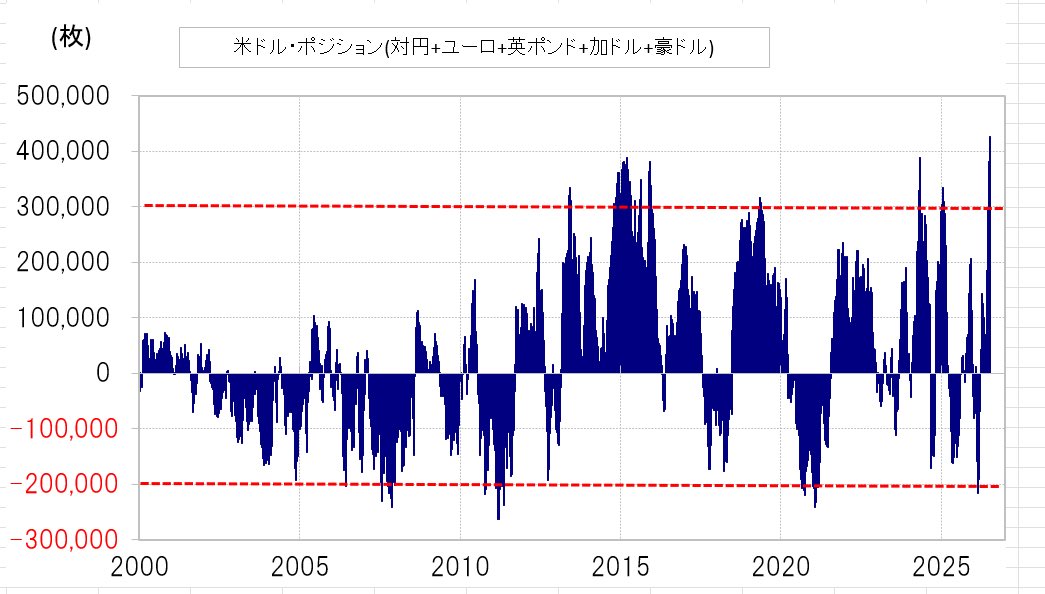
Japanese retail traders, often referred to in the market as "Mrs. Watanabe," have reportedly built their largest net short U.S. dollar position since records began in 2008. While this may appear to be just another positioning statistic, it is potentially one of the more important sentiment indicators for the foreign exchange market because Japanese retail investors have historically been among the world's largest and most active participants in leveraged currency trading.
The significance lies less in the position itself and more in what it says about market expectations. By establishing record net short dollar positions, Japanese retail investors are effectively expressing a strong conviction that the U.S. dollar has either peaked or is approaching a meaningful decline against the Japanese yen. This reflects growing expectations that the interest rate differential between the United States and Japan will gradually narrow as the Federal Reserve moves closer to easing policy while the Bank of Japan continues its slow path toward monetary normalization.
However, positioning extremes deserve careful interpretation. Extremely crowded trades often become contrarian indicators rather than confirmation of the prevailing narrative. When nearly everyone who wants to bet against the dollar has already established that position, the market becomes increasingly vulnerable to unexpected events that force rapid position unwinding. If U.S. inflation proves more persistent than expected, Treasury yields move higher again or geopolitical risks trigger another flight to safety, the dollar could strengthen unexpectedly, forcing leveraged traders to cover short positions and amplifying the move.
This dynamic has played out repeatedly in foreign exchange markets over the past two decades. Japanese retail investors have frequently accumulated large carry trade positions based on interest rate differentials, only to experience sharp reversals during periods of heightened volatility. Because many of these positions are leveraged, relatively modest currency moves can trigger margin calls and accelerate liquidation, creating feedback loops that extend well beyond what fundamentals alone would justify.
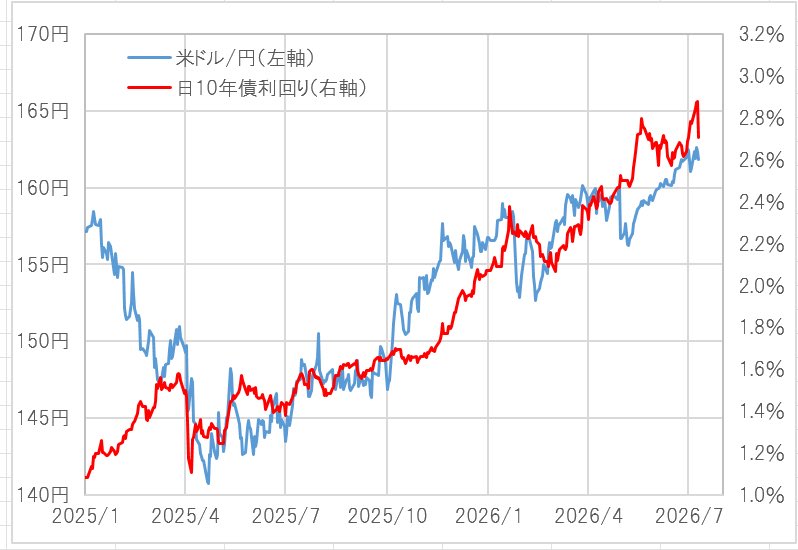
The current environment is particularly interesting because it sits at the intersection of several major macroeconomic themes. The Federal Reserve is approaching the latter stages of its tightening cycle, the Bank of Japan has finally exited negative interest rates, Japanese bond yields have been gradually moving higher and domestic inflation has become more persistent than at any point in decades. All of these factors support the argument for a structurally stronger yen over the medium term.
At the same time, the dollar continues benefiting from structural advantages that should not be underestimated. The U.S. economy has remained remarkably resilient, productivity growth has accelerated, fiscal spending remains expansionary and the United States continues attracting global capital into both public and private markets. In periods of uncertainty, the dollar also retains its role as the world's primary reserve currency and safe-haven asset. These structural supports mean that even if the longer-term trend eventually favors yen appreciation, the path is unlikely to be smooth.
The implications extend beyond the foreign exchange market itself. A stronger yen would reduce the competitiveness of Japanese exporters while lowering imported inflation, potentially influencing the Bank of Japan's policy trajectory. Conversely, a stronger dollar would tighten global financial conditions, particularly for emerging markets with significant dollar-denominated liabilities. As a result, the positioning of Japanese retail traders is often monitored not only by FX investors but also by equity, bond and commodity markets.
From a behavioral finance perspective, this development also illustrates an important characteristic of financial markets. Retail positioning frequently becomes most extreme after prolonged trends have already occurred. Following years of dollar strength and yen weakness, many investors now view dollar depreciation as the most obvious trade. History suggests that when positioning reaches record levels, future returns often become increasingly dependent on whether expectations continue improving rather than whether the original thesis remains fundamentally sound.
Overall, record net short dollar positioning by Japanese retail traders should not be interpreted as definitive evidence that the dollar is about to weaken sharply. Rather, it signals that market expectations have become highly one-sided. If macroeconomic developments evolve as anticipated, particularly through narrower interest rate differentials and continued Bank of Japan normalization, these positions may ultimately prove correct. However, when positioning reaches historical extremes, investors should become increasingly attentive to asymmetric risks because even modest positive surprises for the dollar could trigger disproportionately large reversals through short covering.
🚨🇯🇵 BANK OF JAPAN’s YUTO JUST EXPOSED THE BOJ’S SECRET WEAPON FOR THE REVERSE CARRY TRADE
Article 589 of Japan’s Civil Code is about to get unleashed HARD on every foreign borrower still thinking they can keep refinancing cheap yen loans through Japan forever.
Japan’s Civil Code Article 589 = “no interest without explicit pact” yet the old ghost version killed un-written rollovers on “bankruptcy trigger.”
Past approvals? WORTHLESS.
Rollover hopes? DEAD.
Japan’s about to pull the plug on the entire carry trade… markets will NEVER see it coming.
BREAKING:
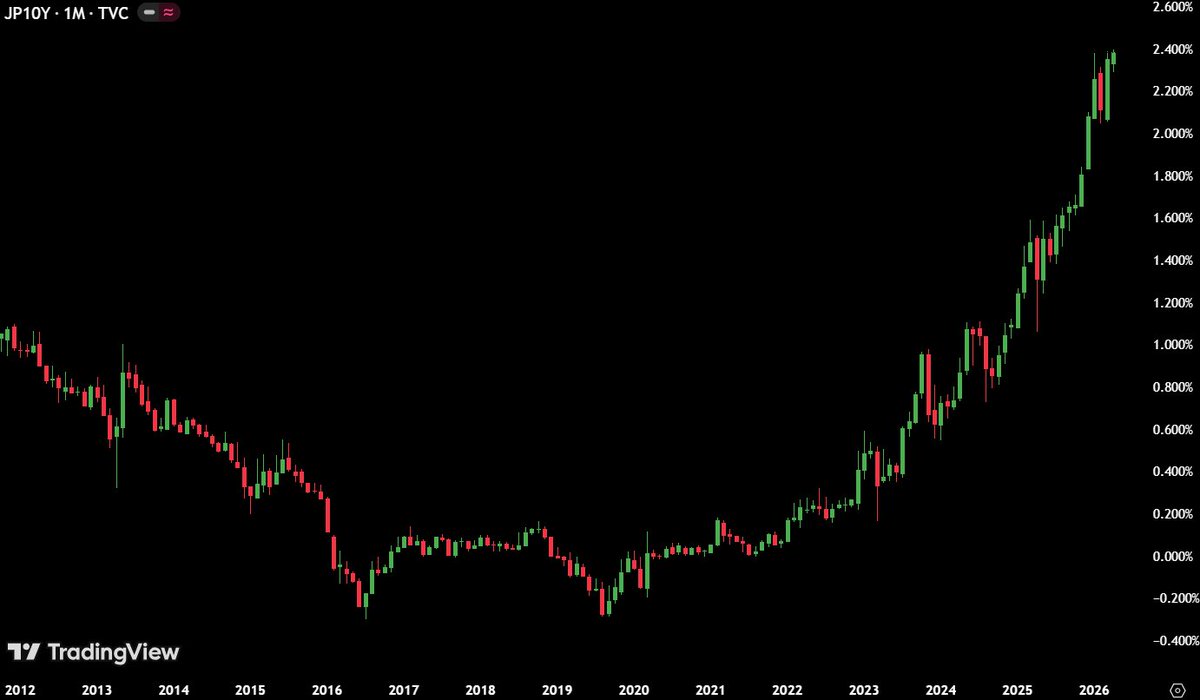
🇯🇵 Japan's 10Y bond yield has reached its highest level this century.
Rising bond yield means the market is expecting a rise in inflation, primarily due to the energy crisis.
But why should you care?
If bond yields keep going up due to inflation fear, BOJ could turn hawkish and do rate hikes.
A rate hike means Yen could strengthen, which will unwind the Yen carry trade and crash the markets, similar to August 2024.
🚨 Warning: Bank of Japan Forces $6T Homeward — Prepare for the Biggest Liquidity Crunch Ever!
BoJ insider Yuto Kanzaki just revealed: Japan’s wealth returns home by any means necessary!
This is the Reverse Carry Trade (RCT) unwind going nuclear.
After decades of cheap Yen funding, Japanese institutions are being forced to dump their $6 TRILLION+ in foreign securities (mostly US Treasuries & stocks) and bring the money back.
Japan’s 250%+ debt-to-GDP bomb, exploding pensions, and weak Yen crisis leave them no choice.
Expect a brutal fire sale: US yields spiking, global stocks crashing, liquidity vanishing, and carry trades getting annihilated worldwide.
The world’s largest creditor nation just turned desperate. This isn’t policy normalization, it’s survival mode.
Markets are about to feel the pain.