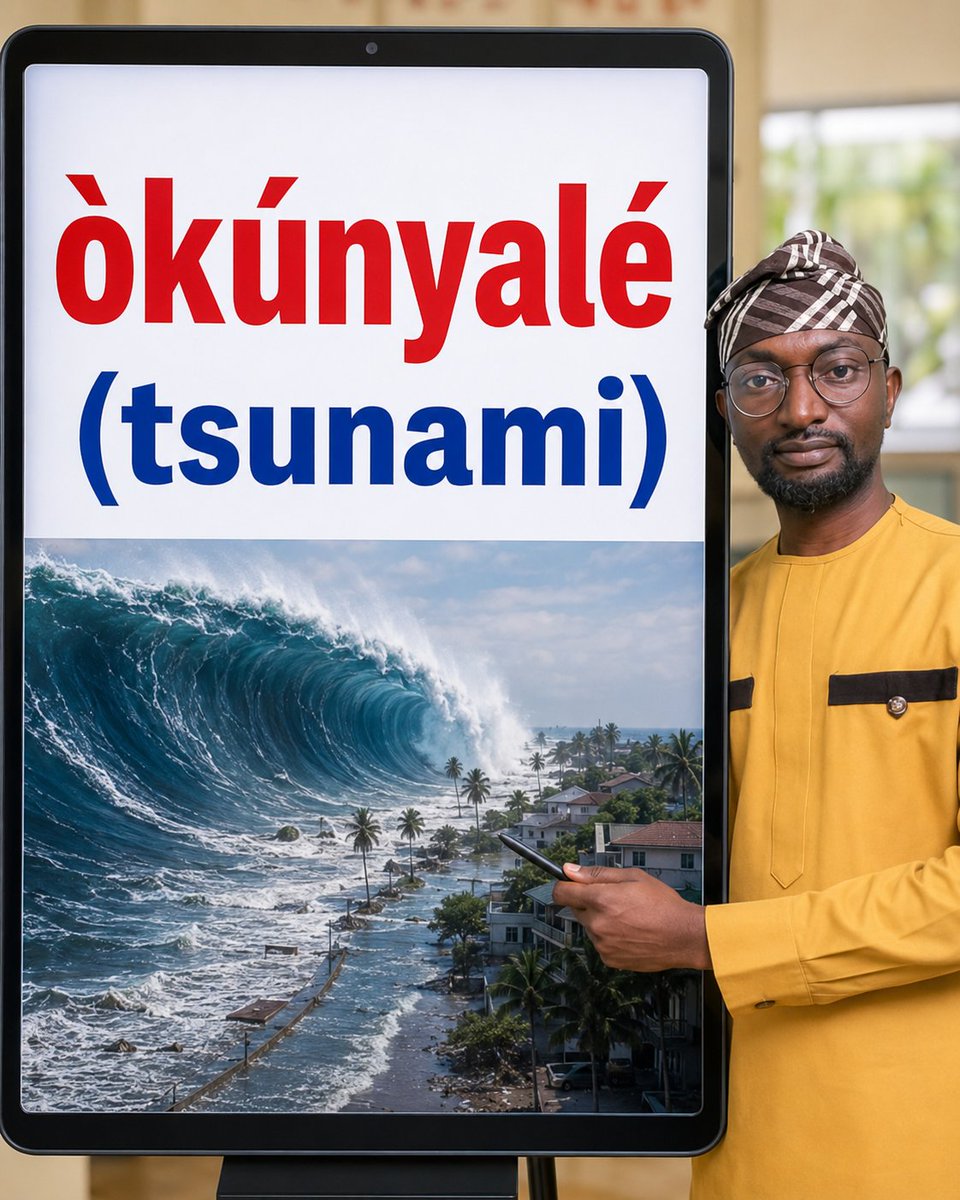
@ronkecarew@adeosunm Will us, the Yorùbá people in Kogi state be reunited with out kins in the Southwest?
The Yoruba in Kwara want to join the mainstream Yorùbá.
The Olùkúmi in Delta state want to be reunited with their own - Yoruba.
I think the Itshekiri wants to join too.
If yes, I'll be happy.
I f you missed my panel discussion organised by the @ALC_KCL New Narratives for Peacebuilding: Indigenous Knowledge, Plant Medicines, and Leadership Lessons for a Changing World, you can now watch the full conversation here:
🎥 https://t.co/DQHMG4bwYw
#PeacebuildingNewNarrative
Troops rescue 36 Benue indigenes in Cross River community
Troops of the Nigerian Army have rescued 36 Benue indigenes, who were held in Imaje community, Yala LGA of Cross River state.
According to Zagazola Makama, a security publication focused on the Lake Chad region, the operation was carried out on Thursday by troops of the 130 Battalion (Rear) in conjunction with the 341 Artillery Regiment.
@JaafarSJaafar Lagos state education is better run than the Federal Education. Reason, most Lagosians hardly apply for FG work.
Ogun State Education used to be very effective as well.
I know that Akwa Ibom schools are top-notch as well.
@B0lutife I've been following Wàá Ṣere for a while, and I can say that he's a true Yoruba.
@B0lutife, please check the post he made after this.
He's all out defending the Yoruba.
This video he made against the MZ movie.
Olùkúmi, Yorùbá á gbè wá o.
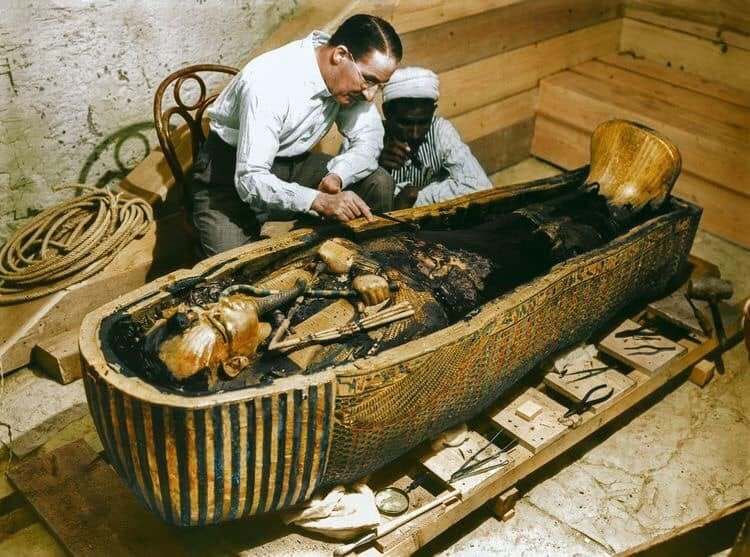
The final wall of the sealed burial chamber of the 18-year-old Boy King Tutankhamun of Egypt was breached for the first time in 3,000 years on February 17, 1923.
What happened after was dire and shocking!
@TheYorubaTimes I wish the people of North Korea, FREEDOM.
For them, they can't shout, "It's my religion before the nation."
They are not free!
Government is their God.
@OpeBee Or we the Yorùbá speaking people of the state, get reunited with our kins in the Southwest.
With the feat of BAT, I think it's about to go down.
The Emergence of Real Nations within the Country called Nigeria.
@OpeBee It's time to start electing politicians who are now results-oriented, not those who wait for the FG allocations to squander.
E.g. Kogi state, my state, ought to be richer than the entire southeastern states.
One day, a proactive governor will unlock the state's greatness.
1/
@markessien I hate to say this, but I thought of this JUST yesterday.
I wonder why there's this rivalry between Akwa Ibom and Cross Rivers..!
United, we tend to survive; Divided, we risk...
Maybe soon, in the country of Nigeria, we will start seeing the emergence of Nations within it.
According to Olusegun Obasanjo in his book; “Not My Will”…
Due to the Gowon salary increase aka “Udoji Award”….
All the electronic equipment in all of the shops in the country were bought-up within two weeks.
Without any form of adequate attention to public transport, and with sudden national elect affluence from oil and over-generous handout to workers, people changed cars at the slightest electrical or mechanical complaints, without will making efforts to repair and maintain and keep for any reasonable period of time.
The roads became heavily congested and what was called 'go slow’ became the order of the day in almost all urban centres and on most of the inter- city roads.
A journey of twelve kilometers from central Lagos to Ikeja Airport took about eight hours.
A trip from Ibadan to Lagos, a distance of some one hundred and twenty kilometers took almost a whole day.
NELFUND: We'll give you student loans.
Students: Thank you.
Rector: Let's plan. Your school fee is ₦50k, but we'll tell the govt it's ₦80k & steal the balance.
This is exactly what is happening in some schools.
A whole Rector is stealing from govt funds.
What a shame!
Lagosians refused to pay for light and water bill during the colonial days: They called it exploitation.
Photo: Old Ijora Phase 1.
Lagos’s first coal-fired power station. Built in the early 1900s, it was one of the first attempts to bring electricity to the colony.
The station used coal, hence the tall brick chimney for venting smoke, and it powered streetlights and a few government buildings around Lagos Island. Ijora became Nigeria’s early “power hub” because of it, and that chimney is one of the few physical reminders left.
Lagosians resisting the bills that came with it.
Colonial electricity wasn’t welcomed as “progress” at first, people saw the fees as another way for the British to tax them.
In the 1890s the British tried to introduce municipal rates to pay for streetlights.
Acting Governor George Denton recorded that residents flat-out refused.
IFRA-Nigeria archives even quote locals saying they’d “prefer that the Town should remain in its present state of almost total darkness” than pay a tax for light.
The idea of paying the colonial government yearly for something they’d managed without didn’t sit well.
Protests were so strong that the government backed down and dropped the “house tax”.
Instead they funded electrification by raising duties on imported spirits, a tax that didn’t hit Lagosians directly.
The same fight came up again in 1908 with water.
When the colonial government tried to levy a “water rate” for pipe-borne water, Oba Eleko and Lagosians rejected it. Indigenous leaders mobilized against what they saw as exploitative charges for basic services.
The resistance wasn’t about rejecting modernity, it was about rejecting colonial control over their pockets.