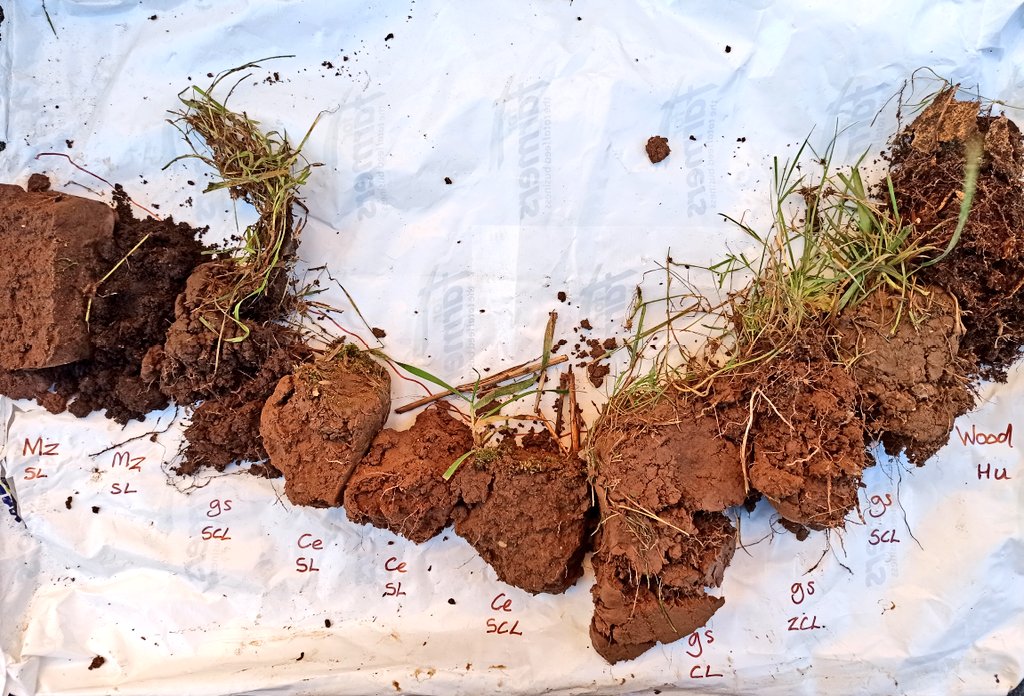
There is so much more to soil than people believe. Photo shows a 3 mile transect of the Otter Valley. All managed differently, different topography with different textures. And that's just the top soil, subsoil is equally diverse! #WorldSoilsDay@WestcountryRT
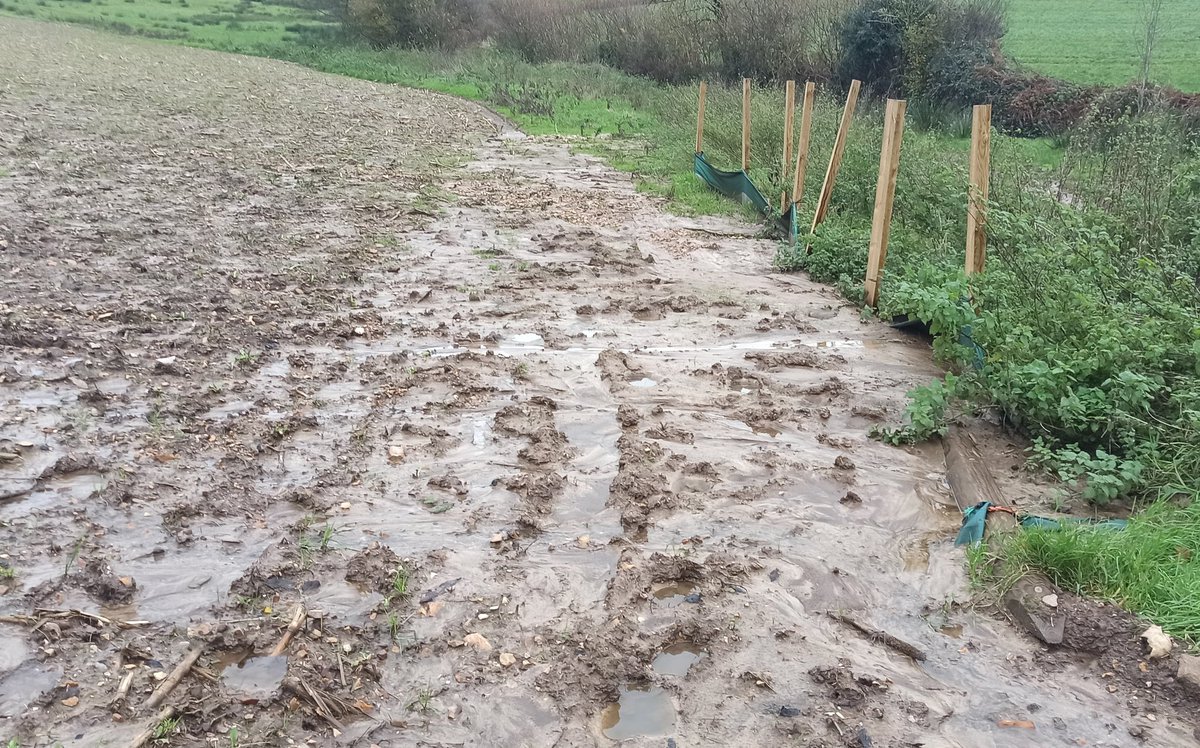
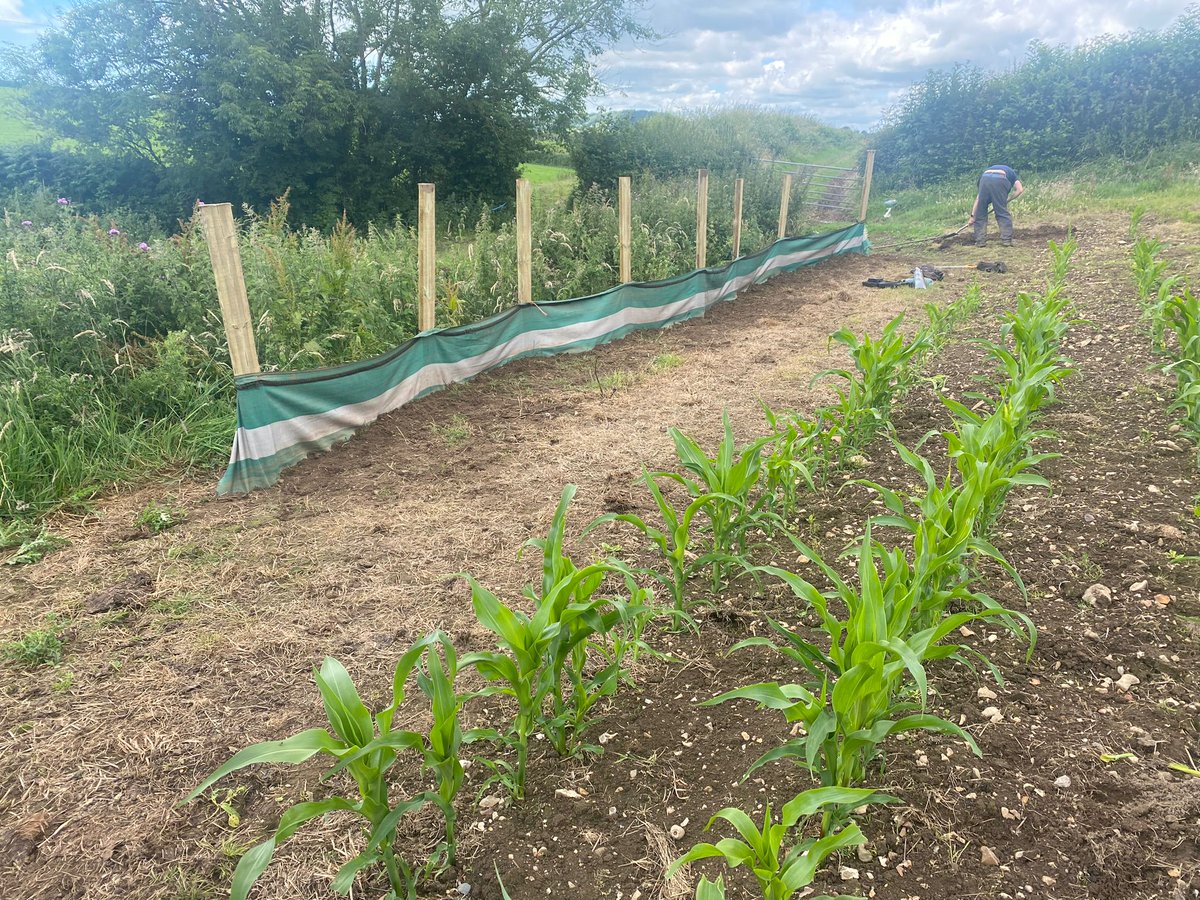
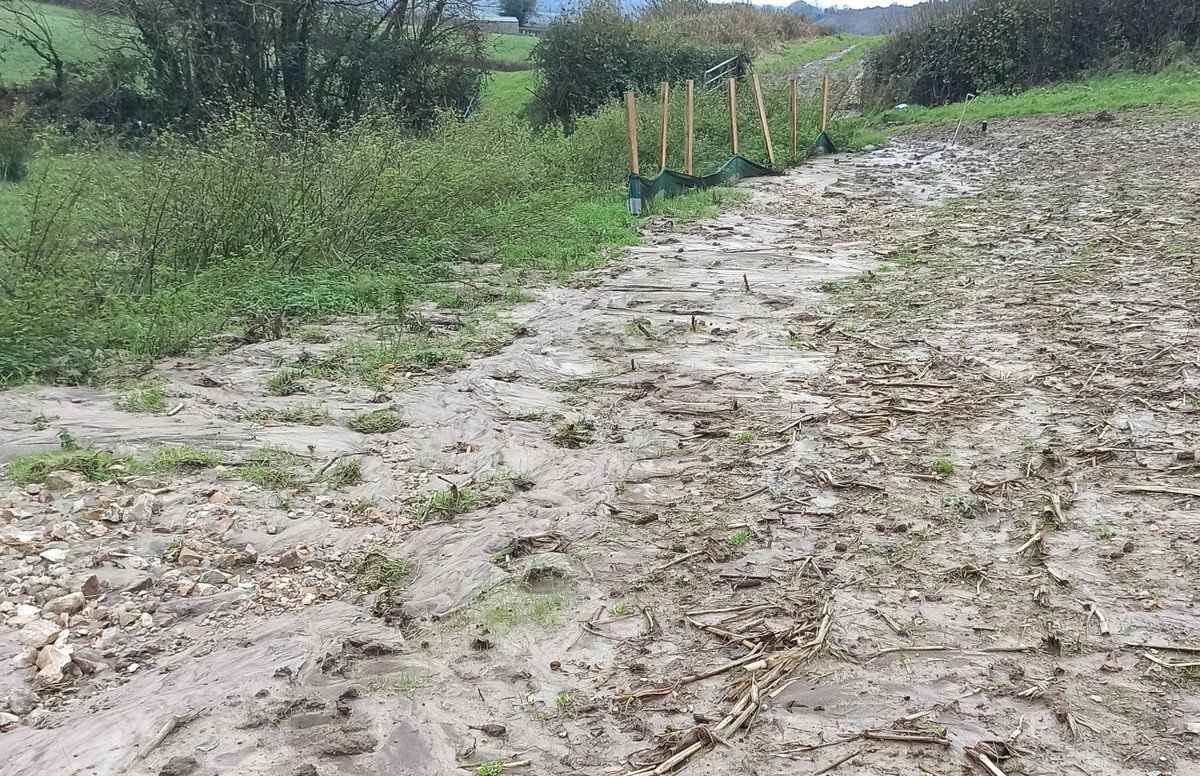
@WestcountryRT#WorldSoilDay2024 A sediment fence put up in the summer has collapsed under the weight of water and sediment lost from maize field. What soil it has captured is only a fraction of what has been lost to the stream below.
@WestcountryRT#UST#EA The EA have released further guidance on harvesting guidance for farmers (see link below), as well as their position statement back in the early spring: https://t.co/70jQhUoB3Q
@DaveThroup@BlaenauGwentCBC Ahh, sort of makes sense now. If you come up the mountain from there to the Trig point you can see the Bristol Channel sparkling in the sun.
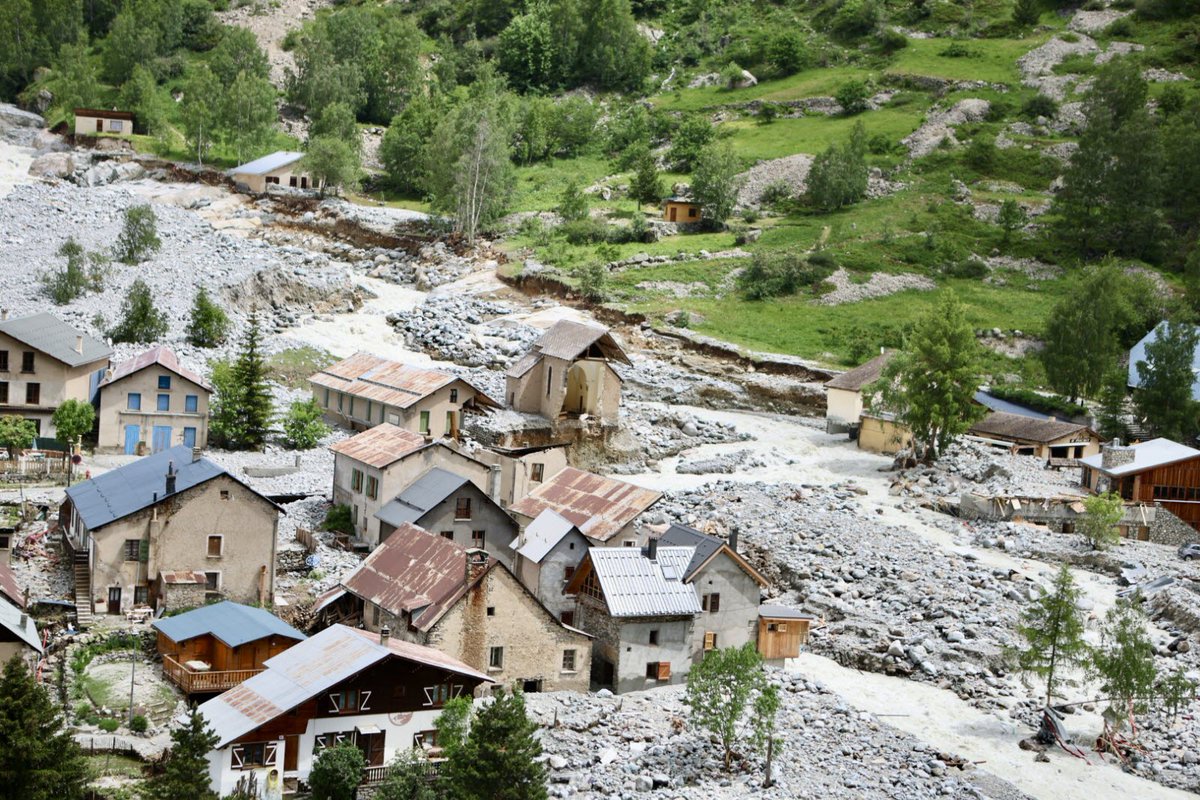
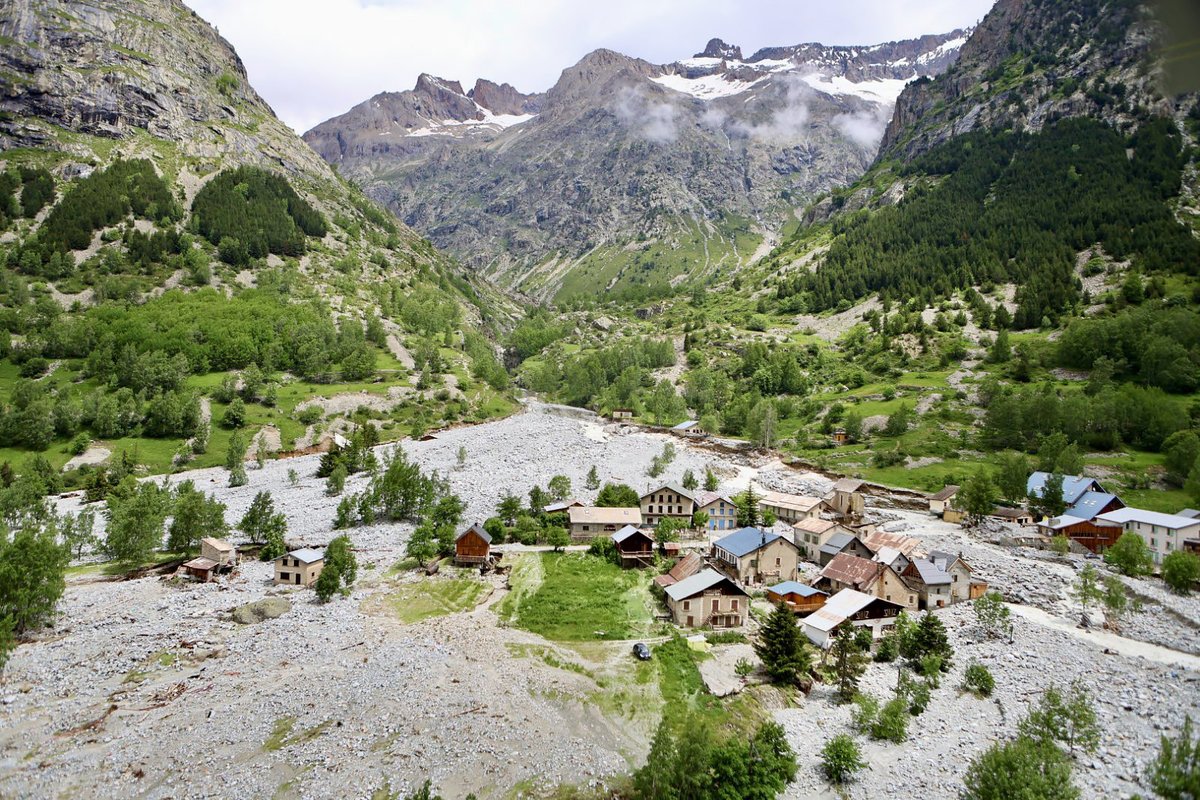
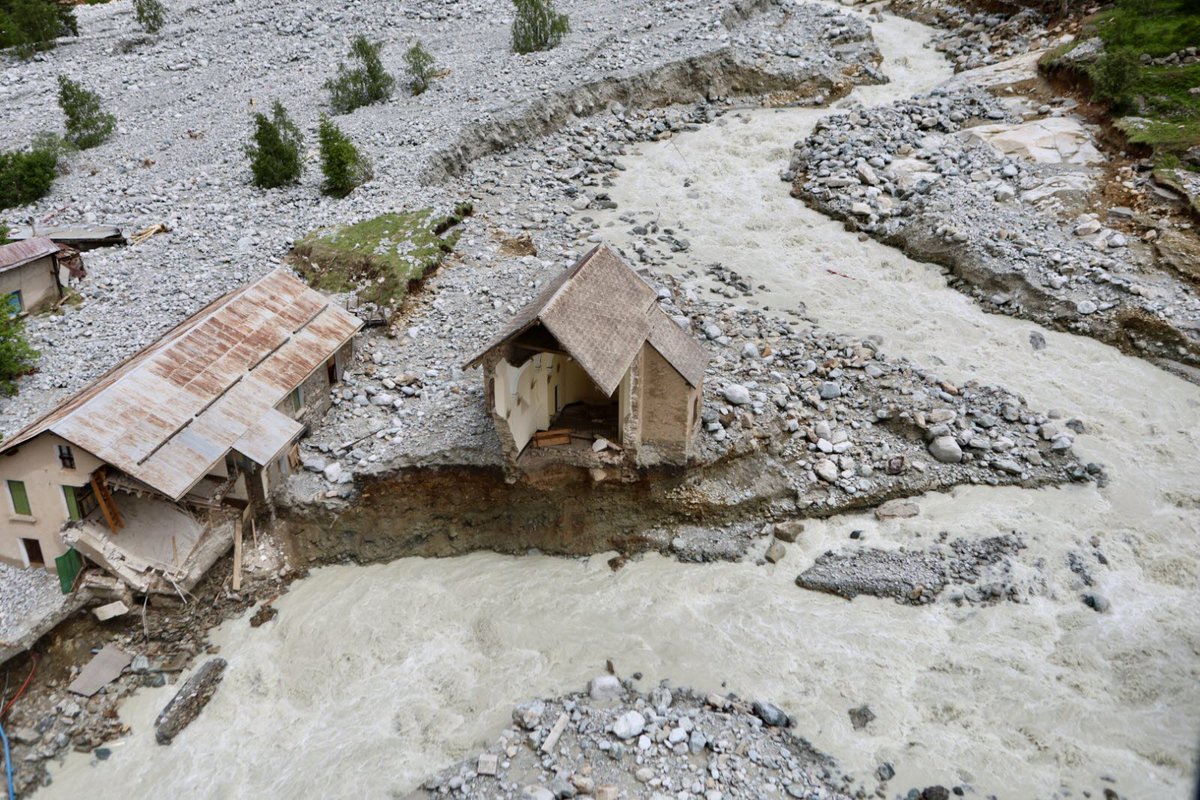
New flight over La Bérarde today shows a much worse situation than yesterday! 🚁😱
Many buildings have not survived the night and are simply cut in two, just look at the church! 😭
When you are intimely linked to this place this is so HEARTBREAKING 💔
https://t.co/TUuS8cqWHp
1/
I'm going to a talk today about the UK version of this. Scale is often much bigger in US, but ultimately the long-term sustainability of those fields is unachievable this way. Soil is being lost and the health of the soil left in the field will be deteriorating. @WestcountryRT
This is the result of clear cutting corn fields for large dairies. There is at least a 1000 acres in my neighborhood like this. No cover left to hold back water. No cover crop planted. Manure pits are knifed in the fall and tilled again in the spring to plant more corn for silage. Water infiltration rates are terrible so the soil and nutrients run off. Fields with last year's crop residue are not doing this. Minnehaha County, SD. #SoilHealth is lacking. #erosion is terrible.
This is a great way of highlighting what's going on to the various generations. Us 'older lot' have felt the difference, but the newer generations can perceive things as 'normal' without any lived reference points/memories. @WestcountryRT
We use 30 year averages to show climatology (average weather conditions). During the 20th century the UK climatology followed a path around a confined box. With #globalwarming and #climatechange they have escaped out the box. This #dataviz shows UK rainfall and temperature.
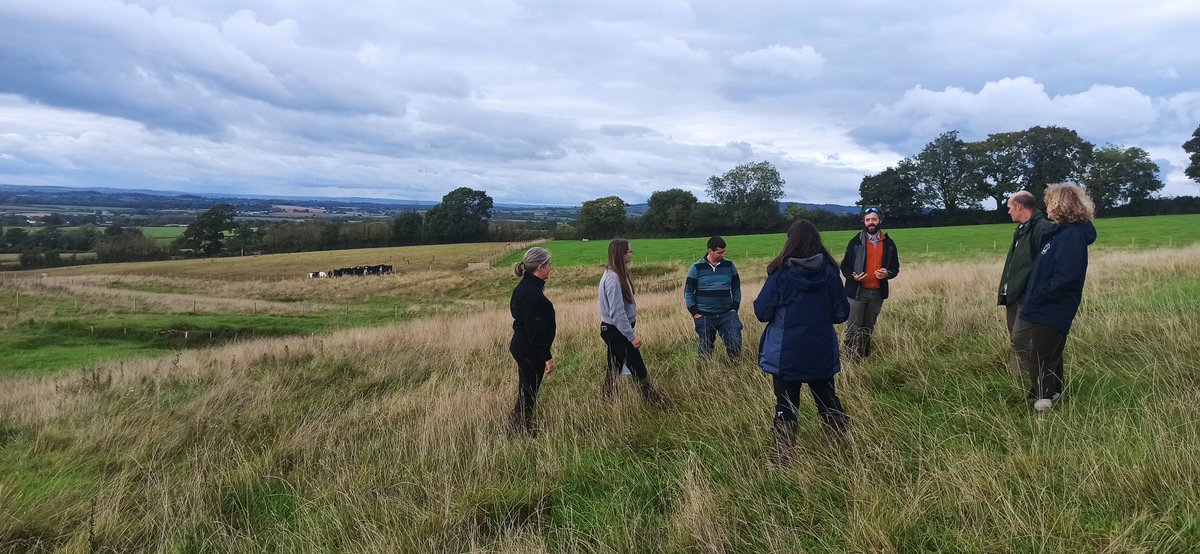
We've been really grateful at @Riverford to have had a lot of help over the years from the @WestcountryRT when it comes to trying to better manage our soil erosion risks. Great to have Wendy out today, explaining it all to the wider farm team so that everyone's on the same page.
EA have now given clear guidance on the risk of pollution caused by certain crops, on certain soils in Devon and Cornwall. Maize, Fodder beet, field veg etc. are used as examples and if grown in specific areas, without effective pollution measures, you are liable to enforcement.
@FarmCO2Toolkit@hayneoak@realcornishtone I couldn't agree more about the importance of roots, but this photo seems to show some rill erosion at the bottom of an infield valley. If this area gets all the surface run-off of the field (lack of cover veg) the erosion risk is significantly higher than the rest of the field.