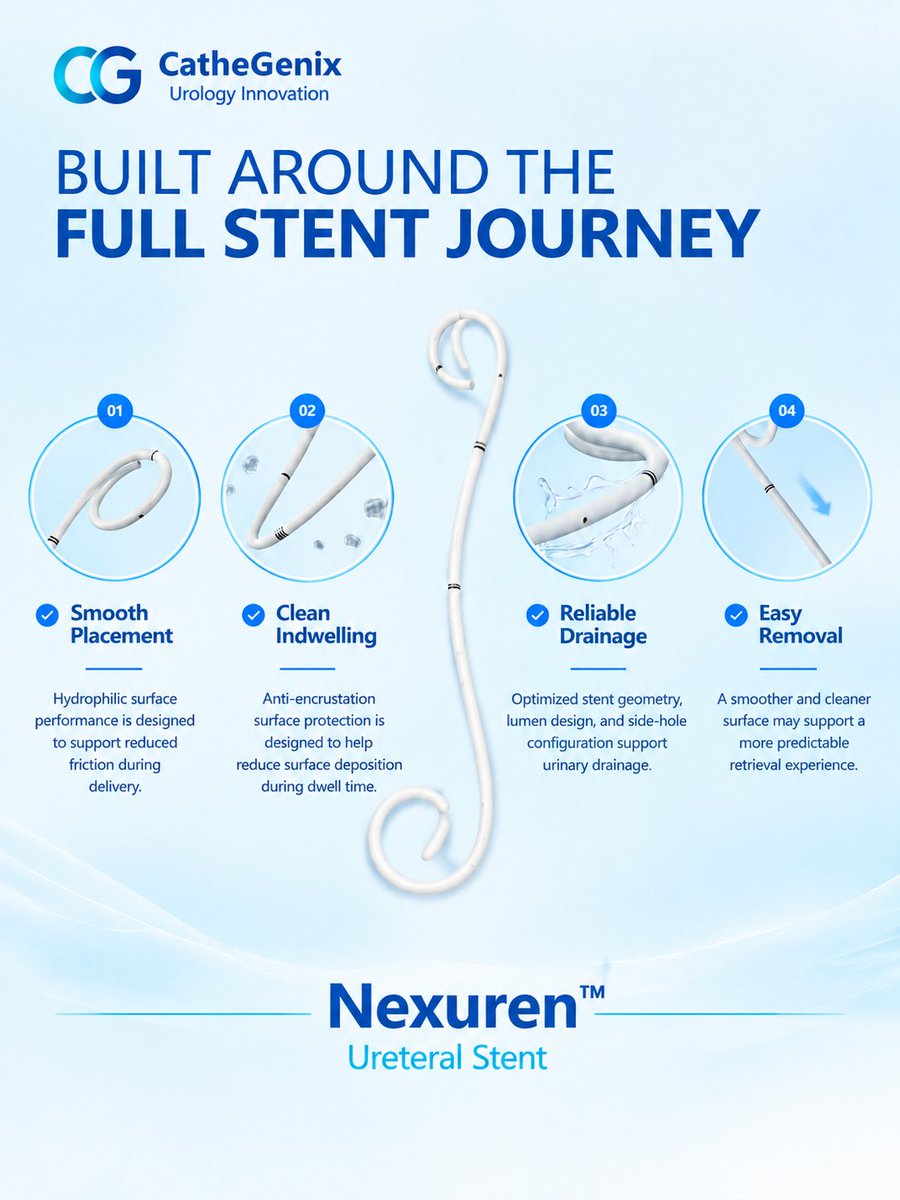
What makes a better ureteral stent?
More than the shape, it’s the surface.
Nexuren™ combines:
💧 Hydrophilic Lubricity
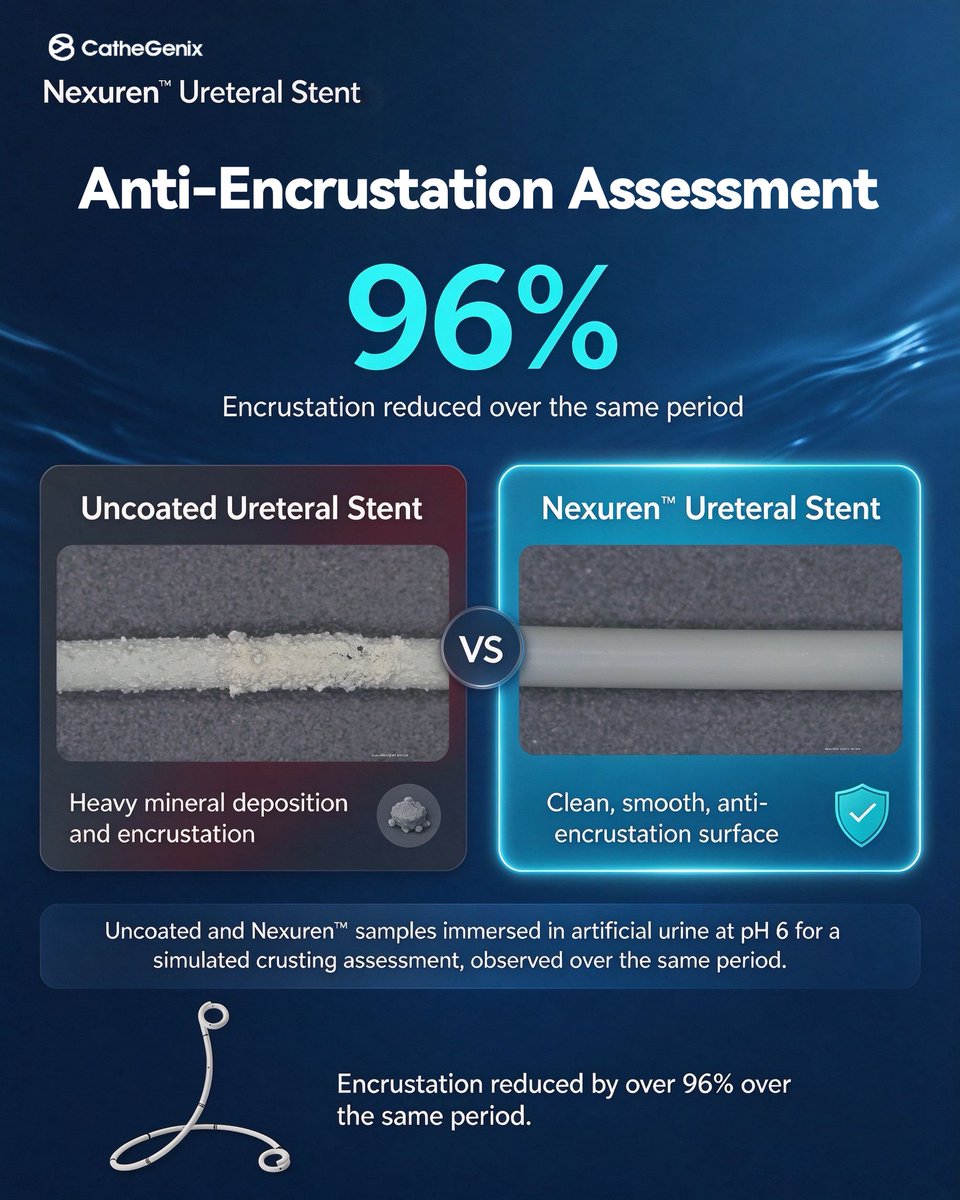
🛡 Anti-Encrustation Surface Protection
Two surface goals. One stent platform.
Supporting placement, indwelling, drainage, and removal.
#Urology#Endourology
We are focused on Better Endourology Solutions.!
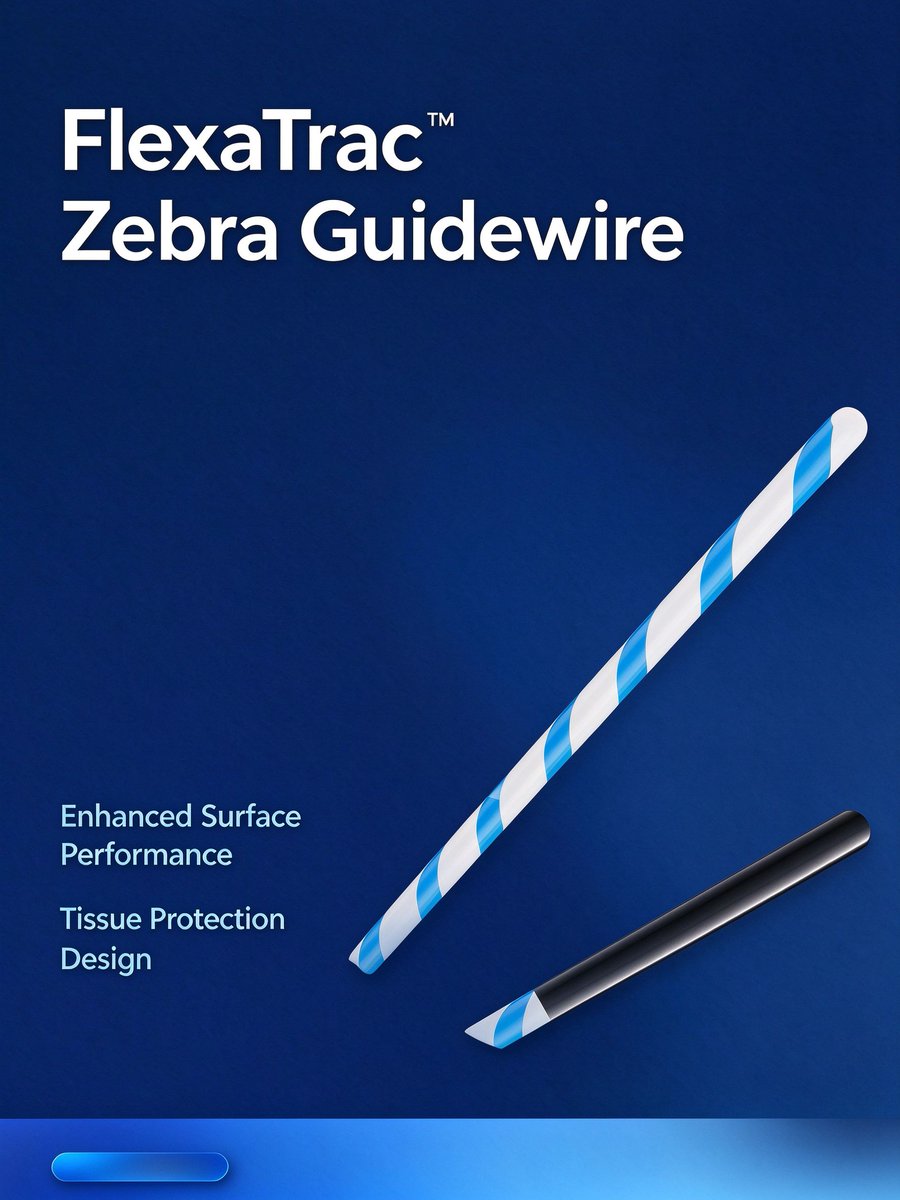
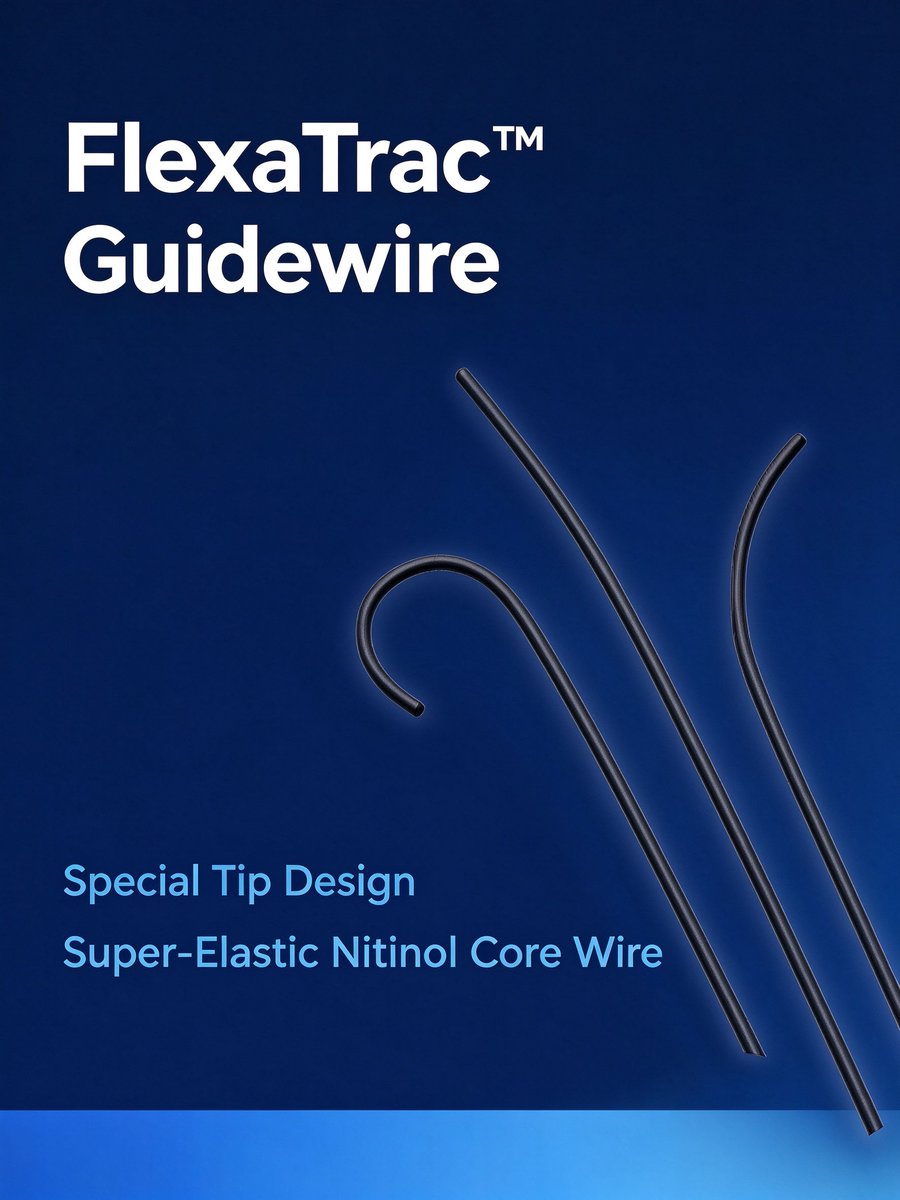
🔹 Flexatrac™ Guidewire
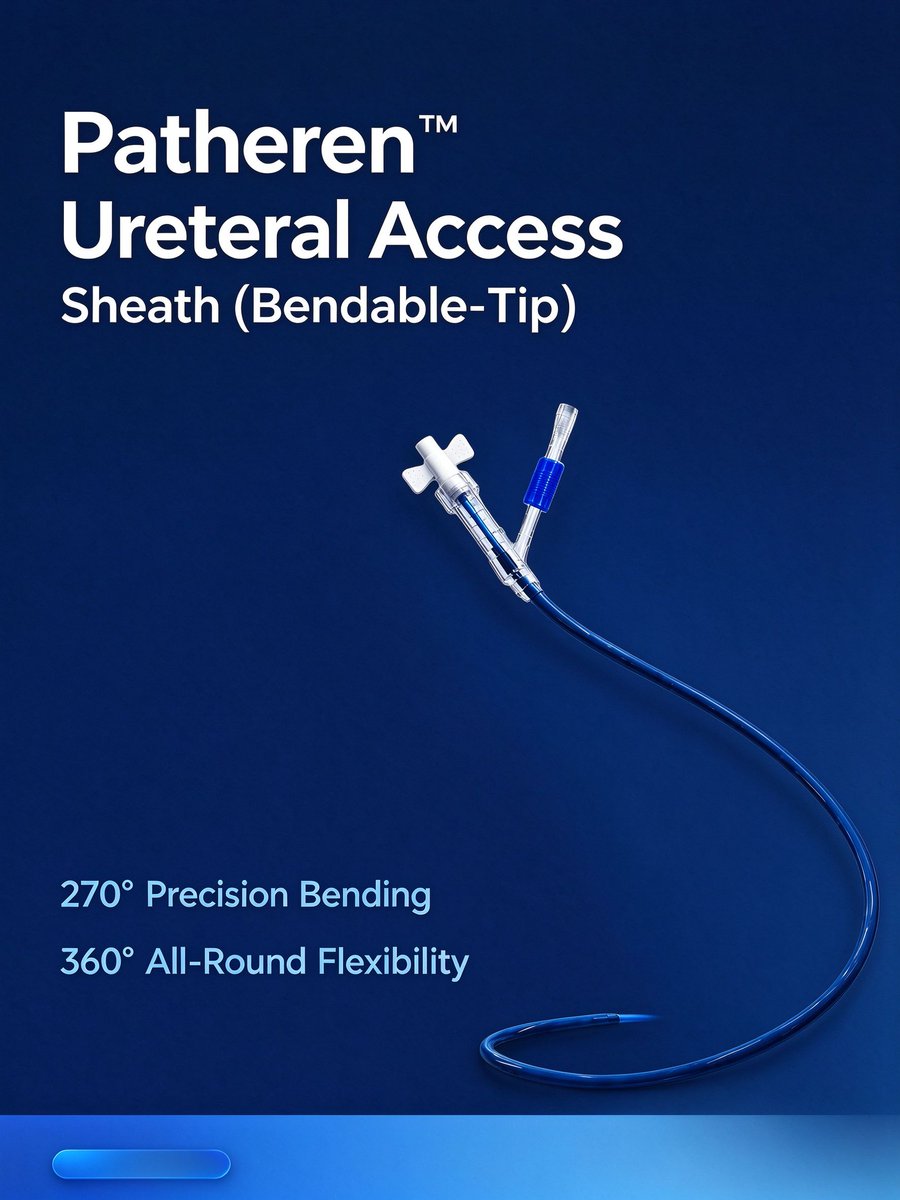
🔹 Access: Patheren™ Ureteral Access Sheath
🔹 Drainage: Ureteral Stents
Interested in our products? Get in touch with us!
#CatheGenix#Endourology#Urology
🔬 14 Days. Three Stents. See the Difference!
Watch our simulated urine test to compare Nexuren™, uncoated, and competitor stents.
🛡️ Nexuren™ showed better anti-encrustation performance under these test conditions.
#CatheGenix#Urology#AntiEncrustation#UreteralStent
AI is making it easier than ever to explore new medical device ideas.
But there's a big difference between a promising concept and a validated product.
AI can help us ask better questions.
Engineering and clinical evidence still have to provide the answers.
One detail I pay attention to with ureteral access sheaths: the gap between inner and outer diameter.
A smaller profile is appealing, but you still need room around the scope for outflow.
How do endourologists think about that balance?
One thing I'm learning while building medical devices:
Every design decision comes with a trade-off.
Flexibility, durability, ease of use, and cost all matter.
The challenge isn't maximizing one feature. It's finding the right balance for the people using the device.
One thing I've learned in medical device development:
A device shouldn't be judged only by how well it performs during a procedure.
What happens after placement matters just as much.
For ureteral stents, that's why I believe surface engineering deserves more attention.
In urology, we spend a lot of time talking about device performance.
But I think we should also talk about workflow.
How smoothly do guidewires, access sheaths, and stents work together?
A great device should fit the procedure, not complicate it.
Good medical devices start with understanding what clinicians and patients really need.
I'm Ryan, co-founder & VP at @CatheGenix. We're building better tools for urology.
I'll share what we learn about clinical needs, product design, startups, and AI.
Glad to be here 👋