A man spends 50 years teaching at MIT.
He knows his time is running out.
So he records one last lecture — everything he knows, distilled into a single hour.
He died 5 months later.
This is that lecture.
The most important hour you'll watch this week. 👇
Bookmark it for later
Kenyans
Kshs 5 B was used to construct this Ngong-Suswa road.
The state of road will shock you.
When institutions of accountability goes silent
The country turns into fallen state
The mafia rules
Steals without fear
Africa's highest court is about to hear something historic. For the first time, we're arguing that the climate crisis is a violation of African people's rights and that polluters must be held accountable under African law. Add your name: https://t.co/EuRtZfFXUE
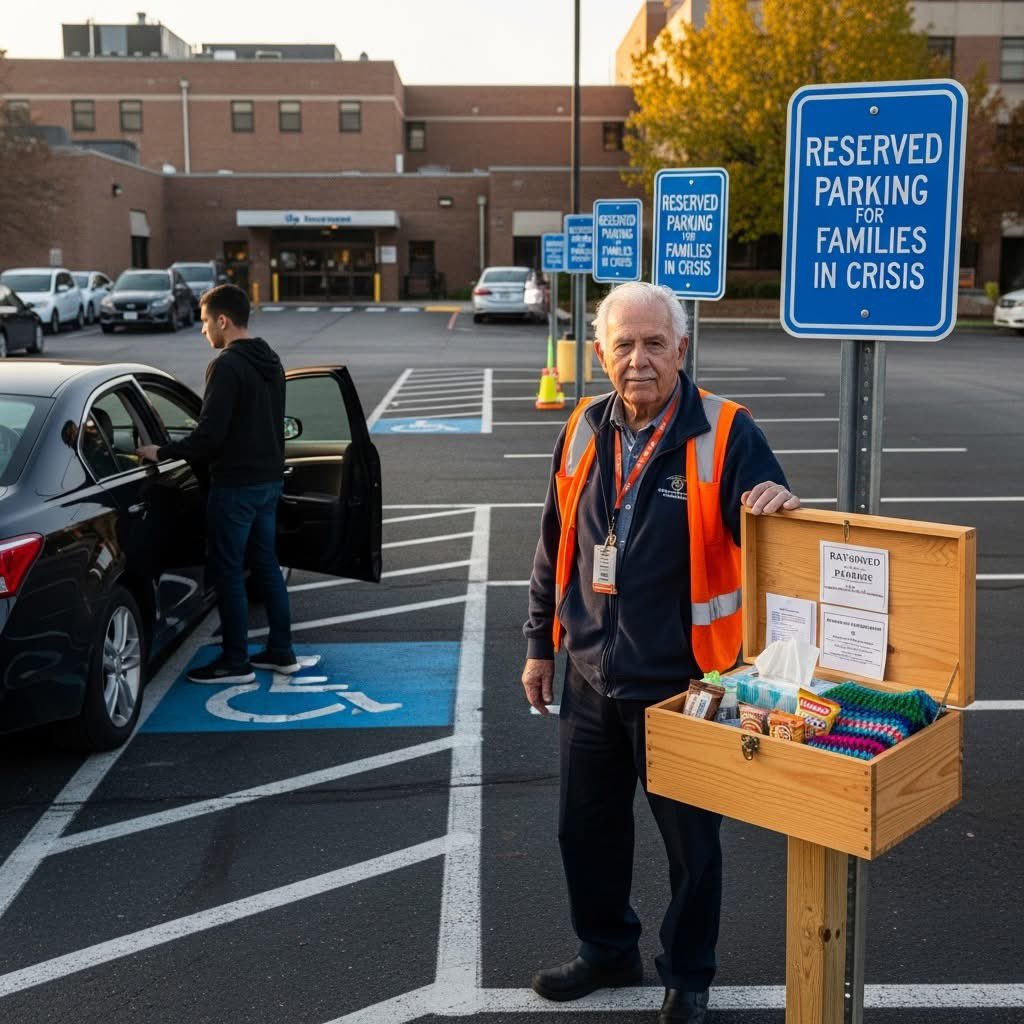
"My name's Raymond. I'm 73. I work the parking lot at St. Joseph's Hospital. Minimum wage, orange vest, a whistle I barely use. Most people don't even look at me. I'm just the old man waving cars into spaces.
But I see everything.
Like the black sedan that circled the lot every morning at 6 a.m. for three weeks. Young man driving, grandmother in the passenger seat. Chemotherapy, I figured. He'd drop her at the entrance, then spend 20 minutes hunting for parking, missing her appointments.
One morning, I stopped him. "What time tomorrow?"
"6:15," he said, confused.
"Space A-7 will be empty. I'll save it."
He blinked. "You... you can do that?"
"I can now," I said.
Next morning, I stood in A-7, holding my ground as cars circled angrily. When his sedan pulled up, I moved. He rolled down his window, speechless. "Why?"
"Because she needs you in there with her," I said. "Not out here stressing."
He cried. Right there in the parking lot.
Word spread quietly. A father with a sick baby asked if I could help. A woman visiting her dying husband. I started arriving at 5 a.m., notebook in hand, tracking who needed what. Saved spots became sacred. People stopped honking. They waited. Because they knew someone else was fighting something bigger than traffic.
But here's what changed everything, A businessman in a Mercedes screamed at me one morning. "I'm not sick! I need that spot for a meeting!"
"Then walk," I said calmly. "That space is for someone whose hands are shaking too hard to grip a steering wheel."
He sped off, furious. But a woman behind him got out of her car and hugged me. "My son has leukemia," she sobbed. "Thank you for seeing us."
The hospital tried to stop me. "Liability issues," they said. But then families started writing letters. Dozens. "Raymond made the worst days bearable." "He gave us one less thing to break over."
Last month, they made it official. "Reserved Parking for Families in Crisis." Ten spots, marked with blue signs. And they asked me to manage it.
But the best part? A man I'd helped two years ago, his mother survived, came back. He's a carpenter. Built a small wooden box, mounted it by the reserved spaces. Inside? Prayer cards, tissues, breath mints, and a note,
"Take what you need. You're not alone. -Raymond & Friends"
People leave things now. Granola bars. Phone chargers. Yesterday, someone left a hand-knitted blanket.
I'm 73. I direct traffic in a hospital parking lot. But I've learned this: Healing doesn't just happen in operating rooms. Sometimes it starts in a parking space. When someone says, "I see your crisis. Let me carry this one small piece."
So pay attention. At the grocery checkout, the coffee line, wherever you are. Someone's drowning in the little things while fighting the big ones.
Hold a door. Save a spot. Carry the weight no one else sees.
It's not glamorous. But it's everything."
Let this story reach more hearts....
Credit: Mary Nelson
This song right now in Tanzania is a hit. Inawafanya watanzania wahisi kuwa wamenyang'anywa Uhuru wao na Idi Amin Mama Samia Suluhu.
Kwa hii Diamond Platnumz hafiki.
We as your brothers in Kenya we feel your pain.
In less than 24 hours, 36 innocent lives have been wiped off our roads not by fate, but by a corrupt, careless, and collapsing system.
Today alone, 12 souls in Murang’a perished, yet the Cabinet Secretary for Transport, Davis Chirchir, remains silent, unmoved, and detached. No statement. No plan. No shame.
Over 2,000 Kenyans have died this year on our roads fathers, mothers, children, workers yet this government treats it as routine statistics. Instead of mourning the nation’s blood on our tarmac, President Ruto is busy roaming Kitui chasing votes, while families bury their loved ones in silence.
Our roads have turned into cemeteries of corruption. The traffic police don’t enforce laws they enforce bribes. Their creed is simple: collect money, not save lives. Every driver knows the unholy ritual pay or suffer. And if you refuse, you become a target. I witnessed it myself at Mwiki Police Station a driver punished, humiliated, and threatened simply because he refused to part with a KSh 100 bribe. The officer vowed to “get him” and that tells you everything about what this country has become.
We cannot stay silent anymore. Kenya bleeds daily, not from war, but from greed, negligence, and incompetence. We must demand accountability. We must demand action. The CS for Transport must speak or resign. The Inspector General must act on highway corruption. And the President must stop playing politics and face the crisis killing his citizens.
If we stay quiet, tomorrow it will be your friend, your family or you.
Kenyans, rise up. Speak out. Demand answers. Because silence now is consent to murder.
If presidential elections were to be held today who would you vote for?
Repost for Maraga ✅
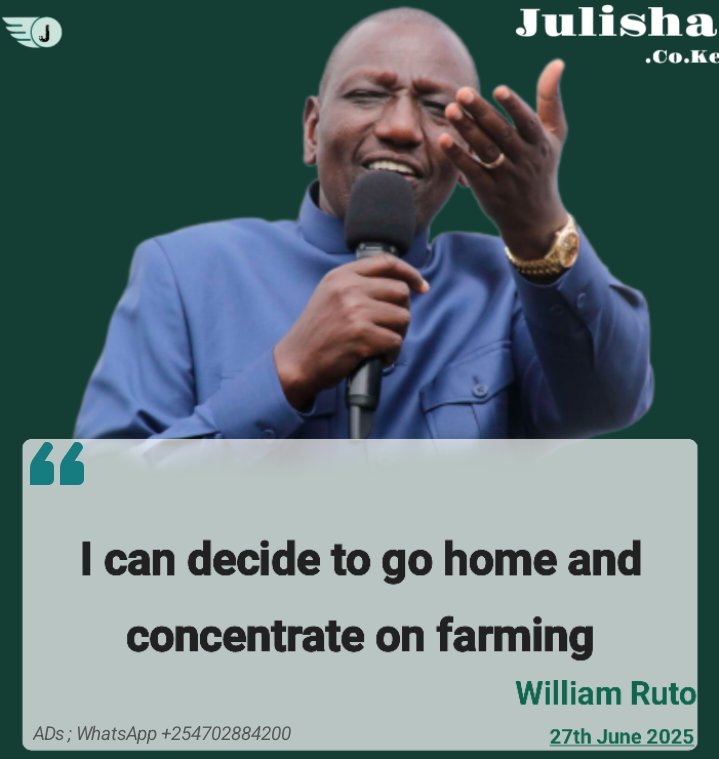
Like for Ruto ✅
Simba Arati the dci Arrest Jimi Wanjigi Vietnam Batuk Ruto 2.0 Dissolve Mogadishu Maraga Untruthful Man Gachagua mpigs