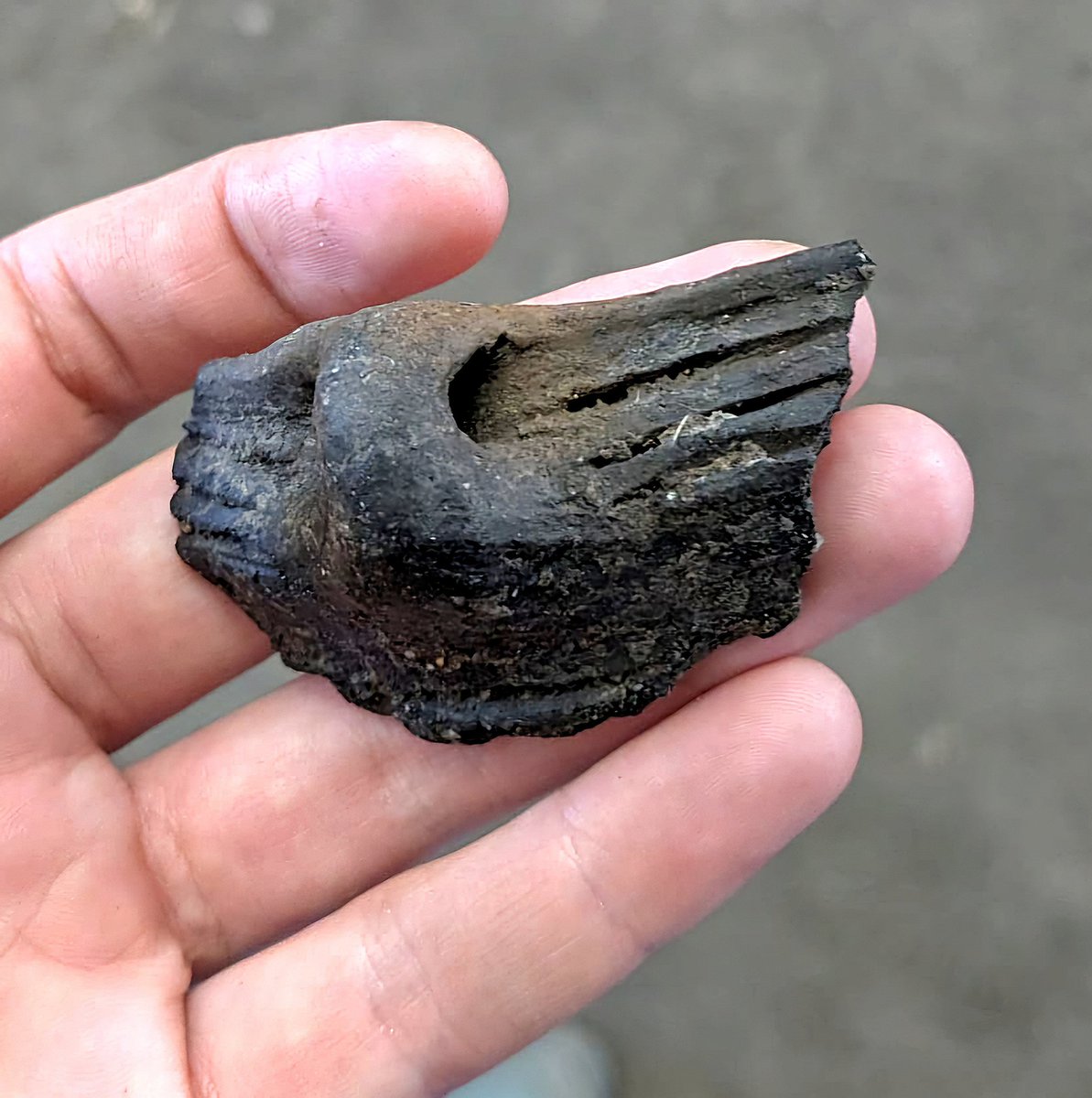
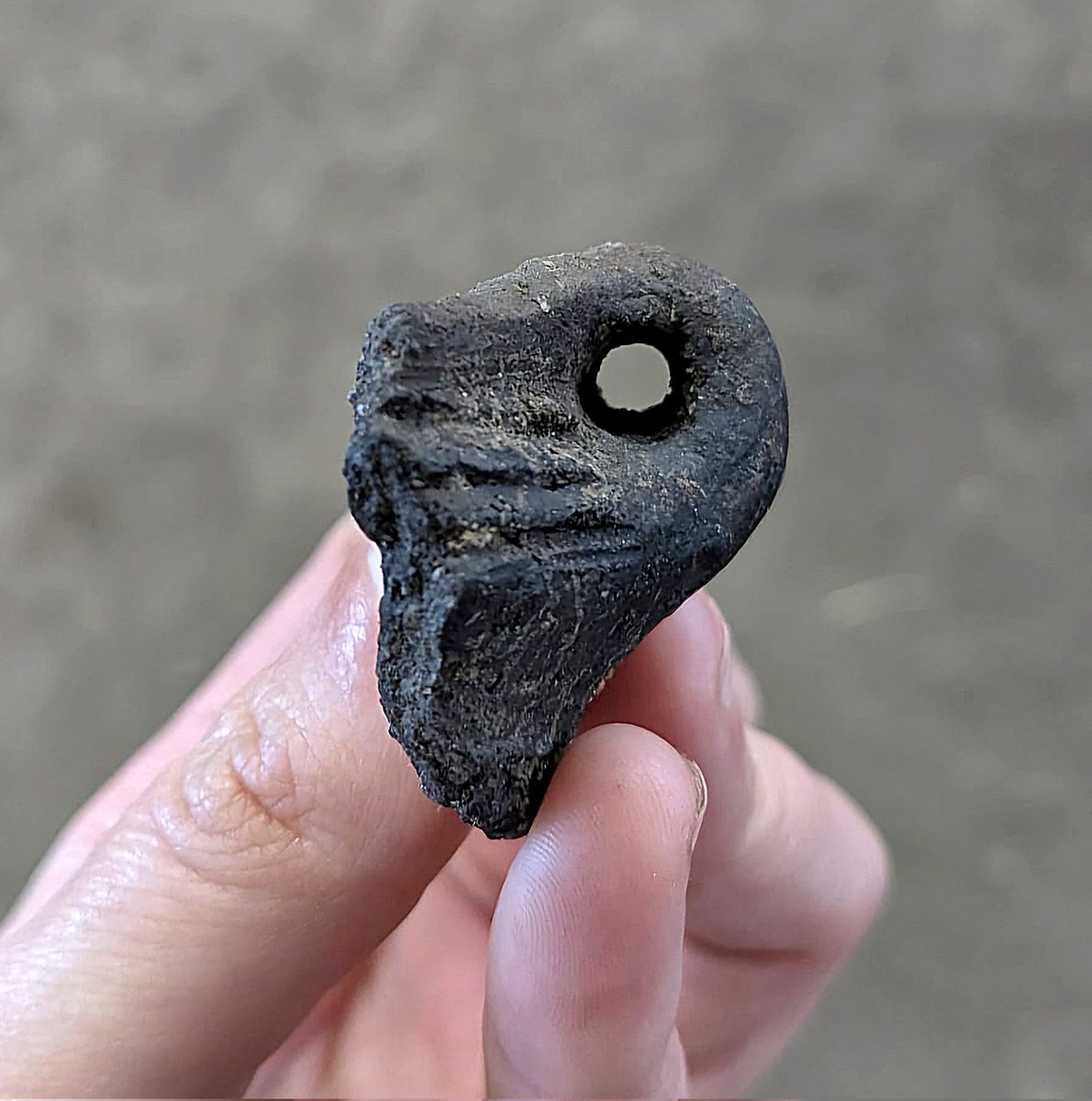
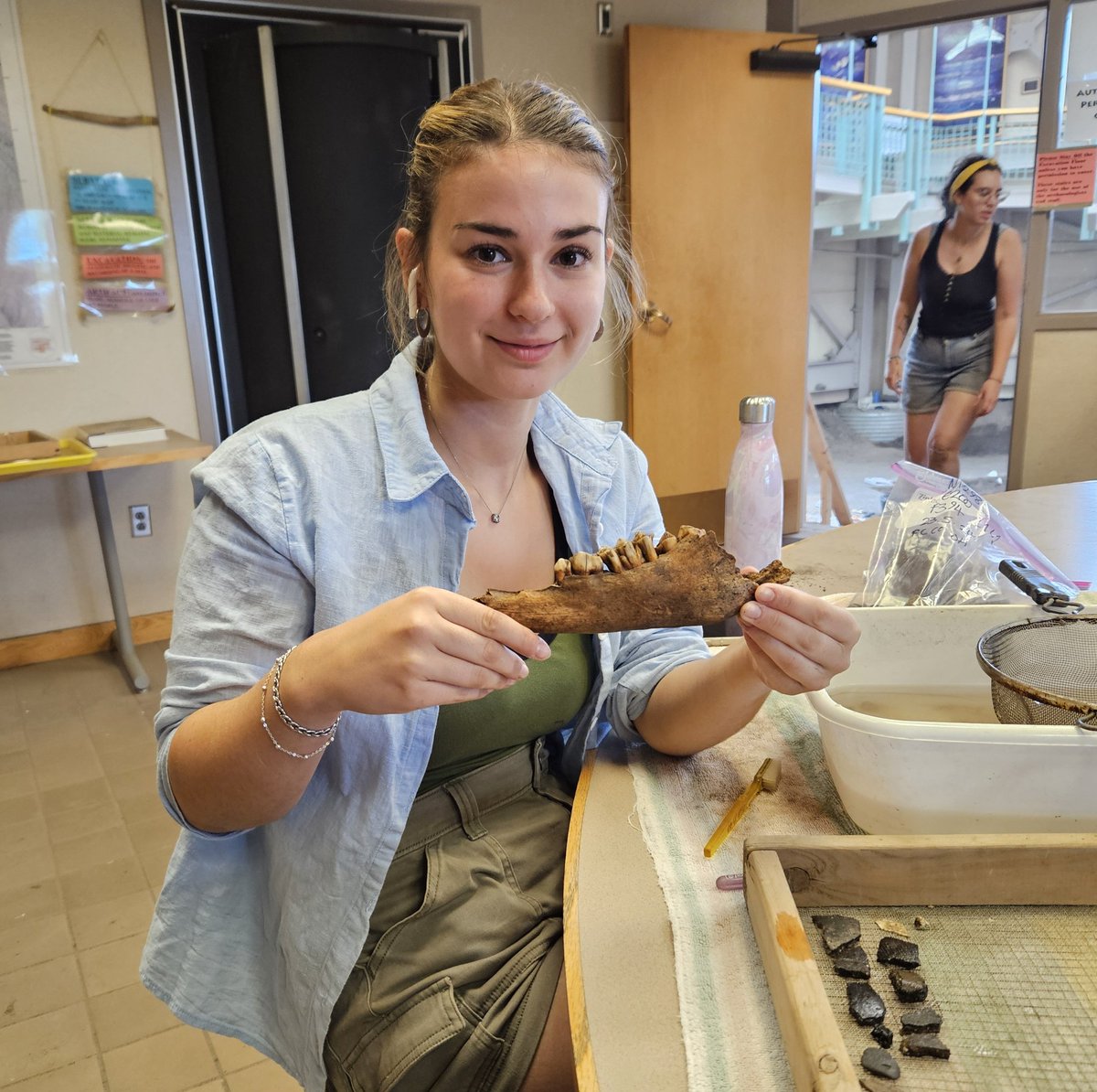
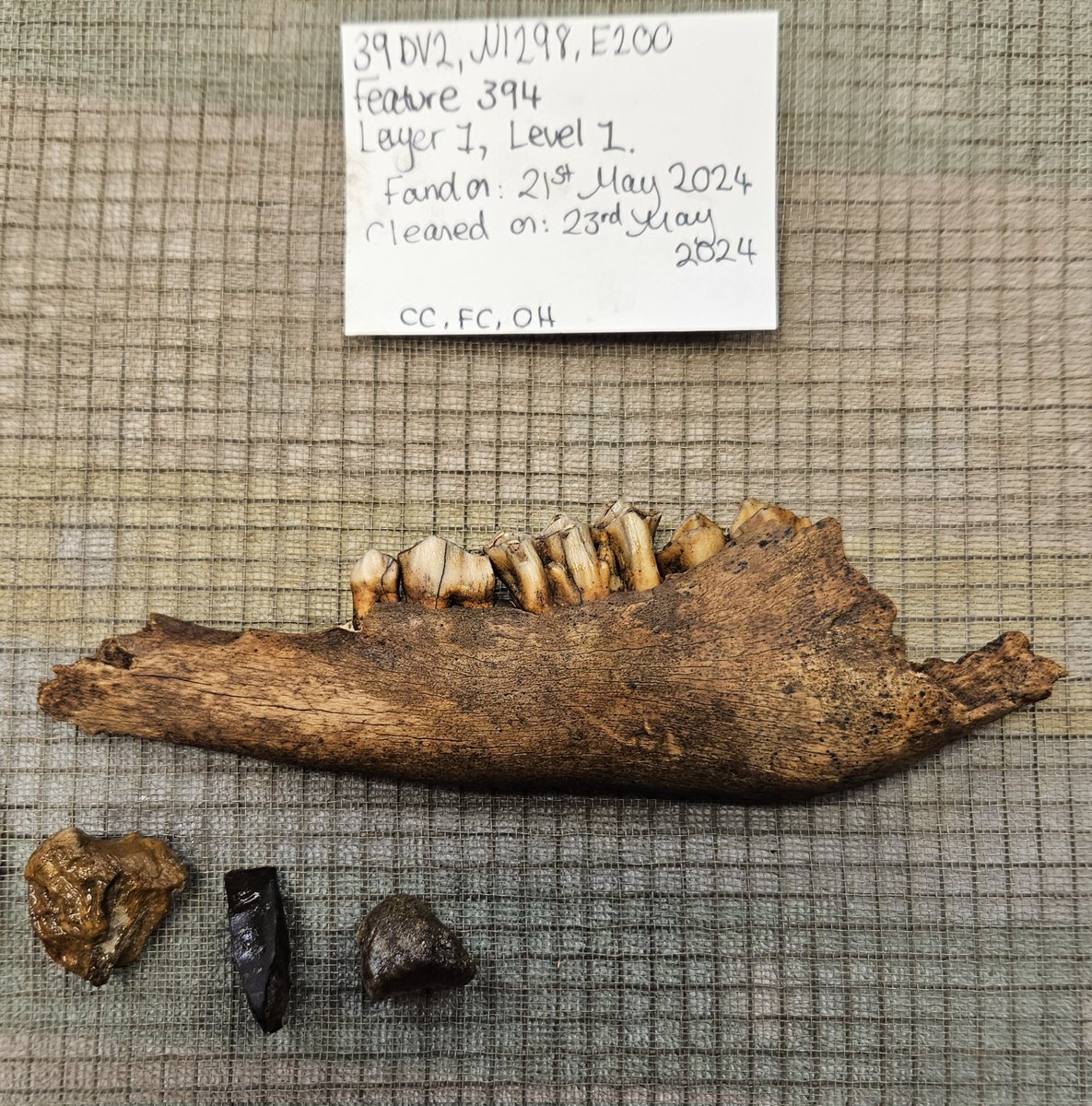
A bit of environmental archaeology at Mitchell today: the mandible of a baby bison, some bucket flotation for charred plants, and a carbonised maize kernal.
Our zooarch team in action recording Neolithic horse bones in Pavlodar, Kazakhstan. How will they compare to those associated with likely horse herding sites in the following Eneolithic phases?
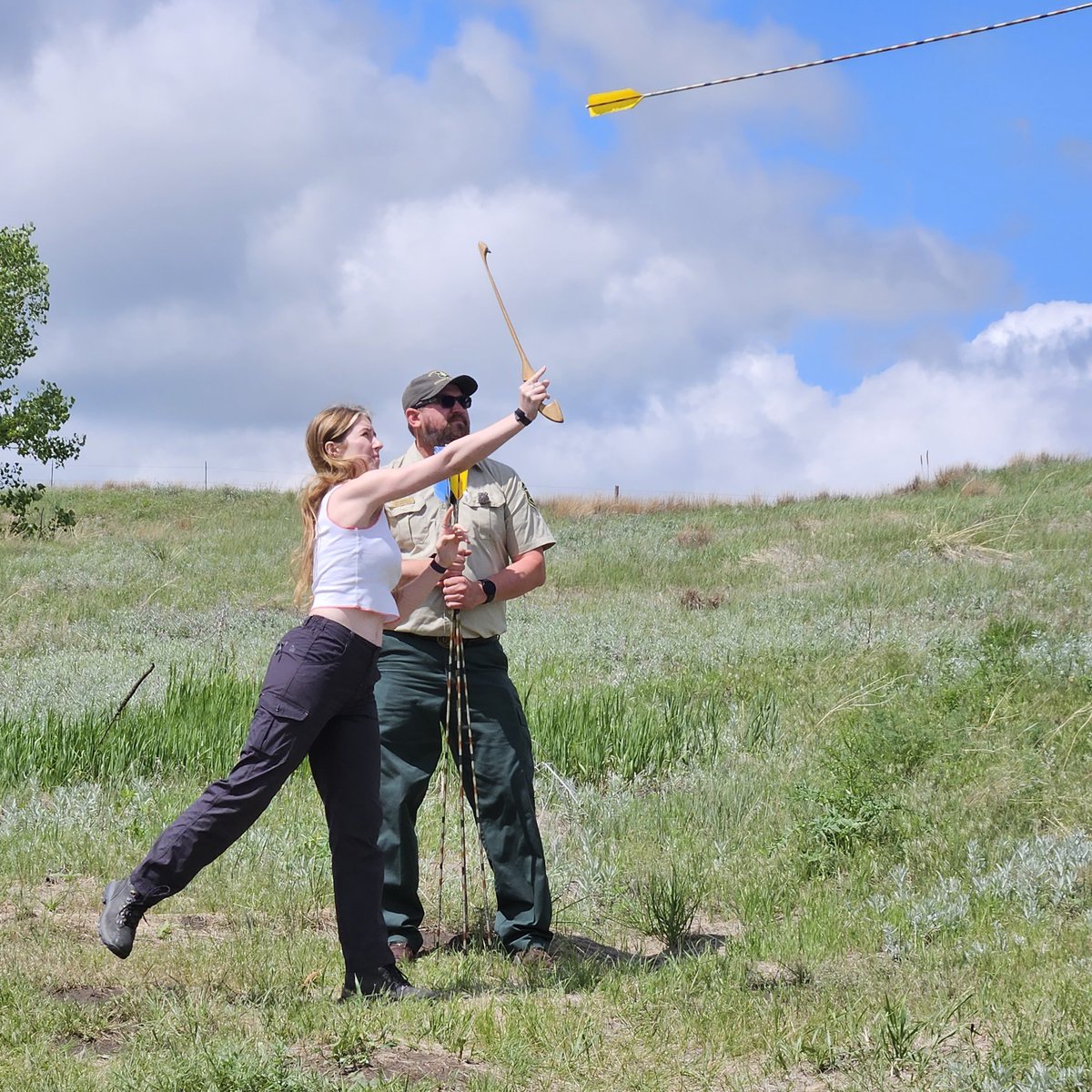
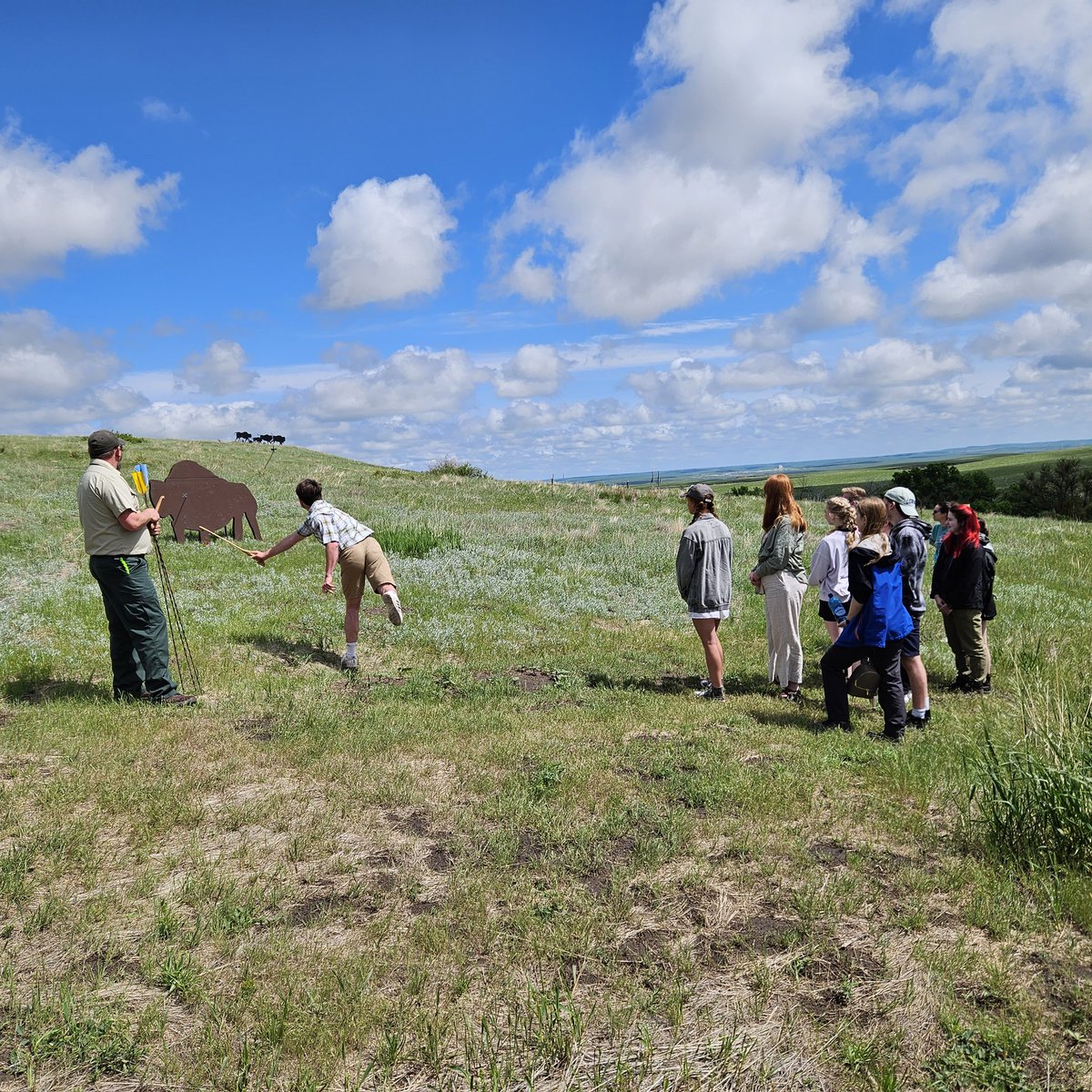
Our South Dakota fieldschool road trip ventures into Nebraska with a visit to Hudson-Meng Palaeoindian bison killsite. Also time for some atlatl practice! #archaeology#palaeoindian#ExeterArchaeology
Details of masonry at #BerryPomeroyCastle in Devon. Each window of the main dwelling featured beautiful carved flowers. The third picture shows an unfinished and unused bit left in the courtyard when the owners ran out of money in the 17th century. #medievaldevon
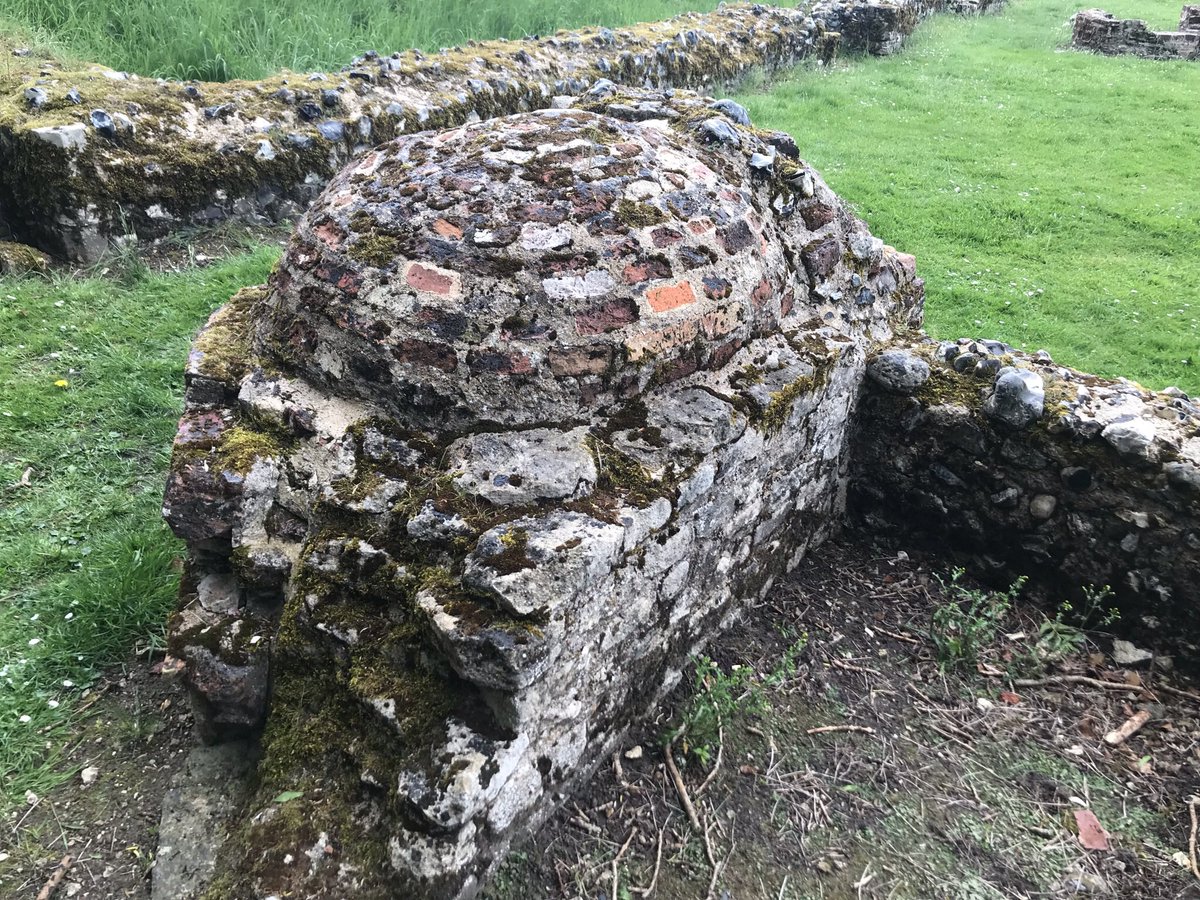
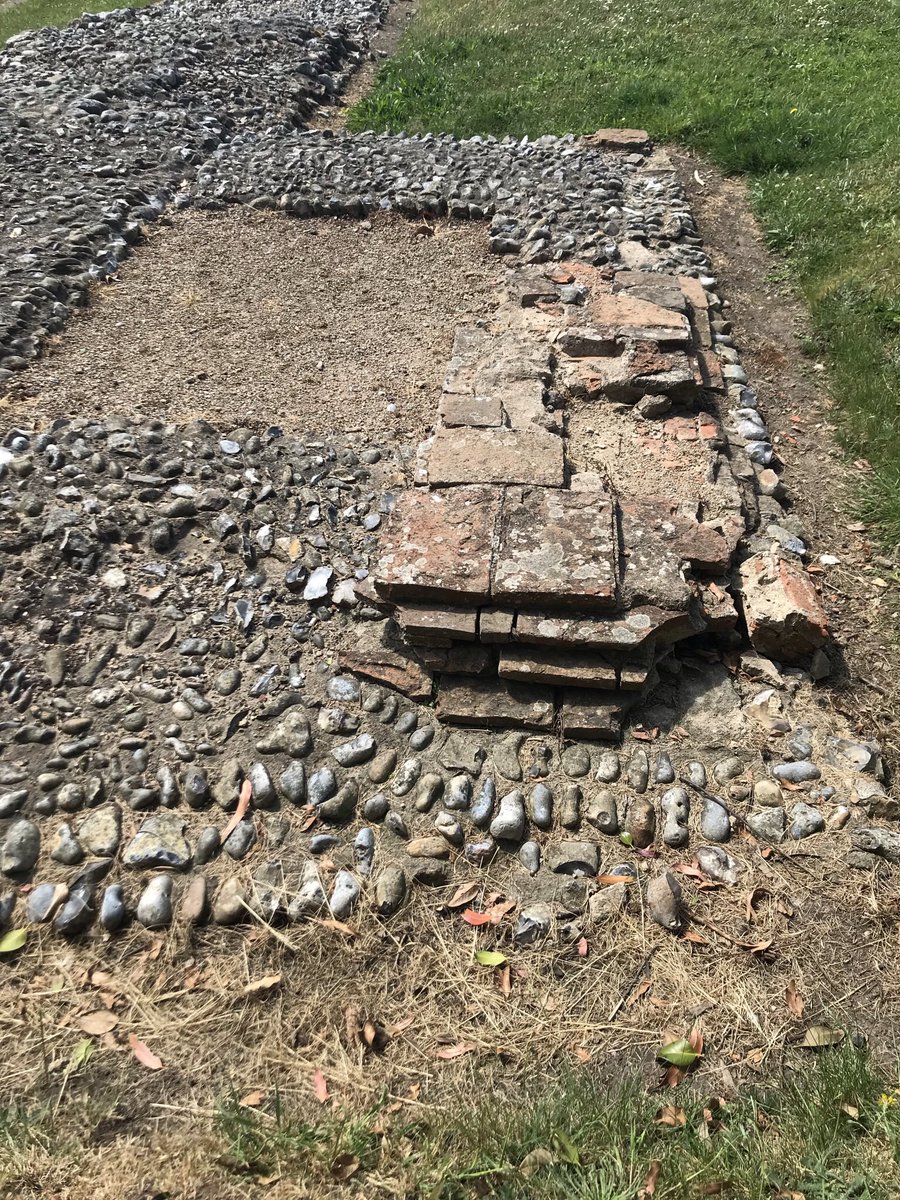
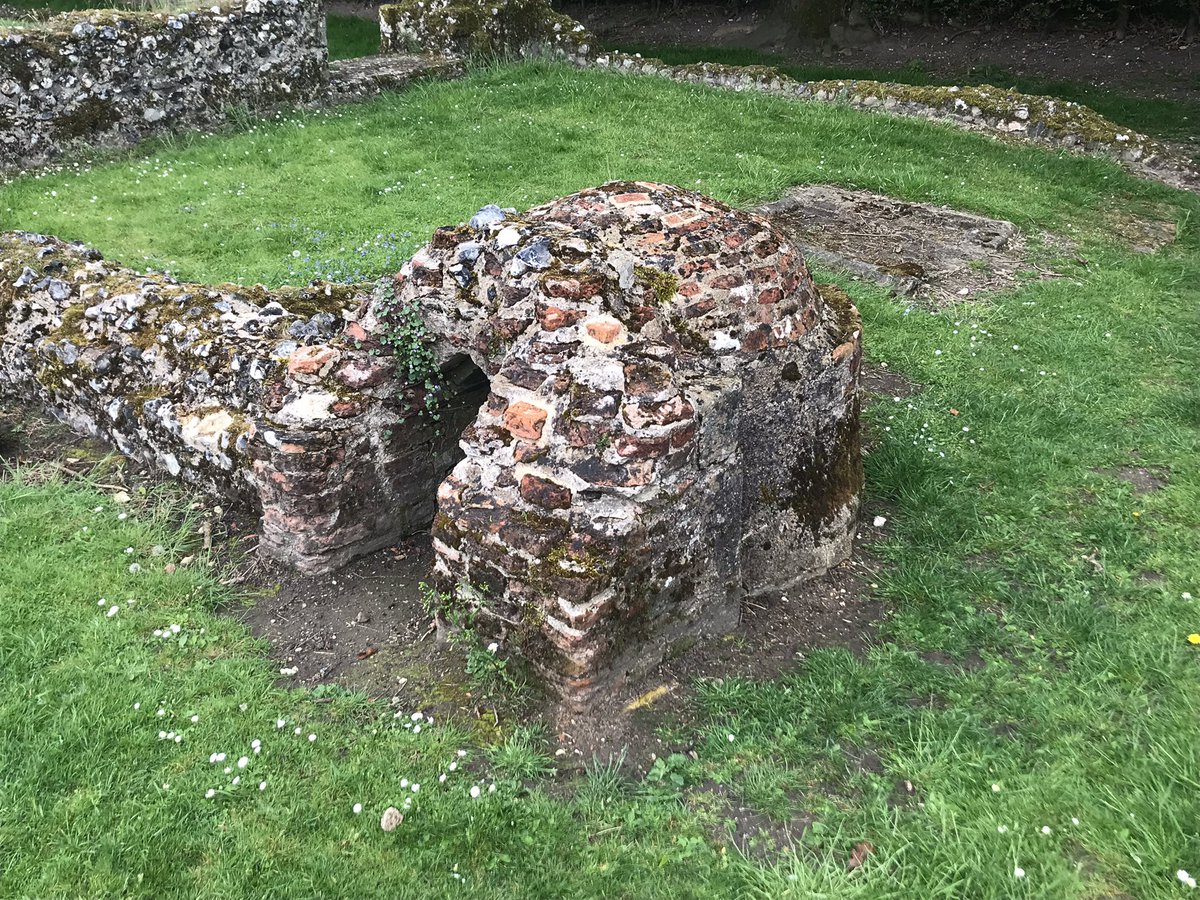
Ruins of the Roman fort at Caister-on-Sea in Norfolk. The site was an island at the time of construction but is now over half a mile inland from the coast. Hypocausts (used to hear the rooms above) are visible in the second picture 🔥💧#romanarchaeology#historicnorfolk
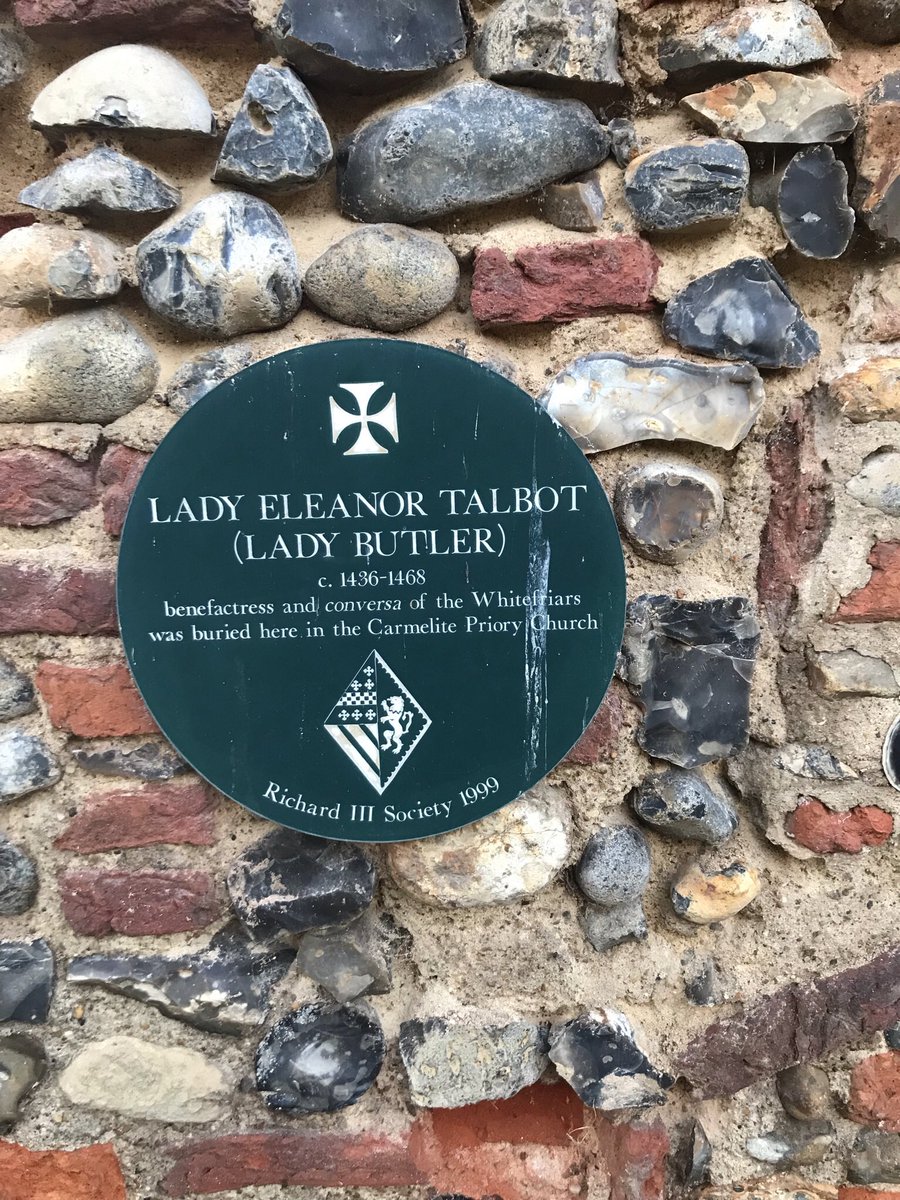
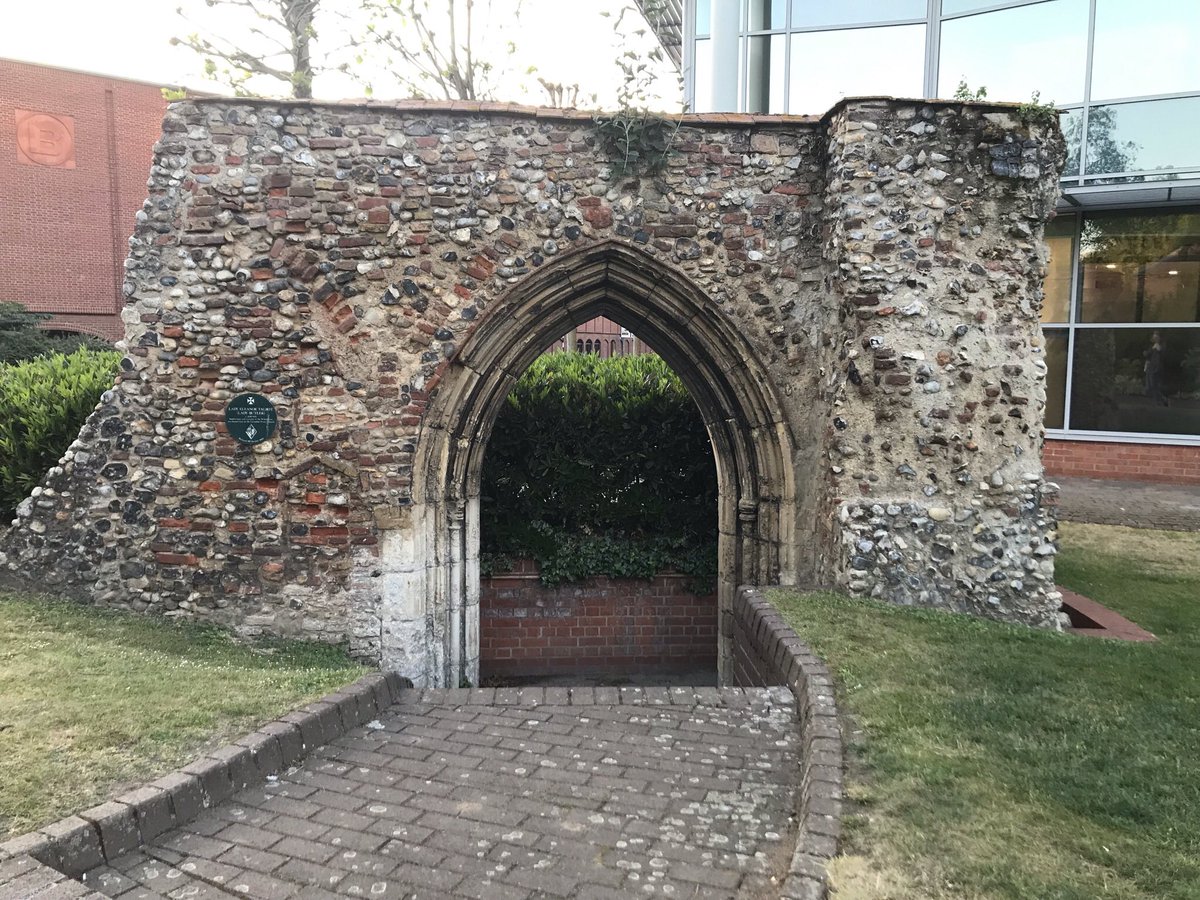
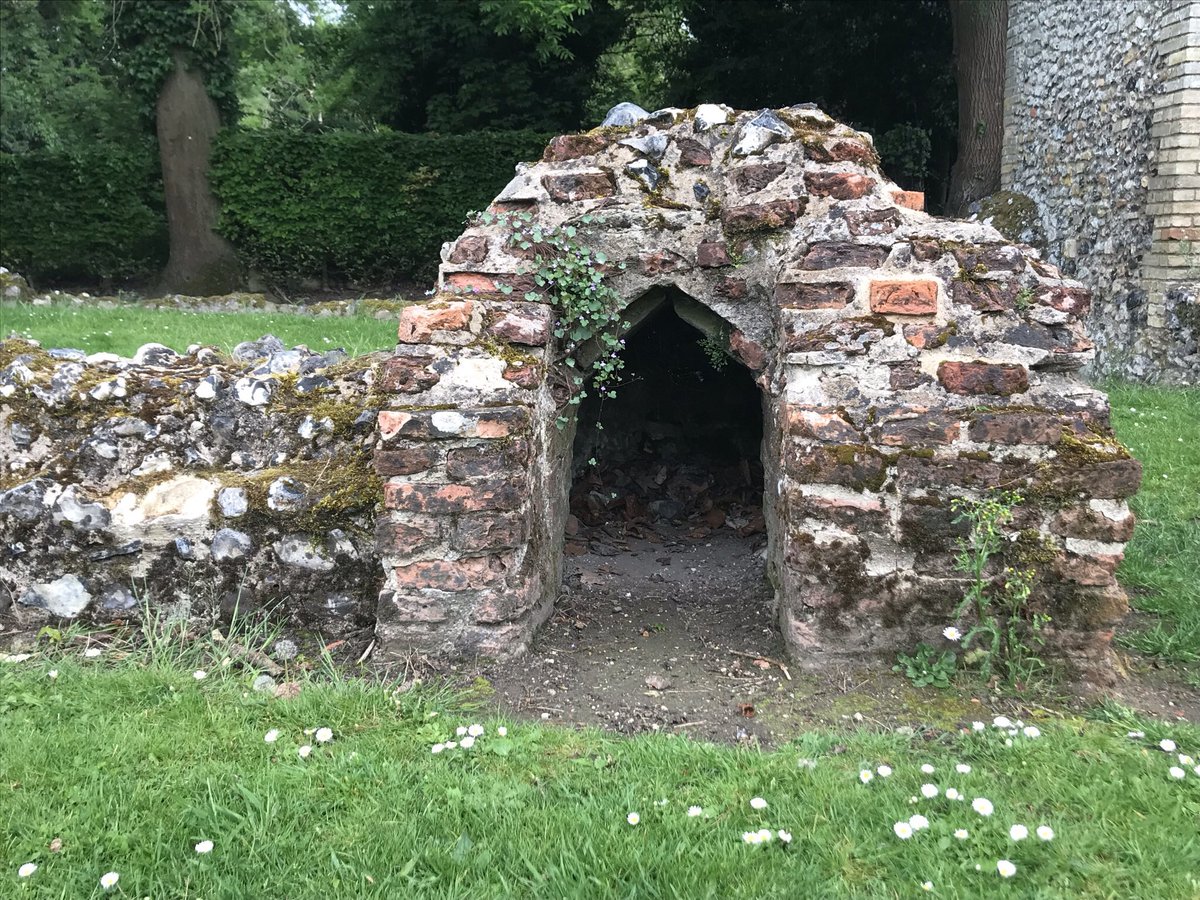
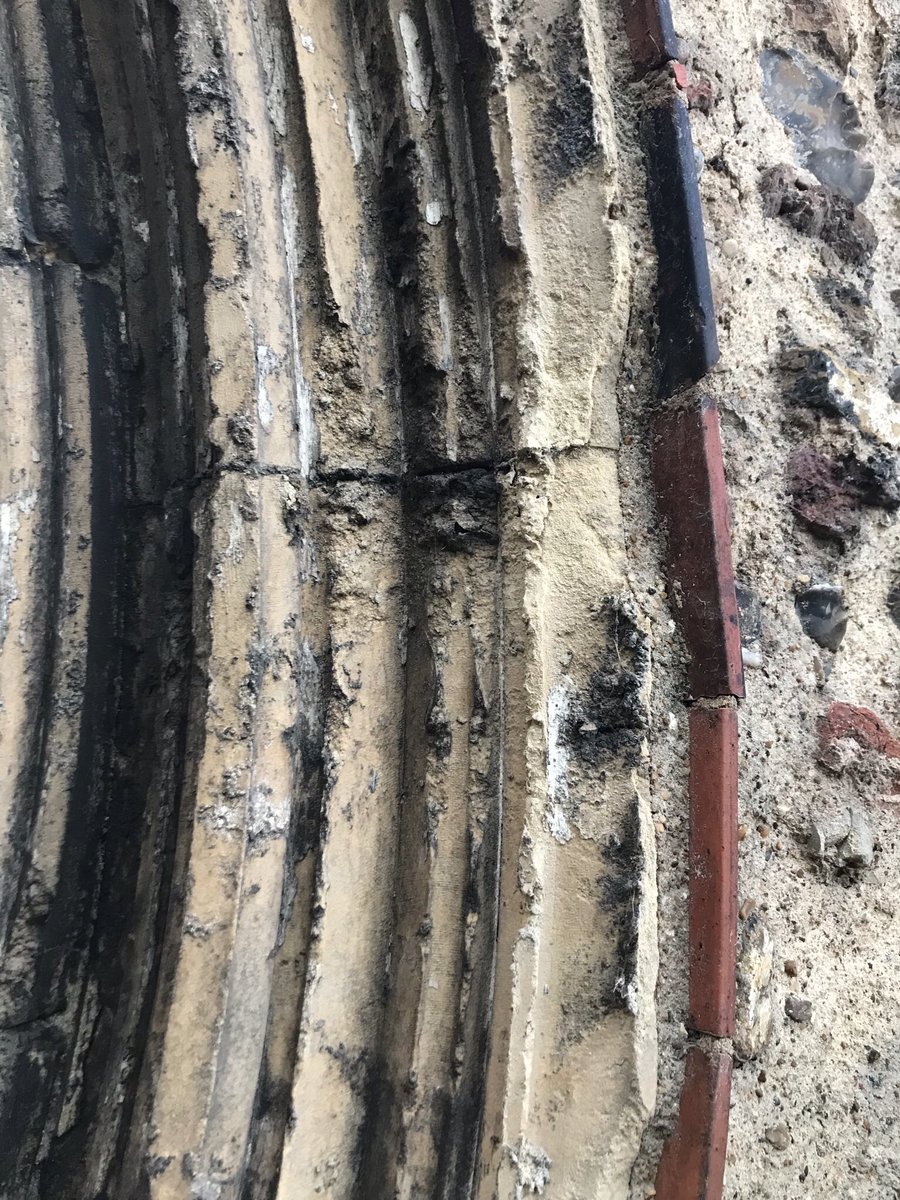
Photos from the last remaining doorway of a medieval priory outside Norwich. Behind this doorway, where the priory once stood, is an apartment complex. The location of the burials is unmarked. #medievalnorwich
Remnants of burial mounds and cairns on Chapel Carn Brea. I know nothing about them, but they are in a mouthwatering location, within view of the sea. #prehistoriccornwall
Mên-an-Tol (or Crick Stone) is a series of prehistoric standing stones in Cornwall. They are not in their original alignment, and may have been part of a stone circle (now robbed out). The center stone has been used as a healing stone for centuries. #prehistoriccornwall
Flag Fen!. Got to see 2 roundhouse, some incredible finds, and some genetically isolated fen sheep (Soay sheep). Not pictured is the Preservation Barn, where you can see original causeway timbers preserved in situ. An amazing, amazing place. #flagfen
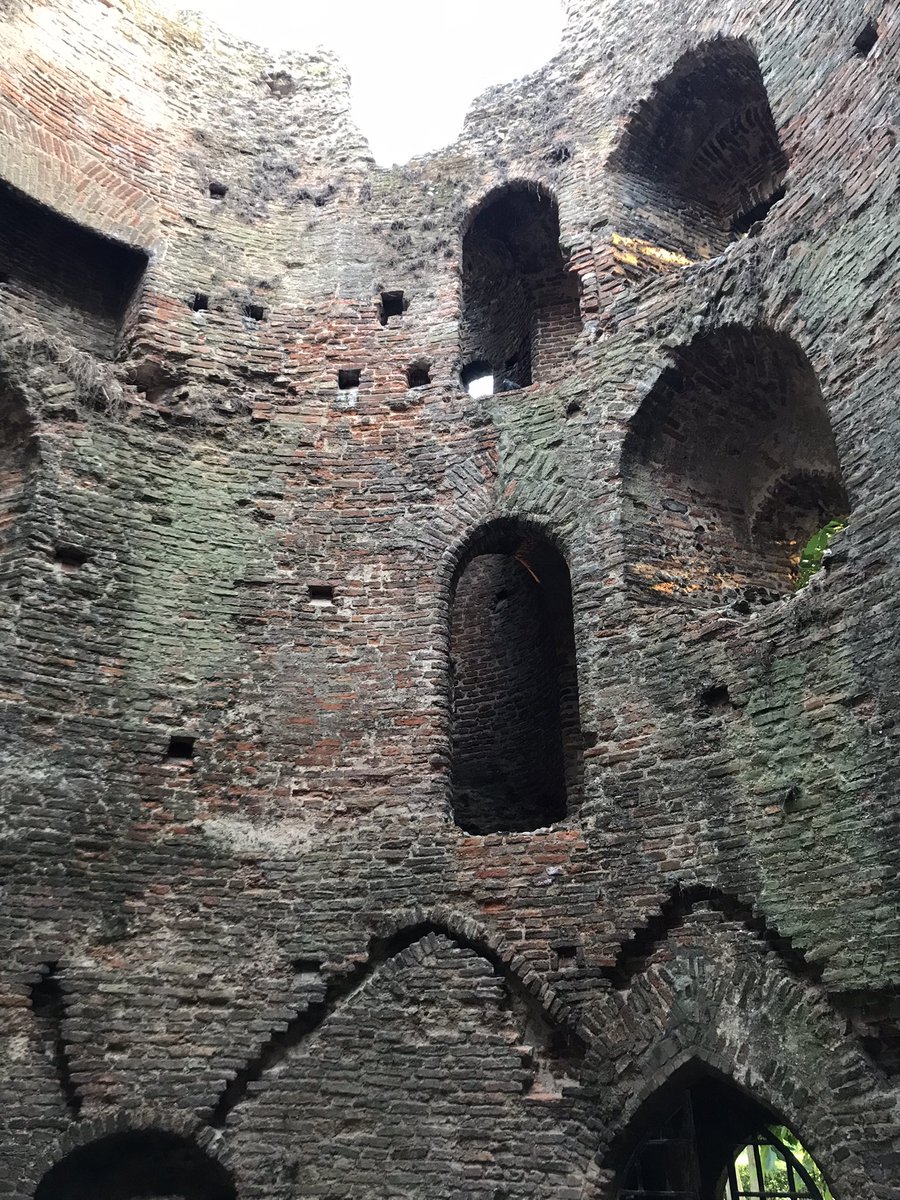
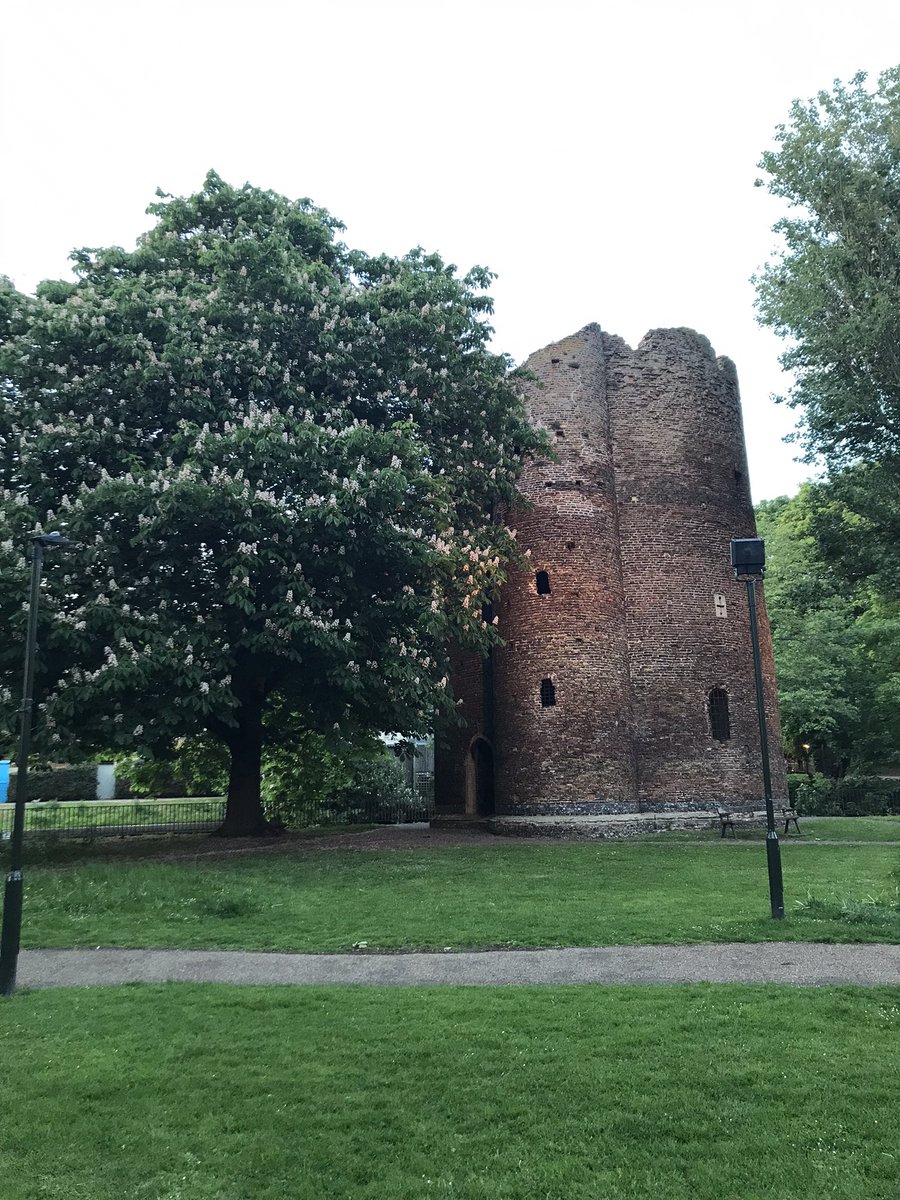
Cow Tower: a 14th century brick artillery tower built on the river outside Norwich. The third picture shows a beautifully formed doorway, now floating floorless above the ground.
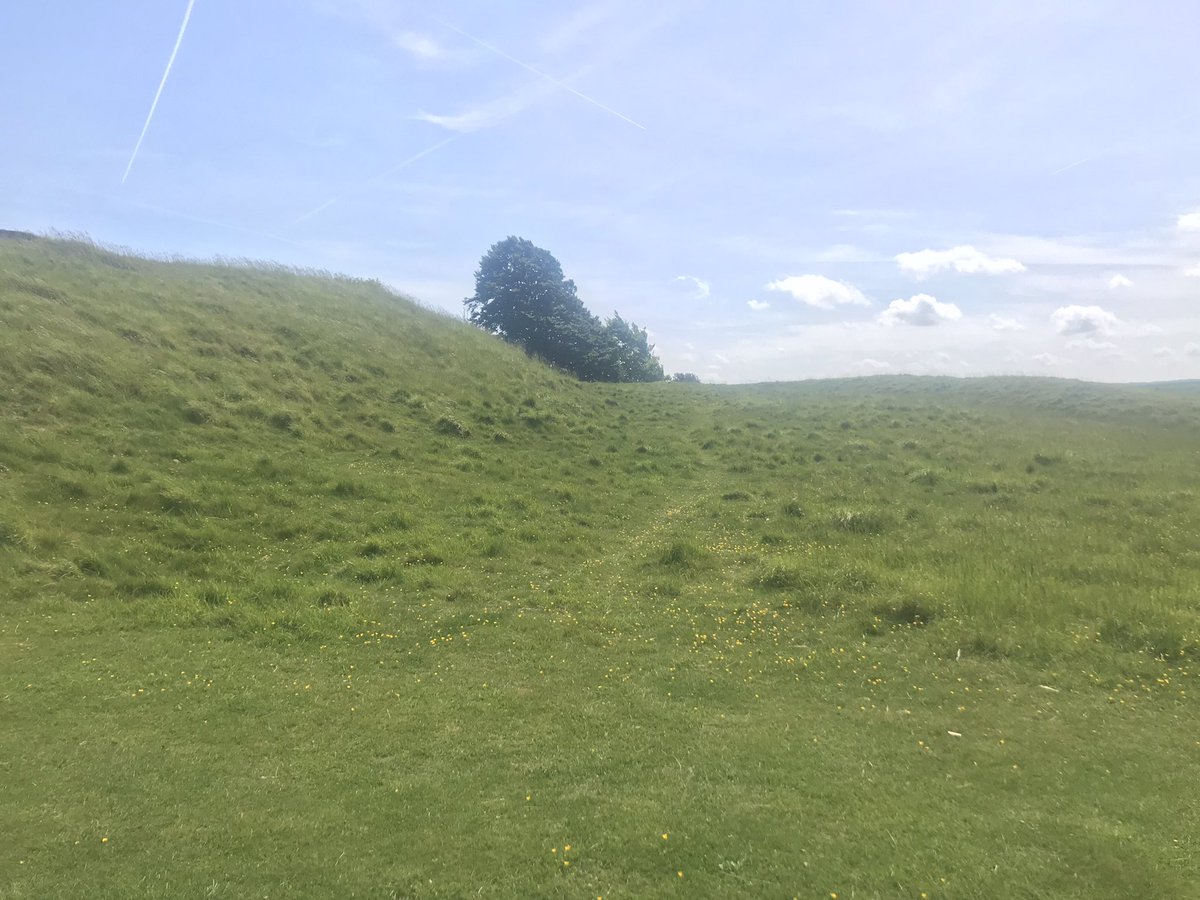
Blewburton hillfort in Oxfordshire: the site of Iron Age occupation and of an early medieval cemetery. Last photo shows the view to the north with another hillfort (the Clumps) on the right.
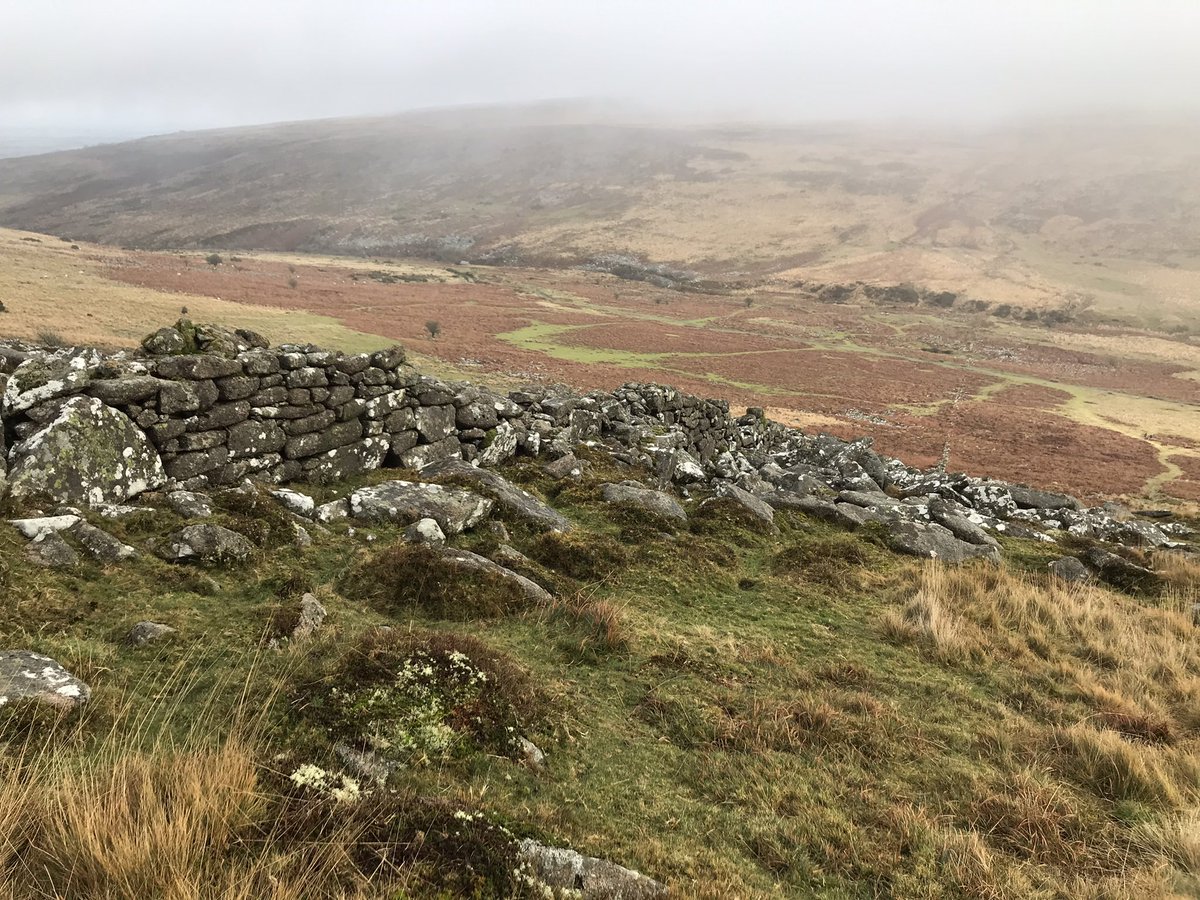
A wall built by Irish indentured laborers in the 19th century to prevent the animals of local farmers from grazing there. #englishhistory#dartmoorhistory
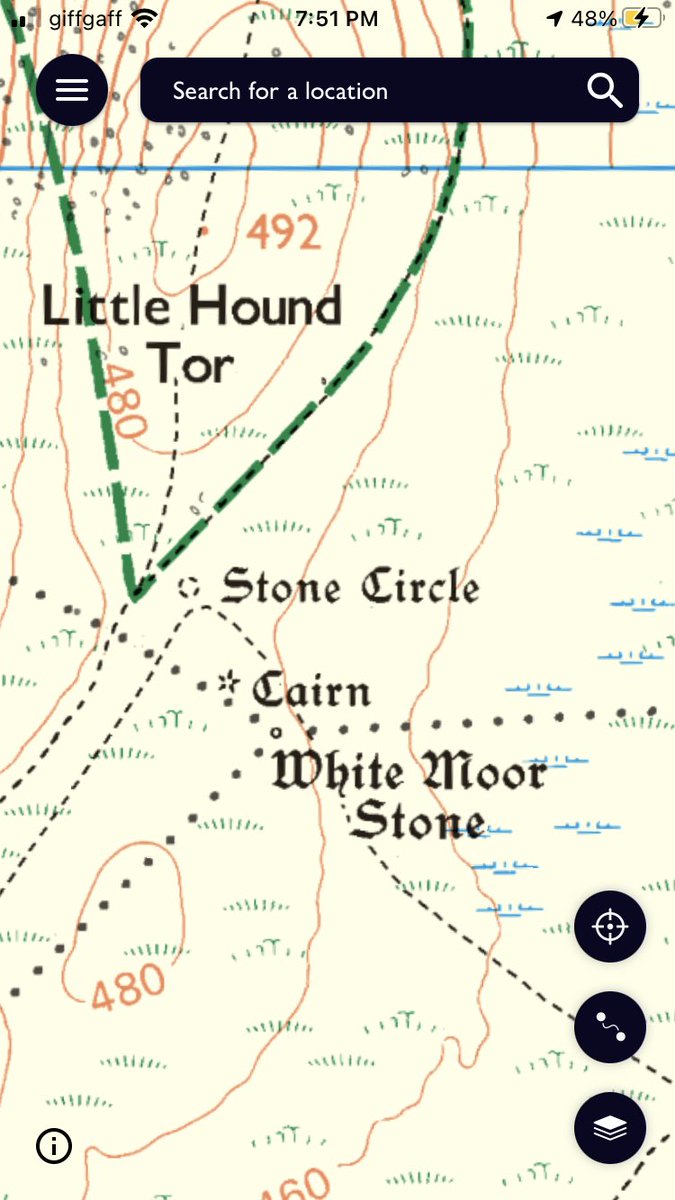
A stone circle right on the side of Little Hound Tor that has beautiful views (unpictured bc of the mist). It’s on one side of an ancient boundary wall opposite a cairn. #littlehoundtor#prehistoricdartmoor