Ancient Roman men wore leather underwear that looked like a tiny loincloth.
It was called a subligaculum.
In a time with no modern underwear, this simple piece of cloth or leather wrapped around the waist and covered the essentials.
Athletes wore it while competing.
Workers and performers used it for support and freedom of movement.
Roman statues and artworks clearly show men wearing these garments.
So yes Roman men had underwear.
It just looked a lot more like a minimalist loincloth than anything we wear today.
A woman noticed an old man sitting alone at the same bus stop every morning.
One day, she finally asked him, “Are you waiting for someone?”
He smiled and said, “My wife.”
She looked around and asked, “When is she coming?”
He quietly replied, “She passed away eight years ago.”
The woman didn't know what to say.
He looked at the empty road and added, “She used to wait here for me every morning. I just don't want her to be the only one who keeps the promise.”
Some people don't stop waiting when someone dies.
They just learn to wait alone.
Before Taco Tuesday became a tradition, it was just a promotion: What began as a marketing idea became a weekly tradition.
As tacos grew in popularity across the United States in the 1950s and 1960s, restaurants started offering special taco deals every Tuesday. The tradition spread quickly, turning an ordinary weekday into “Taco Tuesday.”
Today, Taco Tuesday is celebrated around the world, proving that sometimes the simplest ideas become the most enduring traditions.
Between 1791 and 1803, Robert Carter III freed around 400 to 500 enslaved people. He later hired many of them as paid workers and helped provide them with an education.
Even though his family, neighbors, and government officials strongly opposed him and he was even threatened with being tarred and feathered he refused to back down.
In 1999, Canadian photographer François Brunelle started a project to find strangers who looked almost exactly alike, even though they weren’t related.
Over the next 12 years, he photographed these amazing look-alikes.
Here are a few of the pairs he discovered:
(1/3)
The London Beer Flood
of 1814 : What if a river of beer suddenly flooded your neighborhood?
On October 17, 1814, a huge beer tank exploded inside a brewery in London. The blast caused other tanks to burst, sending a massive wave of beer through the streets. Homes were destroyed, and eight people sadly lost their lives in one of the strangest disasters in history.
It became known as the London Beer Flood. As unbelievable as it sounds, it really happened and it changed how breweries stored large amounts of beer.
Long before social media, people shared life updates with their bees.
-
For centuries, many Europeans practiced a tradition called “telling the bees,” where they informed their hives of every birth, marriage, or death, believing the bees would leave, stop making honey, or even die if they were left out.
It’s a fascinating reminder of how deeply people once believed humans and nature were connected.
Do people still practice this till today ?
The Dancing Plague of 1518: When an Entire Town Couldn’t Stop Dancing
It sounds like the plot of a horror movie, but it actually happened in 1518. In the city of Strasbourg, a woman named Frau Troffea stepped into the street and began dancing for no apparent reason. She kept going for hours, then days. Soon, dozens of people joined her, and within weeks, hundreds were dancing nonstop.
These weren’t joyful celebrations. Many of the dancers were exhausted, in pain, and desperate to stop. Some reportedly collapsed from exhaustion, while others are believed to have died. Strangely, local officials thought the cure was to let them keep dancing, so they hired musicians and even built stages. Instead of helping, it only encouraged more people to join in.
Eventually, the dancers were taken to a nearby religious shrine, and the outbreak slowly came to an end. More than 500 years later, no one knows exactly what caused the Dancing Plague. Whether it was mass psychological stress, religious belief, or something else entirely, it remains one of history’s most baffling mysteries.
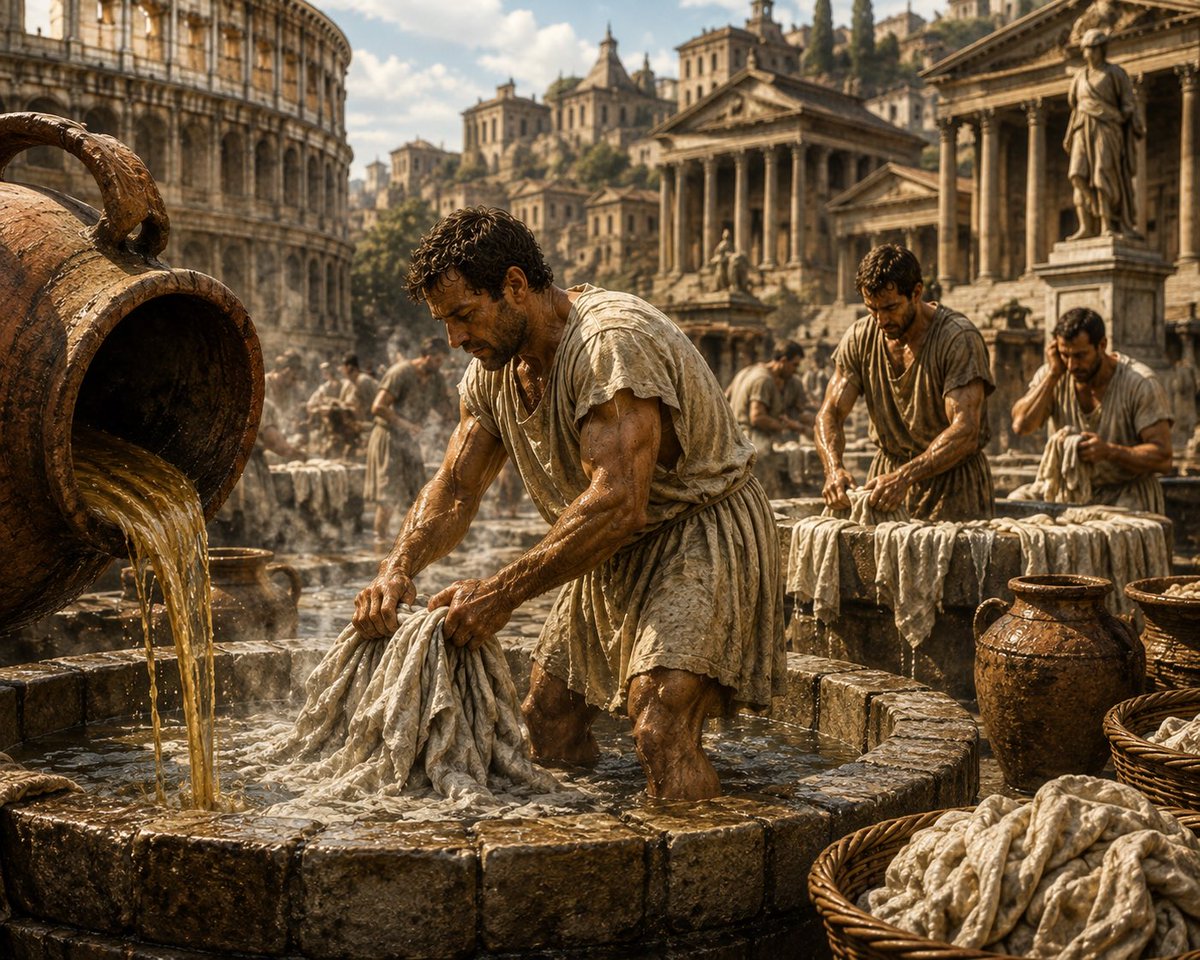
Romans Used Urine to Wash Clothes: Imagine finding out that ancient Romans actually collected urine to wash their clothes.
Around the 1st century AD, Roman laundry workers called fullers collected urine from public containers and used it to clean dirty clothes.
Why urine? As it breaks down, it produces ammonia, which helps remove grease, dirt, and stains.
The Romans didn’t know the chemistry behind it. They just knew it worked.
And it became so valuable that Emperor Vespasian even taxed the urine trade.
So, in ancient Rome, urine wasn’t just waste.
It was laundry detergent and apparently, taxable laundry detergent.
One man survived both atomic bombs dropped on Japan: His name was Tsutomu Yamaguchi.
On August 6, 1945, he was in Hiroshima when the first atomic bomb exploded. He was injured but survived.
Three days later, he returned to his hometown of Nagasaki.
On August 9, another atomic bomb was dropped.
Yamaguchi survived that too.
He was later officially recognized by the Japanese government as a survivor of both bombings.
He lived until 2010, reaching the age of 93.
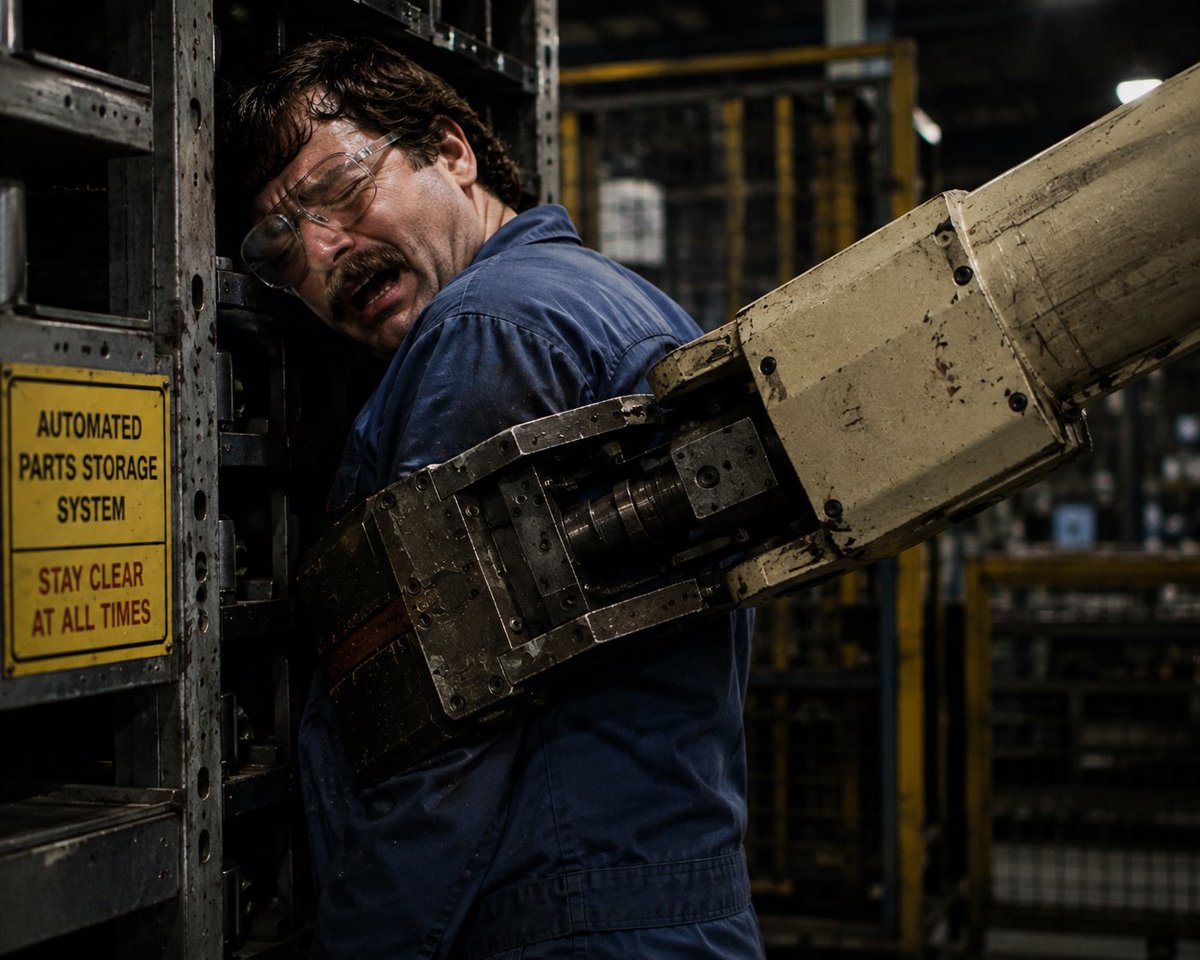
The first person ever killed by a robot died in 1979.
His name was Robert Williams.
He worked at a Ford plant in Flat Rock, Michigan. One day he was sent to retrieve parts from an automated storage area.
A large industrial robot was moving heavy materials nearby. Without warning, the machine swung around and struck him from behind.
Williams was crushed between the robot and other equipment. He died at the plant.
The robot wasn’t programmed to attack anyone. It was simply following its instructions.
But in 1979, industrial robots had almost no safety systems. One wrong movement was enough to make automation deadly.
Ancient Roman men wore leather underwear that looked like a tiny loincloth.
It was called a subligaculum.
In a time with no modern underwear, this simple piece of cloth or leather wrapped around the waist and covered the essentials.
Athletes wore it while competing.
Workers and performers used it for support and freedom of movement.
Roman statues and artworks clearly show men wearing these garments.
So yes Roman men had underwear.
It just looked a lot more like a minimalist loincloth than anything we wear today.
Ancient Egyptians slept on stone pillows.
They weren’t soft like modern ones.
They were curved blocks of wood or stone placed under the neck.
Egyptians believed these hard pillows kept demons away during sleep.
They also helped maintain good posture and protected elaborate hairstyles.
Some pillows were decorated with protective symbols.
Wealthy people owned beautifully carved versions.
So while we chase soft memory foam, the Egyptians preferred a hard rock under their heads for both comfort and spiritual protection.
Yesterday, I was cleaning out an old drawer when I found a $20 bill I had completely forgotten about.
For a few seconds, I felt like I had just won the lottery.
It wasn’t the money that made me happy. It was realizing how many little things we forget while constantly worrying about what we don’t have.
Sometimes happiness isn’t getting something new.
Sometimes it’s finding something you already had and forgot to appreciate.