Buffalo-born. Postdoctoral fellow in Ebert Lab @danafarber. Hematopathologist @BWHPath. MD and PhD from @PennMedicine. Opinions my own, open to persuasion.
The heart’s constant beating may actively suppress tumor growth in cardiac tissues, a new Science study reports. This is because cellular pathways in these tissues alter gene regulation in cancer cells to keep them from proliferating.
The findings shed light on the role of mechanical forces in protecting the heart from cancer and may pave the way to new cancer therapies based on mechanical stimulation.
Learn more: https://t.co/aqu8ZcPjaI
The Clinicopathologic and Genomic Features of Mature Versus ... : The American Journal of Surgical Pathology | @sarahjwu, Sam Sadigh, #BPDCN https://t.co/XbrRLuW9k8
https://t.co/PdVEafKXbM
Important pub from @TrowbridgeLab for those whose institutions shift to X-ray source for BMT conditioning , published in @ISEHSociety journal Exp Hem. You can’t simply give apparent equivalent doses of gamma and x-ray and get the same outcome.
Our newest preprint is now online! We lift up the hood on TET2 mutant clonal hematopoiesis and show that oxidative metabolism is a critical feature of TET2 deficient HSPC - with compensatory redox control as a potential vulnerability.
https://t.co/t8wdEmvSrp
This research starts with understanding the “why.” ❤️
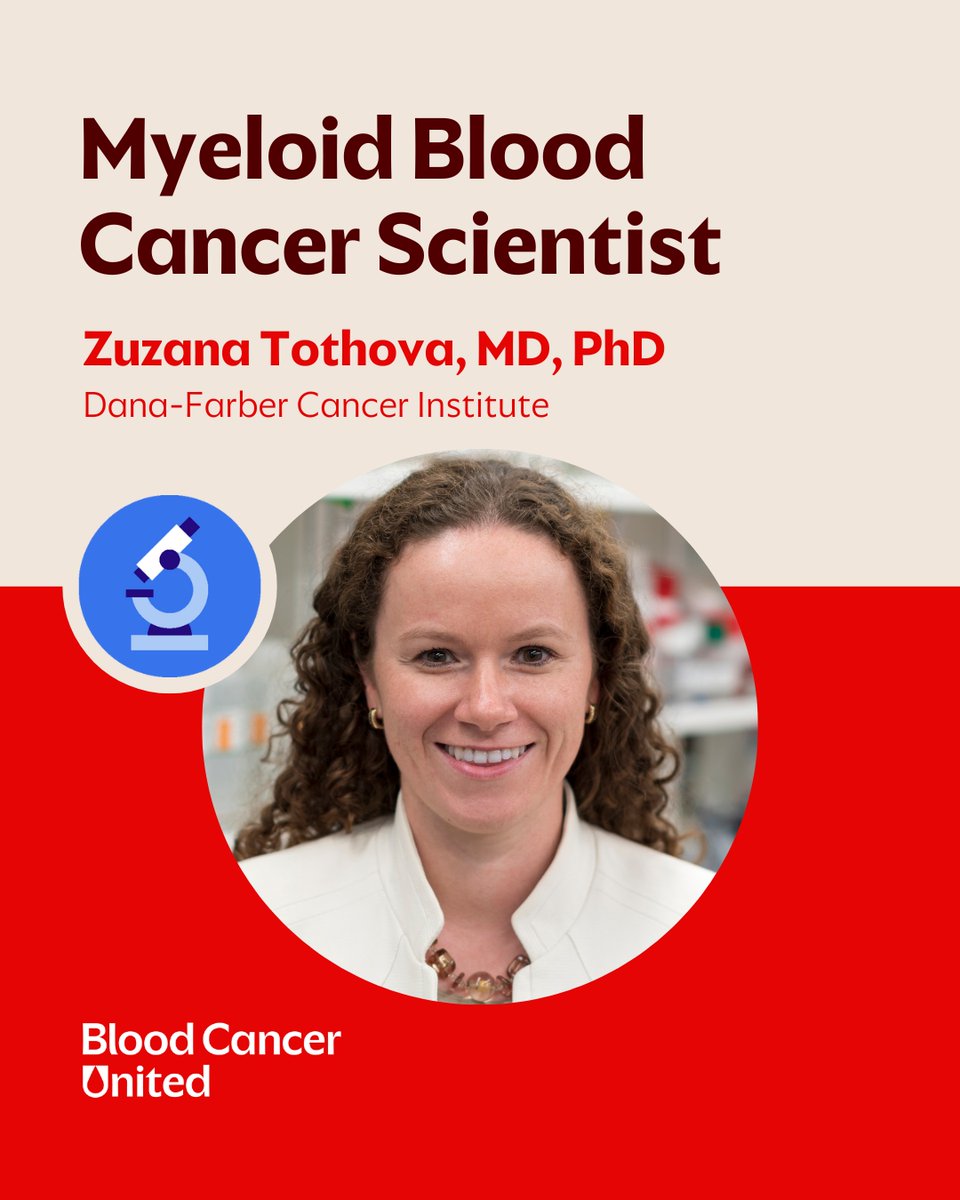
With support from one of our early career scientist grants, Dr. Zuzana Tothova is studying how changes inside blood cells can lead to blood cancers like myelodysplastic syndromes (MDS) and acute myeloid leukemia (AML).
A better understanding of the earliest blood cell changes leading to cancer will help scientists find better, more targeted ways to treat it 👉 https://t.co/MiUDB5pPGt
New paper in @CellChemBiol from Starczynowski Lab → congrats to first author Emma Uible (@emmavontz)!
"CASP1 is a non-enzymatic dependency in MDS/AML that restrains excessive inflammatory signaling"
https://t.co/AOpyjHYK9q
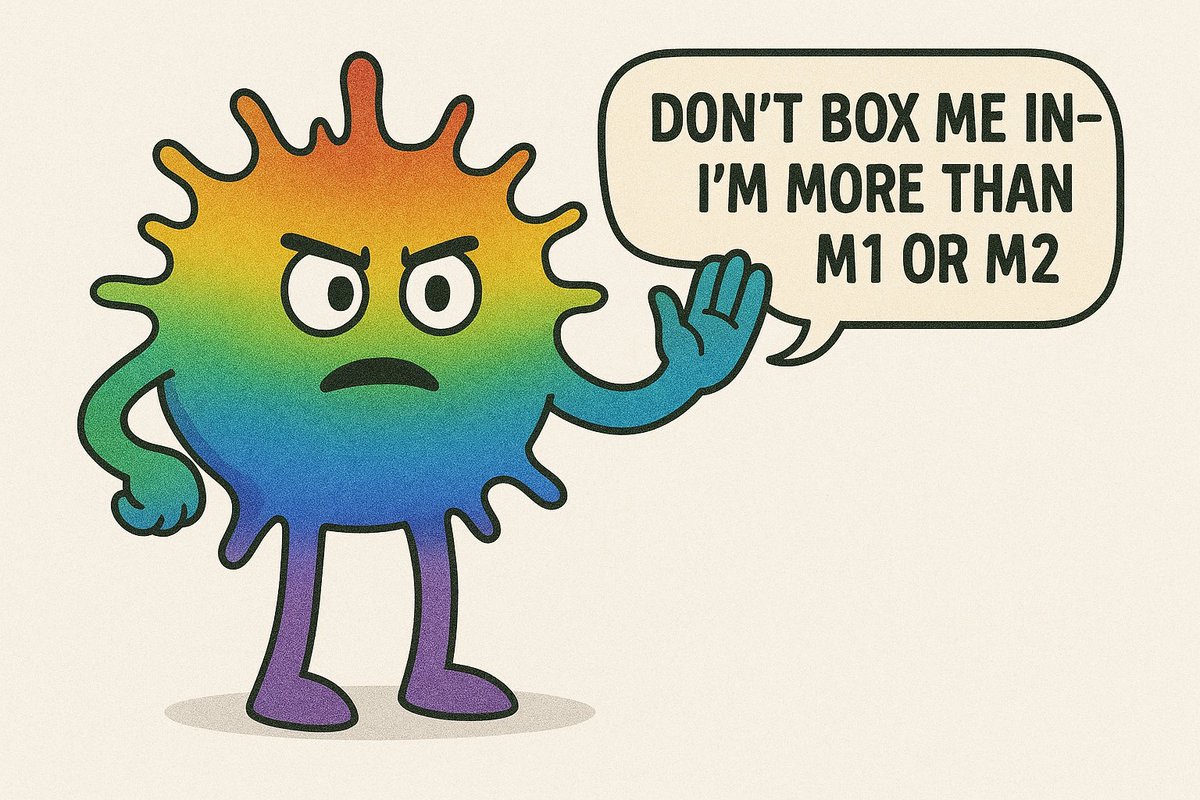
PSA: Stop calling macrophages in tissue M1 or M2. These are not states that exist in biology. The only use of M1 is a macrophage cultured ex vivo with LPS and IFNg; and for M2: IL-4/13/10. Macrophages in tissues are highly complex and diverse and do not resemble either of the aforementioned M1/M2 states. M1/M2 language causes confusion and sets the field back. Refer to your macrophages by the molecules they express and the cytokines they make.
1/ Reflecting on #ASH25, I can’t help but lament the apparent persistent addiction the myeloid neoplasm community still seems to have with the concept of a cell intrinsic/autonomous basis for clonal evolution and development of MDS/AML.
This would force everyone to either: A) Do residency in a specialty covered in core rotations, or B) Apply to residency with minimal (elective) experience in field of interest, no?
Who gets to be a doctor in America is about to change.
Trump’s new federal student loan caps will push lower-income students out of medicine and make the physician shortage worse. It's time to shorten medical school to three years.
https://t.co/VrYXcTkeed
Check out our study on the genomic features of pediatric CTCL, published @ModernPathology
We found recurrent TK gene fusions including JAK2 in most mycosis fungoides, TYK2 in LyP and pcALCL, some novel fusions. #hemepath#pedipath#pathx
Free link: https://t.co/wcxTzVgs1o
#InflammasomePower! How is NLPR3 primed & activated in chronic non-communicable inflammatory diseases? With Oceane &co we show that chronic oxPAPC signaling drives NRF2 activation that primes & activates NLRP3 sustaining #atherosclerosis in mice & humans! https://t.co/mV4S40suiG
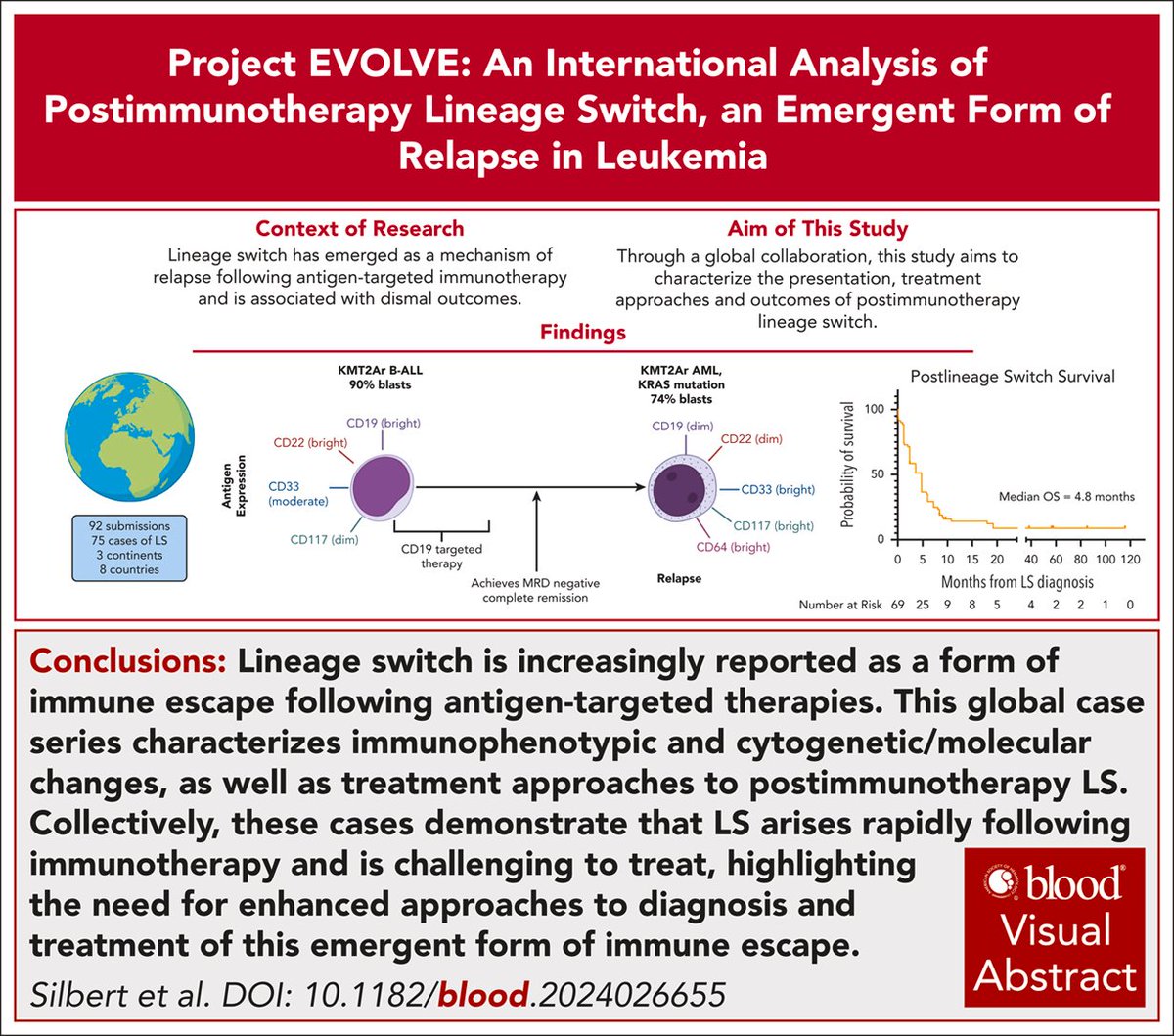
Project EVOLVE: an international analysis of postimmunotherapy lineage switch, an emergent form of relapse in leukemia https://t.co/YRlQ3N7OW6
70 cases of B-cell #ALL with lineage switch after immunotherapy (anti-CD19) to AML or mixed phenotypic leukemia.
Dismal outcome with median OS 4.9 months.
#leusm @BloodPortfolio
With the disappointing announcement today by @abbvie of the negative result of the VERONA venetoclax/azacitidine trial, that brings the tally to (by my count) 17 consecutive negative randomized drug trials in higher-risk #MDSsm. This is a slide I made summarizing them./1