Després d'un ambiciós projecte de recuperació i rehabilitació, la vil·la romana del Roser de Calella torna a lluir en tota la seva esplenOH WAIT!
Calla
Que no és una església
Que podem multiperforar-la
Que està millor en una cova
Que molt millor encara amb un super al damunt
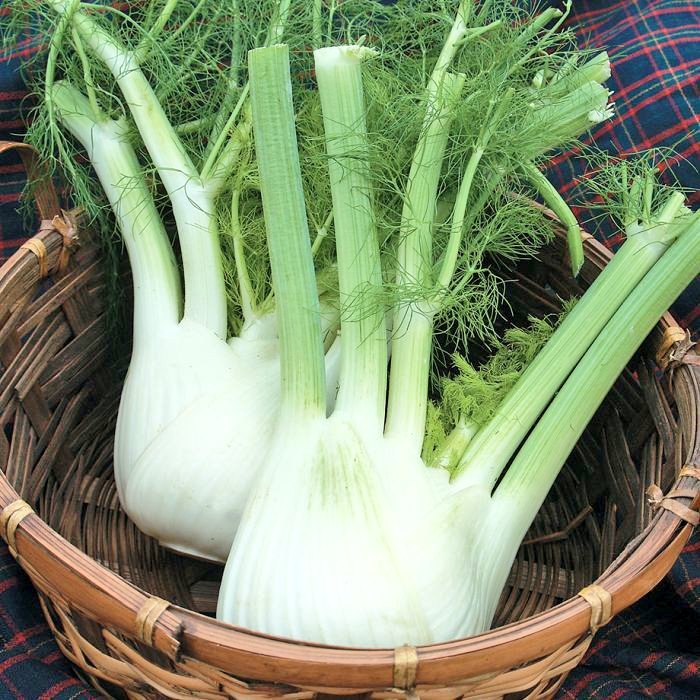
VERDURES I HORTALISSES DEL MES DE FEBRER: alls tendres, api, bleda, bròquil, calçot, carxofa, col, col de brusel·les, col llombarda, coliflor, endívia, escarola, espinacs, fonoll, porro, xicoira, xirivia.
Això, és una salvatjada. Que estigui permès, a Catalunya, posar una central elèctrica al costat mateix d'un element patrimonial és una absoluta aberració. Que ho veiguem normal es deu a la feina feta en aquest sentit durant anys per @cultura_cat. Hem de veure-ho com un atemptat.
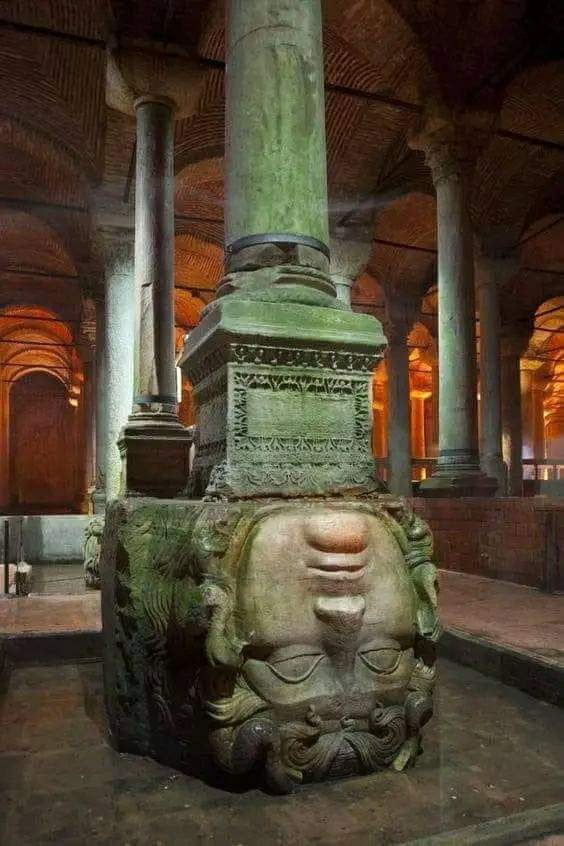
Basilica Cistern beneath the city of Istanbul, Türkiye. Built in the 6th century during the reign of Byzantine Emperor Justinian I.
Dimensions: The Underground chamber is approximately 138 meters (453 ft) by 64.6 meters (212 ft). Area: Approximately 9,800 square meters (105,000 sq ft). Capable of holding 80,000 cubic meters (2,800,000 cu ft).
Ceiling-supported by 336 marble columns, every 9 meters (30 ft) high, arranged in 12 rows of 28 columns each spaced 4.9 meters (16 ft) apart. Capacity: 100,000 tons of water.
#archaeohistories
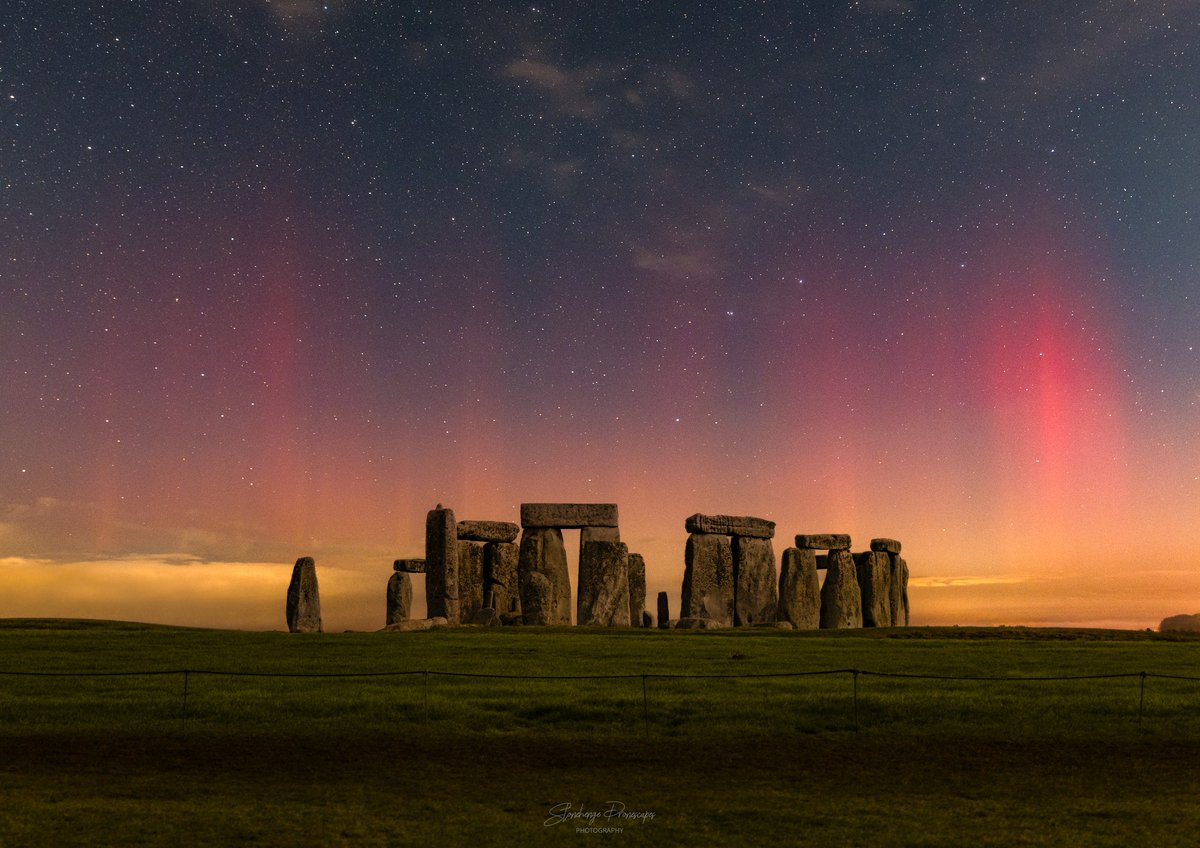
The Northern Lights dazzle over Stonehenge.
The aurora borealis, or the Northern Lights, were visible over Stonehenge at the weekend. The natural light display has captivated people for millennia and appears during geomagnetic storms.
📷: Nick Bull
Esquerra: la joia, el tresor que teníem, la perla que el passat ens havia llegat.
Dreta: la gestió feta pel Servei d'Arqueologia de la Generalitat de Catalunya. Destrucció del patrimoni. Una més.
Dimitiu. Us ho imploro: sisplau, pel bé de tothom, dimitiu ja!
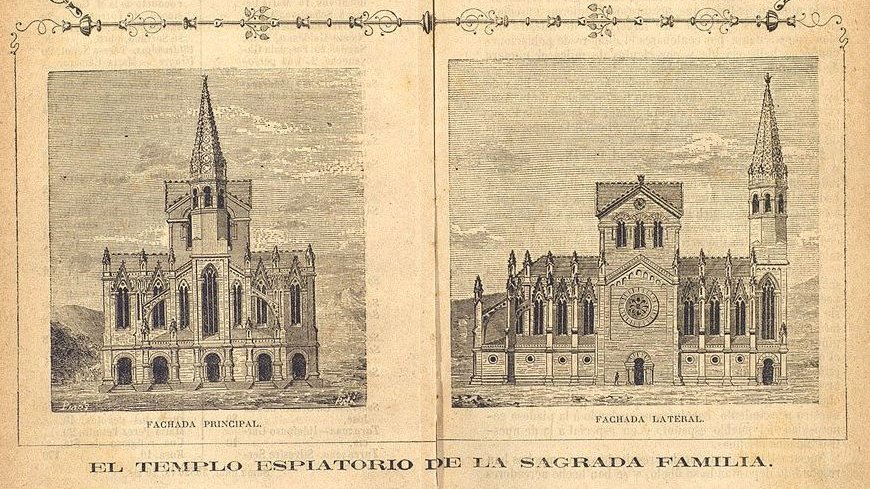
#TalDiaComAvui fa 140 anys, Antoni Gaudí era nomenat arquitecte de la #SagradaFamília, en substitució de Francesc de Paula del Villar, que havia començat les obres un any abans.
Així seria avui el temple si s'hagués seguit el projecte original de Villar👇
Then vs Now :
Uruk, located in the southern region of Sumer (modern day Warka, Iraq). The city of Uruk is most famous for its great king Gilgamesh and the epic tale of his quest for immortality but also for a number of firsts in the development of civilization which occurred there.
Uruk; one of most important cities (at one time, most important) in ancient Mesopotamia. According to Sumerian King List, it was founded by King Enmerkar 4500 BC. Uruk is best known as the birthplace of writing 3200 BC as well as for its architecture and other cultural innovations. Uruk, is also considered first civilized city in the world 4000 BC.
Uruk is considered the first true city in the world, the origin of writing, the first example of architectural work in stone and the building of great stone structures, the origin of the ziggurat, and first city to develop cylinder seal which ancient Mesopotamians used to designate personal property or as a signature on documents. Considering the importance the cylinder seal had for the people of the time, and that it stood for one's personal identity and reputation, Uruk could also be credited as the city which first recognized the importance of the individual in the collective community.
The city was continuously inhabited from its founding until 300 CE when, owing to both natural and man-made influences, people began to desert the area. By this time, it had depleted natural resources in the surrounding area and was no longer a major political or commercial power. It lay abandoned and buried until excavated between 1849-1853 CE, by English Archaeologists William Loftus for the British Museum.
#archaeohistories
[versió 2023, amb un parell de paraules noves:] Si aneu a Santa Maria de la Mar i assenyaleu una part de la façana i dieu "...i allò d'allà com es diu?". Doncs es diu així (basat en el "Diccionari Visual de la Construcció" de la Generalitat). | 📷 Aleix Bagué
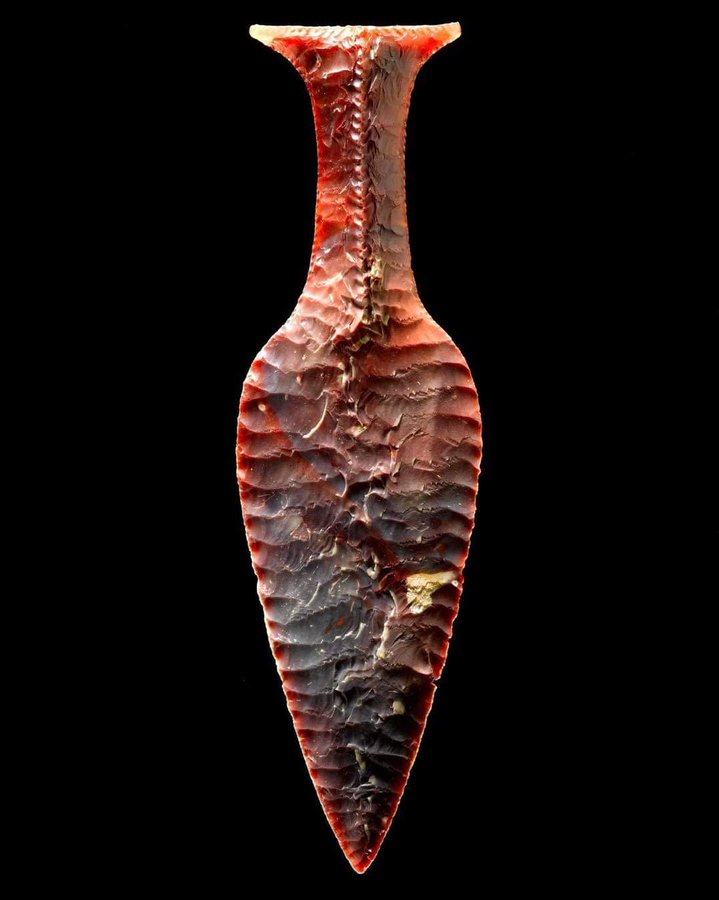
The Neolithic 'Hindsgavl Dagger', found in Denmark and dated to ca 1900-1700 BCE. One of the most beautiful examples of Neolithic flint knapping. https://t.co/1jFqBO7r9V
📷 Nationalmuseet https://t.co/wfw5jaw29p
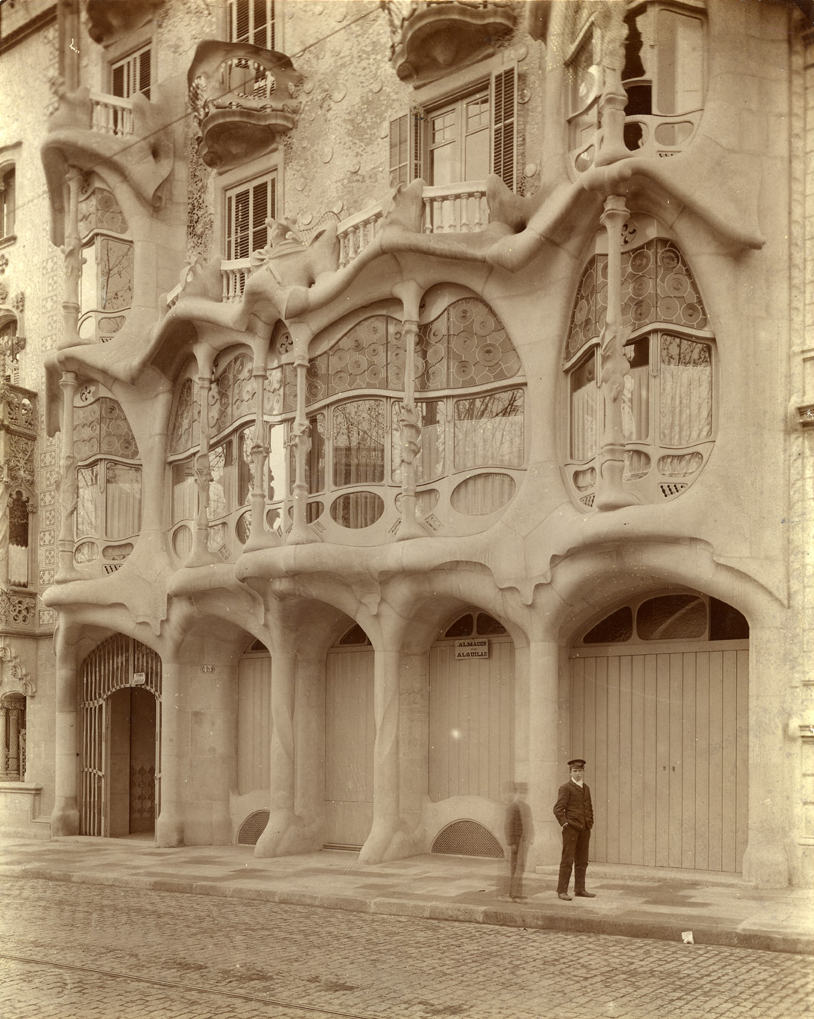
Tot i que en #taldiacomavui de 1904 Gaudí firmà els plànols del projecte de reforma de la Casa Batlló (1904-06), el contractista que la construí, en Josep Bayó, no féu servir ni un sol plànol per a fer l'obra, cap ni un!... La foto és de 1906. Fil 📐 | 📷 Frederic Ballell/AHCB
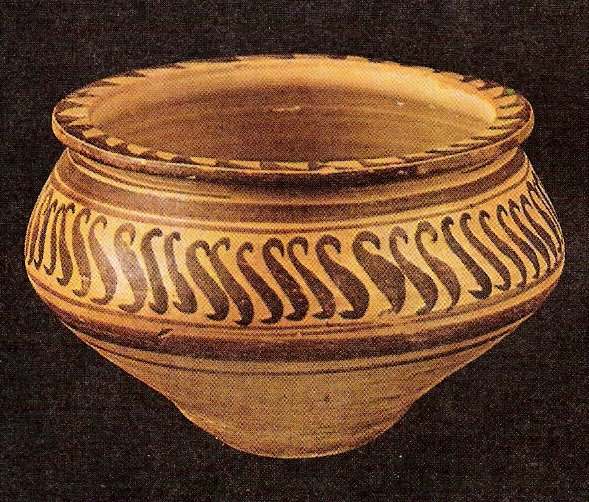
No pots entendre la "ceràmica ibèrica" sense conèixer l'evolució prèvia de la ceràmica a la Mediterrània oriental. O sigui: les seves mares, àvies...
La trobem físicament produïda i localitzada a occident. Però forma part de la gran família ceràmica de la Mediterrània oriental.








![efemarq's tweet photo. [versió 2023, amb un parell de paraules noves:] Si aneu a Santa Maria de la Mar i assenyaleu una part de la façana i dieu "...i allò d'allà com es diu?". Doncs es diu així (basat en el "Diccionari Visual de la Construcció" de la Generalitat). | 📷 Aleix Bagué https://t.co/3IEuewMpEA](https://pbs.twimg.com/media/F9-OF7zXsAA6auV.jpg)