Major Dick Winters led perhaps the most storied U.S. Army unit in all of World War II.
On D-Day, he and his "band of brothers" in Easy Company defeated a far larger German force and allowed the Allied advance to continue.
At the Dachau concentration camp, they liberated scores of Holocaust prisoners who'd endured months, if not years, of hell.
And as the war in Europe drew to a close, they captured Hitler's personal mountaintop retreat in southern Germany — then kicked back on his terrace in triumph while sipping champagne from his wine cellar.
But for decades, Winters was reluctant to even tell his story, lest he be called a hero.
Eventually, however, Easy Company's harrowing and courageous exploits on the Western Front in 1944 and 1945 would be immortalized in "Band of Brothers."
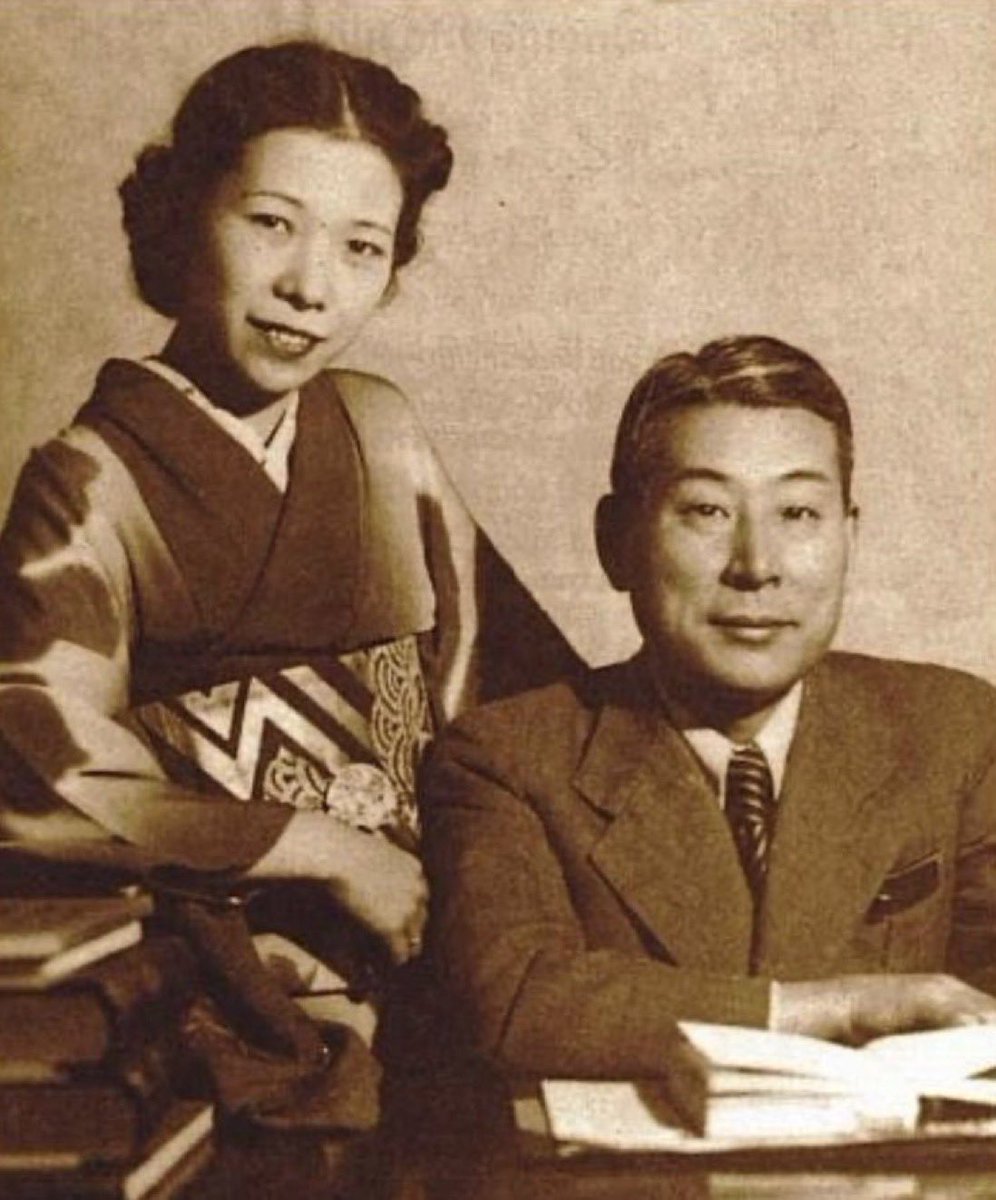
This is Japanese diplomat Chiune Sugihara and his wife Yukiko. They spent 18-20 hours a day writing and signing transit visas by hand in Lithuania for thousands of Jews for 29 days from July 31 to August 28, 1940.
Yukiko described their last days in Lithuania: "He was so exhausted, like a sick person. Even though he was ordered to go to Berlin, he said he couldn't make it to Berlin and suggested we go to a hotel and rest before leaving. When we got to the hotel, the Jewish people came looking for us there. So he wrote some more visas in the hotel.
The next day when we got to the train station, they were there too. So he wrote more visas on the platform until the train left. Once we were on board, they were hanging on the windows, and he wrote some more. When the train started moving, he couldn't write anymore. Everyone was waving their hands. One of them called out, 'Thank you Mr. Sugihara, we will come to see you again,' and he came running after the train. I couldn't stop crying. When I think about it, even now, I can't help crying."
As the train left the station, Sugihara said, "Please forgive me. I cannot write anymore. I wish you the best." It is estimated that the actions undertaken by him and his wife are responsible for the present lives of around 100,000 people.
After the war, Sugihara was forced to resign and work menial jobs (selling light bulbs door to door). He languished in relative obscurity until 1968 when an Israeli diplomat managed to find him and finally got him the recognition that he deserved.
Sugihara never told anyone what he had done during the war. Even his closest friends had no idea. "I may have disobeyed my government, but if I didn't, I would be disobeying God. In life, do what's right because it's right, and leave it alone."
@lexfridman My question for Elon: If he could have the US focus on three things over the next five years to put us in a better place than today, what would those three things be.
@Vanguard_Group What's up with your new account process. I've tried twice to sign up and give $ but it errors out, and your Support never gets back to me. Sheesh!
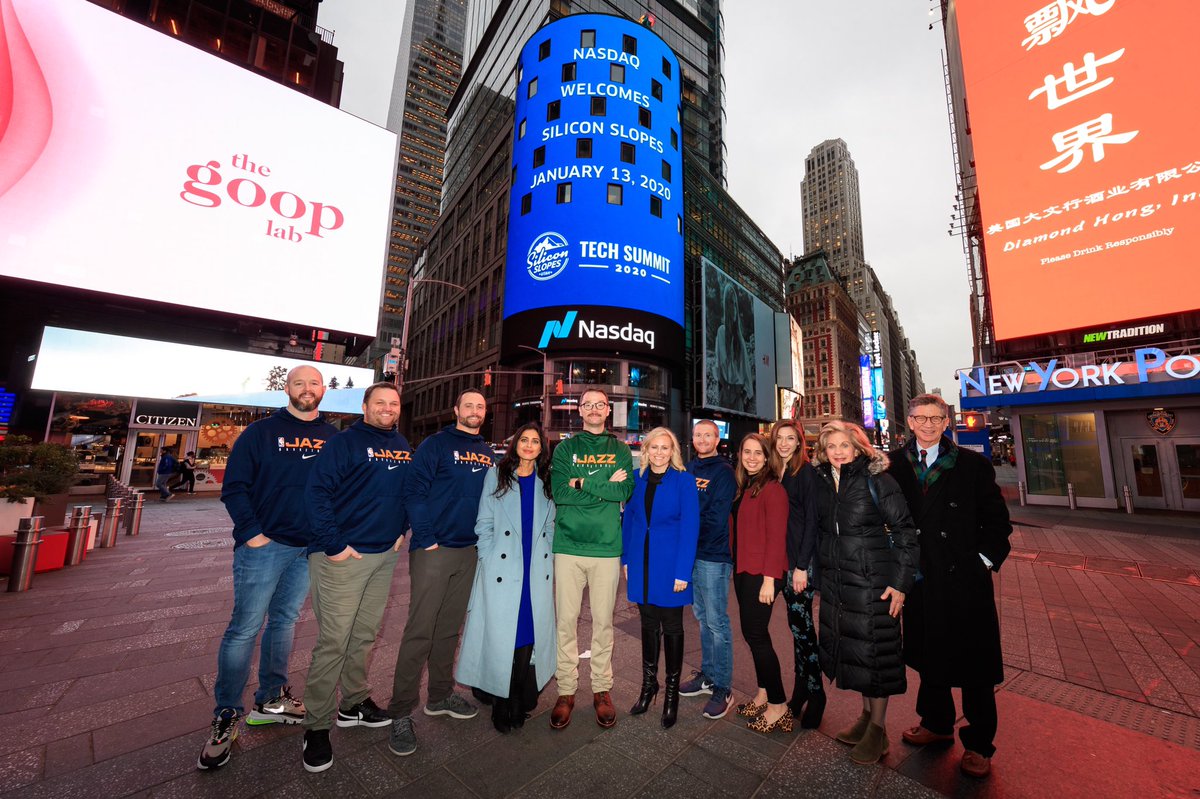
What an incredible moment for Silicon Slopes and Utah’s startup and tech community. We closed the @Nasdaq today in NYC! Don’t forget to register for Silicon Slopes Tech Summit 2020 at https://t.co/VisdyXHyji. More major announcements coming this week!
“I set out to never betray the values that 16-year-old had, to never sell out, to never bow to the man." Neil Peart reflected on his teenage years and more in our 2015 cover story on Rush. Read it here https://t.co/4IaCurGWGe