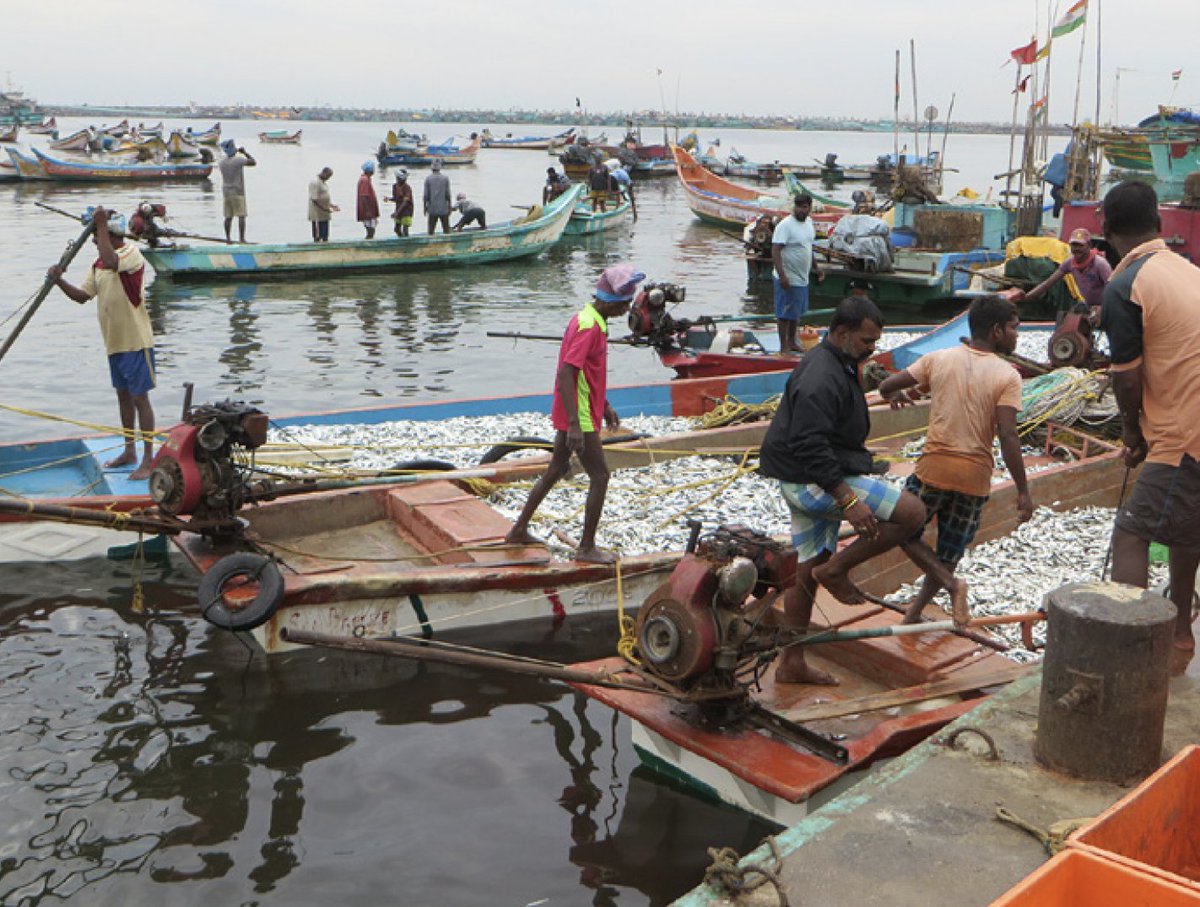
An international partnership of #Indigenous, #community, government, NGOs and researchers using social-ecological systems to study community-based #conservation
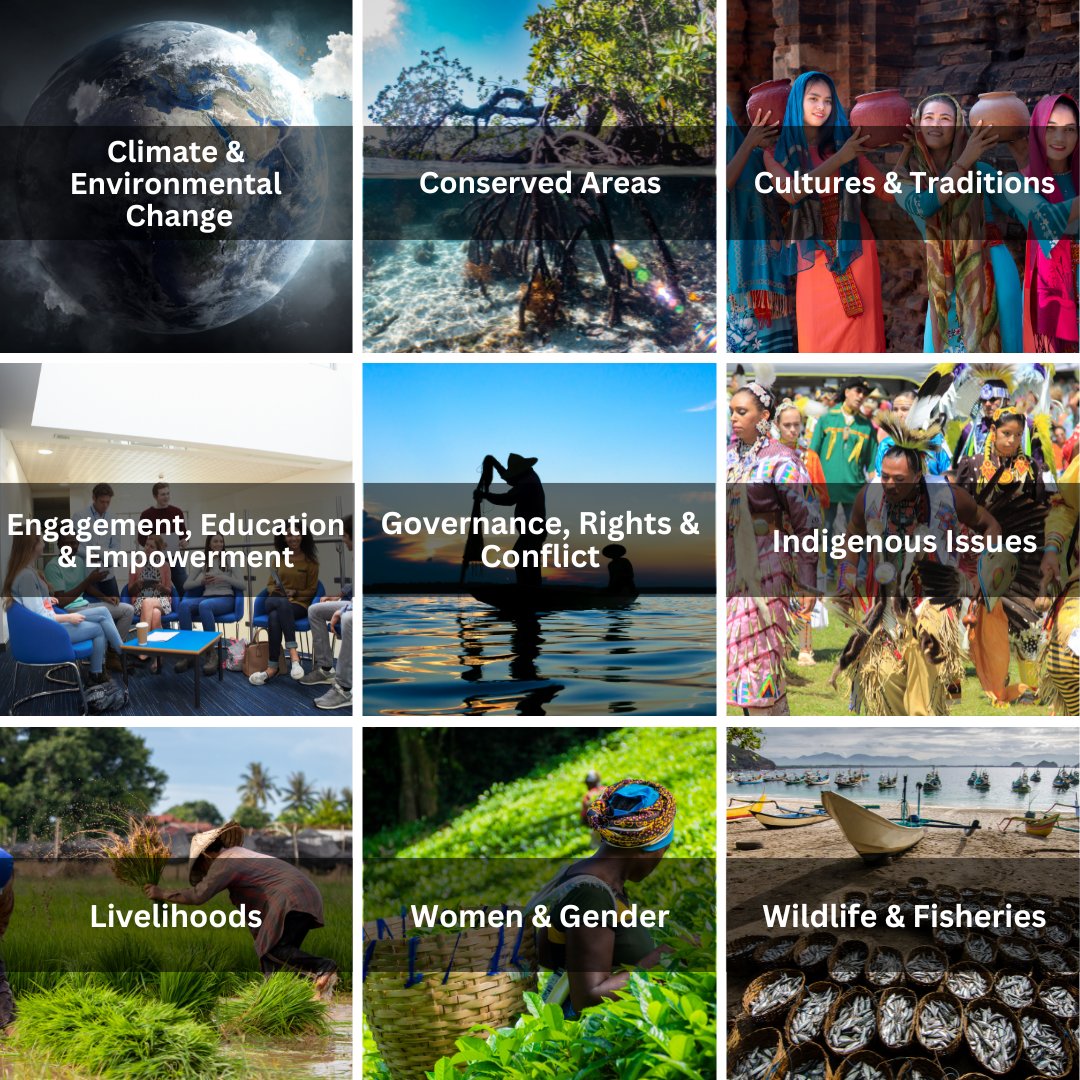
The CCRN is pleased to announce our new website! You can now navigate our resources through 9 themes, where you will find resources such as community stories, videos, webinars, and more: https://t.co/dM2xb6g5h7
Stay tuned as we share more over the course of the next few weeks!
👨🌾🐟 ‘Engaging in fishery management for sustainable use’ is highlighted as one of six categories of stewardship by small-scale fishers in ‘Environmental stewardship by Small-Scale Fisheries.' Explore the full report here:
https://t.co/MJEFIUYbp3
📢‘Stewardship through outreach and advocacy’ by fishers can represent crucial engagement of organisations and communities to protect their local environment, as highlighted in ‘Environmental stewardship by small-scale fisheries’. Explore the full report:
https://t.co/MJEFIUYbp3
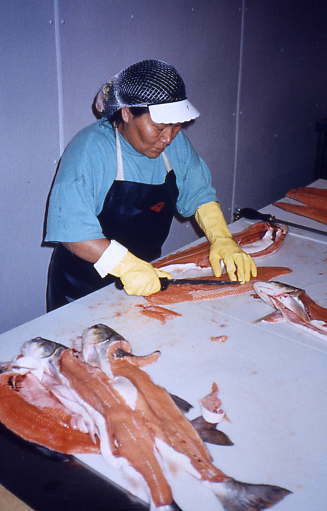
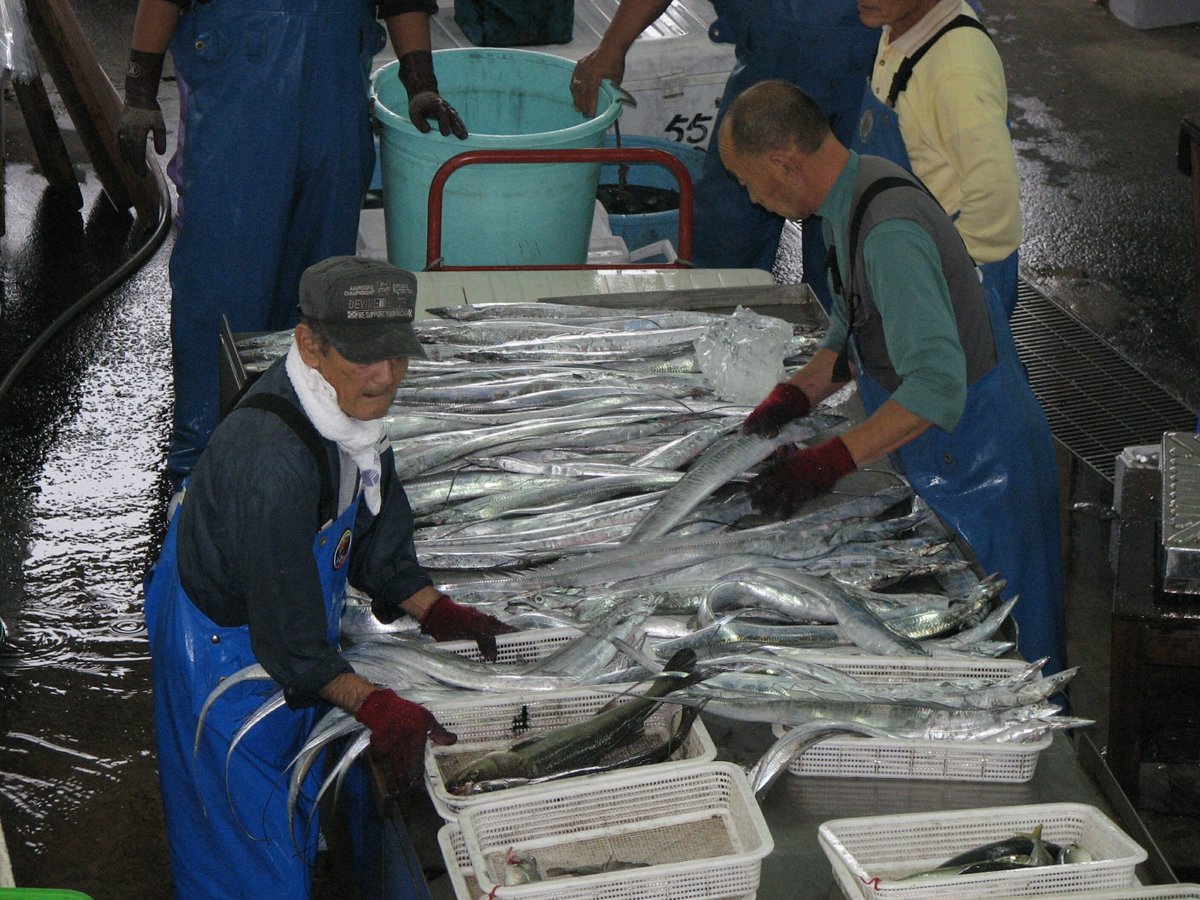
Enhancing fishing and post-harvest practices benefits ecosystem health and supports livelihoods and food security.
‘Improving fishing practices and post-harvest practices’ is highlighted as a stewardship by small-scale fishers. Explore the full report:
https://t.co/MJEFIUYbp3
You are warmly invited to “save the date” for a 4-day in-person international conference and gathering, on Indigenous Stewardship, Livelihoods, and Wellbeing. The conference will take place in Kjipuktuk (Halifax, Canada), also with time on the land of Mi’kma’ki.
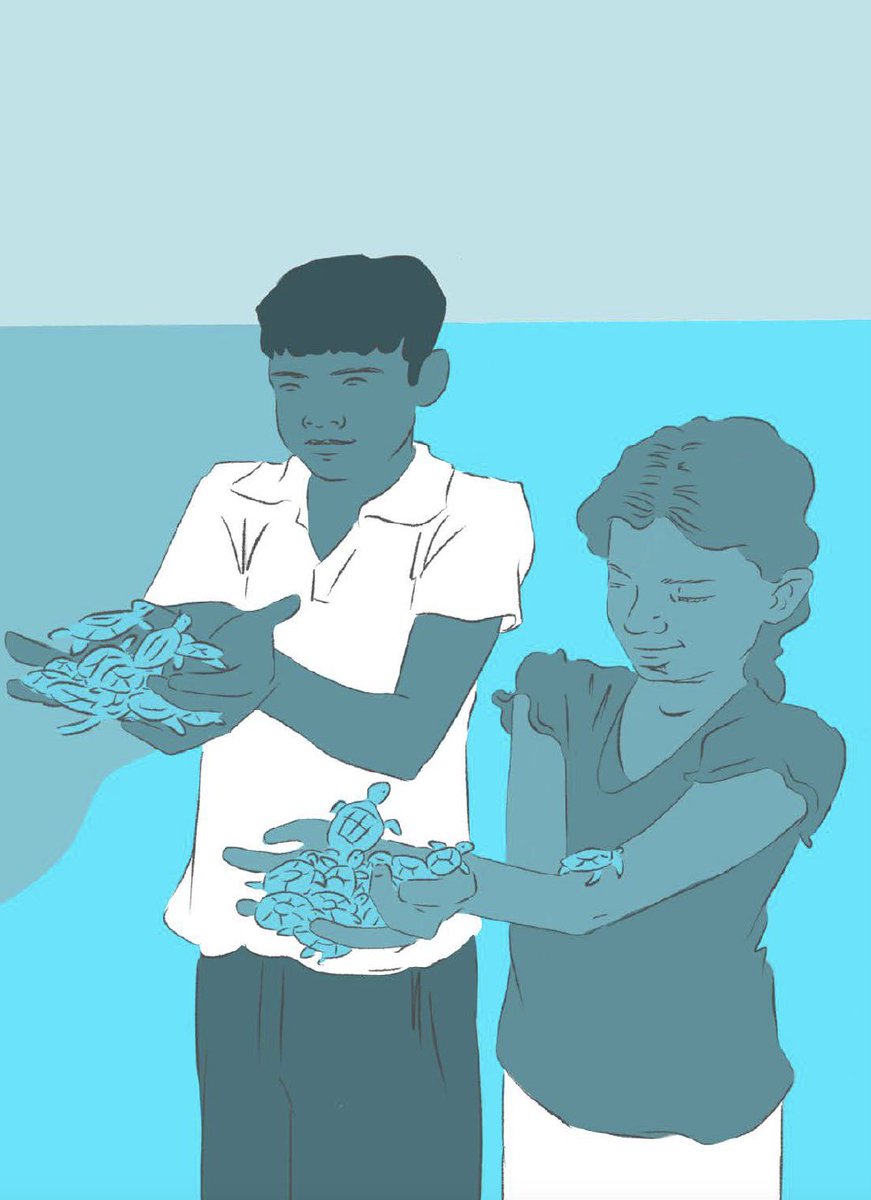
🌍🐠Supporting biodiversity, thousands of fishers act daily in aquatic ecosystems to protect species that need targeted conservation.
Stewardship of aquatic species extends beyond fishery conservation, as highlighted in Environmental Stewardship by SSF:
https://t.co/MJEFIUYJeB
To all of our friends and colleagues around the world, the Community Conservation Research Network wishes you a happy new year… of communities, conservation & livelihoods ✨.
#Communities#Conservation#Livelihoods
Fishing communities have a strong stake in the sustainability of resources in the area where they fish.
Stewardship of aquatic areas is an established approach to safeguarding the aquatic environments, as highlighted in Environmental Stewardship by SSF.
https://t.co/MJEFIUYJeB
🎣💰A commonly proposed policy to improve fishery sustainability is to focus on fishing livelihoods.
👉Chapter 13 of 'Sustainable Fishery Systems' highlighted that livelihood diversification is a complex yet essential strategy for sustainable fisheries.
https://t.co/CecSeJvHF3
Historically, participatory fishery development focused on harvesting sector rather than post-harvest sector, where women lead.
It is now understood that women should be more involved in fishery development. See Chapter 8 of Sustainable Fishery Systems.
https://t.co/CecSeJvHF3
🎣👨🌾 Fishing households and communities are often overlooked in fishery management.
👉 Both households and communities are essential and should be seen as analogous to the ecosystem in which the fish live. See Chapter 5 of 'Sustainable Fishery Systems'.
https://t.co/CecSeJwfuB
⚡ The effects of climate change will severely impact coastlines and communities.
👉 Climate adaptation should align with community development, focusing on “adaptation entry points” to integrate resilience. See Chapter 21 of Sustainable Fishery Systems.
https://t.co/CecSeJvHF3
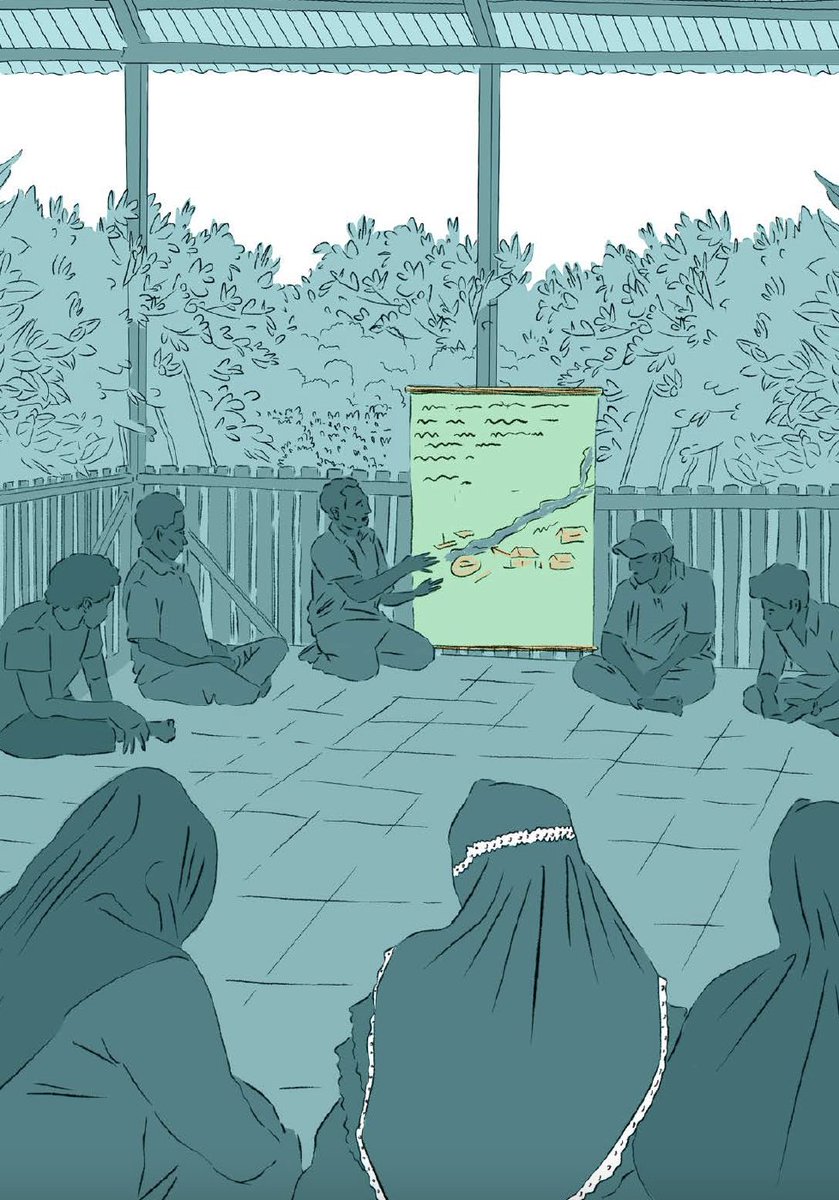
Fishers organise through unions, cooperatives, and associations.
Fishery organisations not only provide vital support to fishing communities, but they are also essential for success of fisheries management. See Chapter 4 of Sustainable Fishery Systems:
https://t.co/CecSeJvHF3
Uncertainty is widespread across the entire fishery system.
Adopting a systems perspective in fisheries helps ensure that uncertainties are addressed across all parts of the fishery. See Chapter 10 of Sustainable Fishery Systems.
https://t.co/CecSeJvHF3
In many cases, initiatives to develop fisheries can create a totally unsustainable system.
Chapter 8 of 'Sustainable Fishery Systems' emphasised the need to distinguish between fishery development that aligns with sustainable systems and that does not.
https://t.co/CecSeJvHF3
The operation of a fishery system is shaped by selecting institutions within and outside it.
Effective fishery management requires institutions that are properly organised and perceived as fair and just. See Chapter 6 of 'Sustainable Fishery Systems':
https://t.co/CecSeJwfuB
Fishery decision-making may not reflect the values of the society in which they occur.
The importance of values is highlighted in Chapter 6 of Sustainable Fishery Systems, where Anthony Charles stresses them as the starting points in fishery governance.
https://t.co/CecSeJvHF3
🌍Despite the current global focus on sustainable development, many fisheries are facing a crisis that requires urgent attention.
👉 Sustainability should be considered equally across all four key components. See Chapter 1 of Sustainable Fishery Systems.
https://t.co/CecSeJvHF3
Historically, fisheries focused on fish and fishing fleets, excluding fishery participants from the discussions.
The interdisciplinary approach now examines fishery systems, involving fishers and fishworkers. See Chapter 4 of Sustainable Fishery Systems.
https://t.co/CecSeJvHF3
💥 Vulnerability includes both sensitivity to harm and a lack of capacity to cope.
👉 While exposure and sensitivity increase vulnerability, adaptive capacity of the communities can help mitigate them. See Chapter 21 of 'Sustainable Fishery Systems'.
https://t.co/CecSeJwfuB
👨🌾 The idea of rights-based management should refer to both resource use rights and respect for human rights.
👉 The interconnectedness of human rights and fishery rights is addressed in Chapter 16 of ‘Sustainable Fishery Systems’.
https://t.co/CecSeJvHF3