Tesla FSD (Supervised) has just officially been approved in Denmark!
This is the fourth European country to get FSD (Supervised) approved, and counting.
The @Tesla Model Y was Denmark's best-selling vehicle overall in May. The Model 3 placed fifth. Combined, Tesla registrations in May were up 136% YoY.
Denmark also hit a new EV record. Of 19,092 new passenger cars registered in May, 15,020 were BEVs, pushing BEV market share to 78.7% overall and 95.8% among private buyers. https://t.co/WA0Y62jQd5
This year, your monthly donation has ~2.5× the impact.
With more Interceptors in the water and more efficient operations, we’re collecting more trash for every dollar.
Take action today: https://t.co/TWBLTSPKZi
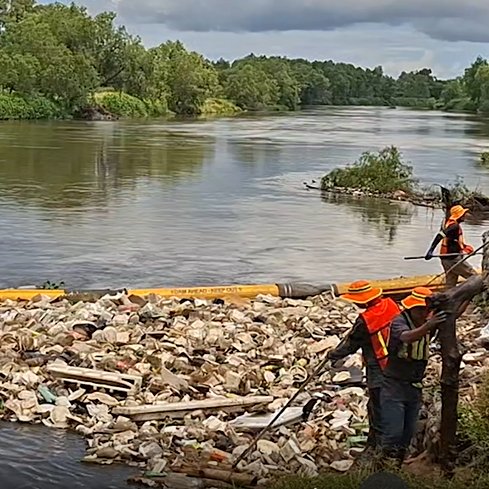
Indonesia is home to our first river Interceptor, Interceptor 001 in Jakarta’s Cengkareng Drain, as well as Interceptor 020 in the nearby Cisadane River.
Watch our unfiltered journey tackling plastic pollution in Jakarta: https://t.co/eeZyBEfSuw
This is the progress we made towards clean oceans in April:
🔹Our research team published its 100th peer-reviewed research paper
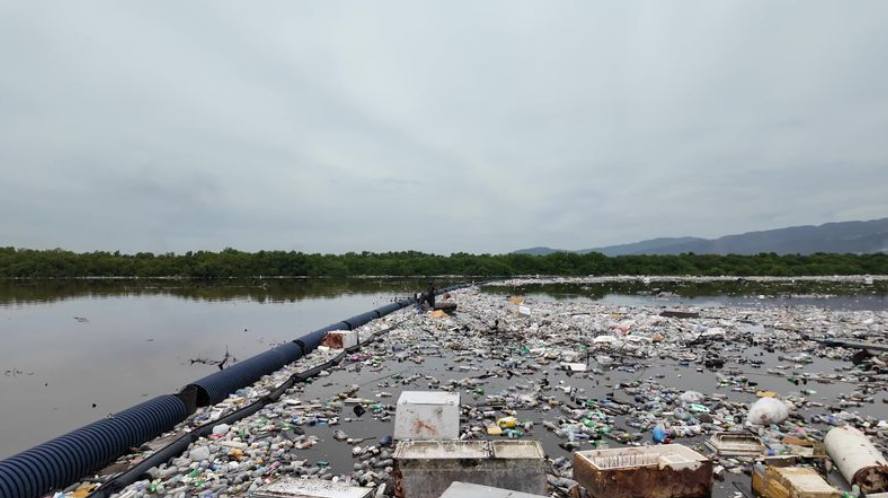
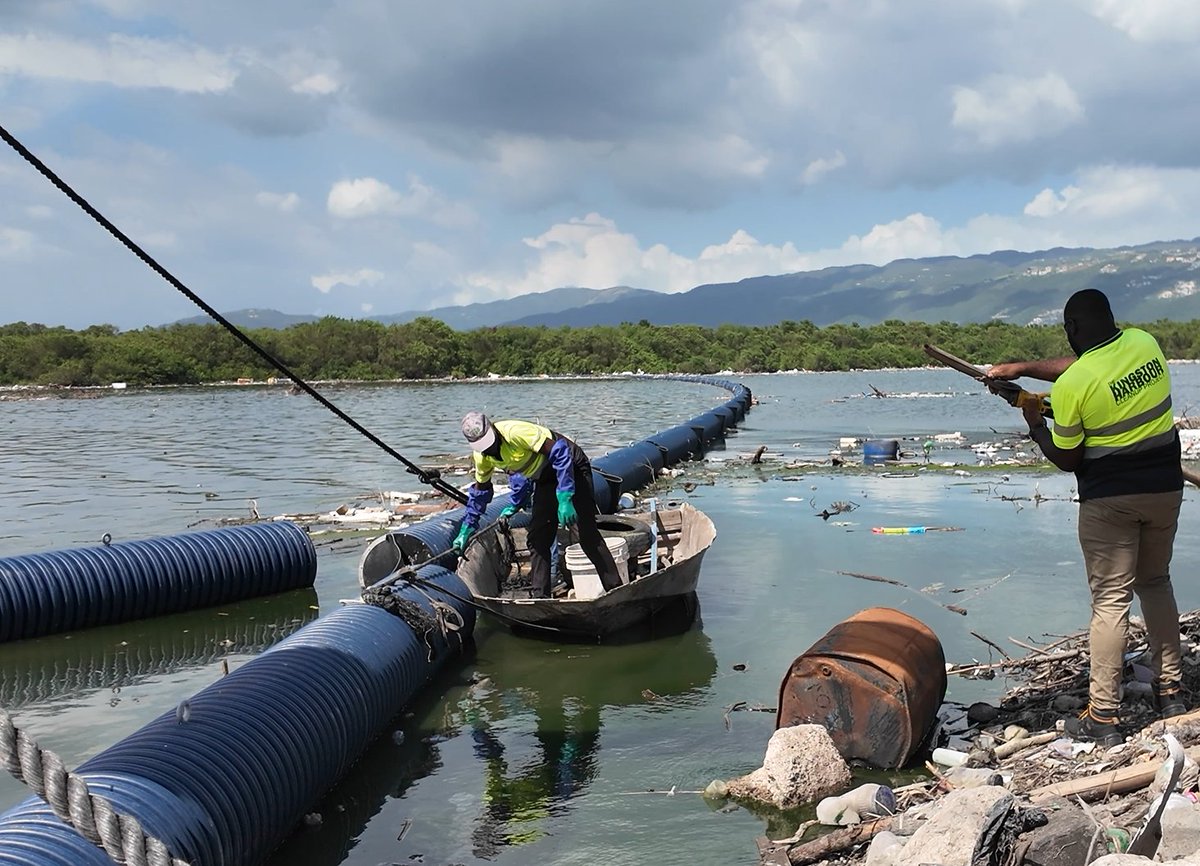
🔹In Jamaica, Interceptor 015 captured tons of trash, including multiple fridges and even a couch
🔹Interceptor 023 in Honduras is stopping trash before it reaches the ocean - and performance improvements are underway
🔹 We’re bringing operations to the Philippines, with our first deployment in the Meycauayan River planned in the coming months
🔹 We renewed our partnership with Hyundai Glovis for another four years, which will help us expand our ADIS camera deployments to better map plastic pollution hotspots in the ocean.
Our 2026 focus is to scale up our river operations: we are kickstarting our 30 Cities Program to stop up to 1/3 of the plastic currently flowing from rivers into the ocean.
But what about the Great Pacific Garbage Patch?
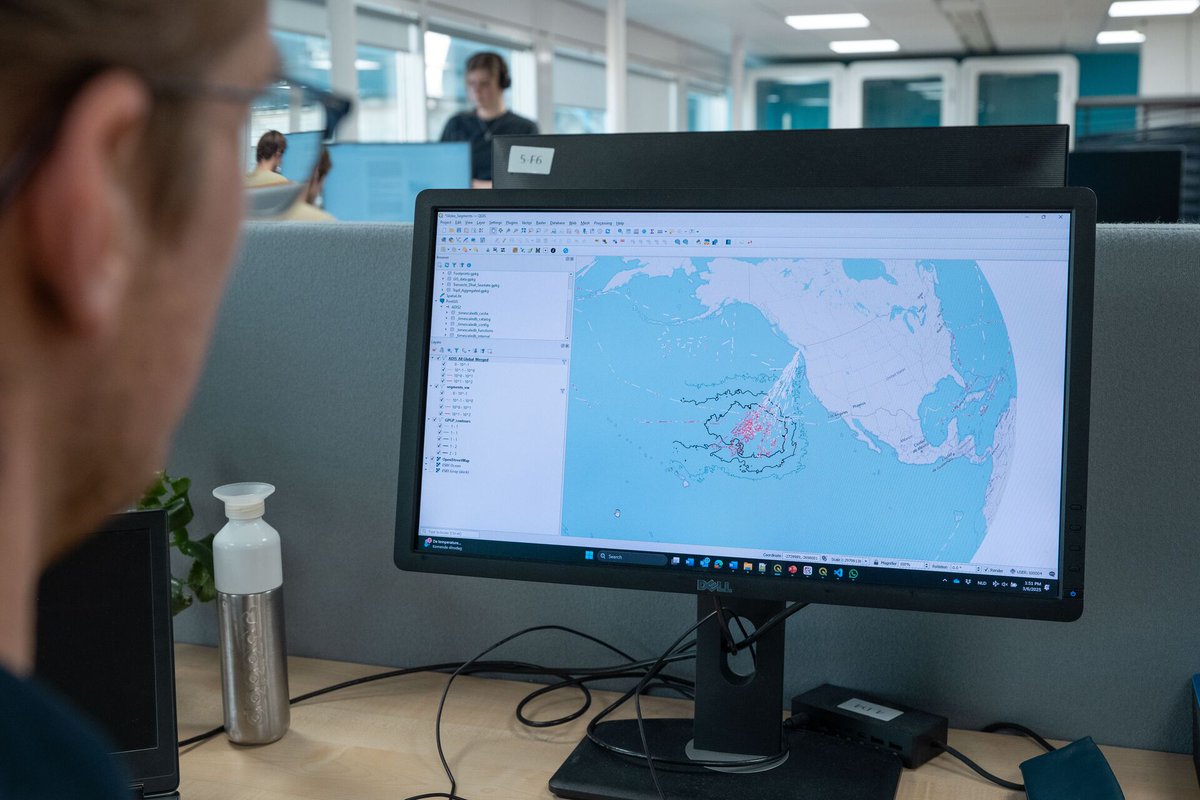
Alongside the deployment of more Interceptors, this year we will continue running AI and drone tests and advancing our computational modeling to help us locate and map plastic hotspots in the GPGP.
The goal: to make ocean operations more efficient. Stay tuned for updates!
This year, we are scaling up our river operations.
In the meantime...
💠 We are working on developing (drone and AI) technologies for plastic hotspot hunting in the Great Pacific Garbage Patch
💠 We continue to research the problem of discarded fishing gear to identify the right solution
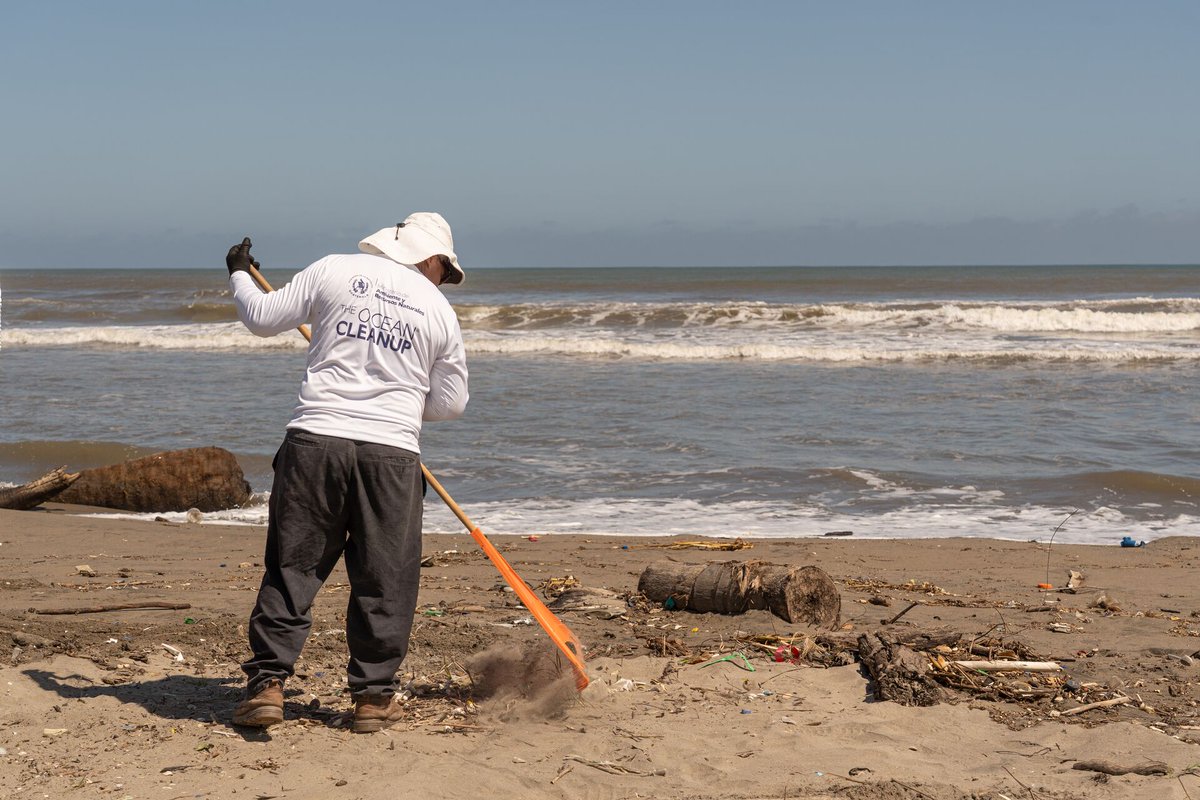
💠 Once Interceptors are operational, we clean up legacy pollution on coastlines to return the environment to its original, pristine state and make sure stranded pollution doesn't return to the ocean
"The world needs a success story".
The Audacious Project has awarded The Ocean Cleanup with a 121 million USD donation to accelerate scale-up and tackle up to a third of all plastic flowing from rivers into the ocean. 🚀
5 essential steps to deploy an Interceptor - and how we plan to scale up in 30 cities to stop up to a third of river plastic pollution worldwide by 2030.
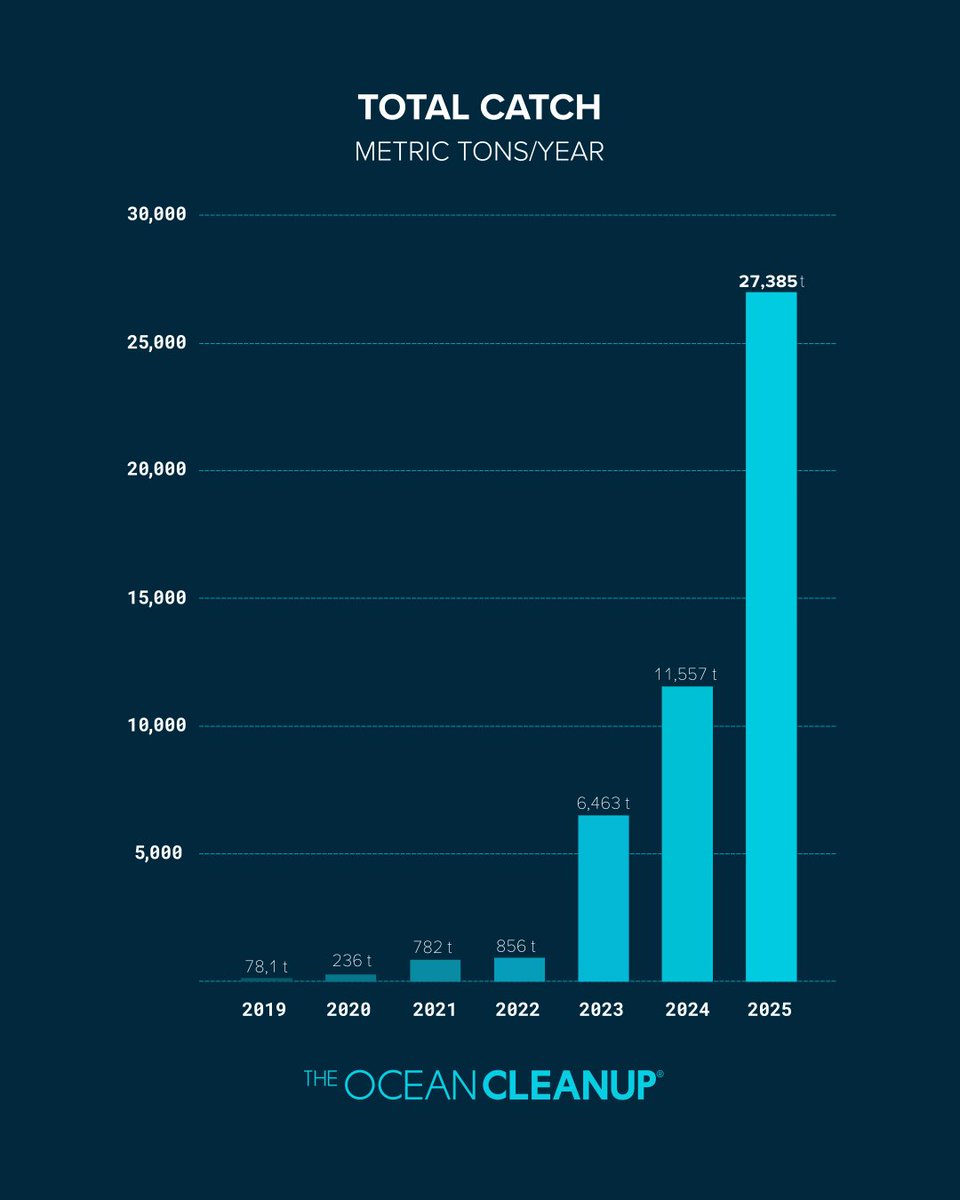
Final numbers are in: In 2025, we prevented 27,385,000 kg of trash from reaching the ocean, making it our most impactful year yet.
Stay tuned for our progress in 2026, as we scale up through our 30 Cities Program.
The year has just started, and so has the work. Interceptor 022 in Rio Abajo, Panama, has just been upgraded with two barriers to improve its efficiency and prevent even more trash from reaching the ocean.
"As an inventor, it's easy to get an emotional attachment to your ideas, and that can stand in the way of being flexible enough when it comes to how you get to the goal."
Hear @BoyanSlat share his challenges and learnings since founding The Ocean Cleanup: https://t.co/o3BqnhSHvm
Based on the amount of trash we collected last year, we calculated the real-world impact of every dollar you contribute to our mission. Choose your impact: https://t.co/Ru8sJa2kmu
Here’s what happened at The Ocean Cleanup in November:
💠 This year, we’ve been collecting an average of 53 kilos of trash every minute.
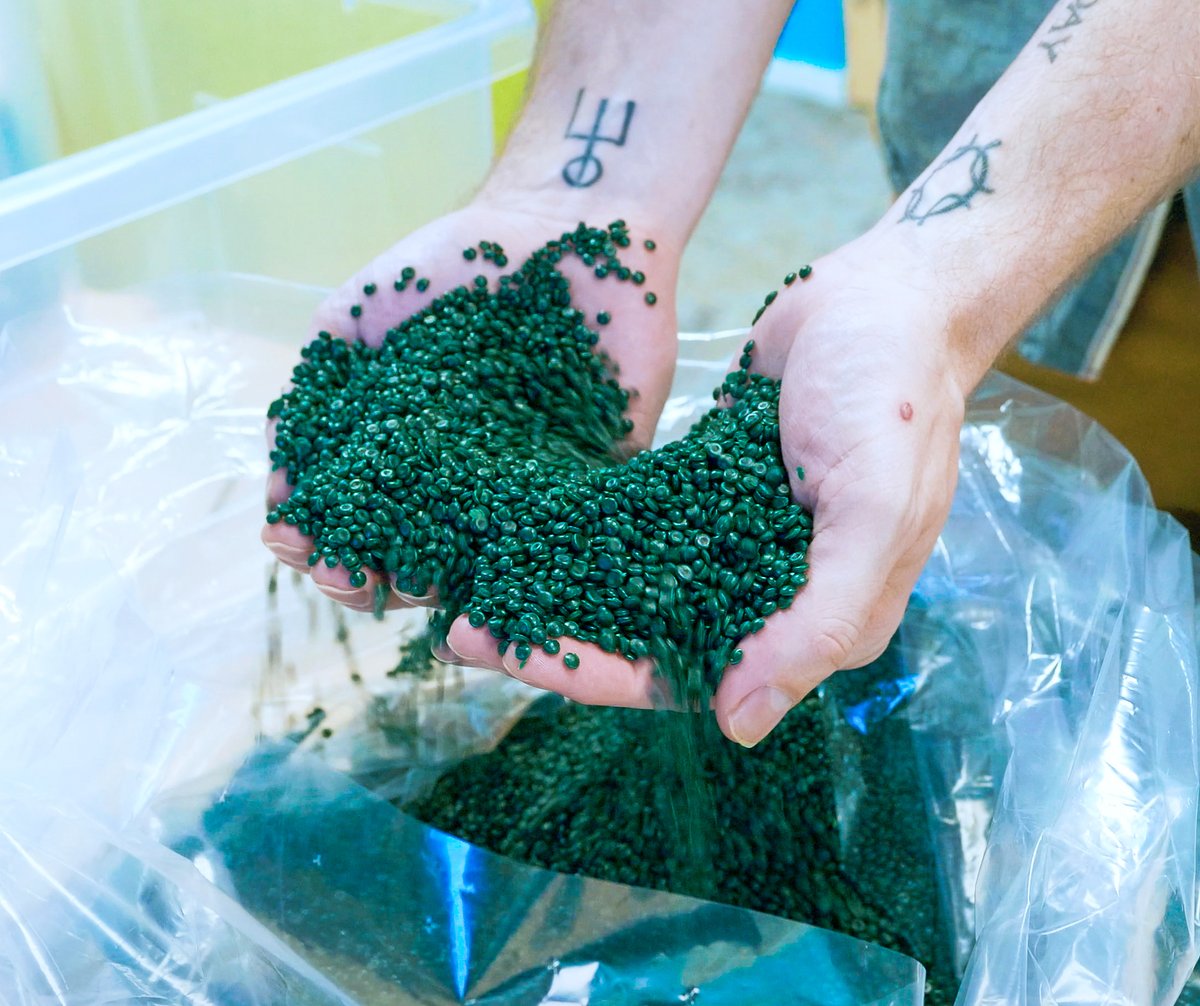
💠 We just finished recycling our last plastic batch from the Great Pacific Garbage Patch. Now, we have over 118,000 kg of plastic granulate ready for new products.
💠 We introduced our new 4-quadrant strategy: cleaning up the garbage patches, stopping plastic in rivers, conducting coastal sweeps, and tackling lost fishing gear at sea.
💠 After Hurricane Melissa, all nine Interceptors made it through — with only a few needing repairs.
💠 Our team published new research on the role of Citizen Scientists in gathering data on plastic pollution in remote oceanic regions.
💠 With partners in Guatemala, Honduras, Indonesia, and Panama, we continue to engage local communities in coastal sweeps of beaches and mangroves.
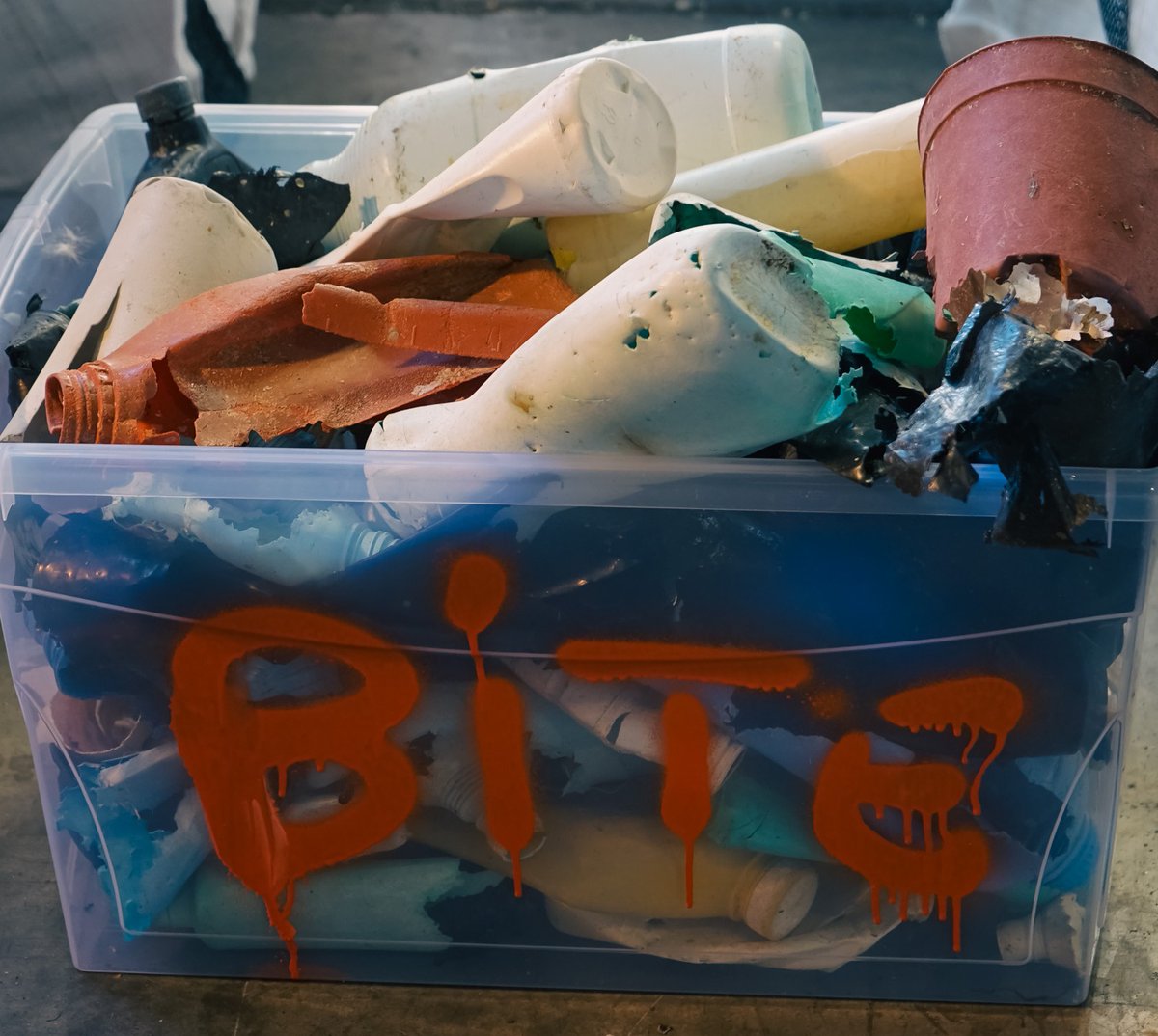
💠 We have completed the analysis of 55,000 kg of ocean plastic. Each item was inspected for clues about its origin, age, and evidence of bite marks; the research will be published next year.
A nice piece on why The Ocean Cleanup has paused ocean operations to upgrade the cleanup system and remove 90% of floating ocean plastic by 2040: https://t.co/T9jiSUiRLn