*THE CHANGE IS HERE!* 🎇
The Soya Project is now CEA PROTEINS! #plants, #insects, #mushrooms, #precisionfermentation, #algae... CEA Proteins will be bringing together all the varieties of protein in CEA systems.
More info soon. Check out the new website:
https://t.co/8eN2yMx4QT
Excited for our upcoming first partner event, the 2023 Agrifood Innovation Event - hosting a dedicated session on the #proteintransition, with speakers from @Farmless_Foods, Wastech BSF, and @MoolecScience.
Join us there: https://t.co/vDAa6da0qX
Our Q&A with with Mark Horler, a Co-Founder of @soya_project as part of ‘Product | People | Potential’. The Soya Project advocates the growing of soy within vertical farming systems in a profitable and effective way.
Read article: https://t.co/9i8vJeYxCH
"The BU Greenhouse Horticulture of Wageningen University & Research investigated the production of protein-rich crops in their Vertical Farm... Soybean (Glycine max) was considered the most promising candidate... "
https://t.co/srwzKdfgDG
"Briefly put, we can conserve it all and designate “use” areas, instead of the other way around."
Interesting article on how we might bring together the seemingly sometimes competing aims of conservation, and social justice. Worth a read.
https://t.co/qFPAuHwyrI
"In a new research paper(link is external) by SEFARI researchers, pollinator behaviour, diversity and abundance were studied at different Scottish agricultural legume plots."
https://t.co/dktDGZeg5Y
"A massive infrastructure deal such as the green new deal would be the perfect opportunity to enable a national transition to an agricultural system centered around vertical farming"
https://t.co/4hNZIvMB0l
New @IPBES & @IPCC_CH#BiodiversityClimateScience report shows that biodiversity loss & climate change are both driven by human economic activities & mutually reinforce each other.
Neither will be resolved unless both are tackled together.
https://t.co/M4g8AAPxI6 #TheRaceIsOn
Today is international #biodiversityday. Few things threaten #biodiversity more immediately and aggressively than land use change forand other impacts of unsustainably intensive agriculture. We aim to help change that.
https://t.co/8UnHV2Zkv9
"According to the study, introducing legumes to traditional crop rotations in Scotland reduced the use of synthetic fertilisers by up to 50%. “That’s a massive reduction in fertiliser use,”
https://t.co/jRjbV6DO4S
More than 1m tonnes of soya used by UK livestock farmers to produce chicken and other food last year could be linked to deforestation. We need to rethink our food systems, protein sources and how animal protein contributes to increased soy production.
https://t.co/Cr97DmJ4np
The blame game is pointless and counterproductive. It's values that count
I made a video presentation, to bring together my thoughts on #food#farming#agriculture#sustainability and more. Constructive feedback/criticism welcomed.
https://t.co/UmJrMXtXoN
"A 1-ha, 10-layer indoor wheat vertical farm could produce up to 1,940 ± 230 t/ha/y, approximately 600 times the current average global yield in the field"
Amazing! Wonder what we could achieve with Soy?!
https://t.co/mP1GCPE2wp
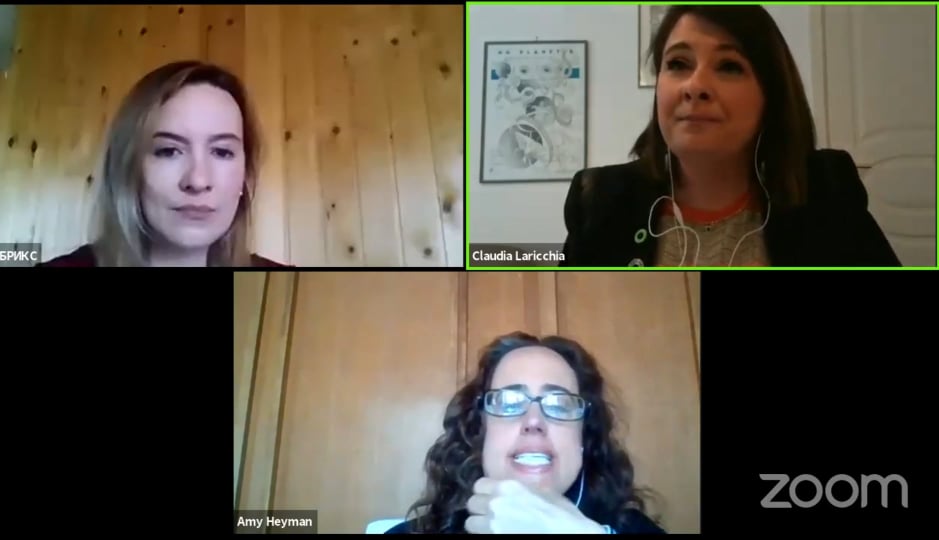
"Sustainable food and agriculture are at the core of the 2030 agenda, it contributes to many SDG’s and it places a critical role in reducing poverty, preserving resources, and driving positive changes"
- Amy Heyman, @FAO#Food4Earth#goodaftercovid19#EarthDay@ClaudiaLarix