You know what would help… and somehow you're still frozen with the phone in your hand.
Activation energy isn't laziness. Order off your own dopamine menu.
$9 fill-kit → https://t.co/JKlVPwb5xI
#ad
"What's next?" Again… and again?
Let them SEE it: 180 picture routine cards + First/Then & Now/Next boards + an editable Canva kit. $15, instant download.
https://t.co/R7ihE5vXIV
#VisualSchedule#KidsRoutine
In the 1870s, typewriter keys jammed when neighboring letters were hit too fast. Christopher Latham Sholes rearranged the layout to pull common letter pairs apart and slow typists just enough. That “slow” map stuck — so the keyboard under your fingers is still a jam-prevention design from the age of ink ribbons.
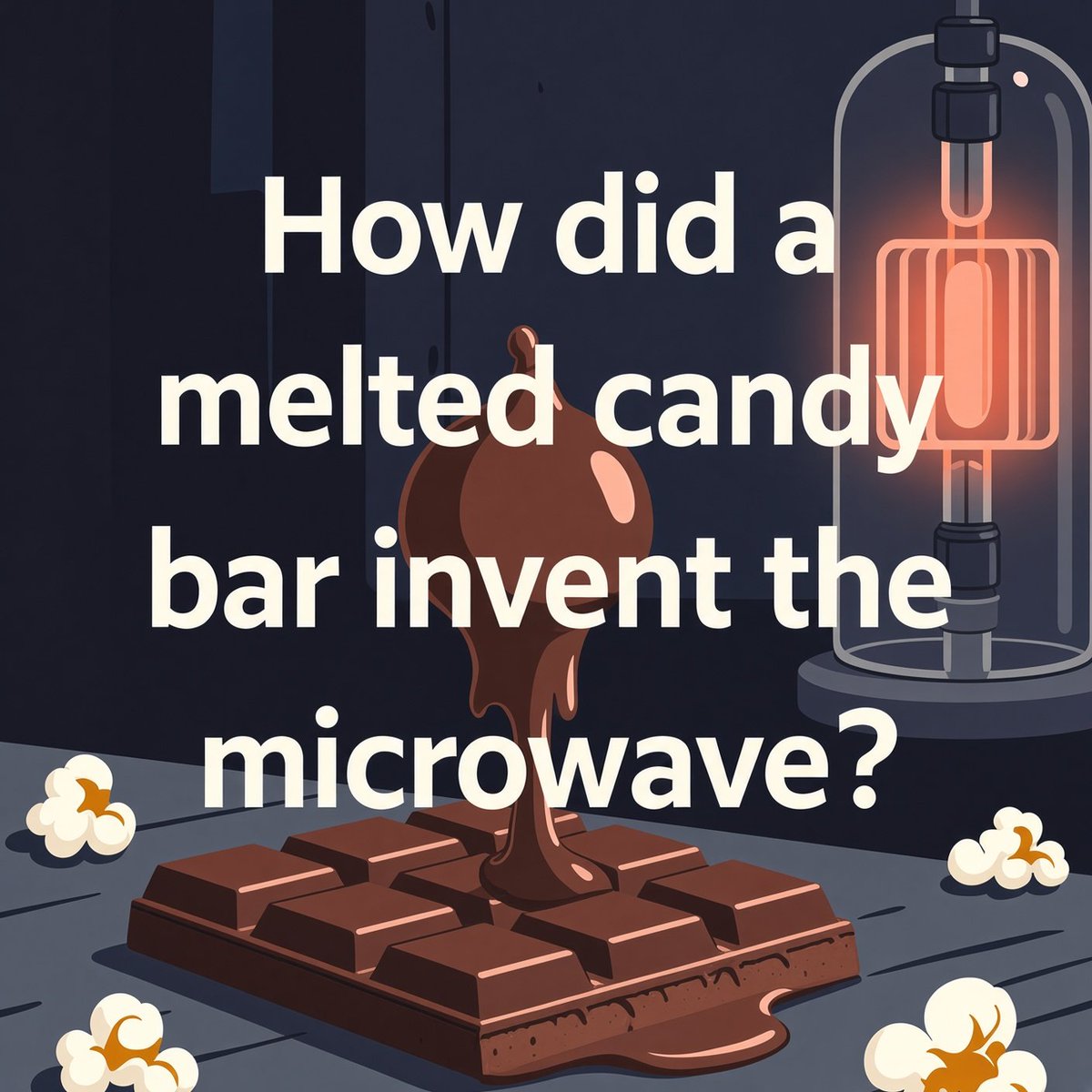
In 1945, engineer Percy Spencer was testing a radar magnetron at Raytheon when the chocolate bar in his pocket turned to mush. Curious, he aimed the tube at popcorn kernels, and they popped. An egg exploded next. That happy accident became the first microwave oven, the Radarange. So the gadget reheating your leftovers started as a melted snack and a very sharp hunch.
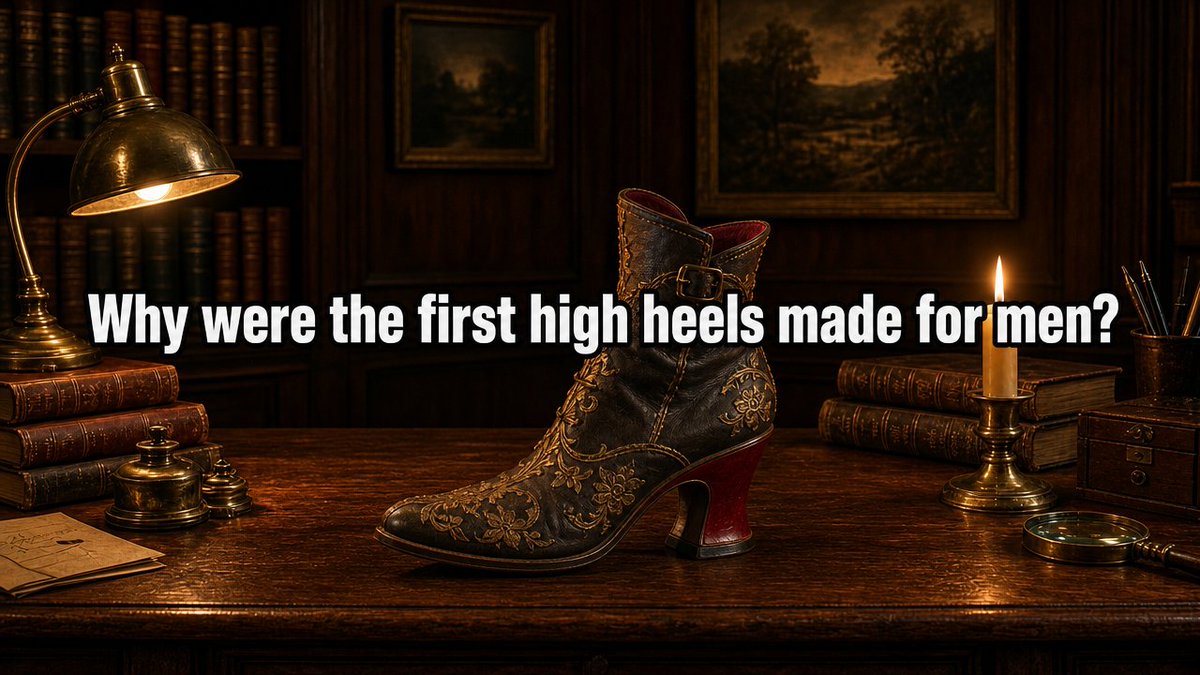
In 10th-century Persia, cavalrymen wore heels to lock into stirrups while shooting bows on horseback. When the look reached 17th-century Europe, aristocratic men adopted tall heels as a status flex — proof they did not do muddy fieldwork. Louis XIV even decreed red heels for his court. Women's fashion only later claimed the silhouette. So the original high heel was a riding tool and a power signal, not a runway accessory.
In 1957, engineers Alfred Fielding and Marc Chavannes sealed two shower curtains together hoping to invent textured plastic wallpaper. Nobody wanted bumpy walls. Greenhouse insulation flopped too. Then IBM needed soft padding for fragile computers—and the rejected wallpaper finally found its job. Today that failed product cushions half the internet’s shipments.