Finally, Ceemet emphasised the importance of reinforced cooperation between universities and industry (through joint projects, co-developed training programmes, and other initiatives) to ensure that education remains labour-market-driven and aligned with companies' needs.
On 22 May, Ceemet senior policy advisor Isabel Sobrino Maté took part as a panelist in the SEFI - European Society for Engineering Education webinar, held on the occasion of the publication of their position paper on engineering skills and the industry response.
In this context, Isabel Sobrino stressed that the ability to learn and adapt on an ongoing basis is becoming increasingly important for acquiring new competences throughout one's professional career, including in the area of AI.
Ceemet is pleased to be part of this project and to contribute its experience on the key role that well-functioning social dialogue and strong social partnerships can play in supporting industries through periods of transformation.
On 18 May 2026, the EU-funded project “SHIELD – Social Dialogue for Crisis Management and Resilience in Strategic Industrial Sectors” was officially launched with its first online Steering Committee meeting.
In its capacity as an EU sectoral social partner, Ceemet will share practical examples of successful initiatives that have helped companies and employees manage and adapt to the digital, green, demographic, and economic transformations affecting industry.
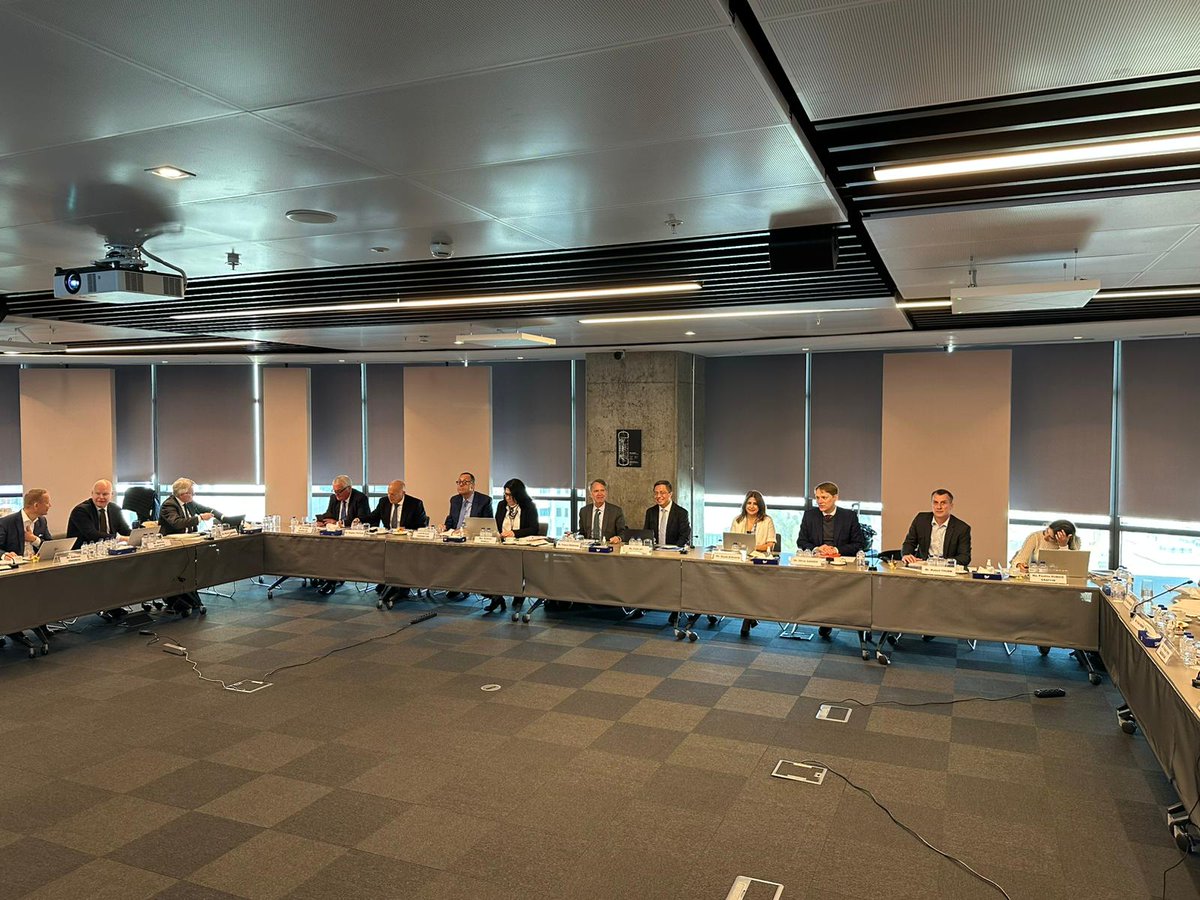
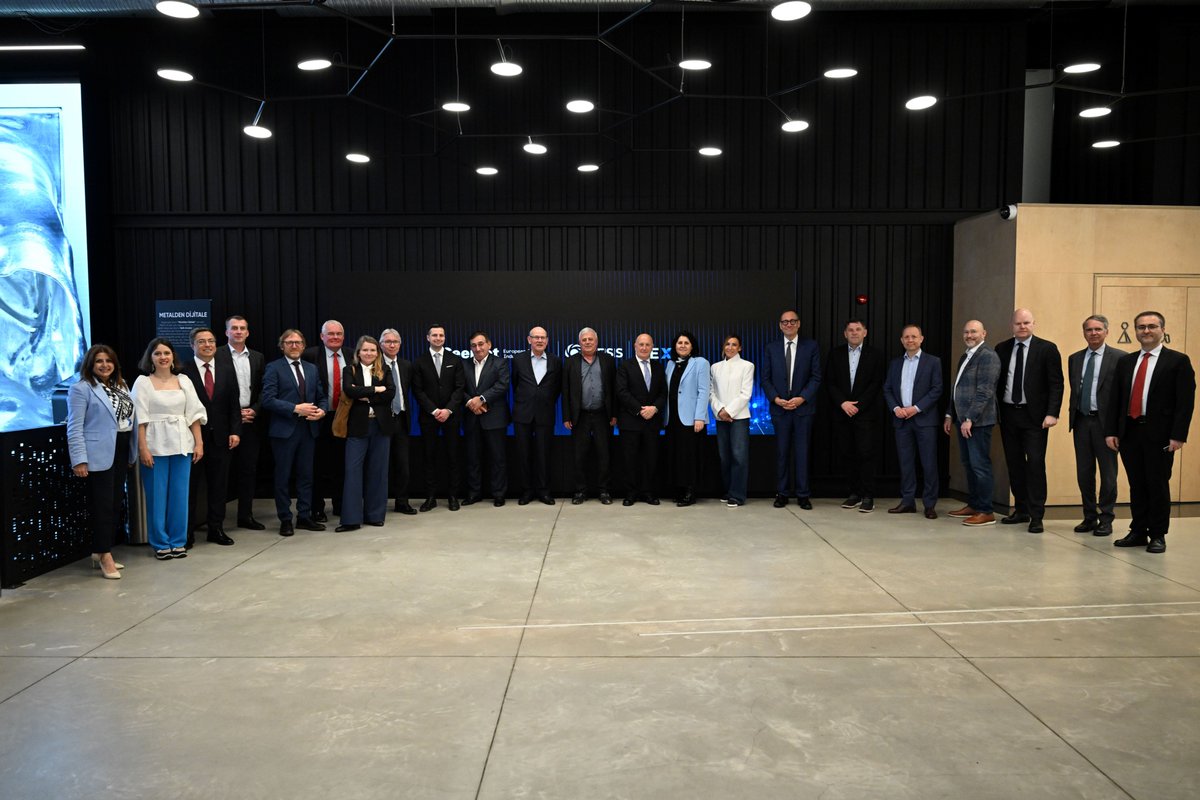
Ceemet held its 47th General Assembly in Istanbul, hosted by its Turkish member MESS, one of the oldest employer organisations in our community.
What is on the agenda of European Metal, Engineering and Technology-based employers? https://t.co/9bbdJrPcIo
Yesterday at FIEC📢#EU-co-funded #project#MindAtWork kick-off meeting promoting "Mental #Health in the #Workplace: The Employer’s Perspective in Europe", the second project of the European Employers' Institute (EEI), coordinated by our federation.
Read🔗https://t.co/IA6J37fED5
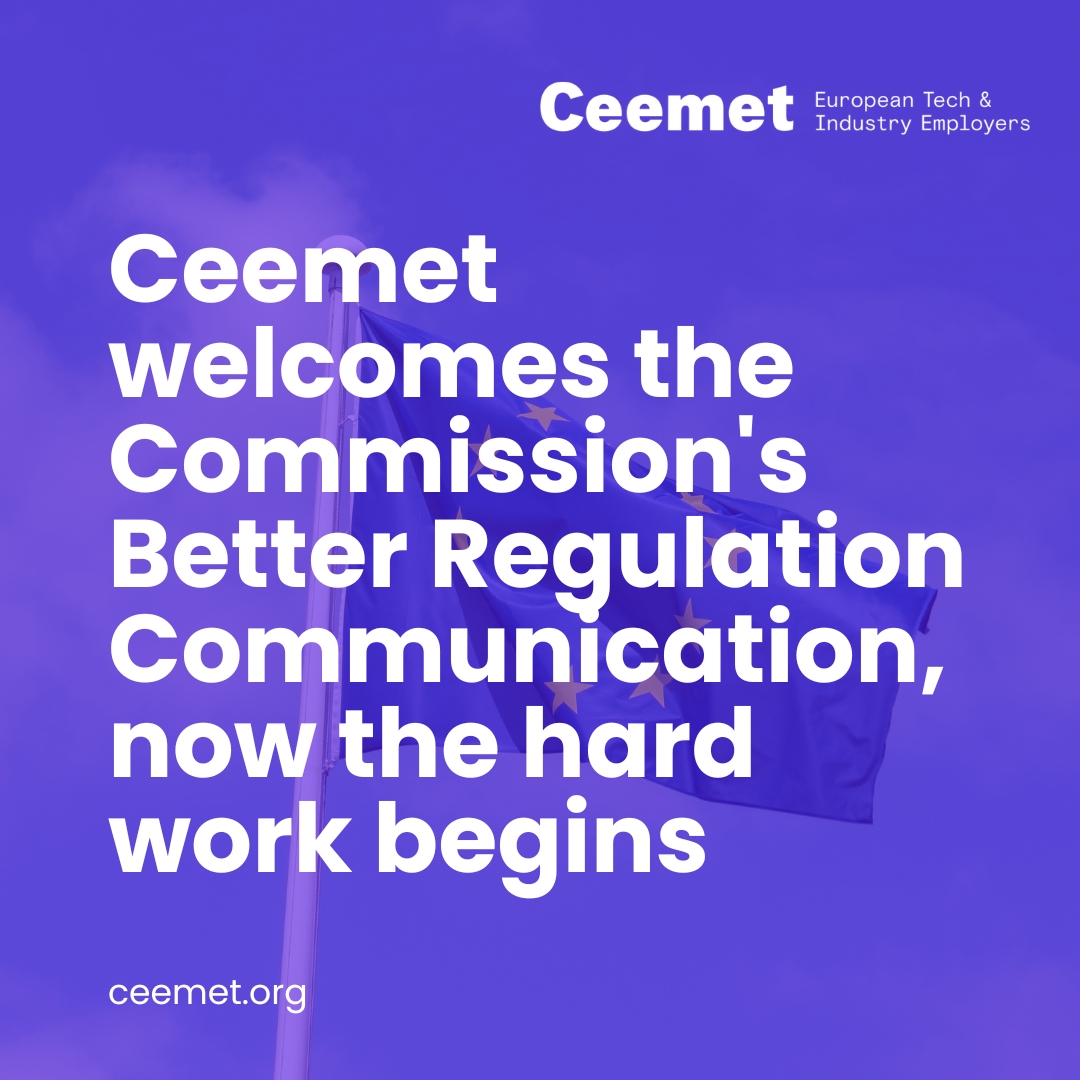
The @EU_Commission Communication on Better Regulation was published last week. Ceemet, representing Europe’s MET industry employers, broadly welcomes this much-awaited initiative and its ambition to modernise how EU laws are designed, implemented and enforced.
The direction is right as simpler rules, stronger enforcement, better evidence, and genuine accountability across all institutions will only make the European economy and Single Market stronger. The challenge, as always, will be in the execution.
Airbus, for example, views current AI use as a temporary support tool rather than a replacement for HR expertise.
Miele, on the other hand, has begun developing AI tools for predictive maintenance and is also exploring AI in quality management and inspection.
How are European companies using AI in their operations?
Through the European Employers' Institute (EEI)'s AI@Work project, we examine the experience of some European companies - including @Airbus, Miele, and SME Heuille et Fils.
Read more: https://t.co/6pxrvrYH89
In a recent paper, Ceemet sets out the priorities MET industries believe must underpin the forthcoming European Strategy for Vocational Education and Training. VET systems are indispensable instruments for battling labour & skill shortages.
👉 Read more: https://t.co/VTdncoktCR
Nearly 75% of SMEs in Europe report difficulty finding the appropriately skilled workforce they need to grow and remain competitive. This skills crisis is due to the fact that Europe doesn't produce enough graduates from higher education & vocational education and training (VET).
Ceemet, the voice of MET industries, considers VET systems to be an indispensable instrument for equipping workers with the skills required to manage major technological change and to support the transition towards a green and digital economy.
Almost a year and several case studies later, we're ready to share some of the most interesting takeaways this research has discovered.
Learn more here: https://t.co/6pxrvrYH89
The evolving EU regulatory framework places new responsibilities on companies using AI. In May 2025, Ceemet, as coordinator of the EU‑co‑funded AI@WORK project, launched an analysis on the impact of AI on labour markets, company management, & workforce planning.
The initiative aims to help employers & workers understand the risks & opportunities associated with AI, and to support companies in adopting these technologies responsibly.