Program Evaluator | Epidemiologist | Data Viz Enthusiast
Recovering perfectionist, aspiring good enough-ist
Using data to advance equity | Views are my own
🎊 VOLUNTEER OPPORTUNITY 🎊
Thank you so much to those who have already reached out. If you're interested in volunteering 10-15 mins of your time to help with a new, fun initiative, please DM us by 7/30!
#DVRTIG members: we would love a few volunteers to help us with a cool collaboration opportunity with @GsneAea 😎 GSNE members sent their questions about all things data viz & we need your help answering them! Expected time commitment: 10-15 mins. DM for details.
Three cheers for the Greater Boston Evaluation Network! 🎉 Moving to a new city & searching for a new job early in the pandemic was tough. Connecting with other local evaluators made me feel seen & supported. Now, I volunteer for GBEN's membership committee 🌟
Today I led an evaluation capacity building roundtable for GBEN. During breakout groups, one attendee said something that blew my mind: "Our eval team is responsible for the evaluation, but everyone at the organization is responsible for evaluative thinking." 🤯💯 #evaltwitter
Want to practice your landscape painting skills? Join a free and fun @BostonParksDept watercolor painting workshop! The workshops are hosted by a local artist each weekend in June. The series is open to Boston residents, but registration is required.
➡️ https://t.co/kwXwpkhzXT
Highly recommend this blog from @emergencecol. I've been struggling to respond to approaches that are inflexible and siloed under the guise of "rigor." I loved guiding phrases at the end of the post: "It is only rigorous if it is builds partners' capacity & is equitable" 🤯💯
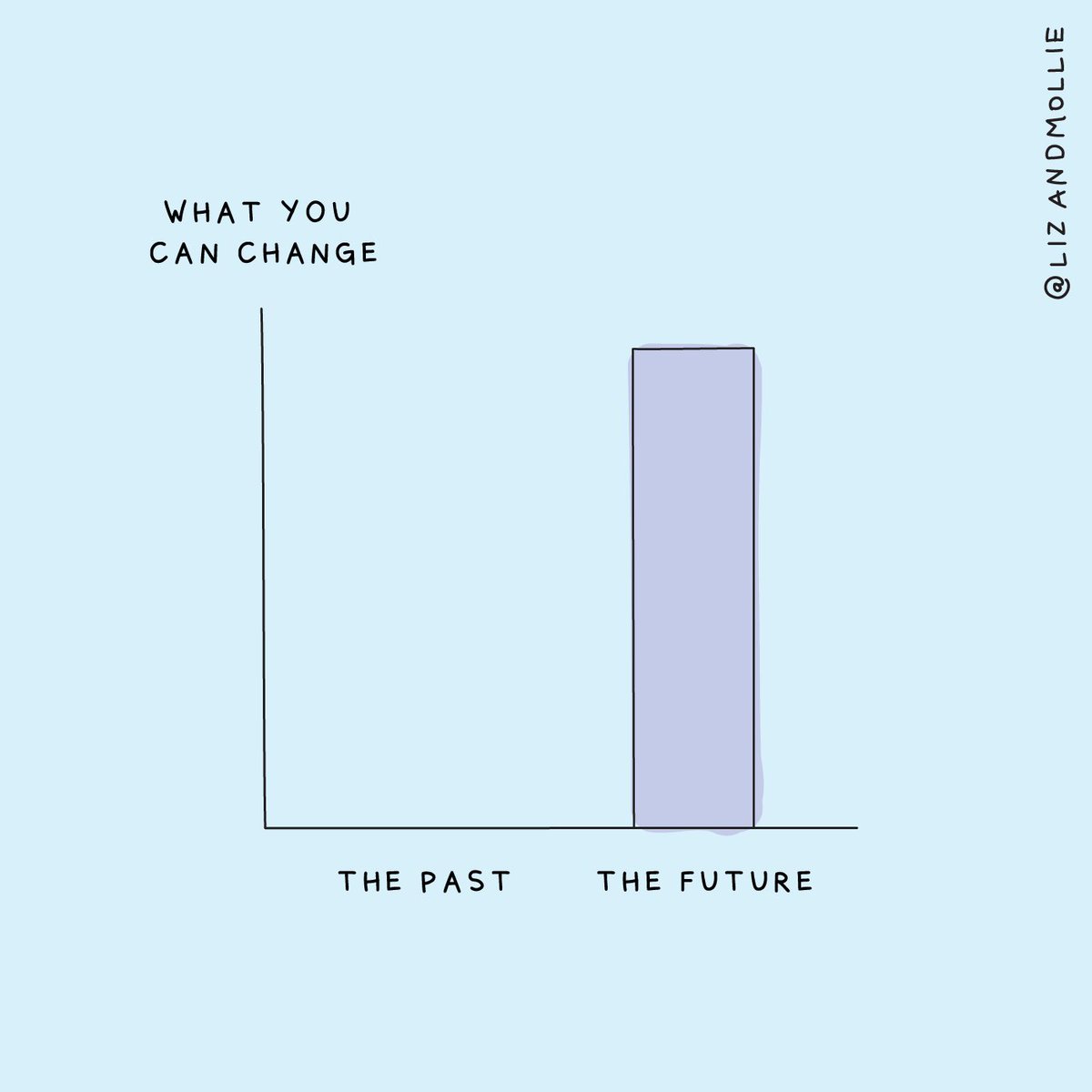
One of the biggest lessons I've learned this past year: ruminating on mistakes will eat you alive, especially when you work in a shaming & toxic work culture. Acknowledge mistakes & learn from them. Also, get the heck out of that toxic culture! You deserve better.
It's not making mistakes that causes failure. It's the time we spend ruminating about them instead of studying how to avoid them.
It's not success that causes complacency. It's the time we fail to spend studying the conditions that fueled success and learning to recreate them.
Public service announcement: You can’t refute evidence with opinions.
When you disagree with data, you have 3 options:
1. Find better data
2. Identify limitations of the existing data
3. Consider the possibility that you were wrong, and have the humility & integrity to admit it
To my #publichealth colleagues: we can't talk about #gunviolence as a public health crisis without talking about #policeviolence as a public health crisis, too. They're not mutually exclusive. 95% of the time police kill civilians, they do so with a gun. [https://t.co/zvJUnNkwUE]
LAST CALL: Submit your ideas for #AEA365#DVRTIG week today! Even if your submissions don't make it onto the blog, there's a good chance you'll see your ideas highlighted here on Twitter or in an upcoming newsletter. @aeaweb#eval#EvalTwitter
A system that is designed to accept its members killing people regularly is not a system in which it is sensible to describe any killing as accidental, regardless of individual intentions.
A successful program evaluation is one in which the end user understands, engages with, and hopefully uses the evaluation findings. Being intentional about our language is a key way we can make #eval accessible.
When you understand something clearly, you can explain it clearly.
Even experts are turned off by unnecessarily technical language. Papers with more jargon in their titles and abstracts get cited less.
Skip specialized terms when familiar ones will do.
https://t.co/u7ChYJQ0KF
Meet our #DVRTIG team! And finally, we have our Social Media Lead/Tweeter Extraordinaire, Chantal Hoff @cehoff1. She's the one typing out all these enthusiastic tweets!
If you punish people for being wrong, they cover up their mistakes. They make excuses and throw blame to justify the past.
If you treat being wrong as a learning opportunity, people admit their errors. They take responsibility for correcting and preventing them in the future.
I love the sleek, minimalist design of this #VOTD for #BlackHistoryMonth#DiversityinData. What a cool way to represent the achievements of Black scientists and inventors. Great work, @menscuriosa!
In honor of #BlackHistoryMonth, dive into this #DiversityinData#VOTD by @menscuriosa to learn about the contributions of Black scientists and inventors throughout history: https://t.co/y9vrCkBnbv
"When working within the system, we are challenged to ask hard questions of ourselves and others about responsibility and integrity, and to acknowledge imperfect or failed efforts to act equitably and build trust" -Kathryn Lowerre https://t.co/zlihKbQ27x via @aeaweb