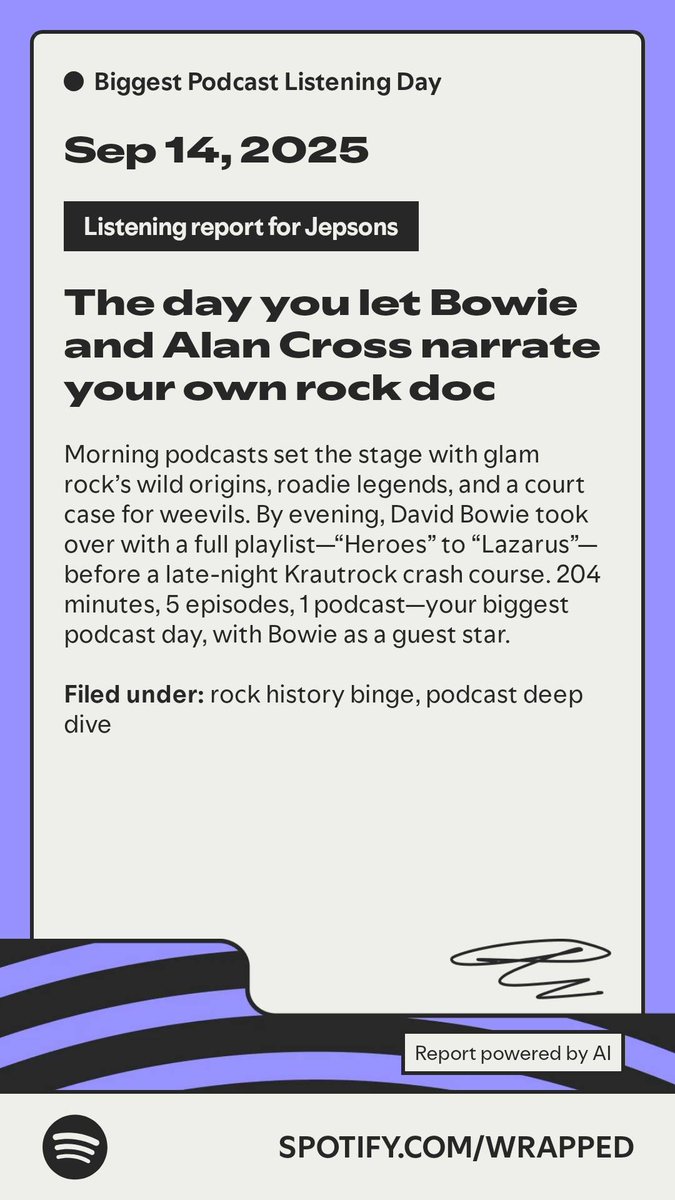
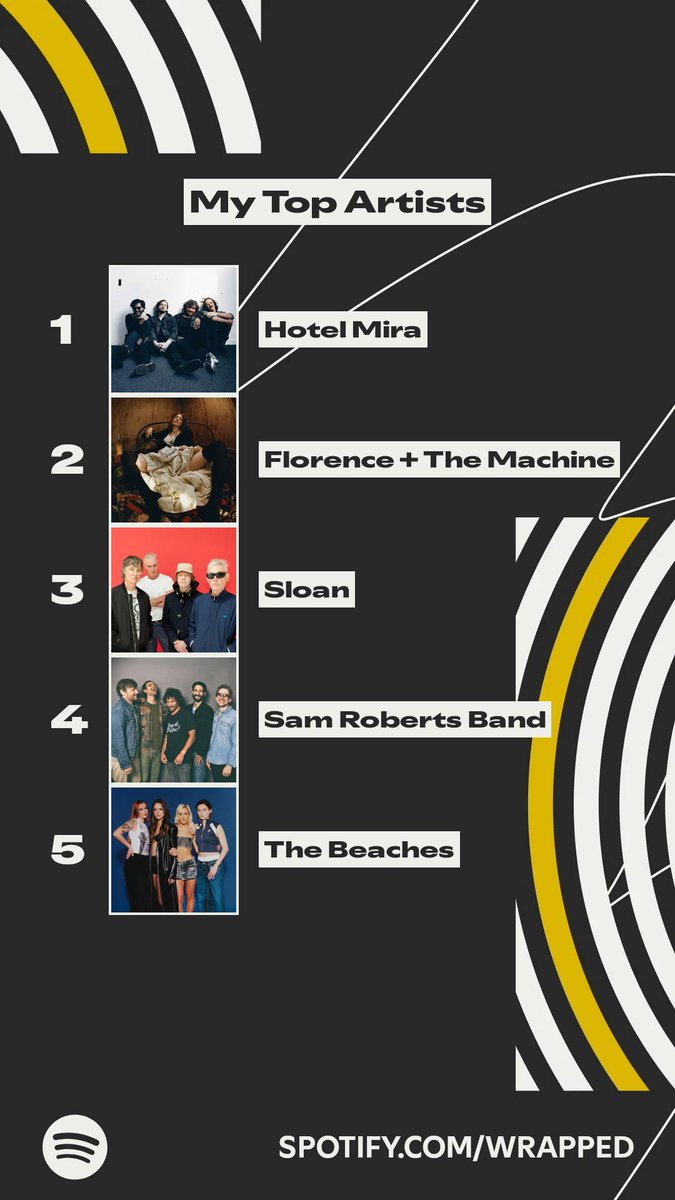
@RaveDrool This was my time. I remember all of these songs with the exception of The Cure one. And I had to look up the Slowburn entry. I forgot that song existed, but it definitely got some radio play.
Unemployment in today’s Canada.
My experience.
It’s a big read but please read it through.
For three years, I helped care for my father while continuing to work full-time.
I even moved next door to him so I could better support him as his health declined.
I cared for him until he died.
Later, while still employed, I went through six months of breast cancer treatment myself.
Pretending those experiences didn’t affect my career would be dishonest.
What nobody tells you about employment instability is how cumulative it becomes.
Caregiving impacts careers even when you stay employed.
Illness impacts careers even when you keep showing up.
You can still be working while slowly losing professional momentum underneath you.
During unemployment, I applied for 65 jobs.
Government. Communications. Non-profit. Administrative. Retail. Hospitality.
Not one offer.
At one point, after years in senior advisory and executive communications roles, I applied at Starbucks.
I didn’t get the job.
That experience stayed with me.
Not because service work is beneath me — some of the hardest jobs I ever had were in restaurants and hospitality when I was younger.
But because the economy had somehow decided I was simultaneously overqualified and unemployable.
At 44 years old, after years spent working in government and public affairs, there were moments I genuinely started wondering whether I had anything left to contribute professionally.
That’s what prolonged unemployment does to people psychologically.
The hardest part of unemployment wasn’t only financial.
It was psychological.
Watching previous accomplishments stop mattering.
Trying to explain résumé gaps without sounding damaged.
Feeling your professional identity slowly erode in real time.
In April 2026, Canada’s unemployment rate climbed to 6.9%.
Behind those numbers are people whose lives became complicated.
Caregivers.
People managing chronic illness.
Cancer survivors.
People navigating grief, burnout, disability, aging parents, or health crises while trying to maintain careers at the same time.
Governments still talk about unemployment mostly through statistics.
But people experience the economy emotionally.
Through rejection emails.
Through grocery bills.
Through rent increases.
Through the quiet panic of realizing there’s very little room left in modern life for interruption.
The labour market increasingly rewards uninterrupted stability.
Perfect timelines.
Continuous productivity.
No visible complications.
But real life does not work that way anymore.
Parents age.
People get sick.
Caregiving responsibilities consume years
.
Disabilities emerge.
Mental health deteriorates.
And increasingly Canadians are expected to absorb those pressures privately while continuing to perform professionally as though nothing has changed.
There’s a growing class of Canadians who did everything they were told to do. I certainly did.
Built careers
Paid taxes.
Earned degrees.
Contributed to institutions.
Then life interrupted the plan.
And the system suddenly became much less patient with them.
This is why affordability and unemployment cannot be separated politically.
When the cost of living keeps climbing, employment instability becomes terrifying.
One interruption can destabilize everything.
I have a job again now and I am grateful for that.
But the experience changed how I see work, government, and the economy.
A lot more Canadians are hanging on by a thread than our politics currently acknowledges.
@RaveDrool@theteapartyband at The Western Fairgrounds. September of '96, I think. Can't remember how much the tickets cost, but it was an awesome night!
@BeachLoverOnt@TorontoStar I don't know when the government paid for enough tissues for a class. Every year in September my kids teachers ask parents to all contribute a box so they can have a supply for the year.
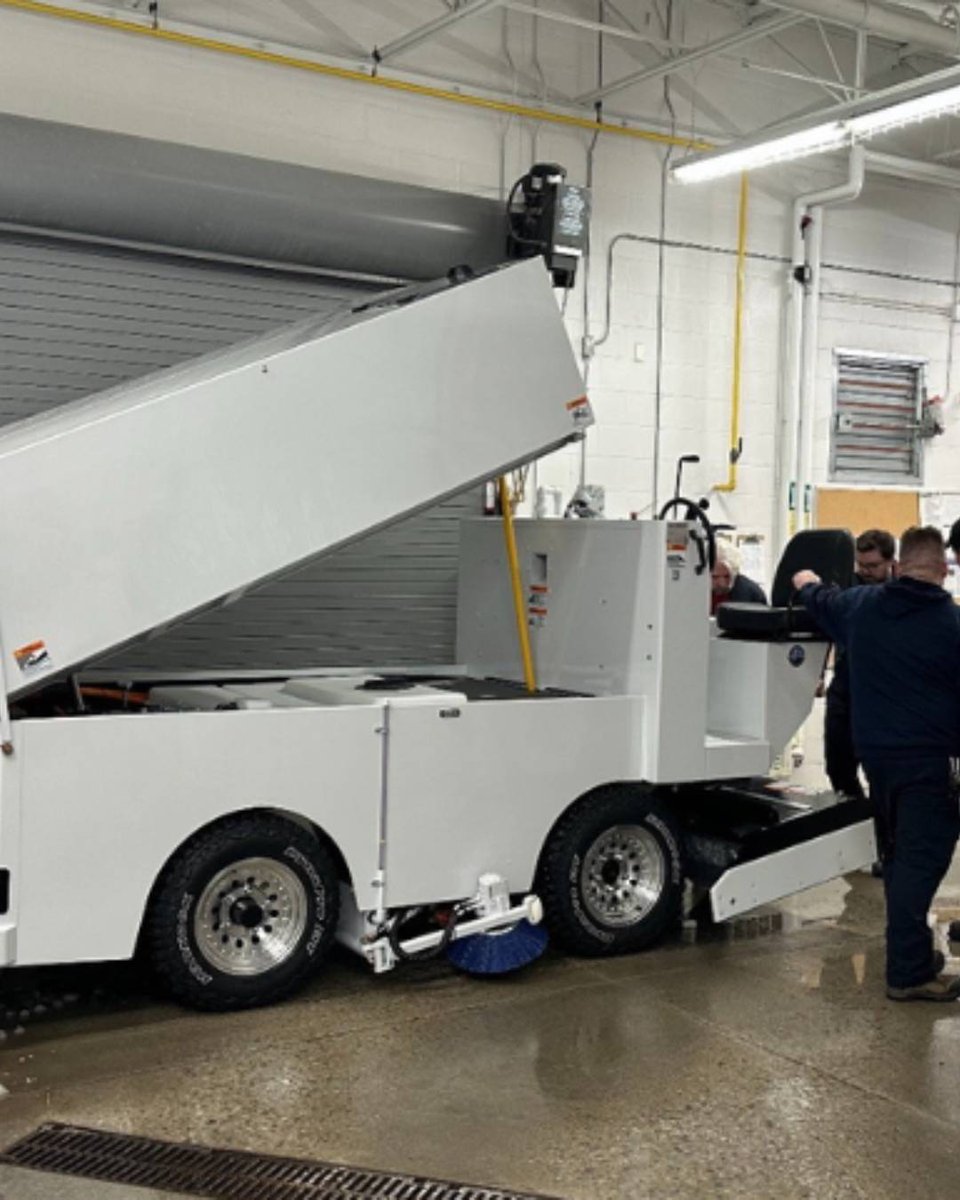
Soft, snowy streets ahead! ❄️ Warmer temps mean our plows are out in full force. Please keep cars off residential roads until Friday morning so crews can clear safely. Spot an issue? Let us know at 519‑741‑2345 or [email protected]. 🚜💙
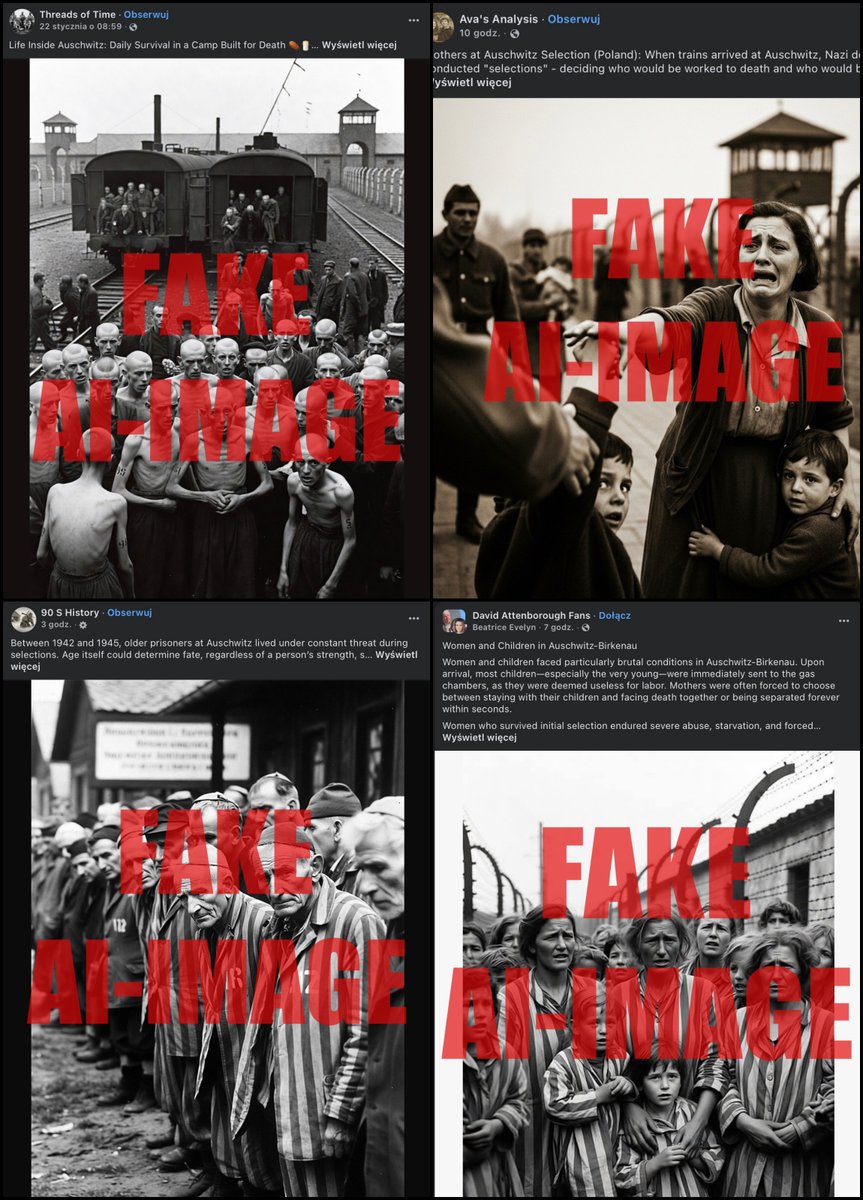
Creating fake, AI-generated images of Auschwitz and other camps is a dangerous act of distortion. Social platforms - especially Facebook - are directly responsible for enabling and amplifying their spread. This matters because such content does not merely falsify history; it actively harasses the memory of the victims.
Photography has always carried an implicit social contract: when we look at a photograph, we trust that a photographer stood in a real place, at a real moment, and preserved a fragment of reality. This trust is foundational to historical documentation. Camp photographs from Auschwitz are not illustrations; they are evidence.
AI-generated images break this contract while imitating its appearance. They are not photographs, yet they are presented in visual language that mimics documentary photography, deliberately exploiting the viewer’s learned trust in photographic sources.
Today, when users search for “Auschwitz” on Facebook, an increasing number of results consist of fabricated, AI-generated images and misleading posts rather than authentic historical documentation. By allowing these distortions to surface, circulate, and gain visibility, Facebook directly contributes to the erosion of factual understanding of the complex history of Auschwitz, which we try to protect.
That is why we believe the platforms should take responsibility by actively moderating such content and clearly flagging fabricated imagery. Memory and historical truth deserve stronger protection.