A demo version of "purple" was airdropped to fans attending Olivia's concert tonight in NYC! 💜
Some of the original lyrics include:
- "And it's crazy, you know all the words to the songs I wrote about crying. You weren't around then, but said if you were, you'd be fighting."
- "Now I thank God that you kiss my neck, made our paths intersect.."
- "We fight over who will fold the laundry, like a couple"
'you weren't around then but said if you were you'd fight him' is soooo crazy omg
olivia's love album i mourn you 🥲🥲🥲 i'm glad that we have purple happy version now
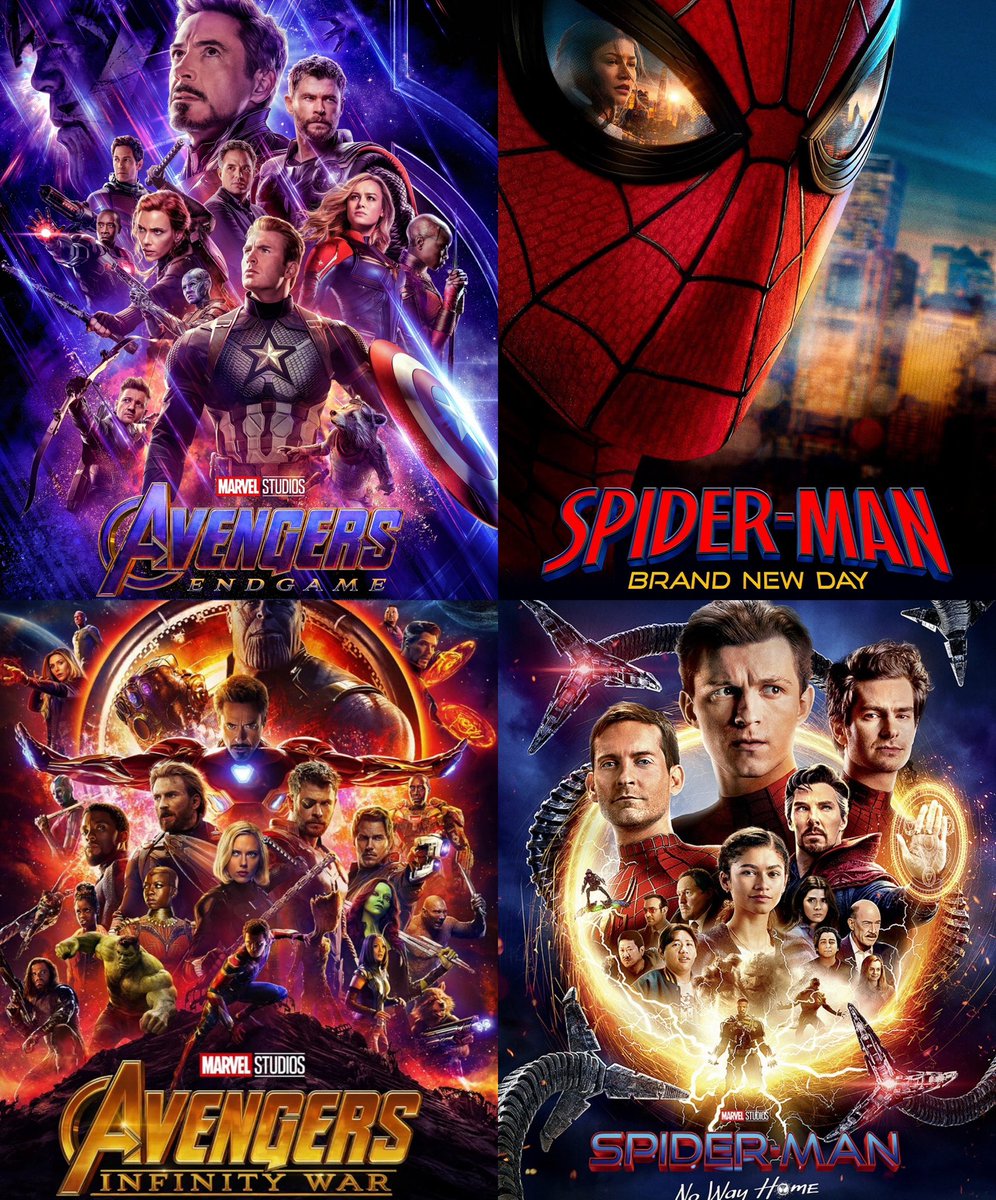
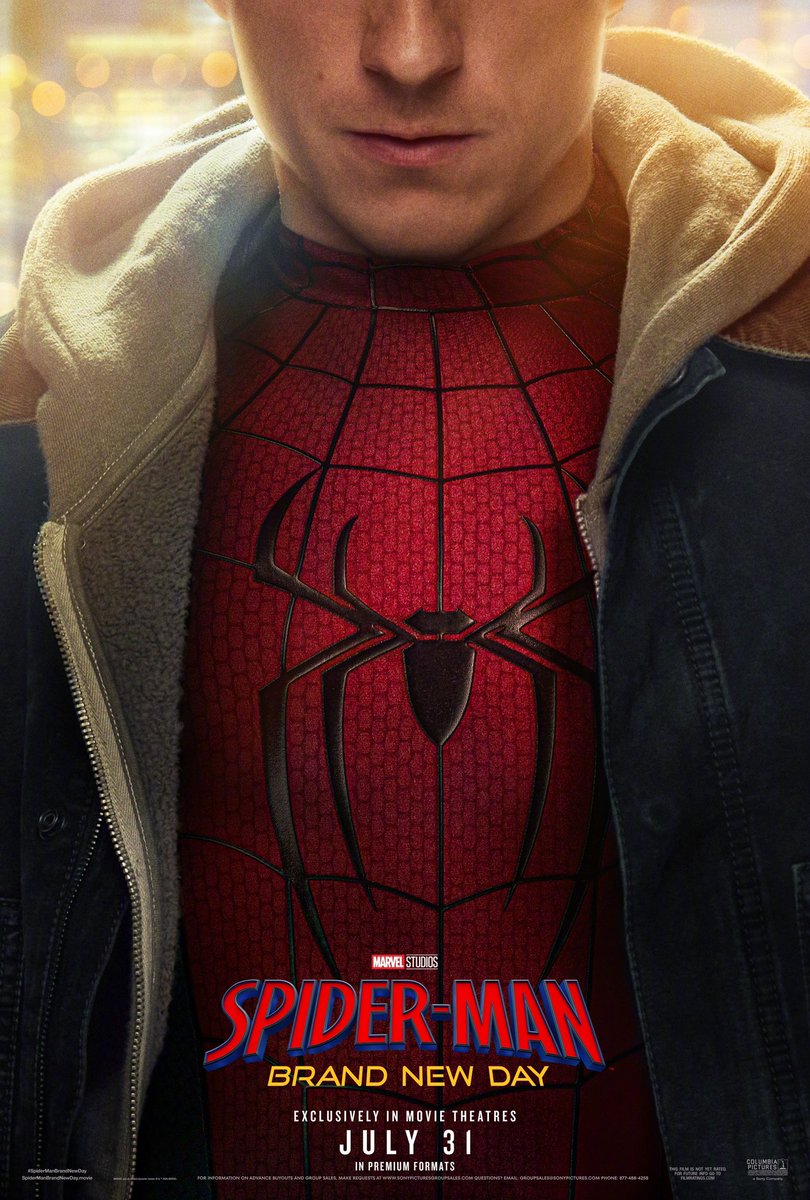
Spider-Man Brand New Day question
.
.
.
.
.
.
.
So how many doctors and nurses are now under the STRICTEST NDAs possible because they were treating spider-man without his mask?
halo mvs, kalian di Letterboxd tim review asbun atau yg niat bgt? Jujur aku baru nyemplung ke hobi nonton & tiap mau nulis review malah mentok. Lihat review kalian yg bagus2 bikin insecure. Plis enlighten me, gmn caranya biar bisa nulis ulasan yg seniat itu?
Saya minta bantuan Gemini untuk menuliskan dengan lebih baik, dengan sejumlah prompt ketat tentunya.
Intellectual property isn't dead; the margin for error when exploiting it has just dropped to zero. Audiences have developed a highly sophisticated radar for corporate cynicism, and they are punishing it.
Here is a breakdown of what is actually happening beneath the surface of those specific failures, moving past the doom-and-gloom hyperbole:
1. The "Streaming Devaluation" Trap
The transition of The Mandalorian & Grogu from a streaming phenomenon to a theatrical feature highlights a massive structural problem: The Friction Gap.
For five years, Hollywood told audiences that premium IP belongs on their couches for the price of a monthly subscription. You cannot easily reverse that psychological conditioning. When a film feels like an oversized TV episode, the audience calculates the friction—parking, ticket prices, babysitters—and realizes they can just wait 45 days to watch it on the service they already pay for.
It’s not that people don’t care about Star Wars; it’s that the urgency has been stripped away by ecosystem mismanagement. IP only works in theaters if it feels like an event, not a homework assignment for an ongoing streaming universe.
2. The Nostalgia Horizon
The failure of properties like Masters of the Universe exposes the myth of the "immortal brand."
Hollywood frequently confuses dormant IP with valuable IP. For a legacy brand to succeed today, it needs to clear one of two hurdles:
It must possess a multi-generational lineage where parents actively pass it down (like Star Wars or Marvel).
It must be reinvented so radically that it stands on its own merits as a great film, regardless of the logo on the poster (like Barbie).
When a project relies solely on the warm feelings of Gen Xers who remember buying the action figures in 1984, it hits a hard ceiling. If the current generation has zero equity in the characters, you are essentially launching an expensive, original sci-fi/fantasy film wrapped in dated baggage.
3. The Autopsy of Style and PR Mismanagement
With Supergirl, the failure is two-fold: structural copycatting and the modern reality of the 24-hour narrative cycle.
First, the industry is still suffering from Tone Contagion. Ever since Guardians of the Galaxy succeeded, studios have treated "quirky, needle-drop cosmic irreverence" as a plug-and-play formula rather than a specific director's voice. When applied to a character whose core appeal is fundamentally different, it feels dissonant and derivative. Audiences smell the calculation immediately.
Second, the modern landscape has proven that the film and the press tour are inseparable. We are in an era where an audience's willingness to buy a ticket is heavily influenced by the cultural noise surrounding the production. When a lead actor becomes a polarizing lightning rod before a single frame is released, it creates an uphill battle that even brilliant execution struggles to overcome. It creates "fatigue" before the movie even debuts.
The Bottom Line: IP is not a shield against bad filmmaking, poor positioning, or toxic public relations. The studios that treat IP as a guaranteed box office insurance policy are failing. The ones that treat IP merely as a launchpad to tell a distinct, high-quality story are still thriving.
The era of lazy IP is over. And frankly, the box office is healthier for it.