I spent 11 years at Google in product and operations — From YouTube to Google Ads, and Google Pay, launching Google Pay tap and pay across 29 countries, scaling Health Passes to 10M+ users.
Then I worked at Cardlytics, where I built a merchant intelligence platform powered by $5.8T in purchase data.
5 months ago, I got laid off. Instead of job hunting, I started building.
No CS degree. No engineering team.
Just AI, stubbornness, and everything I learned from watching how great products actually get made.
Here's what I'm building — and everything I'm learning along the way 🧵
→ BeenThere AI: turn your Google Maps saved places into shareable travel lists (https://t.co/jq2TqPYnXg)
→ Zing Bungee Fitness: (https://t.co/GIwx77E5Oe) helped grow a nearly-shuttered local fitness studio to 3X revenue through digital marketing — now thriving.
→ This account: honest notes from a non-technical operator who decided to ship anyway
Follow if you're into: building things, travel, AI tools, or watching someone figure it out in public.
Most people use AI.
Few actually build with it.
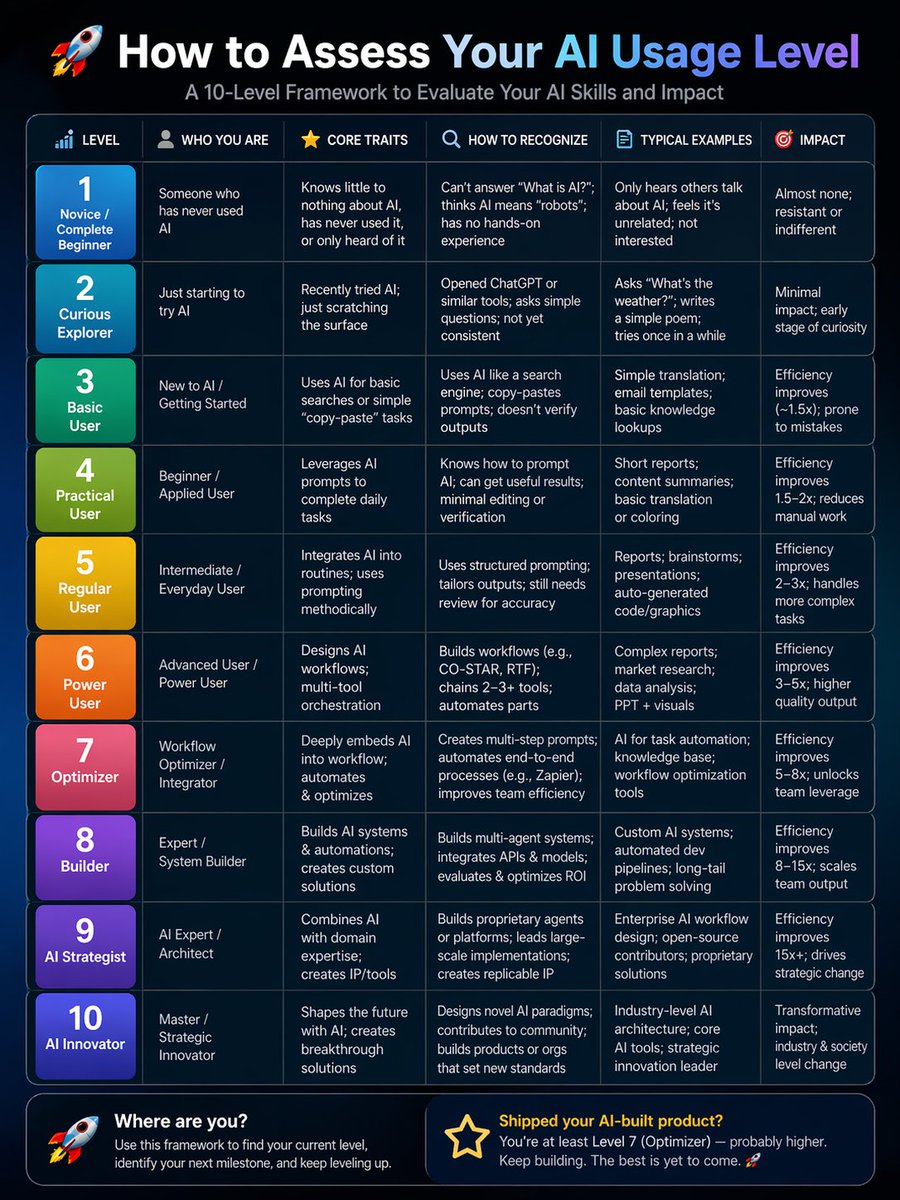
I came across this framework breaks AI usage into 10 levels 👇
AI told me that I’m currently at Level 7 (Optimizer)
– built and shipped my own AI product
– using AI to automate real workflows
Still a long way to Level 10 😄
Where are you on this chart?
#buildinpublic #AI #indiehackers #startups
Most people use AI.
Few actually build with it.
I came across this framework breaks AI usage into 10 levels 👇
AI told me that I’m currently at Level 7 (Optimizer)
– built and shipped my own AI product
– using AI to automate real workflows
Still a long way to Level 10 😄
Where are you on this chart?
#buildinpublic #AI #indiehackers #startups
🚀 Iterating on BeenThere AI
I just gave BeenThere AI a major facelift using Claude Design, and the results are a perfect example of why you should always trust your analytics over your assumptions. 📈
💡 The Insight
Data showed my "Demo Trip" was the most viewed page. Users don't care about my "how-to" methodology until they see the value of the output.
🎨 The Redesign
Value First: Moved user-generated trip cards to the very top of the first screen.
Methodology Second: Pushed the "how it works" section to the second screen with a sleek secondary theme.
The Result: Immediate clarity on what the app actually does.
🛠️ The Workflow (The Good & The "Meh")
I linked my GitHub to Claude Design. It nailed the vibe—the output matched my existing build perfectly while significantly leveling up the UI.
However, the deployment friction is real:Claude Design can read from GitHub, but it can’t push commits or open PRs. It handed me a "port package" and told me to go talk to Claude Code to finish the job.
"I can read from GitHub but can't push... The design here is a standalone prototype."
The Verdict: While the design chops are elite, Google AI Studio still takes the crown for a more seamless, integrated deployment experience.
Check out the new look: https://t.co/jq2TqPYnXg 📍
#BuildInPublic #SaaS #AI #UXDesign #ClaudeAI #GoogleAIStudio #BeenThereAI
🚀 Iterating on BeenThere AI
I just gave BeenThere AI a major facelift using Claude Design, and the results are a perfect example of why you should always trust your analytics over your assumptions. 📈
💡 The Insight
Data showed my "Demo Trip" was the most viewed page. Users don't care about my "how-to" methodology until they see the value of the output.
🎨 The Redesign
Value First: Moved user-generated trip cards to the very top of the first screen.
Methodology Second: Pushed the "how it works" section to the second screen with a sleek secondary theme.
The Result: Immediate clarity on what the app actually does.
🛠️ The Workflow (The Good & The "Meh")
I linked my GitHub to Claude Design. It nailed the vibe—the output matched my existing build perfectly while significantly leveling up the UI.
However, the deployment friction is real:Claude Design can read from GitHub, but it can’t push commits or open PRs. It handed me a "port package" and told me to go talk to Claude Code to finish the job.
"I can read from GitHub but can't push... The design here is a standalone prototype."
The Verdict: While the design chops are elite, Google AI Studio still takes the crown for a more seamless, integrated deployment experience.
Check out the new look: https://t.co/jq2TqPYnXg 📍
#BuildInPublic #SaaS #AI #UXDesign #ClaudeAI #GoogleAIStudio #BeenThereAI
Just tried Claude Design with my own vibe coding project BeenThereAI(https://t.co/w1PYETlyq8), I like the way it asks me a lot questions to clarify what I want after I enter my prompts.
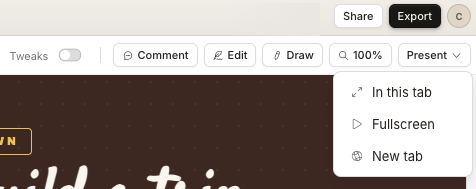
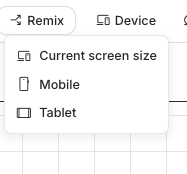
However, it does not have a mobile device mode that can preview how the design would look like in tablet or mobile phone, I have to ask it to generate and it shows in a new tab. In this experience, Google AI Studio has a default button on the top right corner where you can switch device to view.
Just tried Claude Design with my own vibe coding project BeenThereAI(https://t.co/w1PYETlyq8), I like the way it asks me a lot questions to clarify what I want after I enter my prompts.
However, it does not have a mobile device mode that can preview how the design would look like in tablet or mobile phone, I have to ask it to generate and it shows in a new tab. In this experience, Google AI Studio has a default button on the top right corner where you can switch device to view.
If Allbirds can go from selling wool runners to leasing GPUs overnight, then it’s time for a "strategic alignment" of my own. Effective immediately, my Zing Bungee Fitness(https://t.co/cDjGuzjevq)is pivoting to Zing Bungee AI.
We aren't just a studio anymore—we are a "Proprietary Elastic Neural Network." Instead of bungee cords, we’ll be using fiber-optic tethers to process high-latency workout data in the cloud. ☁️🏋️♀️
Waiting for my $127M valuation bump and the $50M seed round to close by Q2. 📈🤡
#Allbirds #NewBirdAI #Pivot #VentureCapital #BIRD #VibeCoding #bungeefitness
Shoe company Allbirds just announced that it's planning to
- Sell all of its brands and footwear assets
- Rebrand the company to Newbird AI
- Use a $50M convertible financing facility to "acquire high-performance GPU assets"
I just stumbled upon the most touching proposal on Rednote (Xiaohongshu). 💍
A guy created a stunning AI-generated video to propose to his girlfriend, then recorded her live reaction as she watched it. You can see the exact moment she realizes what’s happening... it’s pure magic. 😭
Using tech to amplify love—this is the best AI use case I’ve seen yet.
Video Credit to Rednote user 付Po.贝贝
#AI #Proposal #Xiaohongshu #Rednote #TechForLove
April skiing in Utah is a total cheat code. 🏂
We took the kids to Brighton this week and hit the jackpot:
💰 Half-price tickets ($70 adults / $40 kids / Under 7 FREE).
🚠 Zero lift lines & less crowded cafes.
☀️ 75-degree weather in SLC (t-shirt skiing is real).
The snow was a bit slushy at the bottom, but the mountain held up great. If you’re looking for a budget-friendly family getaway, this is it. ❄️✨
Learning anything? Yes. Creating anything with AI? Getting there.
But "reach anyone" through social media? That part is doing a LOT of heavy lifting.
When you're a nobody, there's no network effect. Just you, posting the same thought 12 different ways, hoping the algorithm notices. The leverage exists — but the cost of unlocking it is way higher than people admit.
You as a single person have more power today than a 20 person company of the past. That's insane. The internet gave you the ability to learn anything. Social media gave you the leverage to reach anyone. AI is giving you the ability to create almost anything. Please don't waste it
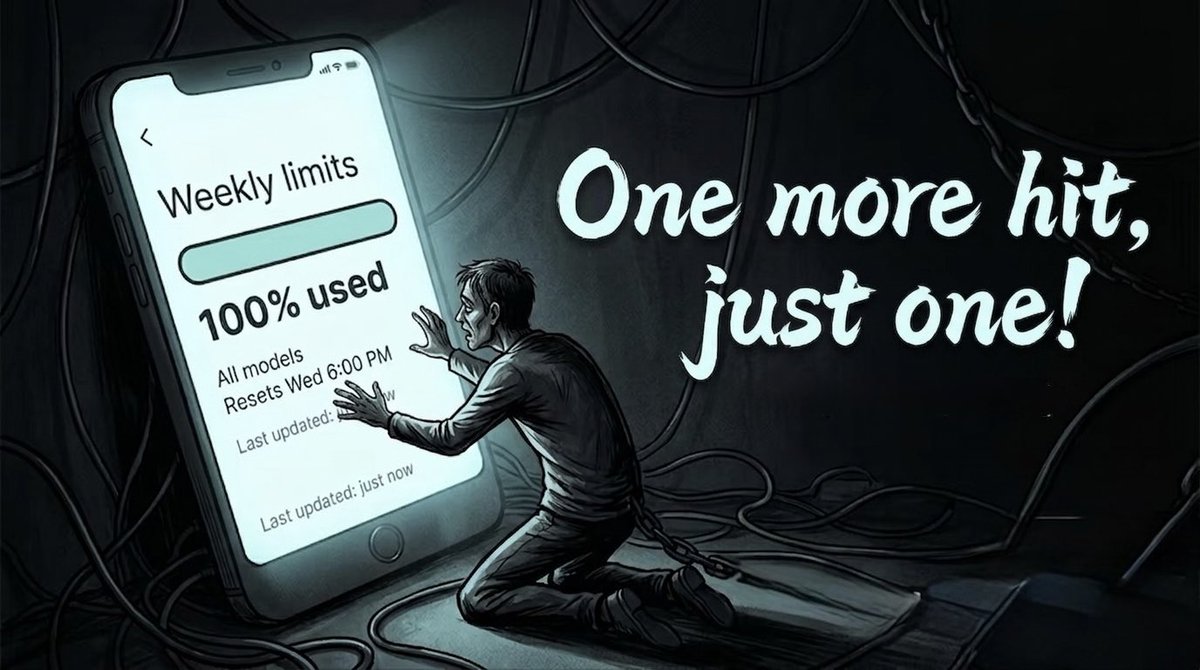
Starting tomorrow at 12pm PT, Claude subscriptions will no longer cover usage on third-party tools like OpenClaw.
You can still use these tools with your Claude login via extra usage bundles (now available at a discount), or with a Claude API key.
Now I understand why people say SaaS is dead. I had my own portfolio website built on Squarespace 10 years ago: https://t.co/rrGVm6LJoT. I just asked Claude to help design a better one by only giving my URL to it. Under one minute, it returns me a beautiful design even before I using any frontend skills.
The most fun part is it encourage me to move off Squarespace to Vercel so that I can have full control: Zero limitations, and no monthly fee, it says 😂
This morning I woke up to a notification: 2M views on WeChat video! 🐾
Since I adopted Dizzy the dog last summer, I’ve been documenting her journey on WeChat video and Rednote. The payout for 2 million views?
WeChat Video: 129 RMB (~$18)
Rednote: $0
On YouTube or TikTok, this traffic would be a real paycheck. Chinese platforms don't share much ad revenue; they force creators to become full-time salespeople. If you aren't selling products, you're providing free labor. 📉
I wonder if I started posting my dog videos here on X, would I get more followers? I bet X isn't exactly the "HQ" for pet lovers—we’re usually too busy arguing about tech and politics. 😅
The gap in the "creator economy" is staggering. I'm starting to post these videos to YouTube to see if I can get similar traffic there.
Check out my Dizzy channel here: https://t.co/SicWZrpirY 🌎
#CreatorEconomy #adoptdog #TikTok #YouTube #WeChat #X #ContentCreation
@petergyang If you understand Chinese you can download Red notes, a lot of people discussing how to use Claude Code without being banned in the app. And there are also others selling their “service” to help them to get “legal access” to use it. The underground market is huge.
So spot on, @jasminesun! Especially your second point on AI diffusion.
Coming from the tech industry myself, I’m both obsessed with and anxious about our current trajectory. But when I look at my daily life in San Diego, the "AI revolution" still feels worlds away from the physical reality.
I still need a plumber to fix my pipes, a landscaper to tend the yard, and a human being to cook the food I order. I recently built a curated trip list for Google Maps users—and while AI can help organize the data, you still have to physically travel there to actually experience it.
There is such a massive gap between the digital hype and the physical world we actually inhabit. Can’t wait to read your reporting on how (or if) this tech actually starts to move the needle in our tangible, everyday lives. 🛠️🥗📍
So spot on, @jasminesun! Especially your second point on AI diffusion.
Coming from the tech industry myself, I’m both obsessed with and anxious about our current trajectory. But when I look at my daily life in San Diego, the "AI revolution" still feels worlds away from the physical reality.
I still need a plumber to fix my pipes, a landscaper to tend the yard, and a human being to cook the food I order. I recently built a curated trip list for Google Maps users—and while AI can help organize the data, you still have to physically travel there to actually experience it.
There is such a massive gap between the digital hype and the physical world we actually inhabit. Can’t wait to read your reporting on how (or if) this tech actually starts to move the needle in our tangible, everyday lives. 🛠️🥗📍
Personal news: I’m joining @TheAtlantic as a contributing writer!
It drives me nuts how wide of an understanding gap there is between SF AI world and everywhere else — especially given the immense public stakes. There's so much AI hype, anxiety, and misinformation; so doing translation and synthesis feels more important than ever. (This role is in addition to Subst*ck, where I’ll keep writing at the same cadence.)
I'm using this excuse to share some rambly media thoughts: namely that tech journalism can & must be great again.
The problem with “old media” is that it often refuses to take tech bros at their word, and the problem with “new media” is that it’s often just advertising, which is boring even for the subjects. There’s a doom loop where some reporters write poorly-informed stories, so insiders won’t talk to them, so sourcing is worse; not to mention that most journalists are not based in the communities they cover. This makes people bad-faith, but it also means a lot of AI reporting is 6-12 months behind. Yes, fantastic blogs/podcasts abound — these are the bulk of my info diet — but they are largely insiders talking to insiders, too niche to recommend to policymakers or smart non-AI friends. These fractures are a disaster for shared public knowledge, and make us less prepared to navigate AI well.
Magazine writing offers the ability to rise above of the hourly play-by-play (squinting at every new model release, every new jobs report) and to the bigger questions. I actually think the most impactful AI writing has *months*, not days of longevity! Rather than over-anchoring to any particular forecast, it offers generalized frames for operating under uncertainty.
A few types of pieces I’m especially keen to write:
1) AI culture: A few people’s idiosyncratic personal beliefs regularly change the world. It thus matters tremendously how AI builders view their work, politics, philosophy, and the future. I think most individuals in the AI industry are good and want their tech to do good. Journalists can portray AI workers’ earnest beliefs while being appropriately skeptical of how that can clash with or be shaped by industry incentives, and how it might diverge from the public. "Smart people confront hard moral/intellectual problem" is one of my favorite genres.
2) AI diffusion: AI discourse disproportionately focuses on its impact on software and writing because those are the jobs the messengers do (obviously I’m guilty of this). That makes me want to do more field reporting on AI in education, manufacturing, healthcare, etc: e.g. can I ride along with a team trying to integrate AI tutors into a school? Diffusion is rarely as smooth as economic models predict, and “how AI will go” depends largely on the speed, and where it hits first. Relatedly: AI in the non-western world.
3) AI superusers: Polls show people are highly anxious about AI’s speculative effects but sanguine about their personal use. I think more people should experiment with AI to feel both the pace of progress *and* its jagged edges. While AI can produce slop/surveillance/etc, it can also extend human ability & creativity. I want to paint portraits of people already “living in the future" so we can ask: is that a life we want? The tech is here, but we can choose how to relate to it.
If you have ideas/feedback/etc my DMs are open, and my Signal is jws.27. For me 1-1 conversations are *not* on the record unless we say so. (I always thought this was a weird norm, and in general am happy to answer people's questions about “how journalism works” from my POV because it can be quite opaque.)
(also I'm replacing my blurry macbook selfie with a b&w portrait profile picture to signify reluctant induction into the label of "capital-j Journalist.” I spent most of last year pretending to be funemployed, but I suppose this is graduation. end of an era!)
I’m building https://t.co/4RBBLETfzJ in the open.
Have you ever had a product you loved but hated the onboarding? Tell me below—I’m looking for ways to make "BeenThere" even smoother. 👇
I almost lost a user because my onboarding "sucked."
My friend, a local in London, told me my app was "too complicated" because of the Google Maps import step. He wrote it off via DM weeks ago.
Today, we sat down for a 1:1. Here’s how 30 minutes changed everything. 🧵
Building in public isn't just about sharing wins; it’s about fixing the "un-sexy" friction points that kill your conversion.
Watch your users struggle.
Don't explain—show.
If they don't "get it" instantly, the UX is the problem, not the user.